

2026 Mazda CX-30 Lease Orange Park
See which 2026 Mazda CX-30 models fit your lease plans in Orange Park
Review CX-30 lease terms around your mileage and payment goals
Call Mazda City to discuss CX-30 lease options before your visit
| Labor Day Sales | ||
| Day | Open | Closed |
| Monday | 9:00AM | 5:00PM |
| Tuesday | 9:00AM | 8:00PM |
| Wednesday | 9:00AM | 8:00PM |
| Thursday | 9:00AM | 8:00PM |
| Friday | 9:00AM | 8:00PM |
| Saturday | 8:00AM | 7:00PM |
| Sunday | Closed | Closed |
2026 Mazda CX-30 Lease Guide for Orange Park Drivers Comparing Payment Structure, Mileage Terms, and Total Cost
Leasing a 2026 Mazda CX-30 can make sense for drivers who want a compact crossover with confident control, thoughtful design, and a defined ownership timeline. The CX-30 gives shoppers the shape and flexibility of a small SUV while keeping the drive composed and connected. For many Orange Park drivers, the bigger decision is not only whether the CX-30 fits. It is whether the lease structure fits how the vehicle will be used.
A lease is built around a set term, a mileage allowance, an expected lease-end value, and a payment structure that reflects the vehicle selected. That makes clarity important. A monthly payment can look appealing, but it only tells part of the story. The full lease should be reviewed through the amount due at signing, term length, mileage allowance, taxes, fees, credit approval, residual value, and lease-end expectations.
The 2026 Mazda CX-30 lineup gives shoppers different ways to balance payment, comfort, technology, and performance. For a lease shopper, the strongest decision begins with the way you drive. A short commute, consistent routine, and preference for newer vehicles may point toward leasing. Higher mileage, long-term ownership plans, or a desire to keep the vehicle for many years may point toward financing. The goal is to choose the path that feels clear from the first payment through the final lease-end step.
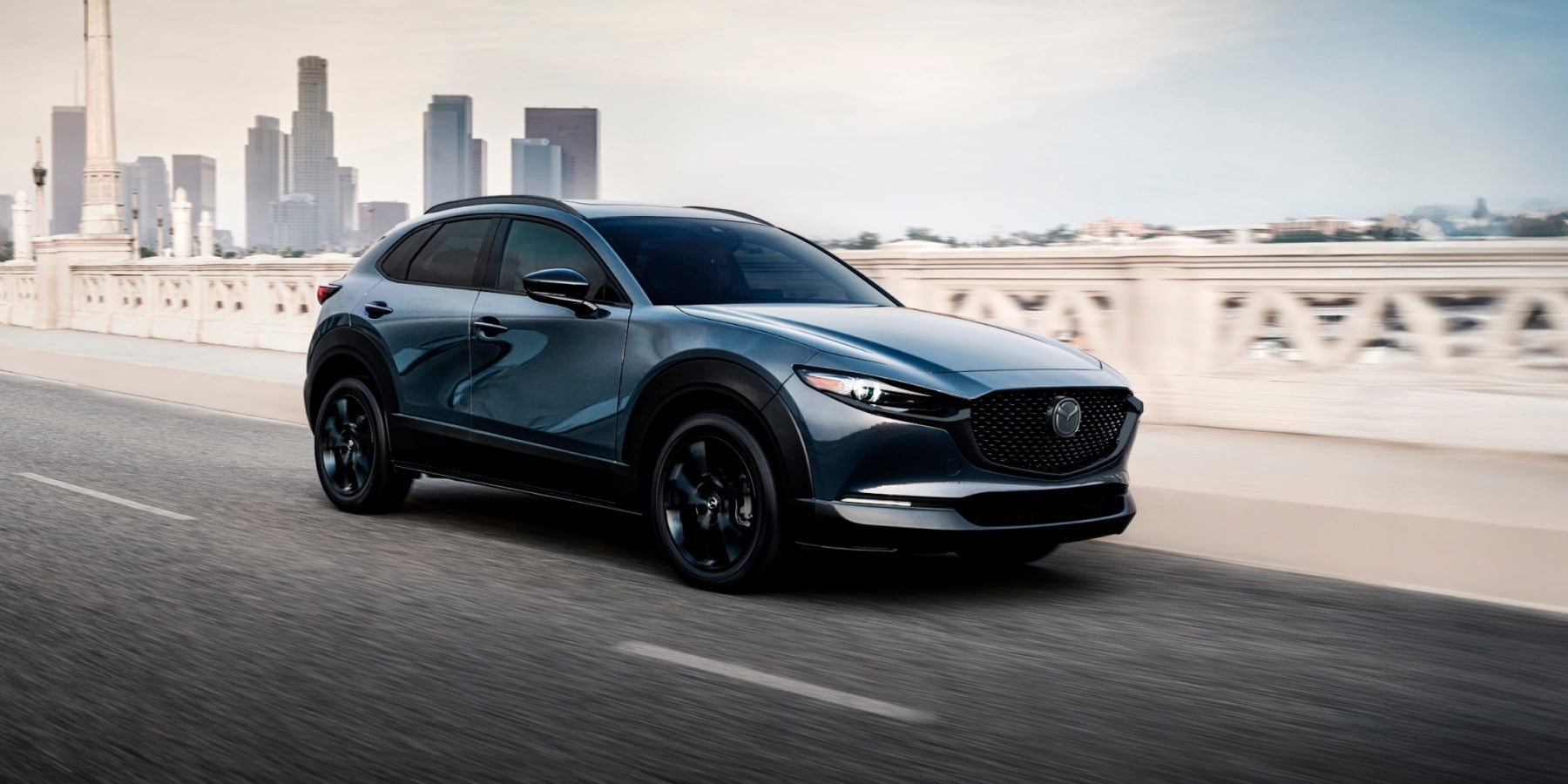
How a 2026 Mazda CX-30 Lease Works
A 2026 Mazda CX-30 lease is based on driving the vehicle for a defined period rather than financing long-term ownership from the start. The payment reflects several factors, including the agreed vehicle value, expected depreciation during the lease, money due at signing, lease term, mileage allowance, taxes, fees, and credit qualification. Those pieces work together, so the monthly payment should never be reviewed by itself.
This structure can feel helpful for drivers who prefer a planned timeline. If you like the idea of driving a newer Mazda every few years and your mileage is predictable, a lease can create a clear path. You know the term, you know the mileage structure, and you can plan ahead for what happens when the lease ends. The tradeoff is that leasing comes with defined mileage and vehicle condition expectations.
The CX-30 fits this conversation well because it is practical without feeling ordinary. Its compact size helps around town, while its crossover layout supports passengers, errands, and weekend needs. A lease can make sense when you want that balance for a set period without committing to a longer ownership cycle. The better question is not simply whether the CX-30 can be leased. It is whether the structure matches your driving habits, budget comfort, and expectations for flexibility.
Payment Structure and Total Cost Considerations
Shoppers searching for Mazda lease payment structure are usually trying to understand why one offer looks different from another. A lease payment can be shaped by the vehicle’s price, residual value, money factor, lease term, mileage allowance, incentives, upfront amount, and required fees. When these elements are not reviewed together, the monthly payment can be easy to misread.
That is why total cost should be reviewed before comparing lease offers. A lower monthly payment may involve a larger amount due at signing. A higher mileage allowance may increase the monthly payment but better fit your daily routine. A different CX-30 trim may change the payment because equipment, starting price, and expected value can all shift. The monthly figure matters, but it only becomes meaningful when the full structure is clear.
For Orange Park shoppers, a useful comparison should include three layers. First, review the upfront commitment, including any money due at signing and applicable fees. Second, review the monthly payment in relation to term length and mileage. Third, consider lease-end possibilities, including mileage overages, excess wear, purchase options, or moving into another Mazda.
The right lease should feel balanced, not stretched. If the payment is attractive but the mileage allowance is too limited, the lease may become uncomfortable later. If the upfront amount lowers the monthly payment but creates pressure at signing, the structure may not fit your budget goals. A clear lease review helps you understand the actual commitment before you decide.
Mileage Terms for Orange Park Drivers
Mileage terms are one of the most important parts of a CX-30 lease because they affect how naturally you can use the vehicle. A driver who stays close to Orange Park for work, errands, and school routes may have very different mileage needs than someone who regularly travels across Jacksonville, visits nearby beaches, or takes weekend trips throughout North Florida. Daily routines add up quickly. Commuting, appointments, grocery runs, airport trips, and family obligations can all change how much room you need in the lease.
Choosing a lower mileage allowance can help reduce the monthly payment, but the tradeoff is less flexibility. Choosing more miles may raise the payment, but it can reduce lease-end stress if the CX-30 will be your primary vehicle. The best mileage choice is not automatically the lowest-cost structure. It is the one that allows you to drive normally without feeling limited.
The CX-30 is the kind of vehicle many drivers use often because it is easy to maneuver, comfortable enough for longer drives, and versatile enough for daily cargo. That makes mileage planning especially important. Before choosing lease terms, estimate your weekly commute, recurring errands, weekend plans, and seasonal travel. A lease should support how you move, not ask you to constantly adjust your routine.
Residual Value and Lease-End Expectations
Residual value is the projected value of the vehicle at the end of the lease term. It matters because the lease payment is partly shaped by the difference between the vehicle’s starting value and its expected value when the lease ends. When the residual value is higher, the amount of expected depreciation built into the lease may be lower. That can support a more favorable payment structure, depending on the rest of the lease terms.
For shoppers, residual value should be understood as part of the payment picture, not as a separate finance term. It works alongside the money factor, term length, mileage allowance, vehicle price, incentives, and fees. Two lease offers can look similar but be built on different assumptions. One may have a different mileage allowance. Another may require a different amount due at signing. Another may apply to a different CX-30 trim. Understanding residual value helps make the comparison clearer.
Lease-end expectations also deserve attention before the lease begins. At the end of a lease, drivers may return the vehicle, purchase it, or choose another Mazda. Each path depends on the lease agreement, vehicle condition, mileage, timing, and personal preference. That is why the beginning of the lease should be planned with the end in mind.
If you think you may want to keep the CX-30, ask about purchase options. If you prefer moving into a newer Mazda, consider timing and future inventory. A well-structured lease should feel organized from the first drive through the final decision.
Lease vs Finance for the CX-30
Leasing and financing answer different needs. Leasing may be a strong fit if you prefer a defined term, want to drive a newer Mazda more often, and can estimate your annual mileage with confidence. Financing may be a better fit if you want long-term ownership, no mileage limits, more freedom to customize, or the option to keep the CX-30 well beyond the payment period.
For a 2026 Mazda CX-30 shopper, the decision often comes down to how the vehicle will be used. If the CX-30 will be part of a predictable daily routine and you like the flexibility of a planned next step, leasing may feel natural. If your driving varies widely or you expect to keep the vehicle for many years, financing may offer more control.
There is also a budget difference to consider. Leasing can support payment predictability, but the structure includes mileage and condition guidelines. Financing may involve a different monthly commitment, but it builds toward ownership. Neither option is automatically better. The right path is the one that matches your driving volume, financial priorities, and long-term plans.
Choosing the Right CX-30 Lease Fit
The CX-30 lease should be built around the vehicle you actually want to drive. Trim choice matters because it affects not only payment, but also comfort, technology, cabin feel, and daily satisfaction. A lower trim may make sense for shoppers who want a straightforward lease structure and the core CX-30 experience. Mid-level trims may appeal to drivers who want more comfort and convenience. Higher trims and Turbo models may be better suited for shoppers who want more refinement, stronger response, or a more complete feature set.
The decision tension is feature value versus payment comfort. A higher trim may make the CX-30 feel more polished every day, but it may also change the lease structure. A lower trim may support a more approachable payment, but it may not include the features you will miss after a few months. The right trim should feel balanced from both sides: enjoyable to drive and reasonable to lease.
For Orange Park drivers, the CX-30 should feel easy in traffic, confident during rain, comfortable on longer routes, and flexible enough for daily cargo. When comparing trims, notice seating comfort, visibility, technology layout, cargo access, and how the vehicle responds during normal driving. Mazda’s design approach works best when the vehicle feels natural around you. A lease decision should protect that feeling while keeping payment, mileage, and total cost clear.
Frequently Asked Questions About 2026 Mazda CX-30 Leasing
How much does it cost to lease a 2026 Mazda CX-30?
Lease cost varies by trim, term length, mileage allowance, money due at signing, taxes, fees, credit approval, incentives, and available inventory. A dealership review gives the clearest estimate because it can match the lease structure to a specific CX-30.
What affects a Mazda CX-30 lease payment?
A CX-30 lease payment may be affected by vehicle price, residual value, money factor, lease term, mileage allowance, taxes, fees, upfront amount, credit qualification, and current programs. Reviewing these together gives a clearer view than comparing monthly payment alone.
What mileage allowance should I choose for a CX-30 lease?
The right mileage allowance depends on your commute, errands, weekend travel, and whether the CX-30 will be your primary vehicle. Drivers who travel across Orange Park and Jacksonville often may need more mileage than drivers with short local routines.
What happens if I exceed my lease mileage?
Exceeding lease mileage can result in additional charges at the end of the lease. Estimating your annual driving before signing helps you choose terms that fit your routine more comfortably.
Is leasing a Mazda CX-30 better than financing?
Leasing may fit drivers who want a newer Mazda more often and prefer a defined term. Financing may fit drivers who want long-term ownership, unlimited mileage, and broader control over how long they keep the vehicle.
Should I choose the CX-30 trim before reviewing lease terms?
It helps to narrow your trim priorities first. The selected trim can affect payment, comfort, technology, and satisfaction during the lease, so vehicle fit should be part of the lease conversation.
(Note: This article focuses on providing valuable information and does not mention specific pricing, for more information about financing and car buying, please reach out to our dealership.)