

One-Pay Lease vs. Cash: Which Is Smarter?
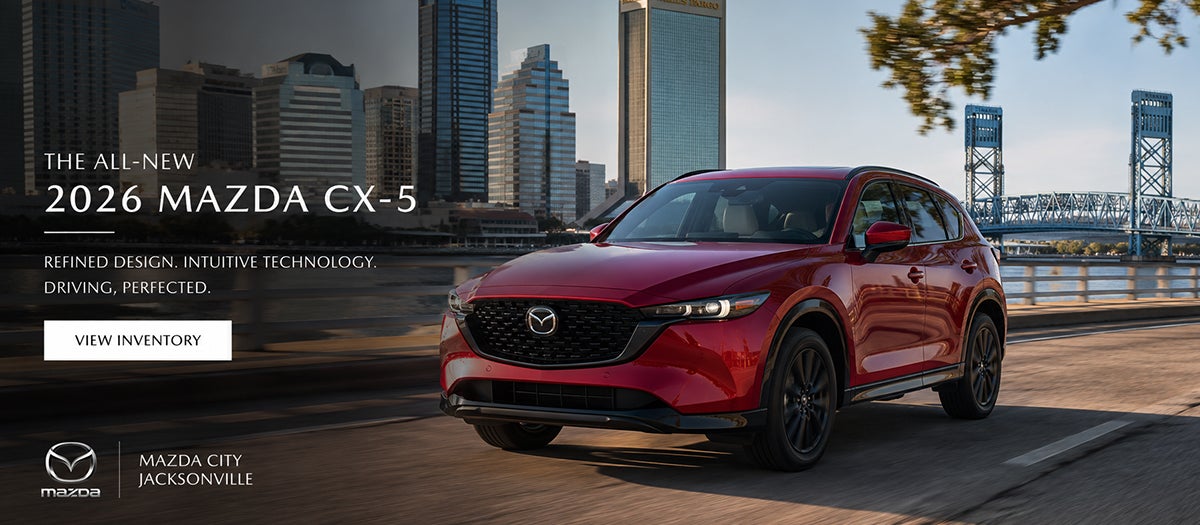
You've got the cash to buy your next Mazda. Should you write the check — or put a smaller lump sum into a one-pay lease and keep the rest?
It comes down to three things: how long you keep cars, how far you drive, and how much you value liquidity. Here's the whole decision, at a glance.
Two paths, two kinds of driver
When you keep cars for years
- You drive high mileage
- You want zero finance charges
- You want to own it outright
When you upgrade every 2–3 years
- Your miles fit under a cap
- You want your cash to stay liquid
- You prefer a lower Florida tax bill
What's a one-pay lease?
It's a normal lease you pay in one upfront payment instead of monthly. In return, the lender lowers the money factor — the lease's interest rate — so you pay less in finance charges.
You still pay for the part of the car you use up. You just skip the monthly payments, and the rent charge drops because the lender's risk drops.
- It's still a lease. You return the car at the end.
- Mileage caps and wear charges still apply. You don't build equity.
- Ask about a total loss first. Confirm in writing how unused, prepaid charges are refunded if the car is totaled or stolen — and that gap coverage is in place.
What does paying cash get you?
Ownership. You pay no finance charges, drive unlimited miles, keep the car as long as you want, and own whatever it's worth later — but you tie up the full price and absorb all the depreciation.
Cash is the cleanest deal there is — no money factor, no mileage cap, no lease-end inspection. The Mazda is yours the moment you sign.
- The upside: own it free and clear, drive it forever, keep the trade value.
- The trade-off: the full price sits in a car that loses value fastest in the early years.
And owning pays off over time. The average vehicle on U.S. roads is now 12.8 years old (S&P Global Mobility). If you're a keep-it-a-decade driver, buying spreads that one payment across years with no finance cost at all.
Side by side
| Factor | One-Pay Lease | Pay Cash |
|---|---|---|
| Cash needed upfront | Lower — just the lease | Highest — full price + tax |
| Finance charges | Reduced; less than a monthly lease | None |
| Ownership / equity | No — you return it | Yes — it's yours |
| Mileage | Capped | Unlimited |
| Florida tax applies to | The lease payment | The full price |
| Best for | 2–3 year drivers | Long-term, high-mileage owners |
A quick example: the Mazda CX-5
A one-pay lease ties up far less cash than buying and trims finance charges versus a monthly lease. Cash costs the most upfront — but ends with you owning the CX-5.
Here's the math on our most-shopped SUV, the Mazda CX-5 . Figures are round and illustrative — not an offer.
Out the door, plus tax on the full price. You own it.
One payment. Roughly $18,000 of your cash stays in your pocket.
A few hundred to $1,000+ off the finance charges on the same lease.
So the real question: own a $32,000 CX-5 outright, or drive the same one for three years, keep about $18,000 liquid, and pay tax only on the lease? Keep it a decade — buy. Want a fresh CX-5 every few years — one-pay lease.
The Florida tax angle
In Florida, you're taxed on the lease — not the full car.
The Florida Department of Revenue charges the 6% state tax plus the Duval County surtax on your lease payments. Buy with cash and you're taxed on the whole price.
On that $32,000 CX-5, cash is taxed on all $32,000. A one-pay lease is taxed only on the smaller lease amount. Over many back-to-back leases the taxes add up — but on a single deal, the lease base is smaller. Rates change, so confirm the current numbers with us.
Which should you pick?
For the long haul
- You keep cars 7–10+ years
- You drive a lot of miles
- You want full ownership, no finance cost
For flexibility
- You want a new Mazda every few years
- Your mileage fits a cap
- You'd rather keep your cash liquid
At Mazda City, we see it split both ways — the owner who keeps a CX-5 past 150,000 miles, and the driver who one-pay leases a new one every three years. The right answer matches how you drive and spend.
See both, side by side
Tell us how long you keep cars and how far you drive. We'll line up one-pay lease vs. cash on the exact Mazda you want — no pressure, just the math. Serving Jacksonville, Orange Park, Fleming Island, Ponte Vedra, St. Augustine & Nassau County.
FAQs
Is a one-pay lease cheaper than a monthly lease?
Usually, on finance charges. Paying in one upfront payment lowers the money factor, so you pay less in rent charges than you would across monthly payments on the same lease. You trade away the monthly cash flow, but the total cost of the lease typically drops.
Do you own the car after a one-pay lease?
No. A one-pay lease is still a lease — you return the car at the end, and mileage and wear-and-tear rules apply. To own it, you buy it outright, finance it, or use the lease-end purchase option if your contract has one.
What happens to a one-pay lease if the car is totaled?
Ask this before you sign. In a total loss or theft, insurance and gap protection cover the vehicle's value, and many one-pay leases refund unused, prepaid lease charges. Terms vary, so confirm in writing how a total loss and early termination are handled, and make sure gap coverage is in place.
How is sales tax handled on a lease in Florida?
Florida taxes your lease charges, not the full vehicle price — the 6% state rate plus the applicable county surtax, charged on the lease. Buy outright and you're taxed on the entire price. For a one-pay lease, the tax applies to that single payment. Rates change, so confirm current figures with the dealer or a tax advisor.
Cash or lease if I keep cars a long time?
If you keep vehicles many years and drive high mileage, cash is usually the lower total cost — no finance charges, no mileage caps, and you own it as long as you want. With the average U.S. vehicle now past 12 years old, long-term ownership is where buying wins.
Can I do a one-pay lease on a CX-5 at Mazda City?
Yes — it depends on current Mazda lease programs, but our team can structure a one-pay lease on a CX-5 and show it next to a cash purchase and a monthly lease so you can compare total cost. Contact Mazda City in Orange Park to run your numbers.
For general education only — not financial, tax, or legal advice. Examples are illustrative and not an offer. Lease programs, tax rates, and county surtaxes change; confirm current details with Mazda City and, where appropriate, a licensed tax professional.