Blog / Jacksonville Mazda Dealer

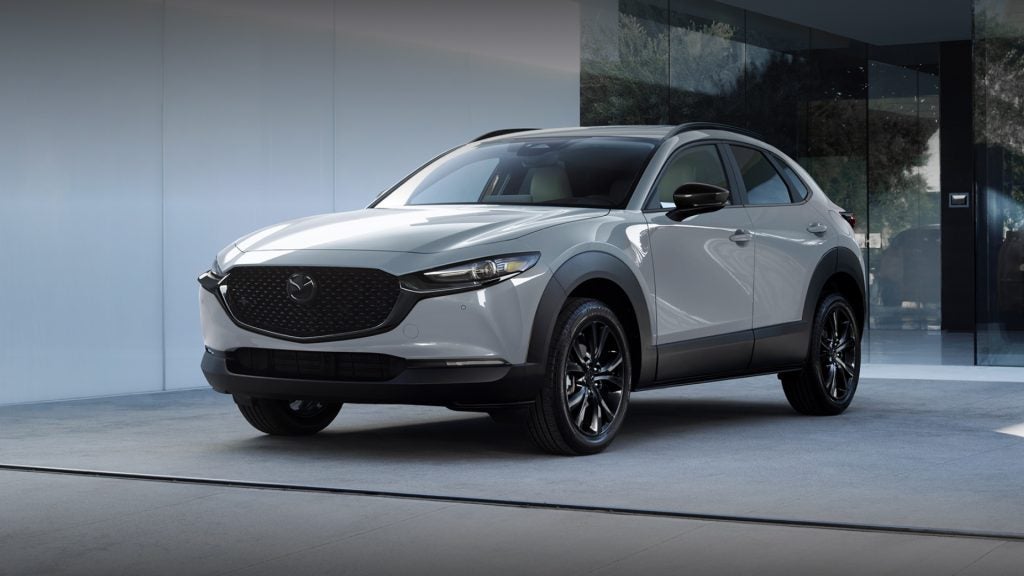
2026 Mazda CX-30: A Standout Choice for Jacksonville’s Everyday Drivers

For many drivers in Jacksonville and Orange Park, the daily drive includes a mix of stop and go traffic, highway merging, tight parking areas, and longer stretches of open road. Choosing a compact crossover is often about finding something that fits all of those conditions without feeling compromised in any one area.


Many shoppers ask if the Mazda CX-30 is a good vehicle for daily driving. The answer comes down to how well its design supports real world use. The 2026 Mazda CX-30 is engineered to balance maneuverability, comfort, efficiency, and control in a way that feels natural over time. Rather than focusing on one standout feature, it delivers a consistent experience across the systems drivers rely on every day.

Compact Size That Improves Maneuverability and Visibility

Drivers researching compact crossovers often want to understand how vehicle size affects everyday usability. The 2026 Mazda CX-30 size is designed to provide the benefits of an SUV without the challenges of a larger footprint.

The CX-30’s dimensions influence how it behaves in city environments. A smaller turning radius allows for easier navigation in tight streets and parking areas. The overall width and length make it easier to position within lanes and parking spaces.

Visibility is also a direct result of design choices. The driving position in the Mazda CX-30 is elevated compared to a sedan, giving drivers a clearer view of traffic conditions ahead. At the same time, the vehicle maintains proportions that make it easier to judge distances when parking or maneuvering in crowded areas.

For Jacksonville drivers navigating urban areas and shopping centers, this balance of size and visibility reduces stress during everyday driving tasks.

Seating Design and Comfort Over Longer Drives

Many shoppers ask how comfortable the Mazda CX-30 is for commuting and longer trips. Comfort is not just about soft materials. It is determined by how the seat supports the body and maintains posture over time.

The 2026 Mazda CX-30 seating design focuses on spinal alignment and natural body positioning. The seat structure supports the pelvis and lower back in a way that reduces strain during extended driving. This helps maintain a consistent driving posture without requiring constant adjustment.

The relationship between the seat, steering wheel, and pedals also plays a role. In the Mazda CX-30, these elements are positioned to allow smooth, natural movement. Drivers can apply throttle and braking inputs without overextending or shifting their posture.

For daily commuters in the Jacksonville area, this translates into reduced fatigue during longer drives and a more relaxed experience in traffic.

Driver Assistance Systems in Real Commuting Conditions

Shoppers often see lists of safety features but want to understand how they function during everyday driving. The 2026 Mazda CX-30 safety systems are designed to assist drivers in common commuting scenarios rather than operate independently.

Adaptive cruise control in the Mazda CX-30 automatically adjusts speed to maintain distance from the vehicle ahead. In stop and go traffic, the system can slow the vehicle and return to speed when traffic begins moving again.

Lane keeping assist monitors road markings and provides subtle steering input to help the driver stay centered within the lane. This becomes especially useful during longer highway drives where small corrections can add up over time.

Automatic emergency braking uses sensors to detect potential collisions and applies braking if the driver does not respond in time. This adds an additional layer of protection in unpredictable traffic situations.

Together, these systems support the driver without removing control. For Jacksonville drivers dealing with varying traffic conditions, they reduce workload while maintaining awareness.

Fuel Efficiency in Real World Driving Conditions

Drivers frequently ask whether the Mazda CX-30 is fuel efficient for daily use. Fuel efficiency is influenced not only by engine design but also by driving conditions and habits.

The 2026 Mazda CX-30 engine is designed to deliver consistent efficiency across a range of driving scenarios. In steady highway driving, the engine operates at lower loads, which improves fuel economy. In city driving, where frequent acceleration and braking occur, efficiency depends more on how smoothly the vehicle is driven.

Several factors influence real world fuel usage:

  • Stop and go traffic increases fuel consumption due to repeated acceleration
  • Gradual throttle input helps maintain more efficient engine operation
  • Consistent speeds reduce unnecessary fuel demand
  • Vehicle weight and cargo load can affect efficiency during acceleration

For drivers in Jacksonville, where traffic patterns can shift throughout the day, understanding these factors helps set realistic expectations for fuel usage.

Driving Dynamics Compared to Other Compact Crossovers

Many buyers comparing compact crossovers want to understand how the Mazda CX-30 feels on the road compared to competitors. While many vehicles in this segment focus on practicality, the Mazda CX-30 driving dynamics emphasize responsiveness and control.

The Mazda CX-30 steering system is calibrated to provide consistent feedback, allowing drivers to make precise adjustments without overcorrecting. The suspension system is tuned to maintain stability through turns while still absorbing road imperfections.

Compared to other compact crossovers, this results in a driving experience that feels more connected. Instead of isolating the driver from the road, the CX-30 maintains a level of feedback that helps drivers stay engaged and aware of vehicle behavior.

For everyday driving, this translates into smoother transitions, more predictable handling, and a greater sense of control during lane changes and cornering.

What to Evaluate When Choosing a Daily Driver

Understanding how the Mazda CX-30 performs in daily conditions helps clarify what drivers should look for when comparing vehicles. Rather than focusing only on specifications, it is important to evaluate how the vehicle responds to real world use.

Drivers should pay attention to:

  • How easily the vehicle maneuvers in tight spaces
  • Whether the seating position remains comfortable over time
  • How driver assistance systems behave in traffic
  • How fuel efficiency changes based on driving habits
  • Whether the vehicle feels stable and predictable in motion

The 2026 Mazda CX-30 stands out by delivering consistency across these areas. It is not designed around a single strength, but around how each system contributes to a smoother, more confident daily drive.

For Jacksonville and Orange Park drivers, that consistency is what turns a routine commute into a more controlled and comfortable experience.


Posted in:

Related Posts

Mazda Financing With Limited Credit History Preparation

Mazda financing with limited credit history starts with accurate application details, supporting records, and a realistic vehicle price range. However, a lender controls each decision and every final contract term. A short credit file does not carry the same meaning as missed payments within an established file. Therefore, clear records give the review a complete starting point. Customers should prepare before selecting a specific Mazda. First, review income, housing costs, current debts, and available cash. Next, choose a price range that leaves room for insurance, registration, fuel, maintenance, and repairs. Then, gather the records requested for the application. How Mazda Financing Starts With Current Information Does limited credit history prevent someone from applying? No, a customer may still submit an application for review. However, submission does not promise approval, a rate, a payment, or a term. Limited credit history means the file contains little borrowing activity. By contrast, an established file records prior accounts and payment history. A recent job change, new address, or income shift adds another detail for review. For this reason, every application entry should match current records. Use the legal name shown on identification. Additionally, list the current address, employer, income, and housing payment accurately. Estimates or missing details may delay the review. more A lender may review the application, credit records, income, debts, requested amount, and selected vehicle. Still, each lender follows its own review process. Mazda City staff can explain the next requested step after a response arrives. Furthermore, customers should ask which credit inquiry applies before submitting information. A prequalification and a formal application are separate steps. Neither replaces the final contract review. Documents to Prepare Before Applying Which documents should a customer prepare? The exact request varies by application and lender. However, organized records make it easier to provide accurate details when requested. Start with current identification and address records. In addition, gather recent income and employment records. Self employed customers may receive a different document request than salaried employees. Common preparation items include: A current government issued identification card and proof of residence. Recent pay records, employment details, or other requested income records. Insurance details, trade information, and cosigner records when those items apply. Bring complete records instead of screenshots with missing names or dates. Furthermore, verify that account and employment information matches the application. Any recent change should be explained accurately. Customers with variable income should gather records that show the current pattern. Similarly, a recent job change may require updated employer details. Mazda City can state which records belong with the submitted application. Personal information deserves careful handling. Therefore, use Mazda City’s designated application path or another verified secure channel. Do not send sensitive records through an unconfirmed address or message thread. Down Payment and Vehicle Price Planning How does a down payment shape the request? Money paid upfront reduces the amount requested for the vehicle transaction. However, it does not promise approval or specific contract terms. Start with the full vehicle price, taxes, registration, fees, and selected products. Then, subtract approved trade equity and cash paid upfront. The resulting figure forms part of the requested amount. A larger upfront payment may lower the requested balance. Still, customers should keep enough savings for insurance, maintenance, registration, and unexpected repairs. Emptying every reserve before delivery may strain the household budget. Furthermore, avoid choosing a vehicle from the monthly figure alone. A payment reflects the amount financed, annual percentage rate, term length, and other contract details. Therefore, two similar payments may carry different total costs. Before selecting inventory, set a total price range and an upfront cash limit. Next, compare new, used, and Mazda Certified Pre Owned choices inside that range. This approach keeps the vehicle search tied to the full transaction. A trade also needs a separate review. Positive trade equity may reduce the requested amount. By contrast, an unpaid balance above the trade value may enter the new transaction. The written figures should show how each amount moves through the contract. Cosigners and Prequalification Questions Should a customer use a cosigner or seek prequalification? Each path serves a different purpose and requires careful review. A cosigner accepts legal responsibility under the signed contract. Therefore, missed payments may appear within both credit files. Both people should read the payment duties, ownership details, and contract terms before signing. Ask these questions before adding a cosigner: Who holds ownership rights and whose name appears on the title? Which records must each person provide during the application? How will late or missed payments be reported under the contract? Prequalification provides an early review based on submitted information. However, it does not replace final approval or the signed contract. Customers should ask whether the step includes a credit inquiry and what type applies. Mazda Financial Services states that an online application receives a credit decision after review. In some files, Mazda Financial Services and the dealer need more time. Therefore, timing may vary after submission. An online preapproval certificate also remains tied to the selected dealer and submitted application. Furthermore, final vehicle details and contract documents still require review. Customers should read every number before accepting the transaction. New Used and Mazda Certified Pre Owned Finance Steps Can customers seek financing for new, used, or Mazda Certified Pre Owned inventory? Mazda City provides inventory and application paths for all three categories. However, the selected vehicle and application details remain part of the review. First, choose a realistic price range. Next, compare vehicles that meet transportation, passenger, cargo, and ownership needs. Then, note the stock number, model year, mileage, and listed price before applying. After submission, watch for requests for documents or corrected information. Respond through the verified channel and keep copies of submitted records. Additionally, ask for written figures tied to the exact vehicle under review. Before signing, review the amount financed, annual percentage rate, finance charge, term, payment schedule, and total of payments. Also review taxes, fees, optional products, trade figures, and cash paid upfront. Program pages require separate review. Mazda City maintains First Time Owners and College Graduate resources with stated eligibility rules. Current offers also carry dates, vehicle limits, and qualification terms. Therefore, never assume that a program applies from a page title alone. Ask Mazda City to confirm current eligibility and required records. The finance page and online application provide the next process steps. Mazda financing with limited credit history works best when the application starts with complete, accurate information. Careful preparation supports a clearer review and a more informed contract discussion. The lender still controls the response, while the customer controls preparation and final acceptance.

Mazda CX-90 vs Kia Telluride Space and Daily Family Use

Mazda CX-90 vs Kia Telluride research starts with passenger space, cargo room, engines, and daily family travel. Additionally, the 2026 Mazda CX-90 meets the redesigned 2027 Kia Telluride in this comparison. Moreover, both provide three rows and seating for seven or eight people. However, each SUV takes a different path toward family travel. The CX-90 places the driver near a long hood and a rear focused all wheel drive layout. By contrast, the Telluride uses a wider cabin with more room behind the third row. Therefore, the right match starts with passenger count, luggage needs, charging access, and preferred road feel. Mazda CX-90 vs Kia Telluride Family Fit Which SUV fits your family routine? The answer begins with how many seats stay occupied during a normal week. The CX-90 offers seven or eight seats across its trim range. Additionally, some versions use a second row bench, while others use two captain’s chairs. Moreover, certain upper trims use a two seat third row instead of a three seat rear bench. By contrast, the Telluride also offers seven or eight seats. Its second row may use a bench or captain’s chairs based on trim. Therefore, the badge alone does not confirm the final seating plan. more For this reason, a family with three children may prefer an eight seat layout for an extra seating position. However, captain’s chairs create a clear passage between the second row seats. That passage may simplify third row entry when both outer second row seats hold child restraints. Beyond that, daily routines reveal the larger distinction. The CX-90 centers its cabin around the person behind the wheel. By contrast, the Telluride places more width and storage around the passenger area. Neither layout answers every family need. Third Row Access and Passenger Space Which SUV provides easier third row access? Seat layout, passenger size, and child seat placement shape the answer. Additionally, captain’s chairs create a center aisle in both SUVs. Therefore, a child or smaller adult may reach the third row without folding a second row seat. A bench adds one passenger position, though rear entry may require sliding or tilting part of that seat. The CX-90 has a narrower body than the Telluride. Its cabin feels close and connected from the front seats. However, the third row may suit children or shorter trips more readily than frequent adult travel. By contrast, the Telluride uses its wider body to provide more shoulder room across the cabin. Its third row also gives passengers more space to settle in. Therefore, families carrying six or more people on longer trips should sit in every row before choosing. Furthermore, child restraints need a separate check. A forward facing seat may limit how far a second row section can tilt. A rear facing seat may also use more space behind the front passenger. Bring the family’s current seats during a test drive and install them as permitted. In addition, check how easily children can buckle themselves. Door opening size, step height, aisle width, and seat movement can matter during school pickup. Those details may carry more weight than a single legroom figure. Cargo Space With Every Row in Use Which SUV carries more luggage with the third row raised? The Telluride provides the larger rear cargo area. Mazda lists up to 15.9 cubic feet behind the CX-90 third row. The exact figure changes with the rear seat configuration. With both rear rows folded, Mazda lists up to 75.2 cubic feet. By contrast, Kia lists 22.3 cubic feet behind the Telluride third row. Therefore, it provides about six more cubic feet before any passenger seat folds. That difference may hold extra grocery bags, sports gear, or several soft travel bags. However, maximum cargo numbers can hide the family decision. A family using all three rows cannot use the space created by folding them. For this reason, compare the cargo area with every required seat upright. Additionally, inspect the shape of the floor and liftgate opening. A wide square area may accept strollers or coolers more easily than a longer narrow area. Underfloor storage may hold charging cables, emergency items, or smaller gear. Even so, the CX-90 may still fit a family that uses the third row on selected trips. Folding one side of the rear seat can create more luggage room while retaining another rear position. By contrast, the Telluride gives larger families more cargo room before changing the seat layout. Powertrain Choices and Road Feel How do the powertrains differ? Mazda offers two Inline 6 outputs and a plug in hybrid, while Kia offers gas and hybrid versions. The CX-90 3.3 Turbo produces 280 horsepower. Turbo S trims reach 340 horsepower with the recommended premium fuel. Both pair with an eight speed automatic transmission and standard i-Activ all wheel drive. Additionally, Mazda offers the CX-90 PHEV. It combines a 2.5 liter engine, an electric motor, and a rechargeable battery. Mazda lists 323 horsepower with recommended premium fuel and up to 26 miles of electric range. For this reason, home charging shapes how the PHEV fits a routine. A charged battery may cover school runs or nearby errands with more electric travel. After that charge falls, the gasoline engine supports longer trips. By contrast, the 2027 Telluride gas model uses a turbocharged 2.5 liter engine. Kia lists 274 horsepower and 311 pound feet of torque. Front wheel drive and all wheel drive choices vary by trim. Additionally, the Telluride Hybrid uses a turbo hybrid setup with 329 horsepower and 339 pound feet of torque. Kia lists up to 35 miles per gallon combined on the EX front wheel drive trim. Beyond that, road feel separates the SUVs further. The CX-90 places more attention on steering response and the driver’s connection with the road. The Telluride places more attention on cabin room, visible controls, and relaxed passenger travel. Therefore, test both SUVs on familiar roads. Include parking, highway entry, tight turns, and rough pavement. A full family test drive can reveal more than output numbers alone. Which Three Row SUV Fits Your Family The Mazda CX-90 may fit families that value standard all wheel drive, several powertrain choices, and direct steering response. Its PHEV also adds a charging option for shorter trips. By contrast, the Kia Telluride may fit families that place more weight on third row room and cargo space. Its wider cabin and larger area behind row three support frequent travel with every seat occupied. With that in mind, before choosing, confirm the exact seating layout, trim, drivetrain, and powertrain. Additionally, load the child seats, stroller, sports bags, or travel gear used each week. This step shows whether the cabin works with real family items. Therefore, Mazda City specialists can review available CX-90 trims and seating layouts. A current inventory review can narrow the choices before a test drive. The final decision should reflect the people, cargo, roads, and trips your family knows best.

Mazda Towing Capacity by Model and Required Equipment

Mazda towing capacity by model ranges from 2,000 to 5,000 pounds across current supported configurations. Yet the highest number does not apply to every trim or powertrain. Trailer weight, passengers, cargo, hitch hardware, and factory limits all shape the final match. Therefore, shoppers should verify the exact vehicle before connecting any trailer. Mazda Towing Capacity by Current Model Which current Mazda models carry published tow ratings? In addition, current Mazda information lists supported ratings for the CX-50, CX-70, and CX-90. Therefore, each model serves a different mix of trailer weight, seating, cargo space, and powertrain choice. For this reason, the CX-50 2.5 S reaches 2,000 pounds with a Genuine Mazda Tow Hitch. By contrast, CX-50 2.5 Turbo models reach 3,500 pounds when Towing Mode is active. That rating also requires the approved hitch setup. Beyond that, the CX-70 Inline 6 starts at 3,500 pounds on selected configurations. Higher Inline 6 trims reach 5,000 pounds with Towing Mode and Genuine Mazda towing parts. However, the CX-70 PHEV remains rated at 3,500 pounds when properly equipped. more Similarly, the CX-90 follows a similar range. Inline 6 trims carry either a 3,500 or 5,000 pound rating. The CX-90 PHEV carries a 3,500 pound rating with the correct tow hitch. Mazda towing capacity by model should always match the vehicle identification number, trim, powertrain, and installed parts. Consequently, a dealership can confirm those details before a shopper selects a trailer or vehicle. How CX-50 Configurations Change Towing Limits Can every Mazda CX-50 tow 3,500 pounds? No. The 3,500 pound figure belongs to Turbo models using Towing Mode with approved towing hardware. The CX-50 2.5 S supports up to 2,000 pounds with the required Mazda hitch. Still, that range may suit a light utility trailer, personal watercraft trailer, or compact camping setup. Still, the trailer must remain under the limit after supplies and equipment are loaded. By contrast, CX-50 Turbo models raise the published maximum to 3,500 pounds. Towing Mode changes powertrain and vehicle control responses for trailer operation. However, selecting that mode cannot raise the rating of an unsupported configuration. Mazda towing capacity by model also changes after passengers and cargo enter the calculation. Mazda states that listed maximums must account for passenger, cargo, hitch, and optional equipment weight. Therefore, a trailer with a 3,500 pound loaded weight leaves no reserve under a 3,500 pound ceiling. With that in mind, verify these CX-50 details: Confirm whether the vehicle uses the 2.5 S or 2.5 Turbo powertrain. Confirm that the approved hitch and related wiring are installed. Check the owner’s manual for the exact trailer and load limits. After those checks, shoppers can review current CX-50 inventory that matches the required powertrain and towing setup. CX-70 and CX-90 Towing Choices Should a shopper choose the CX-70 or CX-90 for towing? Both Inline 6 models can reach 5,000 pounds on select trims. Seating layout and exact configuration separate their roles. For this reason, the CX-70 has two rows and space behind the second row for travel gear. Its entry Inline 6 configuration carries a 3,500 pound rating. Higher Inline 6 trims can reach 5,000 pounds with Towing Mode and approved Mazda hardware. By contrast, the CX-70 PHEV carries a 3,500 pound rating. Therefore, shoppers should not transfer the 5,000 pound Inline 6 figure to the plug in hybrid. Powertrain choice must stay tied to the published rating. The CX-90 adds a third row for larger families or travel groups. Inline 6 ratings range from 3,500 to 5,000 pounds by trim. In addition, the CX-90 PHEV carries a 3,500 pound rating with the proper hitch. Mazda towing capacity by model cannot answer the seating question alone. A two row CX-70 may leave more cabin room for gear. A three row CX-90 can carry more passengers, though those passengers add weight to the vehicle. Consequently, the trailer calculation must include everyone and everything carried inside the Mazda. Shoppers can then compare current CX-70 and CX-90 inventory by trim, powertrain, seating, and installed towing parts. Trailer Weight and Equipment Terms to Verify What does properly equipped mean for Mazda towing? It means the exact trim, powertrain, hitch, wiring, drive mode, and load must meet Mazda’s published instructions. A hitch alone cannot raise the approved rating. Additionally, trailer listings may show dry weight or unloaded vehicle weight. That number excludes some cargo, water, batteries, propane, tools, and installed accessories. Therefore, shoppers should compare Mazda limits with the trailer’s loaded weight. Furthermore, tongue weight is the downward force placed on the hitch. Mazda owner information calls for proper trailer load distribution. The CX-70 manual lists tongue weight at 10 to 15 percent of trailer weight. In addition, gross vehicle weight covers the Mazda, passengers, cargo, accessories, and hitch load. Gross combined weight covers the loaded Mazda and loaded trailer together. Both values must remain within the limits listed for the exact vehicle. Before towing, verify each point: Use the owner’s manual and vehicle labels for the exact configuration. Confirm loaded trailer weight and tongue weight with reliable measurements. Check hitch, wiring, safety chains, tires, brakes, and trailer brake rules. Additionally, leave room below the published ceiling for added gear and trip changes. A maximum rating is a limit, not a planning target. Which Mazda Fits Your Towing Need Mazda towing capacity by model provides a starting point for matching a trailer. The final choice should also account for seating, cargo, powertrain, and approved towing parts. For this reason, a CX-50 2.5 S may suit lighter trailers below its 2,000 pound limit. The Turbo version raises the ceiling to 3,500 pounds when correctly equipped. Therefore, shoppers should select the powertrain before reviewing compatible trailers. By contrast, a CX-70 may suit drivers seeking two rows and a rating up to 5,000 pounds. The exact Inline 6 trim must support that figure. The PHEV remains a separate 3,500 pound choice. Additionally, a CX-90 may suit families needing three rows while towing. Select Inline 6 trims reach 5,000 pounds. However, other Inline 6 trims and the PHEV carry 3,500 pound ratings. With that in mind, bring the trailer specifications, estimated cargo weight, passenger count, and planned accessories. Mazda City can then verify the matching trim and installed hardware. That final check connects Mazda towing capacity by model with the exact vehicle a shopper plans to drive.