Blog / Jacksonville Mazda Dealer

Blog

All Jacksonville Mazda Dealer Mazda City of Orange Park Jacksonville Mazda Service Mazda City of Orange Park Service Things To Do In Jacksonville Jacksonville Amenities Jacksonville Entertainment Jacksonville Used Cars Jacksonville Eateries Tom Bush Family of Dealerships Jacksonville Restaurants Jacksonville Parks Orange Park Florida Mazda Dealer Jacksonville Landmarks Mazda City of Orange Park Collision Center Mazda SUVs Collision Center in Jacksonville Jacksonville Art Jacksonville Fitness Orange Park Florida Mazda Service Holidays in Jacksonville Orange Park Mazda Service Shopping in Jacksonville Weekend Getaways Auto Insurance Family Fun in Jacksonville Jacksonville Thrifting Road Trips Small Town Fun Things To Do Near Jacksonville
Mazda Connect infotainment system features and smart technology

Mazda Connect Infotainment Guide: Exploring Smart Technology Across the 2026 Mazda Lineup

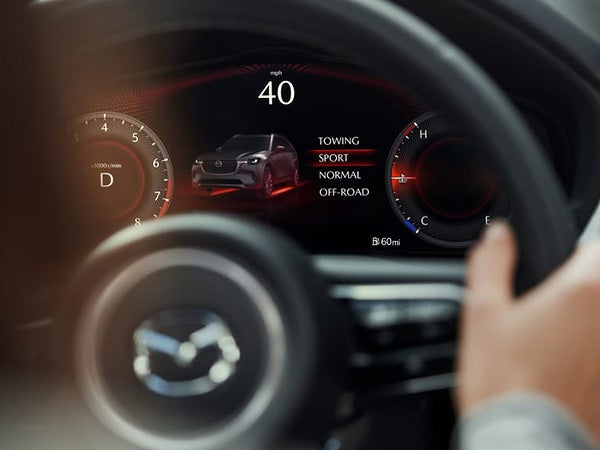
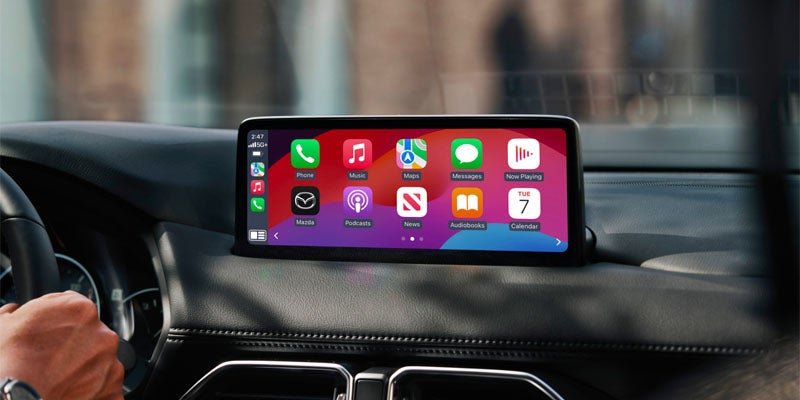
If you have been looking for your next vehicle in Jacksonville and want to understand how Mazda's technology stacks up, this Mazda Connect Infotainment Guide is a great place to start. Mazda's 2026 lineup spans crossovers, sedans, hatchbacks, and sports cars - and across all of them, connected technology plays a central role in the driving experience. What Is Mazda Connect? Mazda Connect is the brand's integrated infotainment system, specifically engineered to keep drivers engaged with the road rather than distracted by touchscreens. Operating through a high-definition center display - ranging from an 8.8-in screen in core models to a 10.25-in or 12.3-in widescreen display in higher trims - the system is operated primarily via the ergonomic Multi-Function Commander control dial located naturally at your fingertips on the center console. While stationary, select 10.25-in and 12.3-in displays enable touchscreen functionality specifically for Apple CarPlay® and Android Auto™ smartphone integration. The architecture allows you to manage audio streaming, integrated navigation, hands-free phone functions, and vehicle diagnostic settings without reaching across the cabin or taking your eyes off the road. Mazda Connect Across the 2026 Crossover Lineup The 2026 Mazda crossover lineup prominently features Mazda Connect with hardware scaled to each vehicle's footprint. The agile CX-30 and the well-rounded CX-5 feature a standard 8.8-in display, with higher trims offering an upgraded 10.25-in screen, wireless Apple CarPlay® and Android Auto™, and available Alexa Built-in voice commands. The rugged CX-50 and CX-50 Hybrid offer identical high-resolution display options and available wireless charging pads. Moving up to the larger two-row CX-70 and three-row CX-90—including their plug-in hybrid variants like the CX-70 PHEV and the CX-90 PHEV —Mazda Connect centers around a standard or available 12.3-in full-color display paired with an available 12.3-in fully digital instrument cluster, a windshield-projected Active Driving Display, and a available Bose® 12-speaker premium audio system. Infotainment Technology in Mazda Sedans and Sports Cars Mazda infotainment specs extend seamlessly into the sedan, hatchback, and sports car lineups. The 2026 Mazda3 Sedan and Mazda3 Hatchback come equipped with an 8.8-i n or available 10.25-in Mazda Connect display, bringing dual USB-C audio inputs, Bluetooth® hands-free streaming, and available Mazda Online Navigation into a driver-focused cabin. Even the legendary MX-5 Miata roadster incorporates Mazda Connect via a standard 8.8-in center display featuring integrated headrest speakers as part of its available 9-speaker Bose® sound system Safety and Technology Working Together One factor setting Mazda apart is how tightly its safety systems integrate with its connected infotainment interface. Recognized as the Safest New-Car Brand by Consumer Reports, Mazda's 2026 lineup holds more IIHS Top Safety Pick+ awards than any other manufacturer as of July 2026—earning top marks across the CX-5, CX-30, CX-50, CX-50 Hybrid, CX-70, CX-70 PHEV, CX-90, CX-90 PHEV, Mazda3 Hatchback, and Mazda3 Sedan. Mazda Connect supports these safety credentials by displaying real-time i-Activsense ® alerts—such as Blind Spot Monitoring, 360° View Monitor camera feeds, and Lane Departure Warning—directly on the center screen or windshield projected head-up display. Explore Mazda Connect at Mazda City of Orange Park Beyond in-car hardware, Mazda Connect ties into the MyMazda smartphone app, providing complimentary Mazda Connected Services for three years. Through the app, owners can remotely start the engine, lock or unlock doors, check tire pressure and fuel levels, locate their vehicle, and schedule service directly on their phone. Drivers across Jacksonville, FL can experience the speed, clarity, and intuitive layout of the Mazda Connect system firsthand at Mazda City of Orange Park. Stop by the showroom to test drive your favorite 2026 Mazda and discover how seamless connected driving can be.
2026 Mazda CX-50 trim levels and features

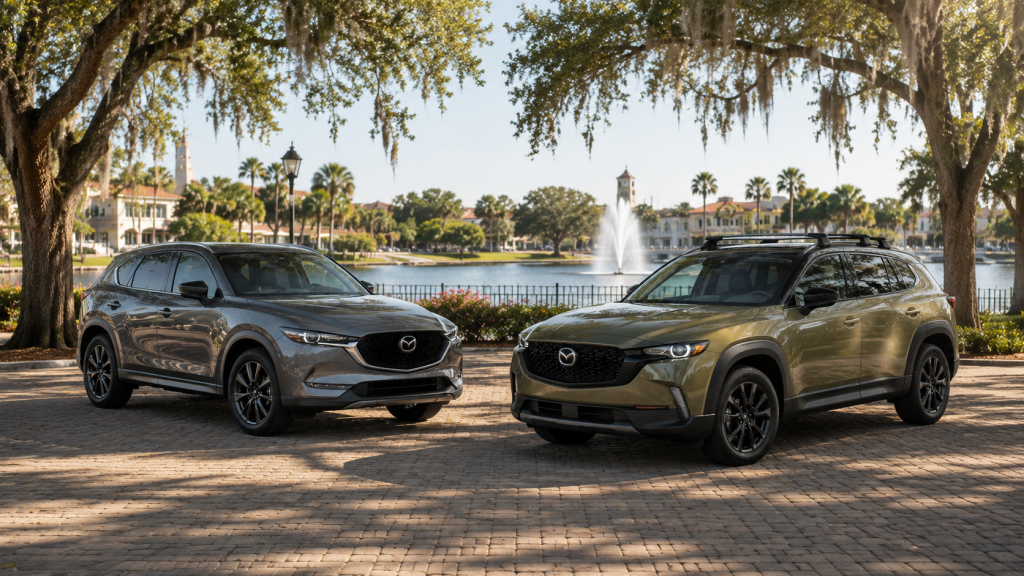
2026 Mazda CX-50 Trim Levels: Which One Is Right for You?

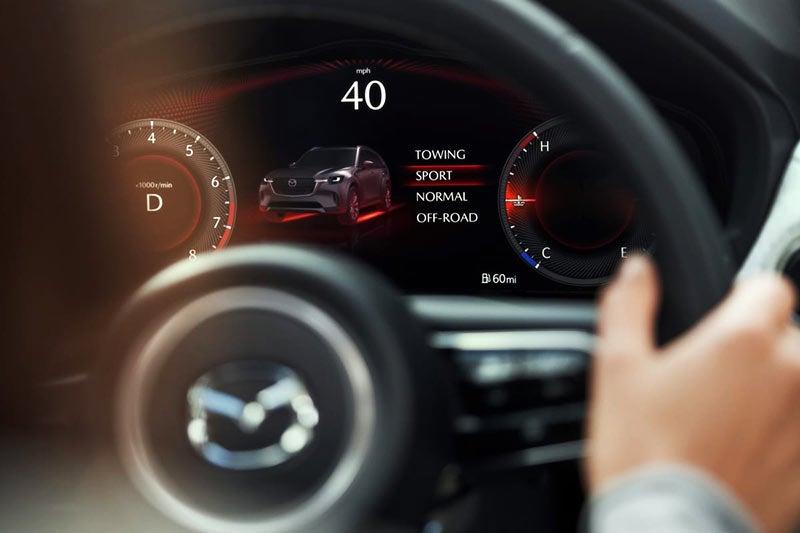
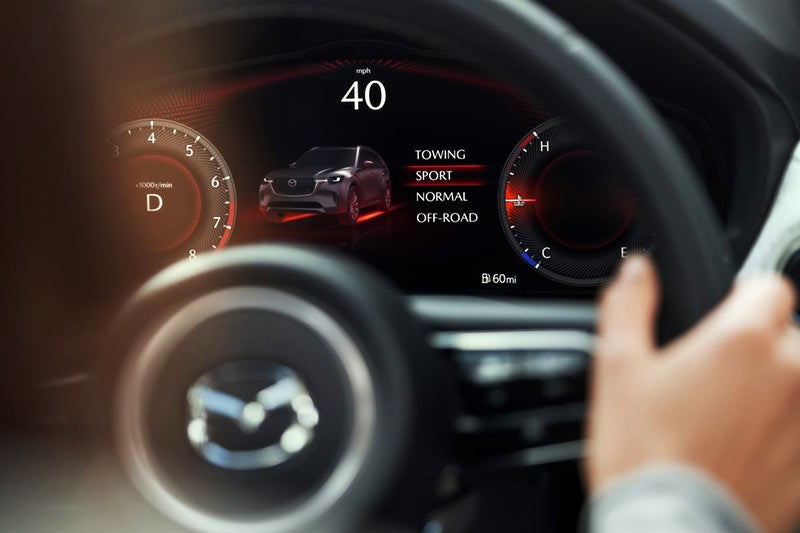
The 2026 Mazda CX-50 trim levels give shoppers a lot to work with - seven configurations ranging from a capable everyday crossover to a turbocharged adventure machine. So, if you're commuting through Jacksonville, FL or planning a weekend trail run, understanding what each trim brings to the table makes choosing a whole lot easier. Here's a clear breakdown of what's available and what sets each level apart. 2.5 S Select - The Starting Point Done Right The entry point to the CX-50 lineup is anything but basic. The 2.5 S Select is powered by the SKYACTIV-G 2.5 L four-cylinder engine producing 187 h p and 185 ft-lb of torque, and it comes with i -ACTIV AWD as standard equipment. It has a max towing capacity of 2,000 lbs. Connectivity is covered from day one, too. Wireless Apple CarPlay ® integration and Mazda Radar Cruise Control with Stop & Go both come standard, giving drivers a genuinely modern experience without having to step up to a higher trim. 2.5 S Preferred and Meridian Edition - Comfort and Character The 2.5 S Preferred adds practical upgrades that make a real difference in daily use. An 8-way power adjustable driver's seat, a rear power liftgate, and front and rear parking sensors are all included, making this trim a smart step up for anyone who values convenience. The 2.5 S Meridian Edition puts a sharper focus on style and comfort. It is equipped with 18-in aluminum alloy wheels, adds aluminum roof rails in a matching black finish, and brings heated front seats with three-level adjustment. It's the trim that blends outdoor character with everyday refinement. 2.5 S Premium - More Capability, More Comfort Stepping into the 2.5 S Premium brings two notable upgrades: 20-in aluminum alloy wheels and machine cut detailing, and ventilated front seats. The addition of a windshield wiper de-icer also makes this trim a practical pick for drivers who face varied weather conditions throughout the year. 2.5 Turbo and Turbo Meridian Edition - Serious Performance This is where the 2026 Mazda CX-50 gets a significant power boost. The SKYACTIV-G 2.5 engine with a twin-scroll turbocharger pushes output to 256 h p and 320 lb -ft of torque when using recommended premium fuel. Towing capacity also jumps to 3,500 lbs when Towing Mode is engaged - a mode exclusive to CX-50 turbo models. The 2.5 Turbo Meridian Edition builds on that performance with added comfort features including a heated steering wheel and the Mazda online navigation system. It also has 18-in aluminum alloy wheels with a Black Metallic finish and black lug nuts for a distinctive look. 2.5 Turbo Premium Plus - The Flagship CX-50 The top-of-the-line trim brings the most comprehensive safety and driver assistance technology in the lineup. Smart Brake Support with Turn-Across Traffic and Front Crossing detection, a 360-degree view monitor with See-through View, and Cruising and Traffic Support are all included. These features build on the i -ACTIVSENSE suite that has helped the CX-50 earn a 2026 IIHS TOP SAFETY PICK+ award and a 5-Star Overall Safety Rating from NHTSA. Don't Overlook the 2026 Mazda CX-50 Hybrid Trim Levels If efficiency is a priority, check out the 2026 Mazda CX-50 Hybrid trim levels. The hybrid powertrain delivers up to 219 h p total and an EPA-estimated 38 combined city/highway MPG, along with a total driving range of up to 551 miles. It features an on-demand e-AWD system and is available in three trims: Hybrid Preferred, Hybrid Premium, and Hybrid Premium Plus. A unique Red leather interior option is also available, setting it apart visually from the standard CX-50. Explore the 2026 Mazda CX-50 at Mazda City of Orange Park T he 2026 Mazda CX-50 trim levels offer something different at every step - from the AWD-standard Select to the turbocharged, tech-packed Turbo Premium Plus. Drivers near Jacksonville, FL looking to find the right fit can explore current inventory and build options at Mazda City of Orange Park, online at mazdacity.com. Stop in, go for a drive, and find the CX-50 that fits your life.

Mazda tire pressure and maintain proper PSI for safe driving

How to Check Your Mazda’s Tire Pressure

Knowing how to properly check your Mazda’s tire pressure is a simple thing you can do to make sure your vehicle is driving safely around Jacksonville, FL. P roperly inflated tires affect everything from handling and fuel efficiency to long-term tire wear. The good news is that the process takes just a few minutes and requires very little equipment. Mazda has earned recognition as Consumer Reports' Safest New-Car Brand, and that commitment to safety extends to the basics - including making sure your tires are road-ready every time you get behind the wheel. Why Tire Pressure is Important Tire pressure plays a direct role in how your Mazda performs day to day. Underinflated tires create more rolling resistance, which causes your gas milage to go down. Overinflated tires reduce the contact patch between the tread and the road, which can compromise grip and ride comfort. Mazda's entire 2026 lineup - from the CX-30 to the three-row CX-90 - has earned 2026 IIHS Top Safety Pick+ awards, which reflects how seriously the brand takes vehicle safety from top to bottom. What You'll Need Before You Start You don't need any special tools to check your tire pressure accurately. A basic digital or analog tire pressure gauge is sufficient and widely available. Many gas stations also have air pumps with built-in pressure gauges. Before you begin, make sure your tires are "cold," meaning the vehicle has been parked for at least three hours or driven fewer than one mile. Driving heats the air inside your tires and raises the pressure temporarily, which can give you an inaccurate reading. How to Check Your Mazda's Tire Pressure Step by Step Start by locating the recommended tire pressure for your specific model. You'll find this on the sticker inside the driver's door jamb - not on the tire sidewall, which shows the maximum pressure, not the recommended level. The door sticker is specific to your vehicle and trim. Once you have the target PSI, remove the valve cap from the tire stem, press your gauge firmly onto the valve stem, and read the pressure. If it's below the recommended level, add air in small increments and recheck. If it's too high, use the small pin on the back of most gauges to release air. Repeat this process for all four tires, and don't forget the spare if your Mazda has one. Using the Tire Pressure Monitoring System on Your Mazda Most current Mazd a s are equipped with a Tire Pressure Monitoring System, or TPMS, which alerts you when one or more tires drops significantly below the recommended pressure. This warning light - which looks like a cross-section of a tire with an exclamation point - will appear on your instrument cluster. It's important to know that the TPMS is a warning system, not a replacement for regular manual checks. The system only triggers when pressure drops notably low, so your tires could still be slightly underinflated without triggering the light. Checking manually once a month is still the best habit. Mazda Tire Pressure Tips for Jacksonville, FL Drivers When checking your tire pressure, also be aware of the outside temperature. Tire pressure drops roughly one PSI for every 10-degree Fahrenheit decrease in temperature, so a cool winter morning can affect your readings compared to a hot summer afternoon. Following consistent Mazda tire pressure tips - like checking monthly, always using a quality gauge, and referring to the door jamb sticker rather than the tire sidewall - will help your tires last longer and perform the way Mazda intended. Visit Mazda City of Orange Park online at mazdacity.com to schedule a tire inspection or ask our service team any questions about your vehicle's maintenance needs.

Mazda3 Trim Levels Sedan Hatchback and Features Guide

Trim Levels of the 2024 Mazda3 Hatchback

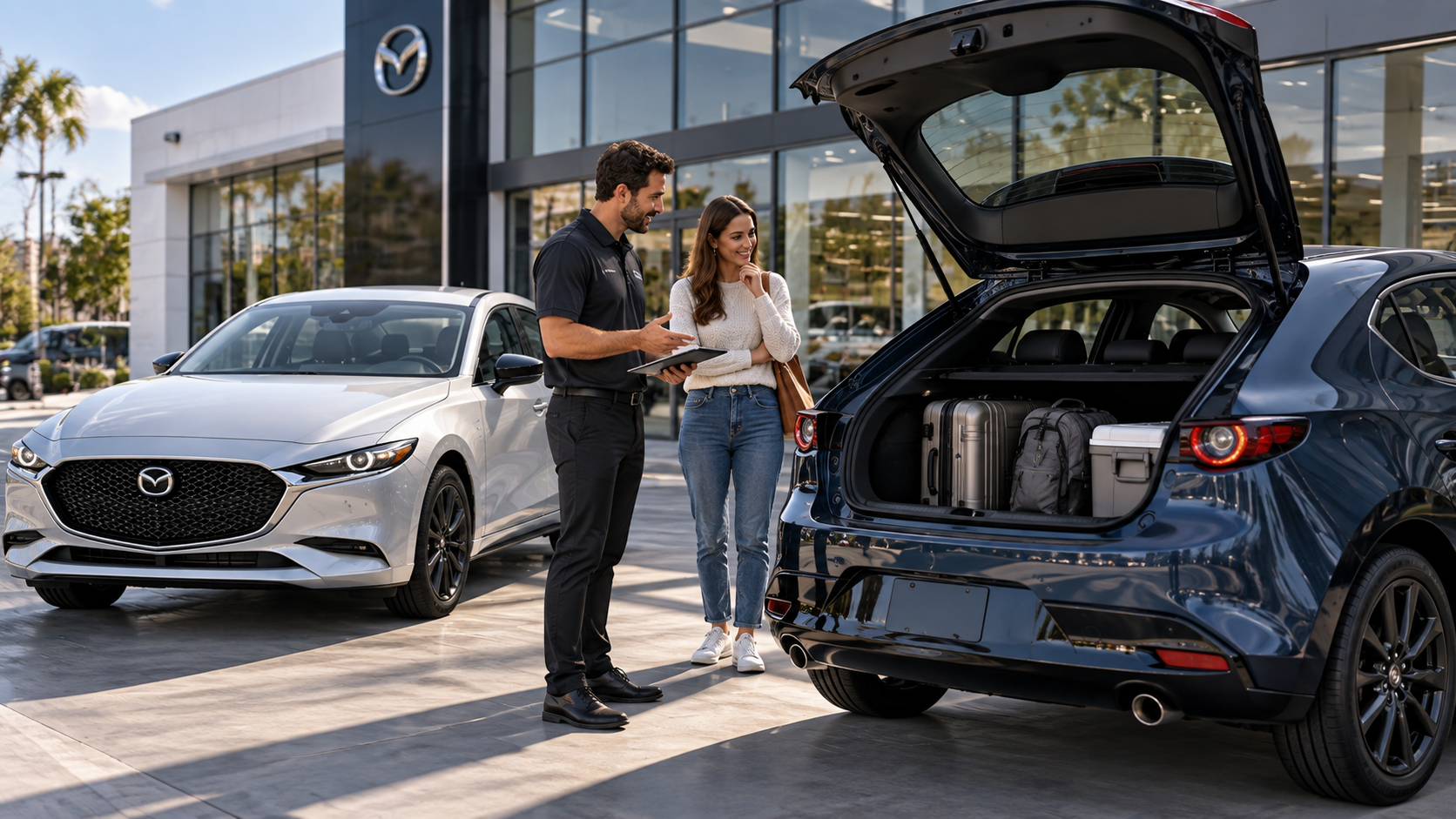
Mazda3 trim levels give you several clear paths once you have chosen the Mazda3. Next, decide between Sedan and Hatchback, then narrow the trim. For 2026, both body styles share much of the same core lineup. However, the Hatchback adds a manual transmission trim that the Sedan does not offer. Additionally, that body style choice changes cargo layout, trim count, and starting price. For this reason, it makes sense to choose the shape first. Then you can compare the equipment and drivetrain choices that matter most to you. Which Mazda3 Body Style Should You Choose? The Mazda3 Sedan and Mazda3 Hatchback share the same five passenger layout and 2.5 liter engine family. However, the rear cargo area creates the clearest difference. The Hatchback provides 20.1 cubic feet of cargo space and a large rear opening. The Sedan uses a traditional trunk and starts at a lower MSRP. Before you compare Mazda3 trim levels, decide how you expect to carry people and gear. For this reason, a driver who wants a separate trunk may prefer the Sedan. By contrast, someone who loads taller items may prefer the Hatchback. The Hatchback also becomes necessary if you want the current manual transmission trim. Use these points to narrow the body style first: The Sedan starts at a lower MSRP and keeps a traditional four door trunk layout. The Hatchback provides 20.1 cubic feet of rear cargo space and a wider loading opening. The Hatchback adds the 2.5 S Premium trim with a six speed manual transmission. Mazda City provides dedicated pages for the 2026 Mazda3 Sedan and 2026 Mazda3 Hatchback. Additionally, those pages make it easier to review the current body styles before moving into individual trims. Mazda3 2.5 S Through Preferred Build the Core Lineup The first three Mazda3 trim levels focus on cabin equipment. They keep the same 186 horsepower 2.5 liter four cylinder engine. The 2.5 S forms the starting point. Additionally, Select Sport adds several cabin and exterior upgrades. Moreover, Preferred adds another step in comfort and seating equipment. What changes as you move through these trims? The answer is mostly the equipment you touch and use every day. The engine remains the same. Therefore, the decision centers on seating material, climate controls, wheels, moonroof access, and front seat features. The core progression looks like this: The 2.5 S includes the 186 horsepower engine, smartphone integration, blind spot monitoring, and rear cross traffic alert. Select Sport adds leatherette trimmed seating, dual zone climate control, and 18 inch alloy wheels with a dark finish. Preferred adds heated front seats, a power sliding glass moonroof, and a power driver seat with memory. For shoppers comparing core trims, this is an important part of the Mazda3 decision. Therefore, you can add comfort equipment without moving directly into AWD or turbo power. That gives you room to match the cabin to your priorities before changing the mechanical setup. Which Mazda3 Trims Change the Powertrain? The Carbon Edition and Turbo Premium Plus are the trims that make the largest mechanical changes. Additionally, Carbon Edition brings standard i Activ AWD. Moreover, Turbo Premium Plus includes standard i Activ AWD, then adds the turbocharged 2.5 liter engine. The turbo engine can produce up to 250 horsepower and 320 pound feet of torque with recommended premium fuel. Therefore, Turbo Premium Plus is more than an equipment package. It changes how much power is available and pairs that output with AWD. By contrast, Carbon Edition takes a different path. It keeps the 186 horsepower engine but adds AWD, Polymetal Gray Metallic paint, and red leather trimmed seating. That makes it the key choice for someone who wants AWD without moving to the turbo engine. When comparing Mazda3 trim levels, ask whether you want a cabin upgrade or a drivetrain change. That question can narrow the list quickly. Preferred focuses on comfort equipment. Carbon Edition adds AWD. Turbo Premium Plus combines AWD with the highest engine output in the lineup. Mazda3 Hatchback Premium Is the Manual Choice Additionally, the 2.5 S Premium creates a separate path within the Mazda3 Hatchback lineup. It uses a six speed manual transmission and front wheel drive. The Sedan does not offer this trim for 2026. That difference matters if shifting your own gears is part of the reason you want a Mazda3. Moreover, the Hatchback Premium adds Bose audio with 12 speakers and leather trimmed seats. Therefore, choosing the manual does not mean staying at the entry level. For this reason, the manual transmission choice changes the order in which you should shop. Start with the Hatchback, then look for 2.5 S Premium inventory. If you want AWD instead, Carbon Edition or Turbo Premium Plus becomes the more relevant branch. You can review the 2026 Mazda3 Hatchback page for current trim details before checking local stock. That keeps the manual transmission choice separate from the Sedan lineup. Match the Trim to Current Mazda3 Inventory Once you know the body style and trim, the last step is checking what is currently available. Inventory can change. Therefore, a current listing shows the exact drivetrain, transmission, color, and cabin equipment on a specific car. Before you choose a vehicle, verify these details on the listing or window sticker: Confirm whether the car is a Sedan or Hatchback before comparing cargo layout and trim availability. Check the exact trim because Carbon Edition and Turbo Premium Plus bring different drivetrain and engine choices. Verify transmission, seating material, major cabin features, and exterior color on the exact vehicle you plan to see. Mazda City shoppers can browse current new Mazda inventory for 2026 Mazda3 availability. Additionally, you can review used inventory if an earlier Mazda3 model year fits your plan. Mazda3 trim levels are easier to sort once the decision is broken into a few clear steps. Therefore, choose Sedan or Hatchback first. Additionally, compare the core trims, AWD choices, turbo power, and the Hatchback manual. From there, current inventory shows which version is ready for a closer look at Mazda City of Orange Park.

Mazda Financing With Limited Credit History Preparation

Mazda financing with limited credit history starts with accurate application details, supporting records, and a realistic vehicle price range. However, a lender controls each decision and every final contract term. A short credit file does not carry the same meaning as missed payments within an established file. Therefore, clear records give the review a complete starting point. Customers should prepare before selecting a specific Mazda. First, review income, housing costs, current debts, and available cash. Next, choose a price range that leaves room for insurance, registration, fuel, maintenance, and repairs. Then, gather the records requested for the application. How Mazda Financing Starts With Current Information Does limited credit history prevent someone from applying? No, a customer may still submit an application for review. However, submission does not promise approval, a rate, a payment, or a term. Limited credit history means the file contains little borrowing activity. By contrast, an established file records prior accounts and payment history. A recent job change, new address, or income shift adds another detail for review. For this reason, every application entry should match current records. Use the legal name shown on identification. Additionally, list the current address, employer, income, and housing payment accurately. Estimates or missing details may delay the review. A lender may review the application, credit records, income, debts, requested amount, and selected vehicle. Still, each lender follows its own review process. Mazda City staff can explain the next requested step after a response arrives. Furthermore, customers should ask which credit inquiry applies before submitting information. A prequalification and a formal application are separate steps. Neither replaces the final contract review. Documents to Prepare Before Applying Which documents should a customer prepare? The exact request varies by application and lender. However, organized records make it easier to provide accurate details when requested. Start with current identification and address records. In addition, gather recent income and employment records. Self employed customers may receive a different document request than salaried employees. Common preparation items include: A current government issued identification card and proof of residence. Recent pay records, employment details, or other requested income records. Insurance details, trade information, and cosigner records when those items apply. Bring complete records instead of screenshots with missing names or dates. Furthermore, verify that account and employment information matches the application. Any recent change should be explained accurately. Customers with variable income should gather records that show the current pattern. Similarly, a recent job change may require updated employer details. Mazda City can state which records belong with the submitted application. Personal information deserves careful handling. Therefore, use Mazda City’s designated application path or another verified secure channel. Do not send sensitive records through an unconfirmed address or message thread. Down Payment and Vehicle Price Planning How does a down payment shape the request? Money paid upfront reduces the amount requested for the vehicle transaction. However, it does not promise approval or specific contract terms. Start with the full vehicle price, taxes, registration, fees, and selected products. Then, subtract approved trade equity and cash paid upfront. The resulting figure forms part of the requested amount. A larger upfront payment may lower the requested balance. Still, customers should keep enough savings for insurance, maintenance, registration, and unexpected repairs. Emptying every reserve before delivery may strain the household budget. Furthermore, avoid choosing a vehicle from the monthly figure alone. A payment reflects the amount financed, annual percentage rate, term length, and other contract details. Therefore, two similar payments may carry different total costs. Before selecting inventory, set a total price range and an upfront cash limit. Next, compare new, used, and Mazda Certified Pre Owned choices inside that range. This approach keeps the vehicle search tied to the full transaction. A trade also needs a separate review. Positive trade equity may reduce the requested amount. By contrast, an unpaid balance above the trade value may enter the new transaction. The written figures should show how each amount moves through the contract. Cosigners and Prequalification Questions Should a customer use a cosigner or seek prequalification? Each path serves a different purpose and requires careful review. A cosigner accepts legal responsibility under the signed contract. Therefore, missed payments may appear within both credit files. Both people should read the payment duties, ownership details, and contract terms before signing. Ask these questions before adding a cosigner: Who holds ownership rights and whose name appears on the title? Which records must each person provide during the application? How will late or missed payments be reported under the contract? Prequalification provides an early review based on submitted information. However, it does not replace final approval or the signed contract. Customers should ask whether the step includes a credit inquiry and what type applies. Mazda Financial Services states that an online application receives a credit decision after review. In some files, Mazda Financial Services and the dealer need more time. Therefore, timing may vary after submission. An online preapproval certificate also remains tied to the selected dealer and submitted application. Furthermore, final vehicle details and contract documents still require review. Customers should read every number before accepting the transaction. New Used and Mazda Certified Pre Owned Finance Steps Can customers seek financing for new, used, or Mazda Certified Pre Owned inventory? Mazda City provides inventory and application paths for all three categories. However, the selected vehicle and application details remain part of the review. First, choose a realistic price range. Next, compare vehicles that meet transportation, passenger, cargo, and ownership needs. Then, note the stock number, model year, mileage, and listed price before applying. After submission, watch for requests for documents or corrected information. Respond through the verified channel and keep copies of submitted records. Additionally, ask for written figures tied to the exact vehicle under review. Before signing, review the amount financed, annual percentage rate, finance charge, term, payment schedule, and total of payments. Also review taxes, fees, optional products, trade figures, and cash paid upfront. Program pages require separate review. Mazda City maintains First Time Owners and College Graduate resources with stated eligibility rules. Current offers also carry dates, vehicle limits, and qualification terms. Therefore, never assume that a program applies from a page title alone. Ask Mazda City to confirm current eligibility and required records. The finance page and online application provide the next process steps. Mazda financing with limited credit history works best when the application starts with complete, accurate information. Careful preparation supports a clearer review and a more informed contract discussion. The lender still controls the response, while the customer controls preparation and final acceptance.

Mazda CX-90 vs Kia Telluride Space and Daily Family Use

Mazda CX-90 vs Kia Telluride research starts with passenger space, cargo room, engines, and daily family travel. Additionally, the 2026 Mazda CX-90 meets the redesigned 2027 Kia Telluride in this comparison. Moreover, both provide three rows and seating for seven or eight people. However, each SUV takes a different path toward family travel. The CX-90 places the driver near a long hood and a rear focused all wheel drive layout. By contrast, the Telluride uses a wider cabin with more room behind the third row. Therefore, the right match starts with passenger count, luggage needs, charging access, and preferred road feel. Mazda CX-90 vs Kia Telluride Family Fit Which SUV fits your family routine? The answer begins with how many seats stay occupied during a normal week. The CX-90 offers seven or eight seats across its trim range. Additionally, some versions use a second row bench, while others use two captain’s chairs. Moreover, certain upper trims use a two seat third row instead of a three seat rear bench. By contrast, the Telluride also offers seven or eight seats. Its second row may use a bench or captain’s chairs based on trim. Therefore, the badge alone does not confirm the final seating plan. For this reason, a family with three children may prefer an eight seat layout for an extra seating position. However, captain’s chairs create a clear passage between the second row seats. That passage may simplify third row entry when both outer second row seats hold child restraints. Beyond that, daily routines reveal the larger distinction. The CX-90 centers its cabin around the person behind the wheel. By contrast, the Telluride places more width and storage around the passenger area. Neither layout answers every family need. Third Row Access and Passenger Space Which SUV provides easier third row access? Seat layout, passenger size, and child seat placement shape the answer. Additionally, captain’s chairs create a center aisle in both SUVs. Therefore, a child or smaller adult may reach the third row without folding a second row seat. A bench adds one passenger position, though rear entry may require sliding or tilting part of that seat. The CX-90 has a narrower body than the Telluride. Its cabin feels close and connected from the front seats. However, the third row may suit children or shorter trips more readily than frequent adult travel. By contrast, the Telluride uses its wider body to provide more shoulder room across the cabin. Its third row also gives passengers more space to settle in. Therefore, families carrying six or more people on longer trips should sit in every row before choosing. Furthermore, child restraints need a separate check. A forward facing seat may limit how far a second row section can tilt. A rear facing seat may also use more space behind the front passenger. Bring the family’s current seats during a test drive and install them as permitted. In addition, check how easily children can buckle themselves. Door opening size, step height, aisle width, and seat movement can matter during school pickup. Those details may carry more weight than a single legroom figure. Cargo Space With Every Row in Use Which SUV carries more luggage with the third row raised? The Telluride provides the larger rear cargo area. Mazda lists up to 15.9 cubic feet behind the CX-90 third row. The exact figure changes with the rear seat configuration. With both rear rows folded, Mazda lists up to 75.2 cubic feet. By contrast, Kia lists 22.3 cubic feet behind the Telluride third row. Therefore, it provides about six more cubic feet before any passenger seat folds. That difference may hold extra grocery bags, sports gear, or several soft travel bags. However, maximum cargo numbers can hide the family decision. A family using all three rows cannot use the space created by folding them. For this reason, compare the cargo area with every required seat upright. Additionally, inspect the shape of the floor and liftgate opening. A wide square area may accept strollers or coolers more easily than a longer narrow area. Underfloor storage may hold charging cables, emergency items, or smaller gear. Even so, the CX-90 may still fit a family that uses the third row on selected trips. Folding one side of the rear seat can create more luggage room while retaining another rear position. By contrast, the Telluride gives larger families more cargo room before changing the seat layout. Powertrain Choices and Road Feel How do the powertrains differ? Mazda offers two Inline 6 outputs and a plug in hybrid, while Kia offers gas and hybrid versions. The CX-90 3.3 Turbo produces 280 horsepower. Turbo S trims reach 340 horsepower with the recommended premium fuel. Both pair with an eight speed automatic transmission and standard i-Activ all wheel drive. Additionally, Mazda offers the CX-90 PHEV. It combines a 2.5 liter engine, an electric motor, and a rechargeable battery. Mazda lists 323 horsepower with recommended premium fuel and up to 26 miles of electric range. For this reason, home charging shapes how the PHEV fits a routine. A charged battery may cover school runs or nearby errands with more electric travel. After that charge falls, the gasoline engine supports longer trips. By contrast, the 2027 Telluride gas model uses a turbocharged 2.5 liter engine. Kia lists 274 horsepower and 311 pound feet of torque. Front wheel drive and all wheel drive choices vary by trim. Additionally, the Telluride Hybrid uses a turbo hybrid setup with 329 horsepower and 339 pound feet of torque. Kia lists up to 35 miles per gallon combined on the EX front wheel drive trim. Beyond that, road feel separates the SUVs further. The CX-90 places more attention on steering response and the driver’s connection with the road. The Telluride places more attention on cabin room, visible controls, and relaxed passenger travel. Therefore, test both SUVs on familiar roads. Include parking, highway entry, tight turns, and rough pavement. A full family test drive can reveal more than output numbers alone. Which Three Row SUV Fits Your Family The Mazda CX-90 may fit families that value standard all wheel drive, several powertrain choices, and direct steering response. Its PHEV also adds a charging option for shorter trips. By contrast, the Kia Telluride may fit families that place more weight on third row room and cargo space. Its wider cabin and larger area behind row three support frequent travel with every seat occupied. With that in mind, before choosing, confirm the exact seating layout, trim, drivetrain, and powertrain. Additionally, load the child seats, stroller, sports bags, or travel gear used each week. This step shows whether the cabin works with real family items. Therefore, Mazda City specialists can review available CX-90 trims and seating layouts. A current inventory review can narrow the choices before a test drive. The final decision should reflect the people, cargo, roads, and trips your family knows best.

Mazda Towing Capacity by Model and Required Equipment

Mazda towing capacity by model ranges from 2,000 to 5,000 pounds across current supported configurations. Yet the highest number does not apply to every trim or powertrain. Trailer weight, passengers, cargo, hitch hardware, and factory limits all shape the final match. Therefore, shoppers should verify the exact vehicle before connecting any trailer. Mazda Towing Capacity by Current Model Which current Mazda models carry published tow ratings? In addition, current Mazda information lists supported ratings for the CX-50, CX-70, and CX-90. Therefore, each model serves a different mix of trailer weight, seating, cargo space, and powertrain choice. For this reason, the CX-50 2.5 S reaches 2,000 pounds with a Genuine Mazda Tow Hitch. By contrast, CX-50 2.5 Turbo models reach 3,500 pounds when Towing Mode is active. That rating also requires the approved hitch setup. Beyond that, the CX-70 Inline 6 starts at 3,500 pounds on selected configurations. Higher Inline 6 trims reach 5,000 pounds with Towing Mode and Genuine Mazda towing parts. However, the CX-70 PHEV remains rated at 3,500 pounds when properly equipped. Similarly, the CX-90 follows a similar range. Inline 6 trims carry either a 3,500 or 5,000 pound rating. The CX-90 PHEV carries a 3,500 pound rating with the correct tow hitch. Mazda towing capacity by model should always match the vehicle identification number, trim, powertrain, and installed parts. Consequently, a dealership can confirm those details before a shopper selects a trailer or vehicle. How CX-50 Configurations Change Towing Limits Can every Mazda CX-50 tow 3,500 pounds? No. The 3,500 pound figure belongs to Turbo models using Towing Mode with approved towing hardware. The CX-50 2.5 S supports up to 2,000 pounds with the required Mazda hitch. Still, that range may suit a light utility trailer, personal watercraft trailer, or compact camping setup. Still, the trailer must remain under the limit after supplies and equipment are loaded. By contrast, CX-50 Turbo models raise the published maximum to 3,500 pounds. Towing Mode changes powertrain and vehicle control responses for trailer operation. However, selecting that mode cannot raise the rating of an unsupported configuration. Mazda towing capacity by model also changes after passengers and cargo enter the calculation. Mazda states that listed maximums must account for passenger, cargo, hitch, and optional equipment weight. Therefore, a trailer with a 3,500 pound loaded weight leaves no reserve under a 3,500 pound ceiling. With that in mind, verify these CX-50 details: Confirm whether the vehicle uses the 2.5 S or 2.5 Turbo powertrain. Confirm that the approved hitch and related wiring are installed. Check the owner’s manual for the exact trailer and load limits. After those checks, shoppers can review current CX-50 inventory that matches the required powertrain and towing setup. CX-70 and CX-90 Towing Choices Should a shopper choose the CX-70 or CX-90 for towing? Both Inline 6 models can reach 5,000 pounds on select trims. Seating layout and exact configuration separate their roles. For this reason, the CX-70 has two rows and space behind the second row for travel gear. Its entry Inline 6 configuration carries a 3,500 pound rating. Higher Inline 6 trims can reach 5,000 pounds with Towing Mode and approved Mazda hardware. By contrast, the CX-70 PHEV carries a 3,500 pound rating. Therefore, shoppers should not transfer the 5,000 pound Inline 6 figure to the plug in hybrid. Powertrain choice must stay tied to the published rating. The CX-90 adds a third row for larger families or travel groups. Inline 6 ratings range from 3,500 to 5,000 pounds by trim. In addition, the CX-90 PHEV carries a 3,500 pound rating with the proper hitch. Mazda towing capacity by model cannot answer the seating question alone. A two row CX-70 may leave more cabin room for gear. A three row CX-90 can carry more passengers, though those passengers add weight to the vehicle. Consequently, the trailer calculation must include everyone and everything carried inside the Mazda. Shoppers can then compare current CX-70 and CX-90 inventory by trim, powertrain, seating, and installed towing parts. Trailer Weight and Equipment Terms to Verify What does properly equipped mean for Mazda towing? It means the exact trim, powertrain, hitch, wiring, drive mode, and load must meet Mazda’s published instructions. A hitch alone cannot raise the approved rating. Additionally, trailer listings may show dry weight or unloaded vehicle weight. That number excludes some cargo, water, batteries, propane, tools, and installed accessories. Therefore, shoppers should compare Mazda limits with the trailer’s loaded weight. Furthermore, tongue weight is the downward force placed on the hitch. Mazda owner information calls for proper trailer load distribution. The CX-70 manual lists tongue weight at 10 to 15 percent of trailer weight. In addition, gross vehicle weight covers the Mazda, passengers, cargo, accessories, and hitch load. Gross combined weight covers the loaded Mazda and loaded trailer together. Both values must remain within the limits listed for the exact vehicle. Before towing, verify each point: Use the owner’s manual and vehicle labels for the exact configuration. Confirm loaded trailer weight and tongue weight with reliable measurements. Check hitch, wiring, safety chains, tires, brakes, and trailer brake rules. Additionally, leave room below the published ceiling for added gear and trip changes. A maximum rating is a limit, not a planning target. Which Mazda Fits Your Towing Need Mazda towing capacity by model provides a starting point for matching a trailer. The final choice should also account for seating, cargo, powertrain, and approved towing parts. For this reason, a CX-50 2.5 S may suit lighter trailers below its 2,000 pound limit. The Turbo version raises the ceiling to 3,500 pounds when correctly equipped. Therefore, shoppers should select the powertrain before reviewing compatible trailers. By contrast, a CX-70 may suit drivers seeking two rows and a rating up to 5,000 pounds. The exact Inline 6 trim must support that figure. The PHEV remains a separate 3,500 pound choice. Additionally, a CX-90 may suit families needing three rows while towing. Select Inline 6 trims reach 5,000 pounds. However, other Inline 6 trims and the PHEV carry 3,500 pound ratings. With that in mind, bring the trailer specifications, estimated cargo weight, passenger count, and planned accessories. Mazda City can then verify the matching trim and installed hardware. That final check connects Mazda towing capacity by model with the exact vehicle a shopper plans to drive.

2026 Mazda CX 50 Hybrid Vs CX 30 Which SUV Fits Your Driving Needs

Every Mazda is designed to feel connected, where motion, balance, and intention come together in a way that feels natural behind the wheel. When comparing the Mazda CX 50 Hybrid and the Mazda CX 30, the decision is not just about size or fuel economy. It is about how different systems shape the way the vehicle responds to your daily routine. Many drivers are trying to understand whether a hybrid system changes the experience in a meaningful way and how that compares to a traditional gas powered SUV. The answer comes from how each vehicle is engineered to support different types of driving and different expectations over time. How Hybrid And Gas Powertrains Actually Work In Mazda SUVs Many drivers ask what the real difference is between the Mazda CX 50 Hybrid and the Mazda CX 30, especially when it comes to how each vehicle produces power. A hybrid powertrain combines a gasoline engine with an electric motor, allowing the system to distribute energy based on driving conditions. In the Mazda CX 50 Hybrid, the system shifts between electric power and gasoline power depending on speed, load, and driving behavior. At lower speeds or during light acceleration, the electric motor can assist or operate independently, reducing fuel consumption. As demand increases, the gasoline engine engages to provide sustained power. In the Mazda CX 30, the system relies entirely on a gasoline engine. Power is generated through combustion, which delivers a consistent and direct response across a wide range of driving conditions. Hybrid systems use electric assistance to reduce fuel use during low demand driving Gas systems rely on continuous engine output for predictable performance Energy distribution in a hybrid changes dynamically based on real time conditions This difference matters because it changes how the vehicle behaves throughout a drive. The CX 50 Hybrid adapts its power delivery moment by moment, while the CX 30 maintains a more consistent and linear response. Mazda CX 50 Hybrid Vs CX 30 Size And Space Differences Another common question is whether the Mazda CX 50 Hybrid is larger than the Mazda CX 30 and how that affects daily use. The CX 50 Hybrid is built on a larger platform, which provides more interior space and cargo capacity compared to the more compact CX 30. In the Mazda CX 30, the design focuses on agility and efficiency. The smaller footprint makes it easier to navigate tight spaces, park in urban environments, and maintain a sense of control in everyday driving. The Mazda CX 50 Hybrid introduces a wider stance and longer body, which changes how space is used inside the vehicle. Larger dimensions allow for more rear passenger space and cargo flexibility A wider body creates a more stable feel on the road Smaller dimensions support easier maneuverability in confined spaces The difference is not just about size. It is about how that size translates into daily movement, whether that involves navigating city streets or carrying larger items. How Fuel Efficiency Changes Between Hybrid And Gas Models Drivers often want to know which Mazda SUV is better for fuel economy and whether the difference is noticeable in everyday driving. Fuel efficiency in a hybrid system is influenced by how often the vehicle can rely on electric power rather than gasoline. In the Mazda CX 50 Hybrid, efficiency improves in conditions where the electric motor can assist frequently, such as stop and go traffic or lower speed driving. The system reduces fuel consumption by limiting how often the gasoline engine is used. In the Mazda CX 30, fuel efficiency depends entirely on how efficiently the gasoline engine operates. While it is engineered for balance and reliability, it does not have the ability to offset fuel use with electric power. Hybrid systems are more efficient in city driving and frequent stops Gas systems provide consistent efficiency across different driving conditions Real world efficiency depends on driving habits and environment This means the difference in fuel economy becomes more noticeable in certain situations rather than all driving conditions. How Driving Experience Differs Between CX 50 Hybrid And CX 30 Beyond specifications, many drivers are trying to understand how each vehicle actually feels to drive. The driving experience is shaped by how the powertrain, size, and weight interact with the road. In the Mazda CX 30, the lighter and more compact design creates a responsive and direct feel. Steering input translates quickly into movement, and the vehicle maintains a sense of agility that suits urban and everyday driving. The Mazda CX 50 Hybrid introduces a different dynamic. The added weight of the hybrid system and the larger platform create a more grounded and stable feel, especially at higher speeds or on longer drives. Compact size supports quick response and maneuverability Larger platform provides stability and a more planted driving feel Hybrid systems can create smoother transitions during low speed driving These differences shape how each vehicle fits into different types of driving environments. How To Choose Based On Your Driving Needs And Routine Choosing between the Mazda CX 50 Hybrid and the Mazda CX 30 comes down to how you move through your daily life. The decision is not about which vehicle is better overall, but which one aligns with your driving patterns and priorities. If your routine involves frequent city driving, stop and go traffic, and a focus on fuel efficiency, the Mazda CX 50 Hybrid offers advantages through its ability to reduce fuel use in those conditions. If your driving is more focused on simplicity, maneuverability, and a consistent driving feel, the Mazda CX 30 provides a straightforward and responsive experience. Consider how often you drive in city conditions versus open roads Think about how much space you need for passengers and cargo Evaluate whether fuel efficiency or simplicity matters more in your routine When these factors are clear, the choice becomes less about comparing features and more about selecting the vehicle that feels aligned with how you drive every day.

How To Set Up Mazda Connect And The MyMazda App After Delivery

Every Mazda is designed to feel natural from the moment you begin driving. That same sense of connection extends beyond the road through Mazda Connect and the MyMazda app. For many drivers, the uncertainty comes after delivery, when the vehicle introduces new layers of connectivity that are not immediately familiar. Setting up these systems is not just about activating features. It is about creating a seamless relationship between your vehicle, your phone, and your daily routine. When these systems are properly connected, they begin to support how you move, communicate, and interact with your vehicle over time. How Mazda Connect And MyMazda Work Together As One System Many drivers ask what the MyMazda app is actually used for and how it connects to the vehicle. The MyMazda app is a mobile extension of the Mazda Connect system, allowing communication between your vehicle and your phone through a connected platform. In vehicles like the Mazda CX 5, Mazda Connect operates as the central interface inside the vehicle. It manages navigation, communication, media, and system settings. The MyMazda app extends that functionality beyond the vehicle, allowing certain features to be accessed remotely. This connection works through a data link between the vehicle and Mazda’s connected services platform. The vehicle sends and receives information, which is then accessible through the app. Mazda Connect manages in vehicle interaction through the center display and control system The MyMazda app connects to the vehicle remotely through secure data communication Both systems rely on synchronization between vehicle software and mobile access When these systems are connected, the vehicle becomes part of a larger ecosystem. For a driver, this means access to information and control is no longer limited to when you are sitting inside the vehicle. How To Set Up Mazda Connect After Delivery A common question after taking delivery is how to set up Mazda Connect and ensure everything is working correctly. Setting up Mazda Connect involves configuring the system so it recognizes your preferences, your phone, and your driving habits. In a vehicle like the Mazda CX 50, the setup process begins the first time the system is powered on. The interface guides you through initial configuration, including language, display preferences, and connectivity options. The most important part of setup is linking your phone and enabling connected services. Create or log into your MyMazda account Pair your phone with the vehicle system Enable connected services within the system settings Confirm that the app and vehicle are communicating properly Each of these steps establishes a layer of connection. Skipping any part of this process can limit how the system functions. For drivers, completing setup ensures that features are not just available, but fully usable in everyday situations. How Bluetooth Pairing Connects Your Phone To The Vehicle Drivers often want to know how Bluetooth pairing actually works when connecting a phone to a Mazda. Bluetooth pairing creates a wireless connection between your phone and the vehicle’s infotainment system, allowing data to be shared without physical cables. In vehicles like the Mazda CX 30, Bluetooth functions as a communication bridge. Once paired, the system can access contacts, call functions, and media stored on the phone. The pairing process establishes a secure link that allows both devices to recognize each other automatically after the initial connection. The vehicle searches for nearby devices and initiates a connection request The phone confirms the connection through a matching code Once paired, the system stores the device for automatic reconnection This connection allows hands free calling, audio streaming, and integration with other connected features. For drivers, Bluetooth pairing is one of the most immediate ways the vehicle begins to feel personalized, as it brings familiar communication and media into the driving experience. What The MyMazda App Actually Does In Daily Use After setup, many drivers still question what the MyMazda app actually does in everyday situations. The app provides remote access to certain vehicle functions and information, extending control beyond the physical vehicle. In a vehicle like the Mazda CX 90, the app allows drivers to interact with the vehicle even when they are not nearby. Remote start allows the vehicle to be started from a distance Vehicle status updates provide information such as fuel level and maintenance needs Service scheduling connects drivers with dealership support Notifications alert drivers to important updates or system conditions These features are designed to simplify ownership rather than add complexity. For drivers, the app becomes a tool that supports convenience, awareness, and planning. It reduces the need to rely solely on memory or physical interaction with the vehicle. How Connected Features Improve Ownership Over Time Over time, the value of Mazda Connect and the MyMazda app becomes more apparent through consistent use. Many drivers initially see these systems as optional, but they gradually become part of how the vehicle is experienced. In the broader Mazda ecosystem, connectivity is designed to support the relationship between driver and vehicle. It allows information to flow more easily and reduces friction in everyday interactions. Remote access reduces the need for physical interaction with the vehicle Integrated communication keeps drivers connected while maintaining focus on the road System awareness helps drivers stay informed about vehicle condition These benefits are not always immediate, but they build over time. For drivers, this means the vehicle becomes more responsive to their needs. It is not just reacting to inputs. It is supporting routines, simplifying tasks, and maintaining a consistent connection that extends beyond the drive itself.

Mazda Lease Insights for Jacksonville Drivers Comparing CX-30 CX-5 and CX-90 Models

Leasing a vehicle often looks straightforward on the surface. A monthly payment, a set term, and a mileage limit. But for many Jacksonville drivers comparing the Mazda CX-30, Mazda CX-5, and Mazda CX-90, the real question is how those payments are calculated and which model actually fits their driving habits and financial goals. Many shoppers ask how Mazda lease payments work and why costs vary between models. A lease is built around depreciation, which is the difference between a vehicle’s starting value and its estimated value at the end of the lease term. Understanding how that depreciation interacts with vehicle size, usage, and time helps explain why different Mazda models produce different lease outcomes. How Mazda Lease Payments Are Calculated Drivers often want to understand what goes into a lease payment beyond the monthly number. A lease payment is primarily based on how much value the vehicle is expected to lose over the lease term, along with financing costs and any applicable fees. The Mazda CX-5 lease structure, for example, calculates payment using three key components: Depreciation, which is the difference between the vehicle’s price and its projected value at the end of the lease Residual value, which represents that projected end-of-term value Money factor, which is the financing component applied to the lease Depreciation makes up the largest portion of the monthly payment. A vehicle that holds its value more effectively will typically have a lower depreciation cost, which can reduce the monthly payment even if the starting price is higher. For Jacksonville drivers, this means lease pricing is not just about MSRP. It is about how the vehicle is expected to perform over time. Residual Value and How It Differs Between CX-30 CX-5 and CX-90 Shoppers frequently ask what residual value means and how it affects lease pricing. Residual value is the estimated worth of the vehicle at the end of the lease term, expressed as a percentage of its original price. The Mazda CX-30 lease often benefits from a lower starting price and competitive residual value, making it an accessible option for drivers focused on lower monthly payments. The Mazda CX-5 lease balances price and demand. As a popular compact SUV, it often maintains strong residual value, which can help offset its higher starting cost compared to the CX-30. The Mazda CX-90 lease reflects its position as a larger, three-row SUV. While it offers more space and capability, the higher initial price means depreciation typically results in a higher monthly payment compared to smaller models. For drivers comparing these vehicles, the key takeaway is that lease cost differences are driven by both starting price and how well each model is expected to retain value over time. Mileage Limits and Real World Driving Considerations One of the most common lease questions involves mileage limits and how to choose the right option. Lease agreements typically include annual mileage allowances such as 10,000, 12,000, or 15,000 miles per year. Mileage limits directly affect lease cost because higher mileage reduces the vehicle’s projected value at the end of the lease. Selecting a higher mileage allowance increases the monthly payment, while selecting a lower allowance can reduce it. For Jacksonville drivers, choosing the right mileage depends on daily driving patterns: Short commutes and local driving may fit within lower mileage limits Frequent highway travel or longer commutes may require higher allowances Weekend trips and regional travel should be factored into annual estimates Exceeding the mileage limit can result in additional costs at the end of the lease, so it is important to align the allowance with actual driving habits. Lease Term Structure and Warranty Alignment Drivers often ask how lease length affects overall cost and ownership experience. Most Mazda leases are structured around terms such as 24, 36, or 48 months. The Mazda CX-5 lease and other Mazda models are typically aligned with factory warranty coverage. This means that during most lease terms, major repairs are covered, reducing unexpected ownership costs. Shorter lease terms generally result in higher monthly payments because depreciation is spread over fewer months. Longer terms may reduce monthly cost but extend the time the driver is committed to the vehicle. For Jacksonville drivers, this alignment between lease term and warranty coverage provides a more predictable ownership experience, where maintenance and repair concerns are minimized during the lease period. Choosing the Right Mazda Model for Your Lease Strategy Many buyers comparing the Mazda CX-30, CX-5, and CX-90 want to know which model makes the most sense to lease. The answer depends on how each vehicle fits both driving needs and financial priorities. The Mazda CX-30 lease is often well suited for drivers prioritizing efficiency, lower monthly payments, and ease of use in urban environments. Its smaller size and lower cost make it a practical option for commuting and daily driving. The Mazda CX-5 lease offers a balance between cost and versatility. It provides additional space and capability while maintaining manageable lease payments, making it a strong option for drivers who need flexibility without moving into a larger vehicle segment. The Mazda CX-90 lease is designed for drivers who require more passenger space and cargo capacity. While the monthly cost is typically higher, it aligns with the needs of families or drivers who prioritize interior space and capability. When comparing these models, drivers should evaluate: Monthly payment in relation to budget Space requirements for passengers and cargo Driving patterns and mileage needs Length of time they plan to keep the vehicle Leasing is not just about selecting a vehicle. It is about selecting the right structure for how that vehicle will be used. Mazda leasing provides flexibility by allowing drivers to match a vehicle to their current needs without long term ownership commitment. By understanding how lease payments are calculated, how residual value affects cost, and how different models align with specific driving patterns, Jacksonville drivers can make more informed decisions when comparing the CX-30, CX-5, and CX-90.

Mazda Technology Features That Simplify Everyday Driving in Orange Park

Modern vehicles are filled with technology, but more features do not always lead to a better driving experience. For many drivers in Orange Park, the goal is not to have the largest screen or the most menus. It is to have systems that are easy to use, reduce distraction, and support the driver without adding complexity. Many shoppers ask whether Mazda technology is easy to use compared to other brands. Mazda approaches technology differently by focusing on how drivers interact with systems while the vehicle is in motion. Instead of designing around visual impact, Mazda engineers its technology to work with natural driver behavior, allowing for safer and more intuitive control during everyday driving. Infotainment Design That Reduces Driver Distraction Many drivers researching Mazda want to understand how the infotainment system works and why it avoids full touchscreen use while driving. The Mazda CX-30 infotainment system is controlled primarily through a rotary controller located near the center console. This system is designed to minimize the need for drivers to reach forward or take their eyes off the road. The screen is positioned higher on the dashboard, closer to the driver’s line of sight, allowing information to be viewed quickly without shifting focus away from driving conditions. The rotary controller operates through directional input and tactile feedback. Drivers can navigate menus, adjust settings, and select options using small, controlled movements rather than tapping a screen. This approach reduces the likelihood of missed inputs and keeps hand movement consistent. In real world driving, this results in fewer distractions during tasks such as adjusting audio, navigation, or vehicle settings. For Orange Park drivers managing traffic, intersections, and changing road conditions, this design helps maintain awareness while interacting with technology. Smartphone Integration That Works in Real Driving Conditions Shoppers often ask whether Mazda supports Apple CarPlay and Android Auto and how these systems function during daily use. Smartphone integration in the Mazda CX-5 and Mazda3 allows drivers to access navigation, messaging, and media through a familiar interface. Apple CarPlay and Android Auto mirror key smartphone functions onto the vehicle display, but Mazda integrates these systems in a way that maintains its driver-focused control philosophy. Instead of relying on touch input, drivers can navigate apps using the rotary controller or voice commands. Voice control plays an important role in reducing interaction time. Drivers can request directions, send messages, or change audio without navigating multiple menus. This allows key functions to be completed while keeping attention on the road. For everyday commuting in Orange Park, where quick adjustments are often needed, this integration provides access to familiar tools without introducing additional complexity. How Mazda i-Activsense Safety Systems Work Together Many shoppers want to understand what Mazda i-Activsense safety features actually do during real driving situations. Mazda i-Activsense is a suite of driver assistance systems that use cameras, radar, and sensors to monitor the environment around the vehicle. Adaptive cruise control in the Mazda CX-30 maintains a set distance from vehicles ahead by adjusting speed automatically. This is especially useful in stop and go traffic, where constant speed adjustments would otherwise be required from the driver. Lane keeping assist monitors road markings and provides gentle steering input to help maintain lane position. Rather than taking control away from the driver, the system works as a support tool that reinforces driver input. Blind spot monitoring uses radar sensors to detect vehicles in adjacent lanes and alerts the driver when changing lanes may be unsafe. Automatic emergency braking detects potential collisions and applies braking if necessary. These systems function together rather than independently. The sensors continuously gather information, allowing the vehicle to respond to multiple conditions at once. For Orange Park drivers navigating busy roads, this coordination improves awareness and adds a layer of support without replacing driver control. Interface Design That Reduces Cognitive Load Drivers often ask why some vehicles feel overwhelming to use despite having advanced technology. The difference comes down to cognitive load, which refers to how much mental effort is required to operate a system. Mazda designs its interfaces to reduce unnecessary complexity. The Mazda CX-5 interior technology layout uses clear menu structures, consistent controls, and limited on-screen clutter. Each function is organized in a way that allows drivers to predict where information is located. Physical controls are retained for commonly used functions such as climate and volume. This allows drivers to make adjustments without navigating digital menus. The combination of physical and digital controls creates a more intuitive experience. For drivers in Orange Park, this means less time spent searching for controls and more time focused on driving. Over longer periods, reduced cognitive load contributes to lower fatigue and a more relaxed driving experience. How Mazda Technology Compares in Everyday Use Many buyers comparing vehicles want to know whether Mazda technology is as advanced as competitors that emphasize larger screens and more visual features. The difference lies in how technology is used rather than how it looks. Mazda prioritizes usability and driver focus, while many competitors prioritize visual impact and feature quantity. Larger touchscreens may offer more immediate visual interaction, but they often require greater attention and more precise input. In contrast, Mazda systems are designed around consistent interaction and minimal distraction. This results in technology that feels more predictable and easier to use over time. When comparing vehicles, drivers should evaluate: How easily systems can be used without looking away from the road Whether controls feel consistent and intuitive How quickly common tasks can be completed Whether the system supports or distracts from driving Mazda technology stands out by simplifying these interactions. Instead of requiring drivers to adapt to the vehicle, the systems are designed to align with natural driving behavior. Mazda’s approach to technology is centered on clarity and control. By focusing on how systems function during real driving conditions, Mazda creates an experience that supports the driver rather than competing for attention. For Orange Park drivers, that means technology that feels purposeful, intuitive, and easier to live with every day.

2026 Mazda CX-30: A Standout Choice for Jacksonville’s Everyday Drivers

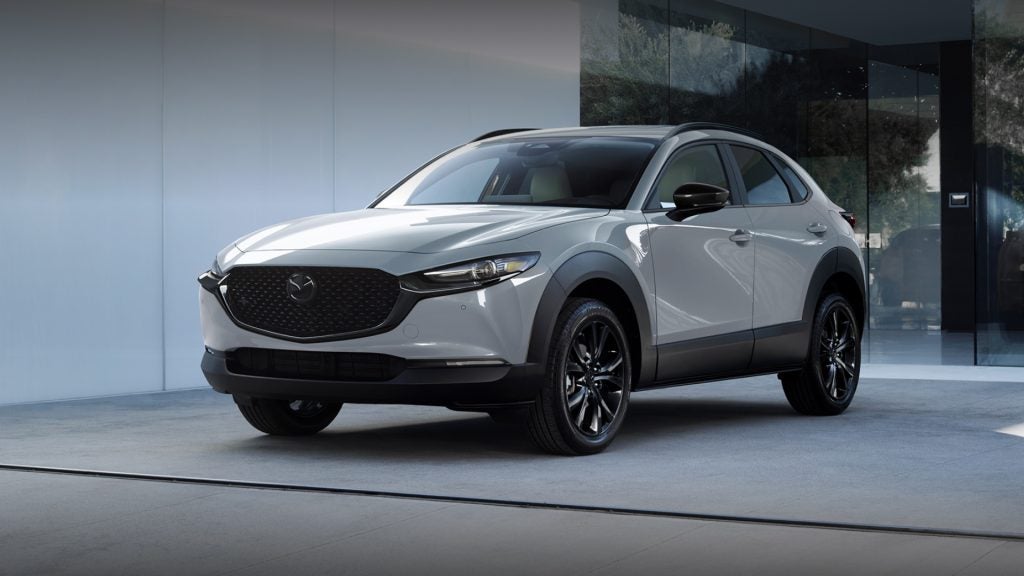
For many drivers in Jacksonville and Orange Park, the daily drive includes a mix of stop and go traffic, highway merging, tight parking areas, and longer stretches of open road. Choosing a compact crossover is often about finding something that fits all of those conditions without feeling compromised in any one area. Many shoppers ask if the Mazda CX-30 is a good vehicle for daily driving. The answer comes down to how well its design supports real world use. The 2026 Mazda CX-30 is engineered to balance maneuverability, comfort, efficiency, and control in a way that feels natural over time. Rather than focusing on one standout feature, it delivers a consistent experience across the systems drivers rely on every day. Compact Size That Improves Maneuverability and Visibility Drivers researching compact crossovers often want to understand how vehicle size affects everyday usability. The 2026 Mazda CX-30 size is designed to provide the benefits of an SUV without the challenges of a larger footprint. The CX-30’s dimensions influence how it behaves in city environments. A smaller turning radius allows for easier navigation in tight streets and parking areas. The overall width and length make it easier to position within lanes and parking spaces. Visibility is also a direct result of design choices. The driving position in the Mazda CX-30 is elevated compared to a sedan, giving drivers a clearer view of traffic conditions ahead. At the same time, the vehicle maintains proportions that make it easier to judge distances when parking or maneuvering in crowded areas. For Jacksonville drivers navigating urban areas and shopping centers, this balance of size and visibility reduces stress during everyday driving tasks. Seating Design and Comfort Over Longer Drives Many shoppers ask how comfortable the Mazda CX-30 is for commuting and longer trips. Comfort is not just about soft materials. It is determined by how the seat supports the body and maintains posture over time. The 2026 Mazda CX-30 seating design focuses on spinal alignment and natural body positioning. The seat structure supports the pelvis and lower back in a way that reduces strain during extended driving. This helps maintain a consistent driving posture without requiring constant adjustment. The relationship between the seat, steering wheel, and pedals also plays a role. In the Mazda CX-30, these elements are positioned to allow smooth, natural movement. Drivers can apply throttle and braking inputs without overextending or shifting their posture. For daily commuters in the Jacksonville area, this translates into reduced fatigue during longer drives and a more relaxed experience in traffic. Driver Assistance Systems in Real Commuting Conditions Shoppers often see lists of safety features but want to understand how they function during everyday driving. The 2026 Mazda CX-30 safety systems are designed to assist drivers in common commuting scenarios rather than operate independently. Adaptive cruise control in the Mazda CX-30 automatically adjusts speed to maintain distance from the vehicle ahead. In stop and go traffic, the system can slow the vehicle and return to speed when traffic begins moving again. Lane keeping assist monitors road markings and provides subtle steering input to help the driver stay centered within the lane. This becomes especially useful during longer highway drives where small corrections can add up over time. Automatic emergency braking uses sensors to detect potential collisions and applies braking if the driver does not respond in time. This adds an additional layer of protection in unpredictable traffic situations. Together, these systems support the driver without removing control. For Jacksonville drivers dealing with varying traffic conditions, they reduce workload while maintaining awareness. Fuel Efficiency in Real World Driving Conditions Drivers frequently ask whether the Mazda CX-30 is fuel efficient for daily use. Fuel efficiency is influenced not only by engine design but also by driving conditions and habits. The 2026 Mazda CX-30 engine is designed to deliver consistent efficiency across a range of driving scenarios. In steady highway driving, the engine operates at lower loads, which improves fuel economy. In city driving, where frequent acceleration and braking occur, efficiency depends more on how smoothly the vehicle is driven. Several factors influence real world fuel usage: Stop and go traffic increases fuel consumption due to repeated acceleration Gradual throttle input helps maintain more efficient engine operation Consistent speeds reduce unnecessary fuel demand Vehicle weight and cargo load can affect efficiency during acceleration For drivers in Jacksonville, where traffic patterns can shift throughout the day, understanding these factors helps set realistic expectations for fuel usage. Driving Dynamics Compared to Other Compact Crossovers Many buyers comparing compact crossovers want to understand how the Mazda CX-30 feels on the road compared to competitors. While many vehicles in this segment focus on practicality, the Mazda CX-30 driving dynamics emphasize responsiveness and control. The Mazda CX-30 steering system is calibrated to provide consistent feedback, allowing drivers to make precise adjustments without overcorrecting. The suspension system is tuned to maintain stability through turns while still absorbing road imperfections. Compared to other compact crossovers, this results in a driving experience that feels more connected. Instead of isolating the driver from the road, the CX-30 maintains a level of feedback that helps drivers stay engaged and aware of vehicle behavior. For everyday driving, this translates into smoother transitions, more predictable handling, and a greater sense of control during lane changes and cornering. What to Evaluate When Choosing a Daily Driver Understanding how the Mazda CX-30 performs in daily conditions helps clarify what drivers should look for when comparing vehicles. Rather than focusing only on specifications, it is important to evaluate how the vehicle responds to real world use. Drivers should pay attention to: How easily the vehicle maneuvers in tight spaces Whether the seating position remains comfortable over time How driver assistance systems behave in traffic How fuel efficiency changes based on driving habits Whether the vehicle feels stable and predictable in motion The 2026 Mazda CX-30 stands out by delivering consistency across these areas. It is not designed around a single strength, but around how each system contributes to a smoother, more confident daily drive. For Jacksonville and Orange Park drivers, that consistency is what turns a routine commute into a more controlled and comfortable experience.

Contact Us

Fill out this form below and we'll contact you shortly
*Required Fields