Blog / Mazda City of Orange Park Service

Blog

All Mazda City of Orange Park Service Mazda City of Orange Park Jacksonville Mazda Dealer Jacksonville Mazda Service Things To Do In Jacksonville Jacksonville Amenities Jacksonville Entertainment Jacksonville Used Cars Jacksonville Eateries Tom Bush Family of Dealerships Jacksonville Restaurants Jacksonville Parks Jacksonville Landmarks Mazda City of Orange Park Collision Center Mazda SUVs Collision Center in Jacksonville Jacksonville Art Jacksonville Fitness Orange Park Florida Mazda Dealer Orange Park Florida Mazda Service Holidays in Jacksonville Shopping in Jacksonville Weekend Getaways Auto Insurance Family Fun in Jacksonville Jacksonville Thrifting Orange Park Mazda Service Road Trips Small Town Fun Things To Do Near Jacksonville

Bad Spark Plug Symptoms and Check Engine Light Signs

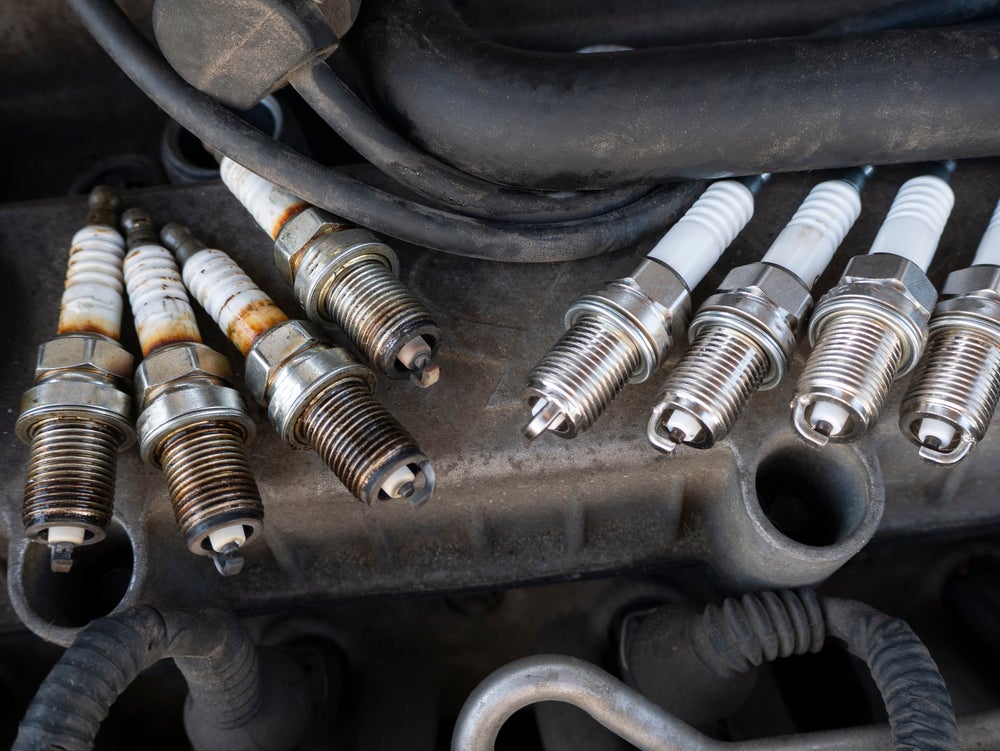
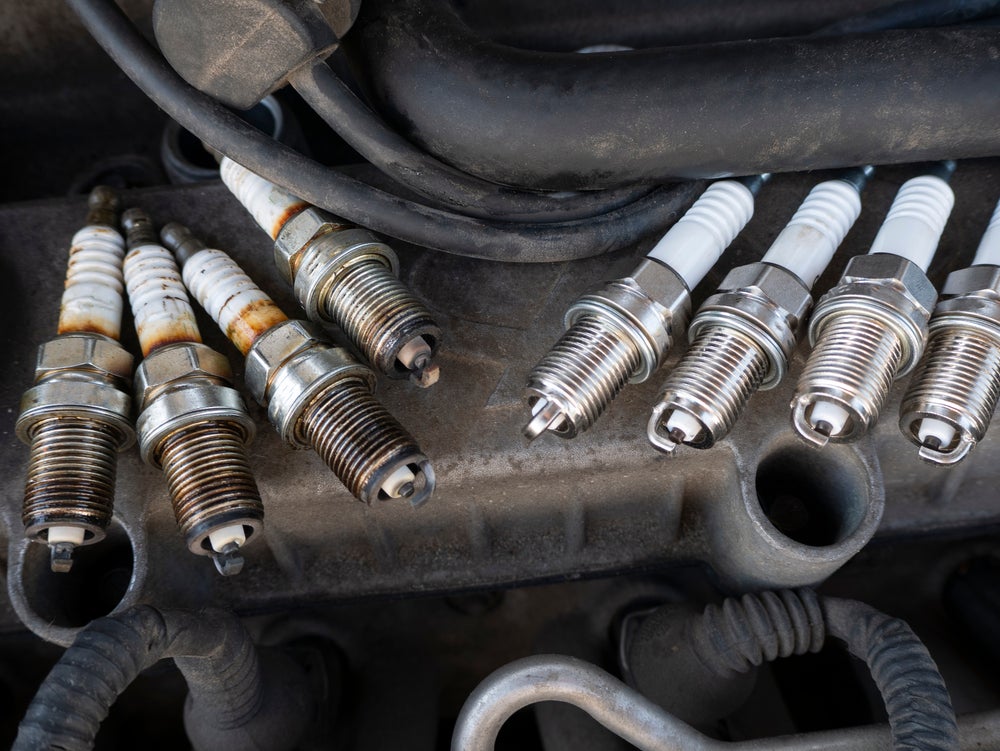
Bad spark plug symptoms may include rough idle, hard starting, weak acceleration, misfires, fuel changes, and a check engine light. However, these signs do not identify one failed part without inspection. Several ignition, fuel, electrical, and mechanical faults may produce similar warning signs. Spark plugs ignite the compressed air and fuel mixture inside each gasoline engine cylinder. Therefore, worn electrodes, deposits, cracks, or an incorrect gap may weaken that spark. Combustion may then become uneven or fail within one cylinder. That failure is called a misfire. A Mazda technician may inspect stored fault codes, plug condition, coil output, wiring, fuel delivery, and cylinder health. This process finds the source before parts are replaced. Bad Spark Plug Symptoms and Their Mechanical Cause What do bad spark plug symptoms feel like? They may feel like shaking, hesitation, delayed starting, uneven idle, or reduced engine response. A rough idle may appear when one cylinder fires less evenly than the others. Consequently, the engine may vibrate while the Mazda sits at a stop. The vibration may lessen after engine speed rises, though the underlying fault may remain. Hard starting may also appear when worn plugs struggle to ignite the mixture. The starter may turn the engine normally, yet ignition takes longer. However, a slow crank points toward a different electrical path and needs separate testing. more Acceleration places greater demand on the ignition process. Cylinder pressure rises when the driver presses the accelerator. Therefore, a weak spark may show up as hesitation, stuttering, or reduced power during that moment. Fuel use may rise when combustion does not finish cleanly. The engine may use more fuel while producing less useful energy. Still, tire pressure, injectors, filters, and driving patterns may also change fuel consumption. Common warning signs include: Rough idle may feel like shaking or uneven engine speed while stopped. Misfires may create hesitation, stuttering, popping sounds, or sudden power loss. Hard starting may occur even when the starter turns the engine at a normal speed. These signs support an inspection request, not a parts diagnosis. Furthermore, one damaged plug may create symptoms that resemble a coil or injector fault. Check Engine Light and Misfire Urgency Can bad spark plugs cause a check engine light? Yes, a plug related misfire may trigger the warning. However, the dashboard light does not name the failed component. Mazda monitoring may detect uneven combustion and store a diagnostic code. That code may identify a cylinder misfire or another engine fault. Therefore, a technician still needs testing before selecting a repair. A steady check engine light calls for prompt attention. The Mazda may still run, though continued driving could worsen the fault. Schedule an inspection soon and watch for shaking, stalling, fuel odor, or power loss. A flashing check engine light requires faster action. Mazda owner guidance directs drivers to avoid high speeds and seek dealer inspection promptly. Newer Mazda manuals may instruct the driver to park safely and contact an authorized dealer. Severe shaking, repeated stalling, strong fuel odor, or major power loss also raise urgency. Consequently, pull over safely when the Mazda no longer responds normally. Roadside assistance may be safer than driving farther. Do not disconnect battery cables while the check engine light remains on or flashes. Mazda warns that reconnecting the battery may damage the engine under this circumstance. Spark Plugs Versus Ignition Coils How do spark plug and ignition coil faults differ? The coil supplies high voltage, while the plug creates the spark inside the cylinder. Each part serves a separate job within the same ignition process. Therefore, failure in either part may create rough idle, misfires, hesitation, or a warning light. Symptoms alone may not separate them. A worn spark plug may have eroded electrodes, heavy deposits, damage, or an incorrect gap. By contrast, a weak ignition coil may fail to deliver enough voltage. The connected plug then struggles to create a strong spark. Heat and electrical load may make a coil fault appear during acceleration. A damaged plug may also struggle under higher cylinder pressure. Consequently, both faults may feel stronger when merging, climbing, or passing. A technician may swap coils between cylinders during testing. If the misfire moves with the coil, that result points toward the coil. Plug inspection may reveal deposits, cracks, wear, or gap trouble. Mazda City already has a separate ignition coil resource. Therefore, the refreshed spark plug page should link there without repeating the full coil discussion. Starting Trouble and Related Electrical Faults Does every hard start point toward spark plugs? No. The way the Mazda cranks provides a useful first distinction. When the engine turns at a normal speed but takes longer to fire, ignition or fuel delivery deserves inspection. Spark plugs may sit within that diagnostic path. However, fuel pressure, injectors, sensors, or compression may also require testing. A slow crank usually points toward battery power, cable resistance, starter trouble, or charging concerns. Dim lights or clicking sounds strengthen that electrical direction. Spark plugs do not control starter speed. A no crank event belongs to a different path. The driver may hear one click, repeated clicks, or silence. Therefore, battery, terminal, starter, security, or control faults require review. After a successful jump start, repeated battery trouble may point toward the battery or charging circuit. Mazda City’s jump start and alternator articles should remain separate resources. Starting trouble should be described clearly when service is scheduled. Note whether the engine cranks slowly, cranks normally, clicks, stalls, or starts after several attempts. Those details give the technician a stronger diagnostic starting point. When to Schedule Mazda Service Bad spark plug symptoms deserve inspection when they persist, return, or appear with a warning light. Early testing may prevent a minor ignition fault from placing added strain on other engine parts. Schedule service soon for rough idle, slower starting, hesitation, fuel changes, or a steady check engine light. Describe when each symptom appears and whether engine temperature changes it. Seek faster assistance for: A flashing check engine light, severe shaking, repeated stalling, or sudden power loss. Strong fuel odor, smoke, unusual heat, or trouble keeping the engine running. A Mazda that no longer responds safely during acceleration or normal traffic. When scheduling, share the model, model year, mileage, warning lights, sounds, and recent repairs. In addition, explain whether the concern appears during startup, idle, acceleration, or highway travel. Mazda City technicians may inspect the plugs, coils, stored codes, wiring, fuel delivery, and related engine parts. Therefore, diagnosis stays focused on evidence instead of one symptom. A clear service path gives the owner the right next step without guessing at the repair.

Check Engine light

What Can an Illuminated Check Engine Light in your Mazda mean?

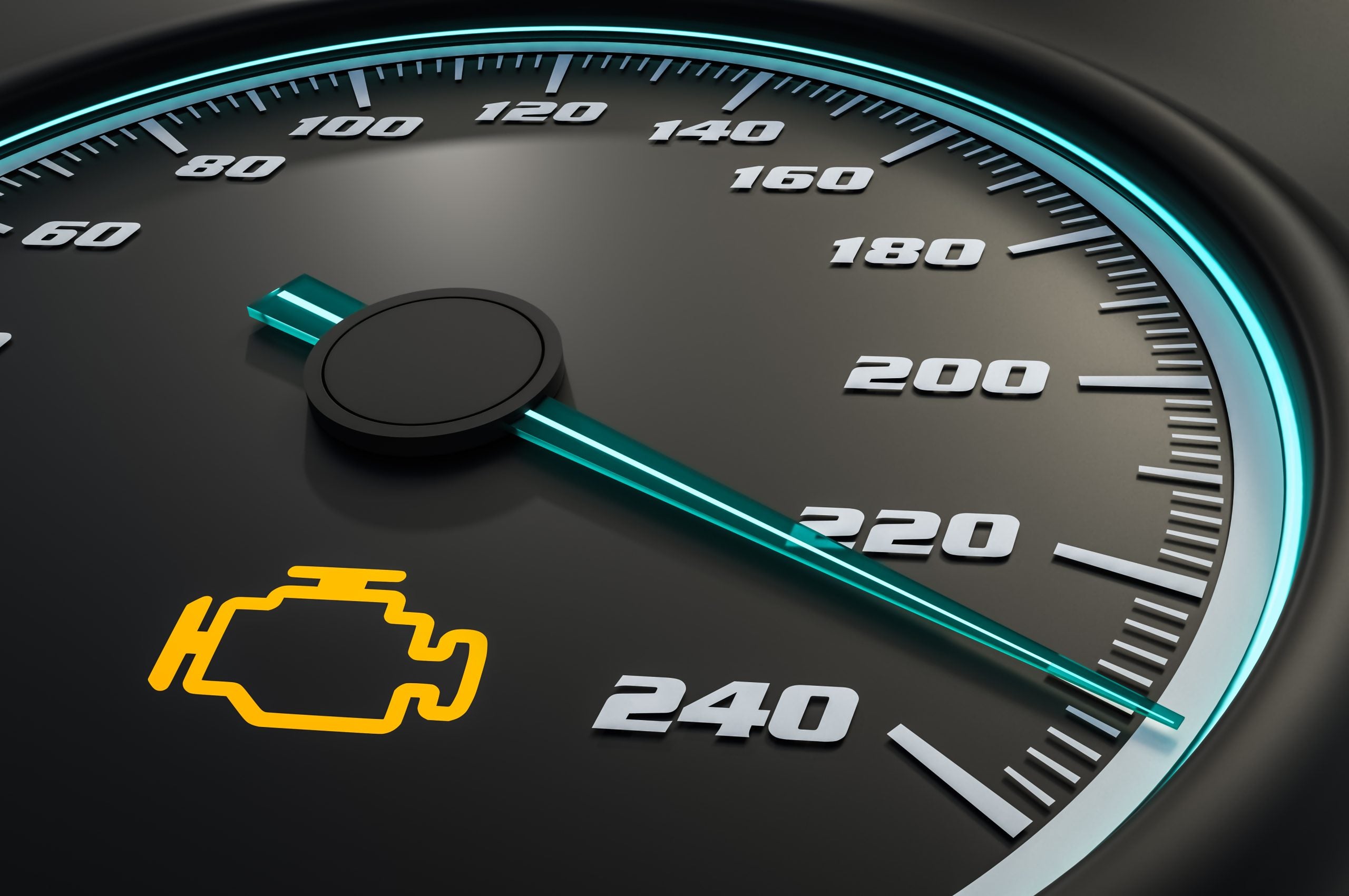
The check engine light can seem very mysterious. Unlike most dash lights, it doesn't appear to represent an easily identifiable warning. The engine light illuminates in response to any issue that affects your engine, and here are a few examples of what an illuminated engine light could represent. Blocked Catalytic Converter Combustion produces a range of dangerous and toxic gases like carbon monoxide and hydrogen sulfide. These gases are dumped into the exhaust system and pass into the catalytic converter. The converter uses a combination of extreme pressure, great heat, and chemical reactions to convert dangerous gases into harmless ones. Carbon is a byproduct of the conversion process, and it can build up in your engine over time. This carbon deposit can block the exit from the converter, which forces the gases back into the engine. The gases increase pressure in the engine and can cause it to shut down. Sensors in the converter will identify the problem with the converter, and the engine light will come on. We can fix this issue by clearing the blockage and the converter will work normally again. Damaged Oxygen Sensor more All essential systems in your Mazda have sensors. These sensors receive instructions from your computer and relay information back to the computer. This information allows the computer to make numerous decisions that enable your Mazda to work effectively. Oxygen sensors monitor the level of air in your engine. Your engine requires vast amounts of air, as it is essential for combustion. If an oxygen sensor is damaged, it won't report the correct percentage of air in your engine. Without this information, your computer has to guess. If the computer guesses wrongly, the lack of air will turn your engine fuel-rich. The lack of air will cause misfiring, stalling, and damage to the spark plugs. The engine light will illuminate to warn this is happening. We can easily replace a damaged sensor and your engine will work efficiently again. Damaged Spark Plugs A spark plug is connected to each engine cylinder. When a cylinder closes, the piston rises at speed, compressing the fuel-air mixture and forcing it to the top of the cylinder. Once the mixture is sufficiently compressed, it is ignited by the spark plug to create combustion in the cylinder. Spark plugs wear out over time, and a damaged plug won't ignite the fuel-air mixture correctly. This causes a misfire, and you'll experience a temporary drop in engine power if it happens. Sensors will identify the misfire, and the engine light will turn on. Our technicians will replace damaged plugs to solve this problem. If you have an illuminated engine light, contact us ASAP at Mazda City of Orange Park in Jacksonville, FL, and our Mazda-trained technicians will repair the problem.

Brake pad and rotor inspection by an experience service tech

Signs You Need a Brake Service at Your Mazda Dealer

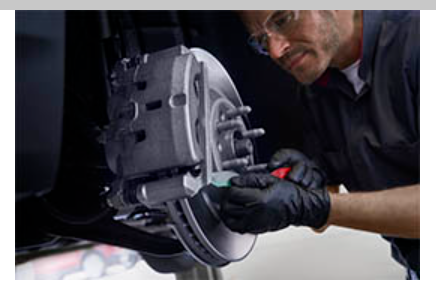
​​​​​​​​​​​​​​​​​​​​​​​​​​​​​​​​​​​​Healthy brakes are essential for safe driving as they allow you to control your speed. As time passes, components will become worn or damaged, and this causes brake problems. As your Orange Park Mazda dealer, we can fix any possible brake problem. These are a few signs you need to visit us for a brake service. Soft Brakes When you step on the brake pedal, you'll feel resistance. This resistance increases as you apply more pressure to the pedal, and its caused by pressurized brake fluid in the braking system. Brake fluid provides the hydraulic power that enables your brakes to work, and a brake pedal that provides almost no resistance is a sign that something is wrong in the braking system. The two main causes for this problem are a brake fluid leak or a blockage in the brake hose. Brake fluid is pressurized, so a small hole in a hose or brake line can cause a serious loss of fluid very quickly. An air bubble or other blockage in the system prevents the fluid from moving and reduces the pressure. We'll examine your brakes and repair the problem. Vibrations Through the Pedal If you hit the brakes and feel vibrations or a pulsing sensation, one or more of your rotors are likely uneven. The rotors are smooth metal disks positioned behind your tires. When you apply the brakes, the calipers positioned above the rotors clamp against them and generate friction, bringing your Mazda to a stop. more Braking generates heat, and this can loosen some of the friction material covering the brake pads. The material will stick to the rotors, and over time, more of it will build up on the rotor and create an uneven surface. When a caliper grabs the uneven surface, you'll feel vibrations. Our technicians will examine your rotors and resurface them to fix this problem. Leaking Fluid As we saw above, brake fluid is essential for your braking system to work. Time, worn components, and pressure in the system will cause wear and tear, and fluid can leak out. As fluid is lost, your brakes will become less responsive, and your braking distance will increase. It's difficult to spot a fluid leak, as brake fluid isn't brightly colored and looks similar to cooking oil. Fluid can leak from several places, including worn rubber hoses, rusted metal brake likes, and damage to the brake master cylinder. We'll examine the system and identify the source of the leak. Once we find the leak, we'll repair or replace the damaged components and refill the brake fluid. If you're experiencing any issues with your brakes, contact our service department at Mazda City of Orange Park in Jacksonville, FL.

Mazda Service in Jacksonville, FL

Mazda Maintenance Myths: What You Should and Shouldn’t Believe

At Mazda City of Orange Park, we meet drivers every day who love their Mazdas—but sometimes fall for outdated or misleading maintenance advice. Whether you drive a sleek Mazda3, a versatile CX-5, or the turbocharged CX-90, proper care is key to keeping your vehicle performing like new. So let’s bust some common myths and set the record straight. Myth vs. Reality: Mazda Maintenance Edition ❌ Myth #1: “You need an oil change every 3,000 miles.” ✅ Reality: Modern Mazdas with Skyactiv® engines typically require oil changes every 5,000 to 7,500 miles, depending on driving habits and conditions. Over-servicing wastes money and resources—stick to your owner’s manual or ask our certified techs for guidance. ❌ Myth #2: “Brake fluid never needs replacing.” ✅ Reality: Brake fluid absorbs moisture over time, which can reduce braking performance. Mazda recommends a brake fluid refresh every 30,000 to 60,000 miles. At Mazda City of Orange Park, we include this in our milestone service packages. ❌ Myth #3: “If it’s running fine, skip the 30k/60k/100k services.” more ✅ Reality: These intervals are crucial for long-term reliability. Services include spark plug replacement, belt inspections, fluid flushes, and air filter changes. Skipping them can lead to costly repairs down the road. ❌ Myth #4: “All service shops are the same.” ✅ Reality: Only Mazda-certified service centers like ours use OEM parts, follow factory procedures, and have access to Mazda’s latest diagnostic tools. That means better performance, warranty protection, and peace of mind. ❌ Myth #5: “Tire rotation isn’t necessary with AWD.” ✅ Reality: Even with Mazda’s i-Activ AWD®, uneven tire wear can affect handling and fuel efficiency. We recommend rotating tires every 7,500 miles to extend their life and maintain optimal traction. Unique Mazda Features That Deserve Expert Care Skyactiv® Technology: Precision-engineered engines and transmissions that require specific fluids and service intervals. Turbocharged Engines: Found in models like the CX-30 and CX-90, these engines need spark plug changes every 40,000–75,000 miles. Connected Services: Mazda’s digital features like remote start and vehicle health reports rely on proper software updates and diagnostics. Why Trust Mazda City of Orange Park? Certified Technicians: Trained specifically on Mazda vehicles. Genuine Mazda Parts: No guesswork—just factory-grade reliability. Transparent Service: We explain every recommendation and show you why it matters. Schedule Your Service Today Don’t let myths drive your maintenance decisions. Visit Mazda City of Orange Park for expert care, honest advice, and a team that treats your Mazda like their own.

Tire pressure gauge

3 Preventative Maintenance Items at Your Mazda Service Center

Preventative maintenance protects your vehicle from damage caused by worn-out components, saving you money on future repair bills. As your Mazda service center, we want to tell you about some of the types of maintenance we offer. Spark Plug Replacement A spark plug screws into the top of each engine cylinder, and its job is to ignite the compressed fuel-air mixture in the engine cylinders at a precise moment, producing efficient combustion. Each spark plug also has an ignition coil that connects to it to boost its voltage. These plugs are replaced anywhere between 30,000 miles and 100,000 miles, depending on the type of plugs in your Mazda. Replacing the plugs when they're due ensures your engine will continue to work efficiently. If the plugs are not replaced, they will wear out, and you'll experience issues like rough idling, misfiring, or stalling. These issues all increase fuel consumption, and they can also cause damage to the cylinders and pistons. more Battery Check The battery stores electricity, which is used to provide the initial charge that powers the starter to crank the engine and bring it to life. The average lifespan of a battery is only three to five years, as the chemicals inside it that store electricity as chemical energy gradually break down. This chemical breakdown reduces the battery's storage capacity and makes it more difficult to recharge. As a battery gets weaker, it will take longer to start the engine. Eventually, the battery will be too weak, and the only way to start your Mazda will be by jump-starting it. We can prevent these issues by regularly testing your battery, starting from its third year. Our computerized battery tester will identify any weakness in the battery, and we can quickly replace it while you wait to ensure your vehicle continues to start the first time, every time. Tire Care High-quality tires provide excellent traction, allowing you to travel at speed and also stop quickly when you hit the brakes. It's impossible to prevent a tire's tread from slowly wearing down due to surface friction, but you can prevent unnecessary wear and tear and extend its useful life. Tire rotations, tire balancing, and wheel alignment all correct minor issues that damage specific areas of a tire and cause it to wear out faster than necessary. Our technicians can also adjust tire pressure to fix problems like under- or overinflation, and advise you on your tire condition. Rotations, wheel alignment, and balance checks should be performed every six months to have the greatest impact on tire health. If you'd like to know more about preventative maintenance or to book a service, contact us at Mazda City of Orange Park in Jacksonville, FL.

mazda-service on a carr

3 Signs Your Mazda May Be Due for a Brake Inspection

Brake components wear down or become damaged over time, reducing braking efficiency. Worn brakes are dangerous as they can easily cause an accident. As your Mazda service center, we want you to know a few signs you need to visit us and get your brakes checked. 3 Signs You Need a Brake Inspection or Repair at Your Mazda Service Center Illuminated Brake Warning Light Your Mazda has at least two brake warning lights: a general warning light with BRAKE or P inside a circle and the ABS warning light, which has the letters ABS inside a circle. The ABS light will come on if there's a problem affecting the anti-lock braking system, which prevents the wheels from locking when you brake, potentially causing a skid. The general braking light is triggered when sensors in the braking system identify a problem. This can range from worn brake pads to low brake fluid or damaged rotors or other issues. The sensors inform your computer of the problem, and the computer activates the light to alert you. Any brake warning is potentially serious and needs immediate attention. more Screeching or Grinding Brake pads have a rough material covering that generates friction against the rotors when you hit the brakes, and this friction stops the wheels. As time passes, the material wears thinner, which increases your braking distance and reduces braking speed. Each pad has a metal spike buried inside the material, which becomes visible when the pad needs replacement. This spike will scratch the rotor, producing a loud screeching noise as a warning that the pad needs replacement. If a pad isn't replaced when it's worn down, the material covering will eventually disintegrate. Without the material as a buffer, the bare metal brake pad will clamp against the wheel rotor and grind grooves into its surface. These grooves can cause additional brake problems even when the pads are replaced. We'll replace worn pads and check and repair damaged rotors. Soft Brake Pedal Brake fluid provides the hydraulic power that forces the brakes to engage and stop your Mazda. This fluid is highly pressurized, and it produces the resistance you feel when you push down on the brake pedal. A soft brake pedal is a situation where pressing down on the pedal produces very little resistance, and your brakes will be very slow to engage. The fault is caused by either a brake fluid leak, which lowers the pressure in the braking system, or an air bubble or other blockage in the brake hoses. Our technicians will investigate and repair the leak or bleed the brakes to remove any blockage. If your brakes aren't working as well as they should be, contact us right away at Mazda City of Orange Park in Jacksonville, F L.

mazda maintenance with spark plugs

6 Benefits of Routine Mazda Maintenance for Long-Term Performance

If you want to sustain the responsive, agile performance of your Mazda for as long as possible, the key to this is routine maintenance at your Jacksonville Mazda dealership, Mazda City of Orange Park. Read on to learn more. 6 Key Benefits of Routine Mazda Service for Enduring Performance Quicker Takeoff The ingenious SKYACTIV TECHNOLOGY of a Mazda's engine and drivetrain delivers a terrific burst of speed with maximum efficiency. You'll keep this powerful acceleration with regular engine servicing, which should include oil changes, air filter replacements, tune-ups, and cooling system checks, along with maintenance for the transmission, differentials, and exhaust. Sharper Steering As a Mazda driver, you enjoy outstanding handling with nimble dynamics that come from Mazda's driver-centric focus in design. This premium steering and sense of control will only be maintained long-term with regular care of the tires, suspension, and steering system. This should include routine tire rotations, tire alignments, tire balancing, and tire replacements along with suspension tune-ups and power steering fluid checks. more Smoother Ride Looking after your car's suspension not only tightens up steering but also ensures a smoother, quieter ride. With regular inspections, we can make sure that each shock, strut, spring, bearing, bushing, sway bar, control arm, and tie rod is properly stabilizing your ride. If your Mazda ever starts to sway, dip, or bounce, have your suspension checked right away. Stronger Braking Your brakes will stay firm for the full lifespan of your car with routine brake servicing. Biannual inspections allow our technician to examine each brake pad, rotor, caliper, and fluid line. The brake fluid also needs to be flushed periodically. Watch out for symptoms of worn brake pads, which are the brake components that usually wear out most quickly. Better Gas Mileage All the aforementioned services allow your Mazda to remain remarkably fuel efficient. Regular fluid checks and flushes keep everything working efficiently with minimal friction. Prompt replacements of parts, including the many sensors, keep your car's SKYACTIV system producing optimal energy for each drop of fuel burned. Fewer Faults With a sensible maintenance schedule, your car's performance will rarely be interrupted by an unexpected fault. You'll have less wear and tear overall, which means components last longer, as does your entire car. In this way, regular maintenance makes a car's performance easier and less expensive to maintain in the long run. Book Routine Services Today at Our Mazda Dealership It's a good idea to set up a solid maintenance schedule with experienced Mazda specialists. Our technicians are experts with SKYACTIV TECHNOLOGY and every component of your Mazda that keeps it running so smoothly and responsively. Visit Mazda City of Orange Park in Jacksonville, FL, to get your Mazda in amazing shape. Since 1989, we've been keeping our customers among the happiest drivers on the road.

A Certified Mazda Technician performing an oil change

Mazda Maintenance Schedule: Keeping Your Vehicle in Top Shape

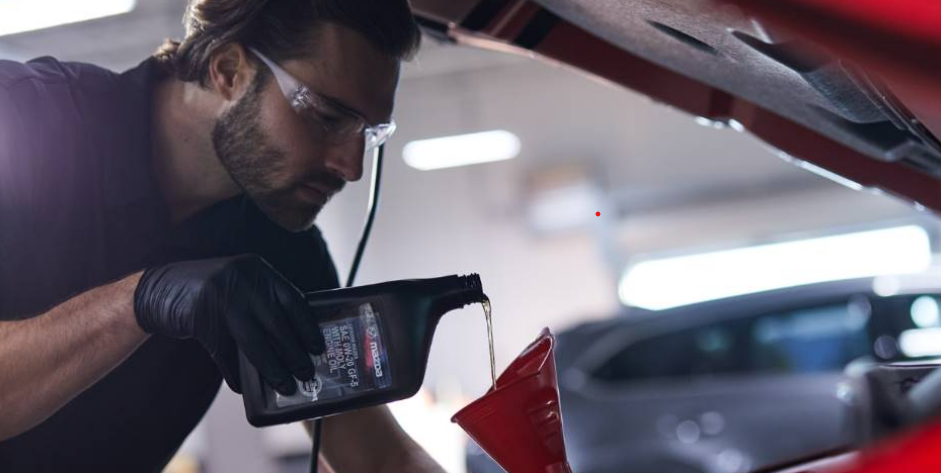
Your car manual contains a detailed maintenance schedule for your vehicle. It's been carefully designed to check and replace components before they wear out due to age and usage. This ensures your Mazda always provides peak performance. As your Mazda dealer, we want to tell you more about a few examples of services from your Mazda maintenance schedule we offer. more Examples of Scheduled Maintenance From Your Mazda Maintenance Schedule Oil Changes Your Mazda uses synthetic oil, which provides superior lubrication, contains more additives, and is more efficient than regular engine oil. Synthetic oil also lasts longer, but it will eventually need replacement. Regular oil changes are essential for good engine performance, as older oil becomes thick and sluggish due to the accumulation of dirt and minute debris from the engine. Thicker, older oil provides less lubrication, increasing wear and tear on engine components, as many depend on friction to work effectively. Oil additives also lose potency, potentially increasing harmful engine build-ups and producing rust. We prevent these issues by draining and replacing the old oil and installing a new oil filter. Oil changes are usually every 3,000 miles, but replacement time can vary depending on your Mazda model. Engine Air Filter Replacement Combustion requires fuel and air, which mix in a precise ratio, are compressed inside the cylinders, and then ignited by the spark plugs screwed into each cylinder. It may seem strange, but your engine requires more air than fuel in the ratio, as fuel can only burn correctly if it has enough air. The air used by the engine flows in through the radiator grille and then enters the air filter. The air filter traps dirt, dust, and other airborne debris to ensure only clean air enters the engine. As time passes, dirt accumulates in the filter and eventually blocks it. When this happens, lack of air turns the fuel-air mixture fuel-rich. A fuel-rich engine lowers fuel efficiency and increases damage to engine components. The air filter usually requires replacement after 12,000 miles. Transmission Fluid Check Transmission fluid provides the essential hydraulic power that allows the gears to change smoothly and efficiently. It protects numerous transmission components by providing a protective coating that reduces wear and tear as they glide rather than grind against each other. This fluid also helps lower the temperature in the transmission. Older transmission fluid loses many of its specialized properties, increasing component damage. The fluid's reduced ability to provide hydraulic power will cause noises in the transmission, slower gear changes, and issues like gear slipping. Transmission fluid should be checked every two years and replaced according to your model's maintenance schedule. These are only a few of the wide range of maintenance services we provide. Contact our service department today at Mazda City of Orange Park in Jacksonville, FL, to book your next maintenance.

Maximizing Your Mazda's Performance: The Importance of Regular Tune-Ups

A tune-up is used to correct ignition system issues that develop over time. Nowadays, your Mazda's computer controls these systems and adjusts when needed to ensure correct performance. A modern tune-up for your Mazda involves checking and testing a range of systems so your Mazda delivers peak performance. As your Mazda dealer, we want to tell you about some of the systems we check and adjust during a Mazda tune-up. From Your Mazda Dealer: Checklist for a Mazda Tune-Up Spark Plugs Spark plugs ignite the fuel-air mixture in the cylinders, creating combustion. Plugs wear out due to age and won't fire correctly. They can also loosen in their housing. If a plug doesn't ignite perfectly, it causes a misfire, and your Mazda could stall. We examine your plugs and tighten or replace them so the fuel-air mixture will burn correctly. more Ignition Coils The coils provide additional power to the plugs. Each plug has a coil connected to it which boosts the plug's output from 12 volts to 30,000 volts so it can successfully ignite the fuel-air mixture. Coils also wear out over time, and a worn coil will cause misfiring, decreased engine power, and low performance. Replacing worn or damaged coils fixes these issues. Serpentine Belt The serpentine belt is made from tough, reinforced rubber to work effectively in the hot engine compartment. It connects to the crankshaft, and the crankshaft's turning causes the belt to run across a series of pulleys. The belt's movement causes the pulleys to spin, and the pulleys power essential systems like the alternator, AC compressor, and power steering pump. A worn belt can slip, preventing it from spinning one or more pulleys. Depending on the pulley, the alternator could shut down, depriving the systems of electricity, or your steering wheel will become heavier and difficult to turn. The belt could also snap, shutting down all the systems. We ensure the belt is correctly seated and tensioned. We'll replace a worn or damaged belt to prevent these issues. Timing Belt This belt is also made from tough rubber and connects the camshaft at the top of your engine to the crankshaft at the bottom of your engine. Its movement synchronizes the opening and closing of the intake and exhaust vents of the cylinders with the movement of the pistons. These movements must be precisely timed for the combustion process to work successfully. If the belt's tension is too tight, it suffers friction damage and could snap. A belt that is too loose could fall off. In either situation, belt failure will shut down your engine, potentially causing major engine damage in the process. We check the belt is correctly tensioned and will replace a worn belt. Regular tune-ups increase your engine life and prevent many future repairs. Contact us today at Mazda City of Orange Park in Jacksonville, FL.

Check Engine Light

Decode Your Mazda's Dashboard: Understanding What Your Car is Trying to Tell You

Your Mazda dashboard lights are vital to safe driving and your car's health. They illuminate in response to issues that affect your vehicle, providing time to visit your Mazda dealer and get the issue repaired. There are many different lights, and we want to tell you about some of them and the potential problems they identify. From Your Mazda Dealer: Warnings From Your Mazda Dashboard Lights Brake Warning Light This light looks like an exclamation point in a circle surrounded by brackets. It represents your electronic parking brake, also known as the emergency brake. It's pulled up when you park as additional security to prevent your car from moving and must be disengaged before you can drive. This warning means the brake may have failed, and we need to check it ASAP and repair it if necessary. more ABS Warning Light This warning icon appears as either ABS or ABS inside a circle surrounded by brackets. The ABS, Anti-Lock Braking System, is a safety feature that prevents your wheel from locking if your car spins on a wet surface. Locked wheels prevent you from controlling your vehicle and getting out of a spin. You can drive with an illuminated ABS light, but it's dangerous in wet conditions. We'll identify the issue and fix it. Charging System Warning Light Also known as the battery light, it appears as a line drawing of a battery with a + and - sign. This warning light illuminates if a problem is detected in your electrical system. It can represent various issues, from damaged wiring to a damaged alternator or failing battery. Our technicians will investigate and repair the problem. Engine Oil Warning Light This warning looks like a line drawing of an oil can, meaning the oil pressure in your engine is low. It could be due to a leak, a blocked oil filter, a blockage elsewhere in the system, or old oil. We advise against driving if this light illuminates, as an oil circulation problem can cause major damage to your engine very quickly. We can repair any of these issues, and the warning light will go out. Engine Coolant Temperature Warning. Coolant is a mixture of antifreeze and water, and it absorbs and removes engine heat to prevent damage to your engine. This light appears as a thermometer inside waves and means the coolant is too hot. Heat is removed from the coolant by heat exchange when it enters the radiator. We advise against driving if this light is active, as your engine could overheat and suffer major damage. We'll check the cooling system and cooling and fix the problem. If you have an illuminated warning light, contact us ASAP at Mazda City of Orange Park in Jacksonville, FL.

Jumper Cables

How to Jump Start Your Mazda in 3 Simple Steps

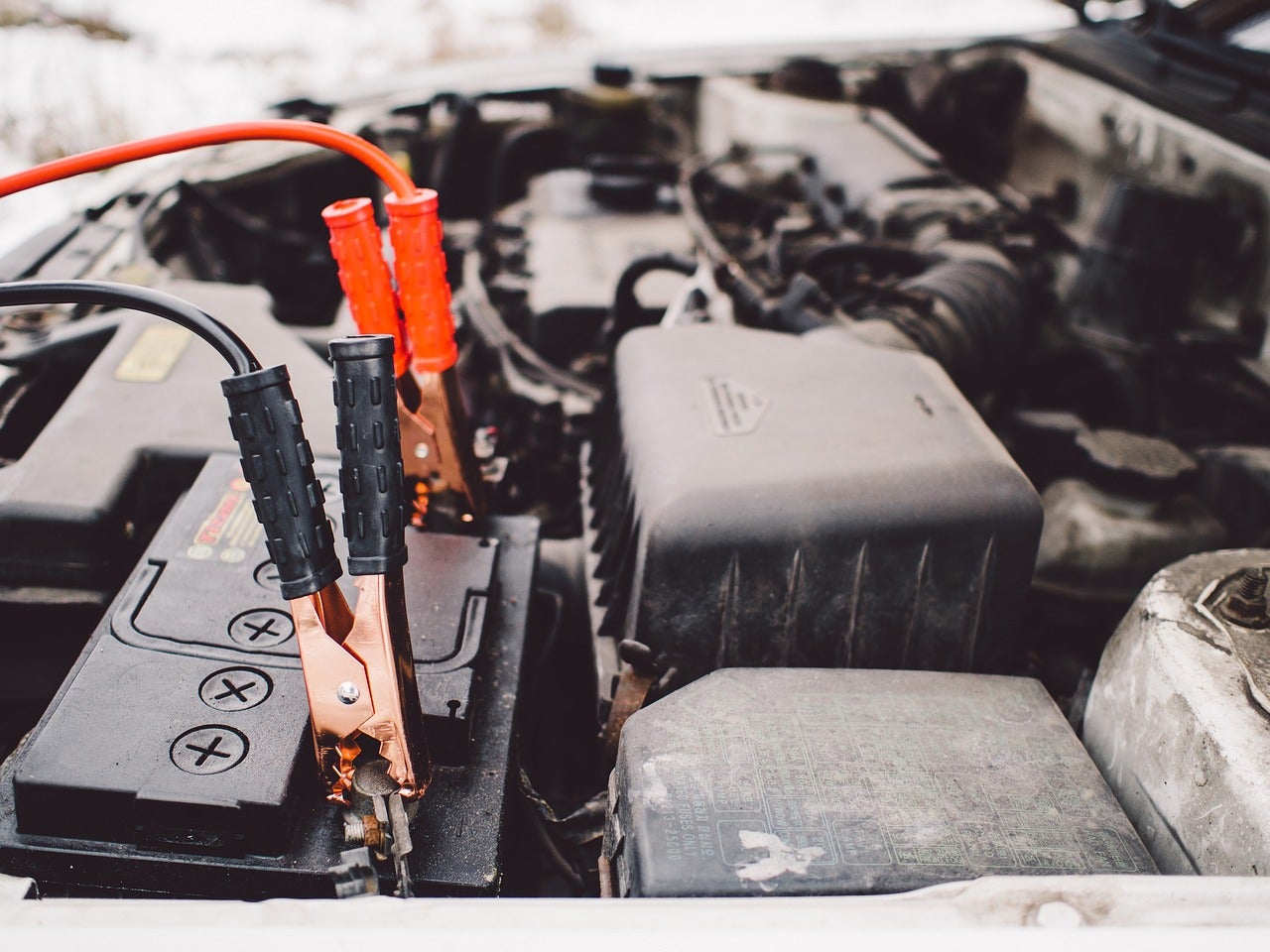
Jump-starting a car is a quick and easy way to give a weak battery enough juice to get back on the road. It's also not as difficult as it might look. Your Mazda has a battery warning light to warn you that your battery is in trouble, so you are unlikely to suffer a dead battery. As your Mazda dealer, we like to advise you on how to jump-start a car for a friend or family member who is in trouble. Advice From Your Mazda Dealer: 3 Steps To Jump-Start a Car Park Close When you jump start another car, you're transferring power from your battery to their battery. The further electricity has to travel through a cable, the more of it is lost through transmission. In addition, parking closer to the other vehicle prevents the jumper cables from being pulled taut and potentially slipping off the battery terminals. Most car batteries are under the hood, but some vehicles have the battery in the trunk. Before you position your car, check where the battery is in the other car. Once both vehicles are close to each other, open both hoods and switch off both engines. more Secure the Cables Jumper cables have a red cable and a black cable. The red cable is the positive, and the black cable is the negative. The cables must be connected in the correct order, as a mistaken connection can damage your battery or even start a fire. This is the correct order for attaching the cables. ​​​​​​​​​​​​​​​​​​​​ Red First Jumper cables have spring-loaded clamps on both ends of each cable. The first step is to connect one end of the red cable to the positive terminal on the dead battery. Once this clamp is secure, connect the other clamp on the red cable to the positive terminal on your battery. Black Second Now the red cables are in place, connect one of the clamps on the black cable to the negative terminal on your battery. The final connection is very important. The second clamp on the black cable must not be connected to the negative terminal on the dead battery. This could cause the damage or potential fire mentioned above. The second clamp on the black cable must be connected to a piece of metal in the other car's engine; for example, an unpainted bolt. Idle Your Mazda Start your engine and allow it to idle for several minutes. Electricity will flow from your battery to the dead battery. Once this time has passed, try and start the car with the dead battery. If it doesn't start, idle your engine for an additional 10 to 15 minutes. Once the other car is running, it is time to remove the cables. Now you know how to jump-start a dead battery. If you'd like to know more, contact us today at Mazda City of Orange Park.

earth-5240543_1280

How Often Should Your Mazda Get a Car Emissions Check?

Car emissions checks are mandatory in the vast majority of states across the US. These checks are to make sure your vehicle isn't releasing too many harmful gases into the atmosphere, and if your car does have problems with its emissions system, then you'll need to get it fixed. Your local Mazda dealership can fix any issue you might be having with your emissions system with ease. How Often Should You Get a Car Emissions Check in Florida? Emissions checks/smog tests haven't been mandatory in the entire state of Florida for several decades now, so there are no rules regarding how often you need to get an emissions check. You can get a smog test voluntarily if you wish, but if you know for a fact that your emissions system is fine, then you won't need to go and get an emissions check. more Instead of getting voluntary smog tests, it's generally best to just keep up with your preventative maintenance at the Mazda dealer instead. The mechanics at the dealership check every system in your vehicle and perform necessary repairs to keep every system running smoothly. There are also issues that'll start showing up in your car if your emissions system is faulty, and when you notice these issues, you can visit the dealer for a repair. Signs to Head to the Mazda Dealership for Emissions System Repairs Your Check Engine Light Is On The check engine light can turn on for a lot of different reasons, including problems with your emissions system. If this light turns on, then the best course of action is to go right to the dealer, even if your car isn't behaving weirdly in any way. Your Car Is a Little Sluggish If you've had your car for a while, then you're probably used to how it feels to drive. You know how quickly it accelerates, and you know how powerful it feels at any speed. If you notice the car isn't accelerating as quickly as it used to, or if it just feels less powerful while you're driving, then you have a problem. Sometimes issues with the emissions system can cause performance issues with the car, so it's time to visit the dealer. Your Car Is Using Too Much Gas Any time you have to start visiting the gas station more than usual, it points to a problem somewhere in the car. Your emissions system could be having problems, and that can lead to your engine using more fuel to stay running properly. Numerous other problems under the hood can lead to reduced fuel efficiency, too. Want to keep your emissions system in the best shape you can? Come to Mazda City of Orange Park. Let us investigate any problems you're having and fix them to get your car working like new.

Contact Us

Fill out this form below and we'll contact you shortly
*Required Fields