Blog / Jacksonville Mazda Service

Mazda Maintenance Schedule: Keeping Your Vehicle in Top Shape

A Certified Mazda Technician performing an oil change

Your car manual contains a detailed maintenance schedule for your vehicle. It's been carefully designed to check and replace components before they wear out due to age and usage. This ensures your Mazda always provides peak performance. As your Mazda dealer, we want to tell you more about a few examples of services from your Mazda maintenance schedule we offer.

Examples of Scheduled Maintenance From Your Mazda Maintenance Schedule

Oil Changes

Your Mazda uses synthetic oil, which provides superior lubrication, contains more additives, and is more efficient than regular engine oil. Synthetic oil also lasts longer, but it will eventually need replacement. Regular oil changes are essential for good engine performance, as older oil becomes thick and sluggish due to the accumulation of dirt and minute debris from the engine.

Thicker, older oil provides less lubrication, increasing wear and tear on engine components, as many depend on friction to work effectively. Oil additives also lose potency, potentially increasing harmful engine build-ups and producing rust. We prevent these issues by draining and replacing the old oil and installing a new oil filter. Oil changes are usually every 3,000 miles, but replacement time can vary depending on your Mazda model.

Engine Air Filter Replacement

Combustion requires fuel and air, which mix in a precise ratio, are compressed inside the cylinders, and then ignited by the spark plugs screwed into each cylinder. It may seem strange, but your engine requires more air than fuel in the ratio, as fuel can only burn correctly if it has enough air. The air used by the engine flows in through the radiator grille and then enters the air filter.

The air filter traps dirt, dust, and other airborne debris to ensure only clean air enters the engine. As time passes, dirt accumulates in the filter and eventually blocks it. When this happens, lack of air turns the fuel-air mixture fuel-rich. A fuel-rich engine lowers fuel efficiency and increases damage to engine components. The air filter usually requires replacement after 12,000 miles.

Transmission Fluid Check

Transmission fluid provides the essential hydraulic power that allows the gears to change smoothly and efficiently. It protects numerous transmission components by providing a protective coating that reduces wear and tear as they glide rather than grind against each other. This fluid also helps lower the temperature in the transmission.

Older transmission fluid loses many of its specialized properties, increasing component damage. The fluid's reduced ability to provide hydraulic power will cause noises in the transmission, slower gear changes, and issues like gear slipping. Transmission fluid should be checked every two years and replaced according to your model's maintenance schedule.

These are only a few of the wide range of maintenance services we provide. Contact our service department today at Mazda City of Orange Park in Jacksonville, FL, to book your next maintenance.

Posted in:

Related Posts

Mazda check engine light warning signs and possible causes

What Your Mazda Check Engine Light Is Trying to Tell You

If the check engine light in your Mazda just came on in Jacksonville, FL, it’s not a reason to panic. That small light on your dashboard is part of Mazda's onboard diagnostic system, and it can be trigger ed for a wide range of reasons, from a loose gas cap to something that needs attention soon. Understanding what it means can help you make a smarter, calmer decision. What Triggers the Check Engine Light? The check engine light - technically called the Malfunction Indicator Lamp - activates when your vehicle's onboard computer detects a problem it can 't correct on its own. Common causes include a faulty oxygen sensor, a misfiring engine, a failing catalytic converter, or even an improperly tightened fuel cap. Mazda builds its vehicles with advanced safety and diagnostic technologies that are designed to alert you early, before a small issue becomes a larger one. In fact, Mazda was named the Safest New-Car Brand by Consumer Reports and earned more 2026 IIHS Top Safety Pick+ awards than any other brand. Steady vs. Flashing: Know the Difference When the check engine light comes on, it doesn’t automatically mean the problem is urgent. A steady light typically means there is a detected fault that should be looked at, but you likely have some time to schedule a diagnostic appointment. A flashing check engine light is a different story - it usually signals an active misfire that could damage your catalytic converter if you keep driving. If your light is flashing, the safest move is to reduce your speed, avoid hard acceleration, and head to a service center as soon as possible. Mazda's lineup uses sophisticated engine management systems where catching issues early protects long-term reliability. Should You Keep Driving? A steady light does not automatically mean you need to pull over immediately, but driving for days or weeks without getting a diagnostic scan done is not a good idea either. Ignoring the light can allow a manageable repair to escalate. Drivers in Jacksonville, FL should also think about seasonal factors. Heat and humidity can affect fuel system components and sensor performance, making prompt attention even more worthwhile. Getting a Diagnostic at a Mazda Service Center The most reliable way to understand what triggered your check engine light is a professional diagnostic scan. A trained Mazda technician can read the specific fault code stored in your vehicle's computer, explain what it means in plain terms, and recommend the right course of action. Trying to clear the code without fixing the underlying issue will only turn the light back on. Skipping the scan altogether means driving without knowing whether your vehicle is running as it should. Visit Mazda City of Orange Park When your check engine light comes on, it means your Mazda is asking for a little attention. Making the right decisions early - like scheduling a diagnostic promptly rather than waiting - can save you time, money, and stress down the road. If your light has come on and you are ready for answers, the service team at Mazda City of Orange Park is here to help drivers throughout Jacksonville, FL keep their Mazda running at its best. Visit us online at mazdacity.com to schedule a service appointment today.

Bad Spark Plug Symptoms and Check Engine Light Signs

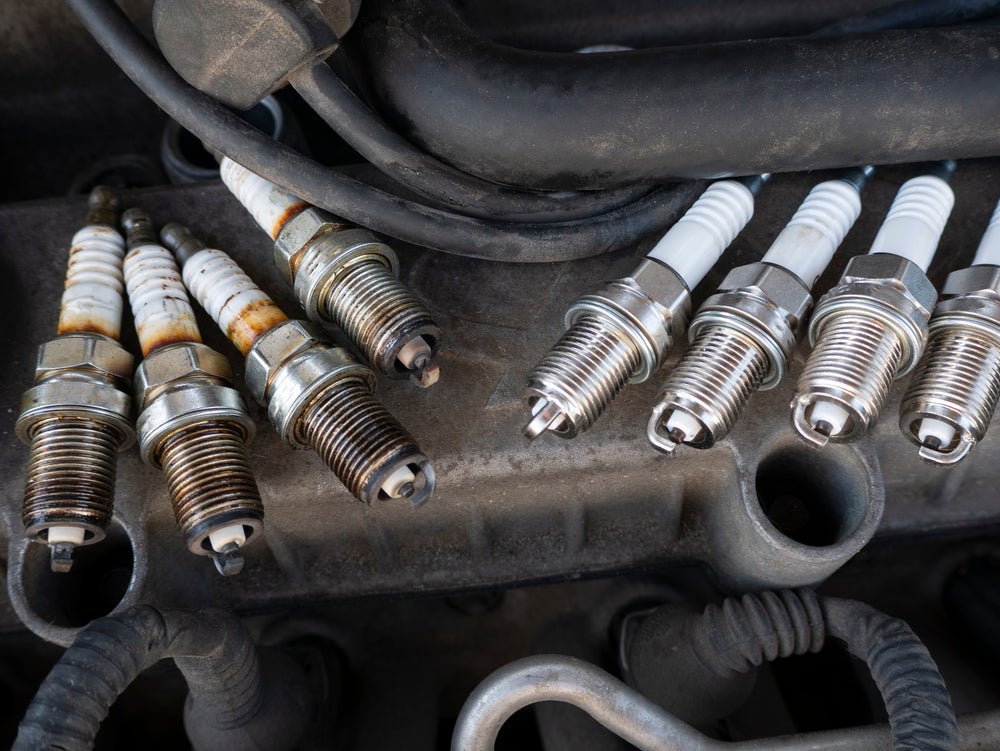
Bad spark plug symptoms may include rough idle, hard starting, weak acceleration, misfires, fuel changes, and a check engine light. However, these signs do not identify one failed part without inspection. Several ignition, fuel, electrical, and mechanical faults may produce similar warning signs. Spark plugs ignite the compressed air and fuel mixture inside each gasoline engine cylinder. Therefore, worn electrodes, deposits, cracks, or an incorrect gap may weaken that spark. Combustion may then become uneven or fail within one cylinder. That failure is called a misfire. A Mazda technician may inspect stored fault codes, plug condition, coil output, wiring, fuel delivery, and cylinder health. This process finds the source before parts are replaced. Bad Spark Plug Symptoms and Their Mechanical Cause What do bad spark plug symptoms feel like? They may feel like shaking, hesitation, delayed starting, uneven idle, or reduced engine response. A rough idle may appear when one cylinder fires less evenly than the others. Consequently, the engine may vibrate while the Mazda sits at a stop. The vibration may lessen after engine speed rises, though the underlying fault may remain. Hard starting may also appear when worn plugs struggle to ignite the mixture. The starter may turn the engine normally, yet ignition takes longer. However, a slow crank points toward a different electrical path and needs separate testing. Acceleration places greater demand on the ignition process. Cylinder pressure rises when the driver presses the accelerator. Therefore, a weak spark may show up as hesitation, stuttering, or reduced power during that moment. Fuel use may rise when combustion does not finish cleanly. The engine may use more fuel while producing less useful energy. Still, tire pressure, injectors, filters, and driving patterns may also change fuel consumption. Common warning signs include: Rough idle may feel like shaking or uneven engine speed while stopped. Misfires may create hesitation, stuttering, popping sounds, or sudden power loss. Hard starting may occur even when the starter turns the engine at a normal speed. These signs support an inspection request, not a parts diagnosis. Furthermore, one damaged plug may create symptoms that resemble a coil or injector fault. Check Engine Light and Misfire Urgency Can bad spark plugs cause a check engine light? Yes, a plug related misfire may trigger the warning. However, the dashboard light does not name the failed component. Mazda monitoring may detect uneven combustion and store a diagnostic code. That code may identify a cylinder misfire or another engine fault. Therefore, a technician still needs testing before selecting a repair. A steady check engine light calls for prompt attention. The Mazda may still run, though continued driving could worsen the fault. Schedule an inspection soon and watch for shaking, stalling, fuel odor, or power loss. A flashing check engine light requires faster action. Mazda owner guidance directs drivers to avoid high speeds and seek dealer inspection promptly. Newer Mazda manuals may instruct the driver to park safely and contact an authorized dealer. Severe shaking, repeated stalling, strong fuel odor, or major power loss also raise urgency. Consequently, pull over safely when the Mazda no longer responds normally. Roadside assistance may be safer than driving farther. Do not disconnect battery cables while the check engine light remains on or flashes. Mazda warns that reconnecting the battery may damage the engine under this circumstance. Spark Plugs Versus Ignition Coils How do spark plug and ignition coil faults differ? The coil supplies high voltage, while the plug creates the spark inside the cylinder. Each part serves a separate job within the same ignition process. Therefore, failure in either part may create rough idle, misfires, hesitation, or a warning light. Symptoms alone may not separate them. A worn spark plug may have eroded electrodes, heavy deposits, damage, or an incorrect gap. By contrast, a weak ignition coil may fail to deliver enough voltage. The connected plug then struggles to create a strong spark. Heat and electrical load may make a coil fault appear during acceleration. A damaged plug may also struggle under higher cylinder pressure. Consequently, both faults may feel stronger when merging, climbing, or passing. A technician may swap coils between cylinders during testing. If the misfire moves with the coil, that result points toward the coil. Plug inspection may reveal deposits, cracks, wear, or gap trouble. Mazda City already has a separate ignition coil resource. Therefore, the refreshed spark plug page should link there without repeating the full coil discussion. Starting Trouble and Related Electrical Faults Does every hard start point toward spark plugs? No. The way the Mazda cranks provides a useful first distinction. When the engine turns at a normal speed but takes longer to fire, ignition or fuel delivery deserves inspection. Spark plugs may sit within that diagnostic path. However, fuel pressure, injectors, sensors, or compression may also require testing. A slow crank usually points toward battery power, cable resistance, starter trouble, or charging concerns. Dim lights or clicking sounds strengthen that electrical direction. Spark plugs do not control starter speed. A no crank event belongs to a different path. The driver may hear one click, repeated clicks, or silence. Therefore, battery, terminal, starter, security, or control faults require review. After a successful jump start, repeated battery trouble may point toward the battery or charging circuit. Mazda City’s jump start and alternator articles should remain separate resources. Starting trouble should be described clearly when service is scheduled. Note whether the engine cranks slowly, cranks normally, clicks, stalls, or starts after several attempts. Those details give the technician a stronger diagnostic starting point. When to Schedule Mazda Service Bad spark plug symptoms deserve inspection when they persist, return, or appear with a warning light. Early testing may prevent a minor ignition fault from placing added strain on other engine parts. Schedule service soon for rough idle, slower starting, hesitation, fuel changes, or a steady check engine light. Describe when each symptom appears and whether engine temperature changes it. Seek faster assistance for: A flashing check engine light, severe shaking, repeated stalling, or sudden power loss. Strong fuel odor, smoke, unusual heat, or trouble keeping the engine running. A Mazda that no longer responds safely during acceleration or normal traffic. When scheduling, share the model, model year, mileage, warning lights, sounds, and recent repairs. In addition, explain whether the concern appears during startup, idle, acceleration, or highway travel. Mazda City technicians may inspect the plugs, coils, stored codes, wiring, fuel delivery, and related engine parts. Therefore, diagnosis stays focused on evidence instead of one symptom. A clear service path gives the owner the right next step without guessing at the repair.

OEM Vs Aftermarket Mazda Brake Components Fitment Warranty And Long Term Value

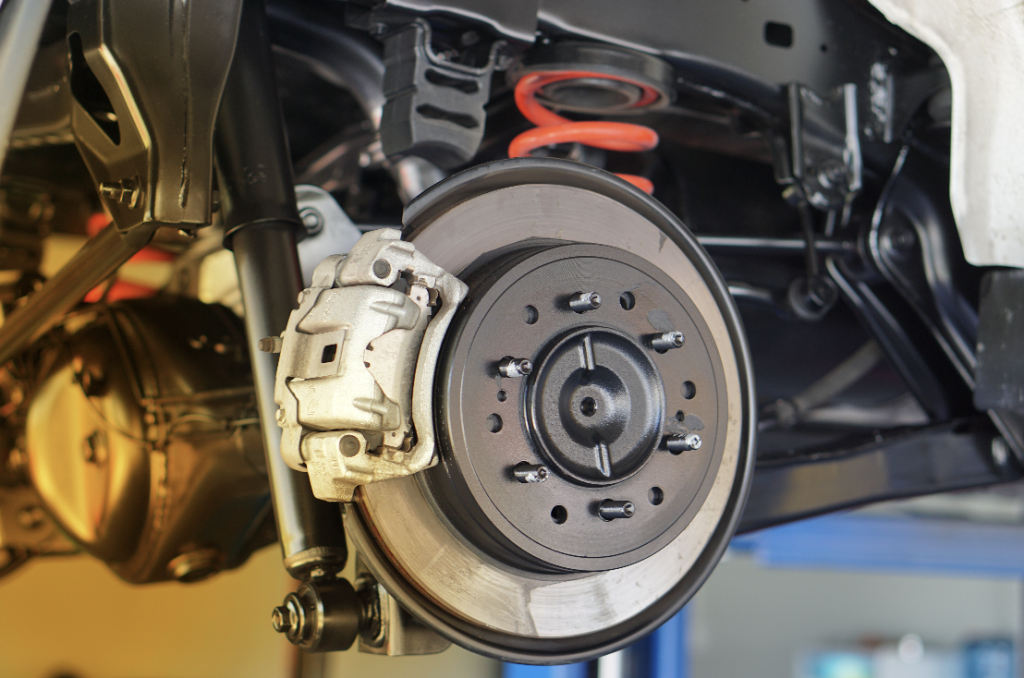
Every Mazda is designed to move with balance, where control, responsiveness, and confidence work together in a way that feels natural behind the wheel. Braking plays a central role in that experience, yet it is often evaluated only when replacement becomes necessary. Many drivers begin comparing OEM and aftermarket brake components based on cost alone, but the real difference comes from how each option interacts with the vehicle as a complete system. Understanding how brake components are engineered, how they wear over time, and how they affect long term ownership helps clarify which choice aligns with how your Mazda is meant to perform. How Brake Systems Work As A Complete System In Mazda Vehicles Many drivers ask what the difference is between OEM and aftermarket brakes, but that question begins with understanding how the brake system works as a whole. A brake system functions by converting motion into heat through friction, using coordinated interaction between brake pads, rotors, and hydraulic pressure. In a vehicle like the Mazda CX 5, pressing the brake pedal activates hydraulic force that pushes brake pads against rotating rotors. This contact slows the vehicle by creating controlled friction, which must remain consistent across different speeds and driving conditions. This system is not made up of independent parts. Each component is calibrated to work with the others. Brake pads are designed with specific friction materials to match rotor composition Rotors are engineered to manage heat and maintain structural stability Hydraulic pressure is balanced to deliver smooth and predictable braking response When these elements are aligned, braking feels consistent and controlled. For drivers, this means the vehicle responds in a way that feels natural and predictable, whether slowing in traffic or stopping at higher speeds. OEM Brake Components And Why Fitment Precision Matters Drivers often wonder if OEM brake pads are better than aftermarket options, especially when comparing cost. OEM brake components are designed specifically for the vehicle, meaning they are engineered to match the exact specifications of the braking system. In models like the Mazda CX 50, OEM brake pads and rotors are developed alongside the vehicle itself. This ensures that material composition, size, and fitment align precisely with how the system was designed to perform. Fitment precision matters because even small variations can affect how the system behaves. Proper fitment ensures even contact between brake pads and rotors Consistent material composition reduces noise and vibration Engineered alignment supports balanced heat distribution These factors contribute to a braking experience that remains smooth and predictable over time. For drivers, OEM components maintain the original feel of the vehicle. They are not just replacements. They are a continuation of how the system was designed to function. How Aftermarket Brake Components Differ In Material And Performance Many drivers consider aftermarket brakes as an alternative, often asking whether they are safe and how they compare in performance. Aftermarket brake components are produced by third party manufacturers and can vary widely in material composition, fitment, and overall quality. In a vehicle like the Mazda CX 30, installing aftermarket brake components introduces variability into a system that was originally engineered for consistency. While some aftermarket options may meet basic safety standards, they are not always calibrated to match the vehicle’s original design. Material differences play a significant role in how these components perform. Variations in friction material can change stopping response Inconsistent fitment can lead to uneven wear patterns Differences in heat management can affect long term durability This does not mean all aftermarket components perform poorly, but it does mean performance can be less predictable. For drivers, this variability can show up as changes in braking feel, increased noise, or faster wear over time. How Warranty And Long Term Cost Are Affected By Brake Choice Drivers often ask whether aftermarket brake components affect warranty coverage and how cost compares over time. Warranty coverage applies to defects in materials or workmanship within OEM systems, but it may not extend to issues caused by non OEM parts. In a vehicle like the Mazda CX 90, this distinction becomes important when repairs are needed. If an issue is linked to aftermarket components, it may fall outside standard warranty coverage. Cost is also more complex than the initial price of the parts. OEM components often have a higher upfront cost but are designed for consistent wear Aftermarket components may cost less initially but can wear unevenly Increased wear can lead to more frequent replacement or additional service This creates a long term difference in ownership cost that is not always visible at the time of purchase. For drivers, understanding this relationship helps prevent decisions based solely on short term savings. How To Choose Between OEM And Aftermarket Based On Driving Needs Choosing between OEM and aftermarket brake components comes down to how you expect your vehicle to perform over time. There is no single answer that applies to every driver, but there is a clear difference in how each option aligns with Mazda’s original design. If your priority is maintaining the original driving feel, consistency, and system balance, OEM components provide a direct continuation of the vehicle’s engineering. If your priority is reducing upfront cost and you are comfortable with potential variation in performance, aftermarket options may be considered, but require careful evaluation of quality and compatibility. Consider how important braking consistency is in your daily driving Evaluate how long you plan to keep the vehicle Think about how changes in noise, feel, or wear may affect your experience For a Mazda driver, braking is not just about stopping. It is part of the connection between driver and vehicle. Choosing the right components ensures that connection remains intact over time.