Blog / Jacksonville Mazda Service

Blog

All Jacksonville Mazda Service Mazda City of Orange Park Jacksonville Mazda Dealer Mazda City of Orange Park Service Things To Do In Jacksonville Jacksonville Amenities Jacksonville Entertainment Jacksonville Used Cars Jacksonville Eateries Tom Bush Family of Dealerships Jacksonville Restaurants Jacksonville Parks Jacksonville Landmarks Mazda City of Orange Park Collision Center Mazda SUVs Collision Center in Jacksonville Jacksonville Art Jacksonville Fitness Orange Park Florida Mazda Dealer Orange Park Florida Mazda Service Holidays in Jacksonville Shopping in Jacksonville Weekend Getaways Auto Insurance Family Fun in Jacksonville Jacksonville Thrifting Orange Park Mazda Service Road Trips Small Town Fun Things To Do Near Jacksonville

Bad Spark Plug Symptoms and Check Engine Light Signs

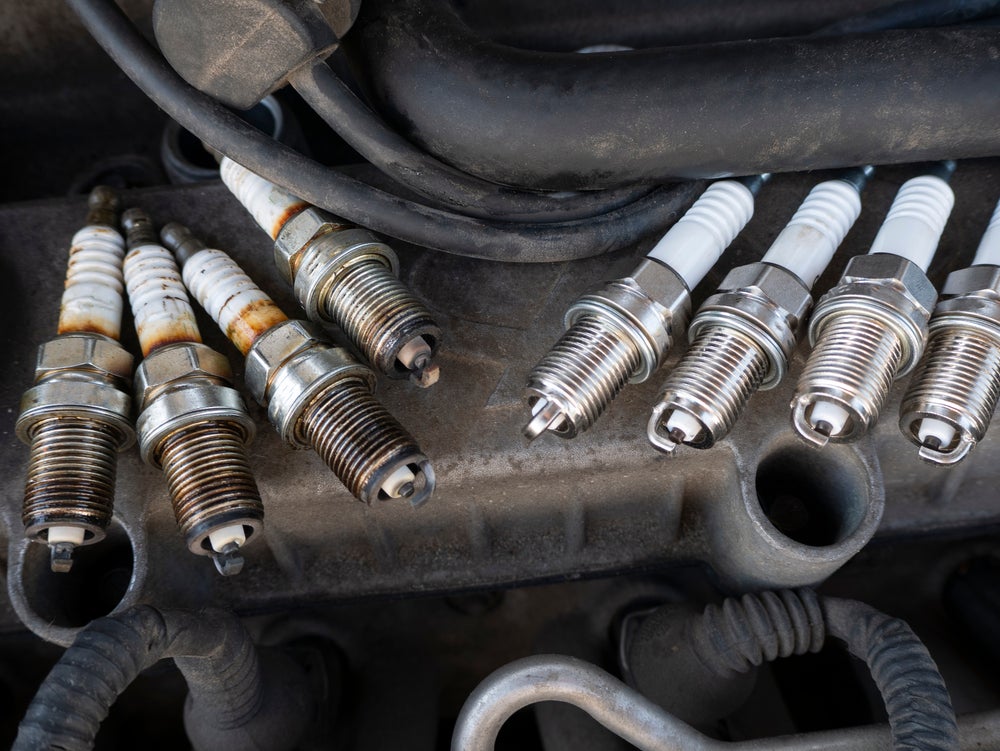
Bad spark plug symptoms may include rough idle, hard starting, weak acceleration, misfires, fuel changes, and a check engine light. However, these signs do not identify one failed part without inspection. Several ignition, fuel, electrical, and mechanical faults may produce similar warning signs. Spark plugs ignite the compressed air and fuel mixture inside each gasoline engine cylinder. Therefore, worn electrodes, deposits, cracks, or an incorrect gap may weaken that spark. Combustion may then become uneven or fail within one cylinder. That failure is called a misfire. A Mazda technician may inspect stored fault codes, plug condition, coil output, wiring, fuel delivery, and cylinder health. This process finds the source before parts are replaced. Bad Spark Plug Symptoms and Their Mechanical Cause What do bad spark plug symptoms feel like? They may feel like shaking, hesitation, delayed starting, uneven idle, or reduced engine response. A rough idle may appear when one cylinder fires less evenly than the others. Consequently, the engine may vibrate while the Mazda sits at a stop. The vibration may lessen after engine speed rises, though the underlying fault may remain. Hard starting may also appear when worn plugs struggle to ignite the mixture. The starter may turn the engine normally, yet ignition takes longer. However, a slow crank points toward a different electrical path and needs separate testing. more Acceleration places greater demand on the ignition process. Cylinder pressure rises when the driver presses the accelerator. Therefore, a weak spark may show up as hesitation, stuttering, or reduced power during that moment. Fuel use may rise when combustion does not finish cleanly. The engine may use more fuel while producing less useful energy. Still, tire pressure, injectors, filters, and driving patterns may also change fuel consumption. Common warning signs include: Rough idle may feel like shaking or uneven engine speed while stopped. Misfires may create hesitation, stuttering, popping sounds, or sudden power loss. Hard starting may occur even when the starter turns the engine at a normal speed. These signs support an inspection request, not a parts diagnosis. Furthermore, one damaged plug may create symptoms that resemble a coil or injector fault. Check Engine Light and Misfire Urgency Can bad spark plugs cause a check engine light? Yes, a plug related misfire may trigger the warning. However, the dashboard light does not name the failed component. Mazda monitoring may detect uneven combustion and store a diagnostic code. That code may identify a cylinder misfire or another engine fault. Therefore, a technician still needs testing before selecting a repair. A steady check engine light calls for prompt attention. The Mazda may still run, though continued driving could worsen the fault. Schedule an inspection soon and watch for shaking, stalling, fuel odor, or power loss. A flashing check engine light requires faster action. Mazda owner guidance directs drivers to avoid high speeds and seek dealer inspection promptly. Newer Mazda manuals may instruct the driver to park safely and contact an authorized dealer. Severe shaking, repeated stalling, strong fuel odor, or major power loss also raise urgency. Consequently, pull over safely when the Mazda no longer responds normally. Roadside assistance may be safer than driving farther. Do not disconnect battery cables while the check engine light remains on or flashes. Mazda warns that reconnecting the battery may damage the engine under this circumstance. Spark Plugs Versus Ignition Coils How do spark plug and ignition coil faults differ? The coil supplies high voltage, while the plug creates the spark inside the cylinder. Each part serves a separate job within the same ignition process. Therefore, failure in either part may create rough idle, misfires, hesitation, or a warning light. Symptoms alone may not separate them. A worn spark plug may have eroded electrodes, heavy deposits, damage, or an incorrect gap. By contrast, a weak ignition coil may fail to deliver enough voltage. The connected plug then struggles to create a strong spark. Heat and electrical load may make a coil fault appear during acceleration. A damaged plug may also struggle under higher cylinder pressure. Consequently, both faults may feel stronger when merging, climbing, or passing. A technician may swap coils between cylinders during testing. If the misfire moves with the coil, that result points toward the coil. Plug inspection may reveal deposits, cracks, wear, or gap trouble. Mazda City already has a separate ignition coil resource. Therefore, the refreshed spark plug page should link there without repeating the full coil discussion. Starting Trouble and Related Electrical Faults Does every hard start point toward spark plugs? No. The way the Mazda cranks provides a useful first distinction. When the engine turns at a normal speed but takes longer to fire, ignition or fuel delivery deserves inspection. Spark plugs may sit within that diagnostic path. However, fuel pressure, injectors, sensors, or compression may also require testing. A slow crank usually points toward battery power, cable resistance, starter trouble, or charging concerns. Dim lights or clicking sounds strengthen that electrical direction. Spark plugs do not control starter speed. A no crank event belongs to a different path. The driver may hear one click, repeated clicks, or silence. Therefore, battery, terminal, starter, security, or control faults require review. After a successful jump start, repeated battery trouble may point toward the battery or charging circuit. Mazda City’s jump start and alternator articles should remain separate resources. Starting trouble should be described clearly when service is scheduled. Note whether the engine cranks slowly, cranks normally, clicks, stalls, or starts after several attempts. Those details give the technician a stronger diagnostic starting point. When to Schedule Mazda Service Bad spark plug symptoms deserve inspection when they persist, return, or appear with a warning light. Early testing may prevent a minor ignition fault from placing added strain on other engine parts. Schedule service soon for rough idle, slower starting, hesitation, fuel changes, or a steady check engine light. Describe when each symptom appears and whether engine temperature changes it. Seek faster assistance for: A flashing check engine light, severe shaking, repeated stalling, or sudden power loss. Strong fuel odor, smoke, unusual heat, or trouble keeping the engine running. A Mazda that no longer responds safely during acceleration or normal traffic. When scheduling, share the model, model year, mileage, warning lights, sounds, and recent repairs. In addition, explain whether the concern appears during startup, idle, acceleration, or highway travel. Mazda City technicians may inspect the plugs, coils, stored codes, wiring, fuel delivery, and related engine parts. Therefore, diagnosis stays focused on evidence instead of one symptom. A clear service path gives the owner the right next step without guessing at the repair.

OEM Vs Aftermarket Mazda Brake Components Fitment Warranty And Long Term Value

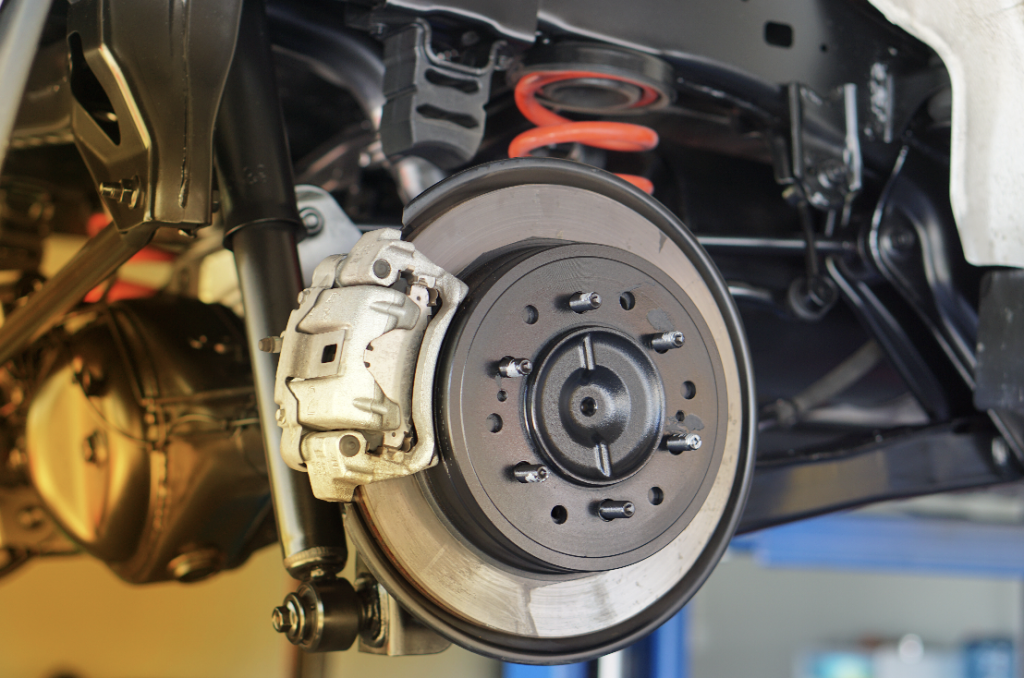
Every Mazda is designed to move with balance, where control, responsiveness, and confidence work together in a way that feels natural behind the wheel. Braking plays a central role in that experience, yet it is often evaluated only when replacement becomes necessary. Many drivers begin comparing OEM and aftermarket brake components based on cost alone, but the real difference comes from how each option interacts with the vehicle as a complete system. Understanding how brake components are engineered, how they wear over time, and how they affect long term ownership helps clarify which choice aligns with how your Mazda is meant to perform. How Brake Systems Work As A Complete System In Mazda Vehicles Many drivers ask what the difference is between OEM and aftermarket brakes, but that question begins with understanding how the brake system works as a whole. A brake system functions by converting motion into heat through friction, using coordinated interaction between brake pads, rotors, and hydraulic pressure. In a vehicle like the Mazda CX 5, pressing the brake pedal activates hydraulic force that pushes brake pads against rotating rotors. This contact slows the vehicle by creating controlled friction, which must remain consistent across different speeds and driving conditions. This system is not made up of independent parts. Each component is calibrated to work with the others. more Brake pads are designed with specific friction materials to match rotor composition Rotors are engineered to manage heat and maintain structural stability Hydraulic pressure is balanced to deliver smooth and predictable braking response When these elements are aligned, braking feels consistent and controlled. For drivers, this means the vehicle responds in a way that feels natural and predictable, whether slowing in traffic or stopping at higher speeds. OEM Brake Components And Why Fitment Precision Matters Drivers often wonder if OEM brake pads are better than aftermarket options, especially when comparing cost. OEM brake components are designed specifically for the vehicle, meaning they are engineered to match the exact specifications of the braking system. In models like the Mazda CX 50, OEM brake pads and rotors are developed alongside the vehicle itself. This ensures that material composition, size, and fitment align precisely with how the system was designed to perform. Fitment precision matters because even small variations can affect how the system behaves. Proper fitment ensures even contact between brake pads and rotors Consistent material composition reduces noise and vibration Engineered alignment supports balanced heat distribution These factors contribute to a braking experience that remains smooth and predictable over time. For drivers, OEM components maintain the original feel of the vehicle. They are not just replacements. They are a continuation of how the system was designed to function. How Aftermarket Brake Components Differ In Material And Performance Many drivers consider aftermarket brakes as an alternative, often asking whether they are safe and how they compare in performance. Aftermarket brake components are produced by third party manufacturers and can vary widely in material composition, fitment, and overall quality. In a vehicle like the Mazda CX 30, installing aftermarket brake components introduces variability into a system that was originally engineered for consistency. While some aftermarket options may meet basic safety standards, they are not always calibrated to match the vehicle’s original design. Material differences play a significant role in how these components perform. Variations in friction material can change stopping response Inconsistent fitment can lead to uneven wear patterns Differences in heat management can affect long term durability This does not mean all aftermarket components perform poorly, but it does mean performance can be less predictable. For drivers, this variability can show up as changes in braking feel, increased noise, or faster wear over time. How Warranty And Long Term Cost Are Affected By Brake Choice Drivers often ask whether aftermarket brake components affect warranty coverage and how cost compares over time. Warranty coverage applies to defects in materials or workmanship within OEM systems, but it may not extend to issues caused by non OEM parts. In a vehicle like the Mazda CX 90, this distinction becomes important when repairs are needed. If an issue is linked to aftermarket components, it may fall outside standard warranty coverage. Cost is also more complex than the initial price of the parts. OEM components often have a higher upfront cost but are designed for consistent wear Aftermarket components may cost less initially but can wear unevenly Increased wear can lead to more frequent replacement or additional service This creates a long term difference in ownership cost that is not always visible at the time of purchase. For drivers, understanding this relationship helps prevent decisions based solely on short term savings. How To Choose Between OEM And Aftermarket Based On Driving Needs Choosing between OEM and aftermarket brake components comes down to how you expect your vehicle to perform over time. There is no single answer that applies to every driver, but there is a clear difference in how each option aligns with Mazda’s original design. If your priority is maintaining the original driving feel, consistency, and system balance, OEM components provide a direct continuation of the vehicle’s engineering. If your priority is reducing upfront cost and you are comfortable with potential variation in performance, aftermarket options may be considered, but require careful evaluation of quality and compatibility. Consider how important braking consistency is in your daily driving Evaluate how long you plan to keep the vehicle Think about how changes in noise, feel, or wear may affect your experience For a Mazda driver, braking is not just about stopping. It is part of the connection between driver and vehicle. Choosing the right components ensures that connection remains intact over time.

How Mazda Service Appointments Work; Recalls, Diagnostic Fees and Warranty Coverage Explained

Every Mazda is designed with intention, where engineering and human experience move together. That same sense of clarity continues into ownership, especially when service becomes part of the experience. For many drivers, the uncertainty is not about the vehicle itself, but about what happens once it enters the service lane. Questions around diagnostic fees, recall repairs, and warranty coverage often create hesitation before scheduling an appointment. Understanding how these systems work together helps turn the process into something predictable, structured, and easier to navigate. What Happens During A Mazda Service Appointment From Arrival To Inspection Many drivers want to understand what actually happens during a Mazda service appointment, from the moment they arrive to when the vehicle is inspected. A service appointment follows a structured process designed to identify concerns, evaluate systems, and communicate next steps clearly. In a vehicle like the Mazda CX 5, the process begins with check in, where the service advisor documents the concern, whether it is routine maintenance or a specific issue. This step matters because it defines how the technician approaches the inspection. The vehicle is then routed to a technician who performs a multi point evaluation. This includes both visual inspection and system level checks to assess how different components are performing. more Initial inspection reviews visible wear such as tires, brakes, and fluid levels System checks evaluate electronic and mechanical performance through onboard data Technician notes identify any irregularities that require deeper analysis This process is designed to move from observation to confirmation. For a driver, this means the vehicle is not being guessed at. It is being evaluated through a consistent and repeatable system that prioritizes accuracy. How Vehicle Diagnostics Work And Why Diagnostic Fees Exist A common point of confusion is whether you pay for diagnostic testing at a dealership and what that fee actually covers. A diagnostic fee applies when a technician needs to identify the source of a problem that is not immediately visible. In models like the Mazda CX 50, modern vehicles rely on interconnected systems that monitor performance through sensors and control modules. When something feels off, the issue may not be obvious without deeper analysis. Diagnostics work by combining digital system scans with physical inspection. The vehicle’s onboard systems generate data that points to potential issues, but that data must be interpreted by a technician. Electronic scans identify stored fault codes within vehicle systems Technicians analyze how those codes relate to real world symptoms Additional testing may be required to confirm the root cause of the issue The diagnostic fee reflects the time and expertise required to perform this evaluation. It is not tied to the repair itself. It is tied to identifying what needs to be repaired. For drivers, this step is critical because it ensures that any repair recommendation is based on verified information rather than assumption. How Mazda Recalls Are Handled And Why They Are Different From Repairs Are Mazda recall repairs free Mazda recall repairs are completed at no cost because they are issued by the manufacturer to correct a known issue that affects safety or performance. In vehicles like the Mazda CX 30, a recall is triggered when a pattern of concern is identified across multiple vehicles. The manufacturer develops a solution and provides instructions to dealerships on how to perform the repair. This process is different from standard repairs because the responsibility does not fall on the owner. It falls on the manufacturer. Recall repairs are pre approved and follow a defined repair procedure Parts and labor are covered by the manufacturer No diagnostic fee is applied when the issue is directly related to the recall This distinction matters because it removes uncertainty. For drivers, recall repairs are not optional maintenance or unexpected repairs. They are manufacturer supported updates designed to ensure the vehicle continues to perform as intended. How Warranty Coverage Determines What You Pay For Drivers often ask what Mazda warranty coverage actually includes when it comes to repairs. Warranty coverage applies to defects in materials or workmanship, meaning it protects against issues that originate from how the vehicle was built. In a vehicle like the Mazda CX 90, warranty validation begins after diagnostics identify the issue. The dealership then determines whether the concern falls within warranty guidelines. This process is based on cause, not just the presence of a problem. If the issue is caused by a defect, the repair is covered If the issue is caused by wear or external factors, the repair is not covered Warranty coverage applies only within specific time and mileage limits This evaluation ensures that responsibility is clearly defined. For drivers, it means understanding that warranty coverage is not a blanket protection for all repairs, but a structured system that applies to specific types of issues. How Service Communication And Approval Shape The Final Experience Service does not end with inspection or diagnosis. It continues through communication and approval, which ultimately determine how the experience feels from the driver’s perspective. Once a technician completes the evaluation, the service advisor translates those findings into clear recommendations. This step is where technical information becomes understandable and actionable. Drivers are then presented with options based on the findings. Approved repairs move forward based on confirmed issues Declined services are documented for future consideration Transparent communication ensures there are no unexpected steps This process creates alignment between the vehicle, the technician, and the driver. It allows decisions to be made with clarity rather than pressure. For a Mazda owner, this structure reinforces a sense of trust. The goal is not just to repair the vehicle, but to maintain the connection between driver and machine through clear, thoughtful service.

Mazda Service in Jacksonville, FL

Mazda Maintenance Myths: What You Should and Shouldn’t Believe

At Mazda City of Orange Park, we meet drivers every day who love their Mazdas—but sometimes fall for outdated or misleading maintenance advice. Whether you drive a sleek Mazda3, a versatile CX-5, or the turbocharged CX-90, proper care is key to keeping your vehicle performing like new. So let’s bust some common myths and set the record straight. Myth vs. Reality: Mazda Maintenance Edition ❌ Myth #1: “You need an oil change every 3,000 miles.” ✅ Reality: Modern Mazdas with Skyactiv® engines typically require oil changes every 5,000 to 7,500 miles, depending on driving habits and conditions. Over-servicing wastes money and resources—stick to your owner’s manual or ask our certified techs for guidance. ❌ Myth #2: “Brake fluid never needs replacing.” ✅ Reality: Brake fluid absorbs moisture over time, which can reduce braking performance. Mazda recommends a brake fluid refresh every 30,000 to 60,000 miles. At Mazda City of Orange Park, we include this in our milestone service packages. ❌ Myth #3: “If it’s running fine, skip the 30k/60k/100k services.” more ✅ Reality: These intervals are crucial for long-term reliability. Services include spark plug replacement, belt inspections, fluid flushes, and air filter changes. Skipping them can lead to costly repairs down the road. ❌ Myth #4: “All service shops are the same.” ✅ Reality: Only Mazda-certified service centers like ours use OEM parts, follow factory procedures, and have access to Mazda’s latest diagnostic tools. That means better performance, warranty protection, and peace of mind. ❌ Myth #5: “Tire rotation isn’t necessary with AWD.” ✅ Reality: Even with Mazda’s i-Activ AWD®, uneven tire wear can affect handling and fuel efficiency. We recommend rotating tires every 7,500 miles to extend their life and maintain optimal traction. Unique Mazda Features That Deserve Expert Care Skyactiv® Technology: Precision-engineered engines and transmissions that require specific fluids and service intervals. Turbocharged Engines: Found in models like the CX-30 and CX-90, these engines need spark plug changes every 40,000–75,000 miles. Connected Services: Mazda’s digital features like remote start and vehicle health reports rely on proper software updates and diagnostics. Why Trust Mazda City of Orange Park? Certified Technicians: Trained specifically on Mazda vehicles. Genuine Mazda Parts: No guesswork—just factory-grade reliability. Transparent Service: We explain every recommendation and show you why it matters. Schedule Your Service Today Don’t let myths drive your maintenance decisions. Visit Mazda City of Orange Park for expert care, honest advice, and a team that treats your Mazda like their own.

Tire pressure gauge

3 Preventative Maintenance Items at Your Mazda Service Center

Preventative maintenance protects your vehicle from damage caused by worn-out components, saving you money on future repair bills. As your Mazda service center, we want to tell you about some of the types of maintenance we offer. Spark Plug Replacement A spark plug screws into the top of each engine cylinder, and its job is to ignite the compressed fuel-air mixture in the engine cylinders at a precise moment, producing efficient combustion. Each spark plug also has an ignition coil that connects to it to boost its voltage. These plugs are replaced anywhere between 30,000 miles and 100,000 miles, depending on the type of plugs in your Mazda. Replacing the plugs when they're due ensures your engine will continue to work efficiently. If the plugs are not replaced, they will wear out, and you'll experience issues like rough idling, misfiring, or stalling. These issues all increase fuel consumption, and they can also cause damage to the cylinders and pistons. more Battery Check The battery stores electricity, which is used to provide the initial charge that powers the starter to crank the engine and bring it to life. The average lifespan of a battery is only three to five years, as the chemicals inside it that store electricity as chemical energy gradually break down. This chemical breakdown reduces the battery's storage capacity and makes it more difficult to recharge. As a battery gets weaker, it will take longer to start the engine. Eventually, the battery will be too weak, and the only way to start your Mazda will be by jump-starting it. We can prevent these issues by regularly testing your battery, starting from its third year. Our computerized battery tester will identify any weakness in the battery, and we can quickly replace it while you wait to ensure your vehicle continues to start the first time, every time. Tire Care High-quality tires provide excellent traction, allowing you to travel at speed and also stop quickly when you hit the brakes. It's impossible to prevent a tire's tread from slowly wearing down due to surface friction, but you can prevent unnecessary wear and tear and extend its useful life. Tire rotations, tire balancing, and wheel alignment all correct minor issues that damage specific areas of a tire and cause it to wear out faster than necessary. Our technicians can also adjust tire pressure to fix problems like under- or overinflation, and advise you on your tire condition. Rotations, wheel alignment, and balance checks should be performed every six months to have the greatest impact on tire health. If you'd like to know more about preventative maintenance or to book a service, contact us at Mazda City of Orange Park in Jacksonville, FL.

A Certified Mazda Technician performing an oil change

Mazda Maintenance Schedule: Keeping Your Vehicle in Top Shape

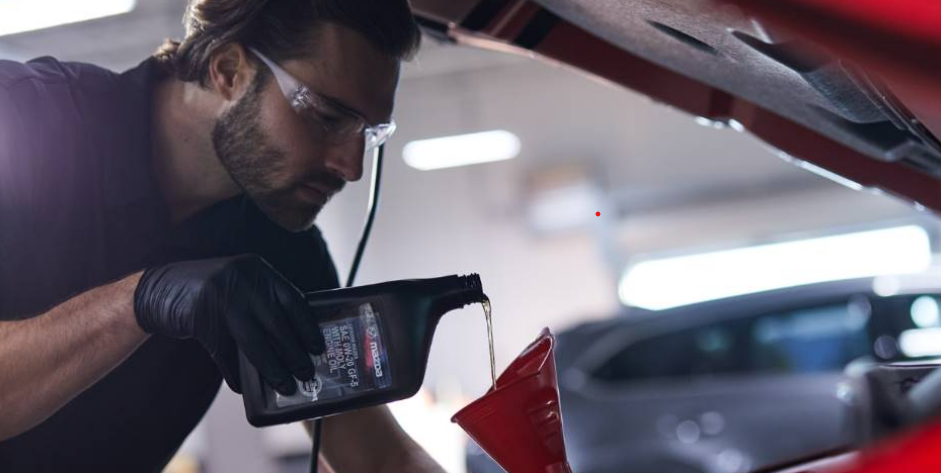
Your car manual contains a detailed maintenance schedule for your vehicle. It's been carefully designed to check and replace components before they wear out due to age and usage. This ensures your Mazda always provides peak performance. As your Mazda dealer, we want to tell you more about a few examples of services from your Mazda maintenance schedule we offer. more Examples of Scheduled Maintenance From Your Mazda Maintenance Schedule Oil Changes Your Mazda uses synthetic oil, which provides superior lubrication, contains more additives, and is more efficient than regular engine oil. Synthetic oil also lasts longer, but it will eventually need replacement. Regular oil changes are essential for good engine performance, as older oil becomes thick and sluggish due to the accumulation of dirt and minute debris from the engine. Thicker, older oil provides less lubrication, increasing wear and tear on engine components, as many depend on friction to work effectively. Oil additives also lose potency, potentially increasing harmful engine build-ups and producing rust. We prevent these issues by draining and replacing the old oil and installing a new oil filter. Oil changes are usually every 3,000 miles, but replacement time can vary depending on your Mazda model. Engine Air Filter Replacement Combustion requires fuel and air, which mix in a precise ratio, are compressed inside the cylinders, and then ignited by the spark plugs screwed into each cylinder. It may seem strange, but your engine requires more air than fuel in the ratio, as fuel can only burn correctly if it has enough air. The air used by the engine flows in through the radiator grille and then enters the air filter. The air filter traps dirt, dust, and other airborne debris to ensure only clean air enters the engine. As time passes, dirt accumulates in the filter and eventually blocks it. When this happens, lack of air turns the fuel-air mixture fuel-rich. A fuel-rich engine lowers fuel efficiency and increases damage to engine components. The air filter usually requires replacement after 12,000 miles. Transmission Fluid Check Transmission fluid provides the essential hydraulic power that allows the gears to change smoothly and efficiently. It protects numerous transmission components by providing a protective coating that reduces wear and tear as they glide rather than grind against each other. This fluid also helps lower the temperature in the transmission. Older transmission fluid loses many of its specialized properties, increasing component damage. The fluid's reduced ability to provide hydraulic power will cause noises in the transmission, slower gear changes, and issues like gear slipping. Transmission fluid should be checked every two years and replaced according to your model's maintenance schedule. These are only a few of the wide range of maintenance services we provide. Contact our service department today at Mazda City of Orange Park in Jacksonville, FL, to book your next maintenance.

Maximizing Your Mazda's Performance: The Importance of Regular Tune-Ups

A tune-up is used to correct ignition system issues that develop over time. Nowadays, your Mazda's computer controls these systems and adjusts when needed to ensure correct performance. A modern tune-up for your Mazda involves checking and testing a range of systems so your Mazda delivers peak performance. As your Mazda dealer, we want to tell you about some of the systems we check and adjust during a Mazda tune-up. From Your Mazda Dealer: Checklist for a Mazda Tune-Up Spark Plugs Spark plugs ignite the fuel-air mixture in the cylinders, creating combustion. Plugs wear out due to age and won't fire correctly. They can also loosen in their housing. If a plug doesn't ignite perfectly, it causes a misfire, and your Mazda could stall. We examine your plugs and tighten or replace them so the fuel-air mixture will burn correctly. more Ignition Coils The coils provide additional power to the plugs. Each plug has a coil connected to it which boosts the plug's output from 12 volts to 30,000 volts so it can successfully ignite the fuel-air mixture. Coils also wear out over time, and a worn coil will cause misfiring, decreased engine power, and low performance. Replacing worn or damaged coils fixes these issues. Serpentine Belt The serpentine belt is made from tough, reinforced rubber to work effectively in the hot engine compartment. It connects to the crankshaft, and the crankshaft's turning causes the belt to run across a series of pulleys. The belt's movement causes the pulleys to spin, and the pulleys power essential systems like the alternator, AC compressor, and power steering pump. A worn belt can slip, preventing it from spinning one or more pulleys. Depending on the pulley, the alternator could shut down, depriving the systems of electricity, or your steering wheel will become heavier and difficult to turn. The belt could also snap, shutting down all the systems. We ensure the belt is correctly seated and tensioned. We'll replace a worn or damaged belt to prevent these issues. Timing Belt This belt is also made from tough rubber and connects the camshaft at the top of your engine to the crankshaft at the bottom of your engine. Its movement synchronizes the opening and closing of the intake and exhaust vents of the cylinders with the movement of the pistons. These movements must be precisely timed for the combustion process to work successfully. If the belt's tension is too tight, it suffers friction damage and could snap. A belt that is too loose could fall off. In either situation, belt failure will shut down your engine, potentially causing major engine damage in the process. We check the belt is correctly tensioned and will replace a worn belt. Regular tune-ups increase your engine life and prevent many future repairs. Contact us today at Mazda City of Orange Park in Jacksonville, FL.

Check Engine Light

Decode Your Mazda's Dashboard: Understanding What Your Car is Trying to Tell You

Your Mazda dashboard lights are vital to safe driving and your car's health. They illuminate in response to issues that affect your vehicle, providing time to visit your Mazda dealer and get the issue repaired. There are many different lights, and we want to tell you about some of them and the potential problems they identify. From Your Mazda Dealer: Warnings From Your Mazda Dashboard Lights Brake Warning Light This light looks like an exclamation point in a circle surrounded by brackets. It represents your electronic parking brake, also known as the emergency brake. It's pulled up when you park as additional security to prevent your car from moving and must be disengaged before you can drive. This warning means the brake may have failed, and we need to check it ASAP and repair it if necessary. more ABS Warning Light This warning icon appears as either ABS or ABS inside a circle surrounded by brackets. The ABS, Anti-Lock Braking System, is a safety feature that prevents your wheel from locking if your car spins on a wet surface. Locked wheels prevent you from controlling your vehicle and getting out of a spin. You can drive with an illuminated ABS light, but it's dangerous in wet conditions. We'll identify the issue and fix it. Charging System Warning Light Also known as the battery light, it appears as a line drawing of a battery with a + and - sign. This warning light illuminates if a problem is detected in your electrical system. It can represent various issues, from damaged wiring to a damaged alternator or failing battery. Our technicians will investigate and repair the problem. Engine Oil Warning Light This warning looks like a line drawing of an oil can, meaning the oil pressure in your engine is low. It could be due to a leak, a blocked oil filter, a blockage elsewhere in the system, or old oil. We advise against driving if this light illuminates, as an oil circulation problem can cause major damage to your engine very quickly. We can repair any of these issues, and the warning light will go out. Engine Coolant Temperature Warning. Coolant is a mixture of antifreeze and water, and it absorbs and removes engine heat to prevent damage to your engine. This light appears as a thermometer inside waves and means the coolant is too hot. Heat is removed from the coolant by heat exchange when it enters the radiator. We advise against driving if this light is active, as your engine could overheat and suffer major damage. We'll check the cooling system and cooling and fix the problem. If you have an illuminated warning light, contact us ASAP at Mazda City of Orange Park in Jacksonville, FL.

Jumper Cables

How to Jump Start Your Mazda in 3 Simple Steps

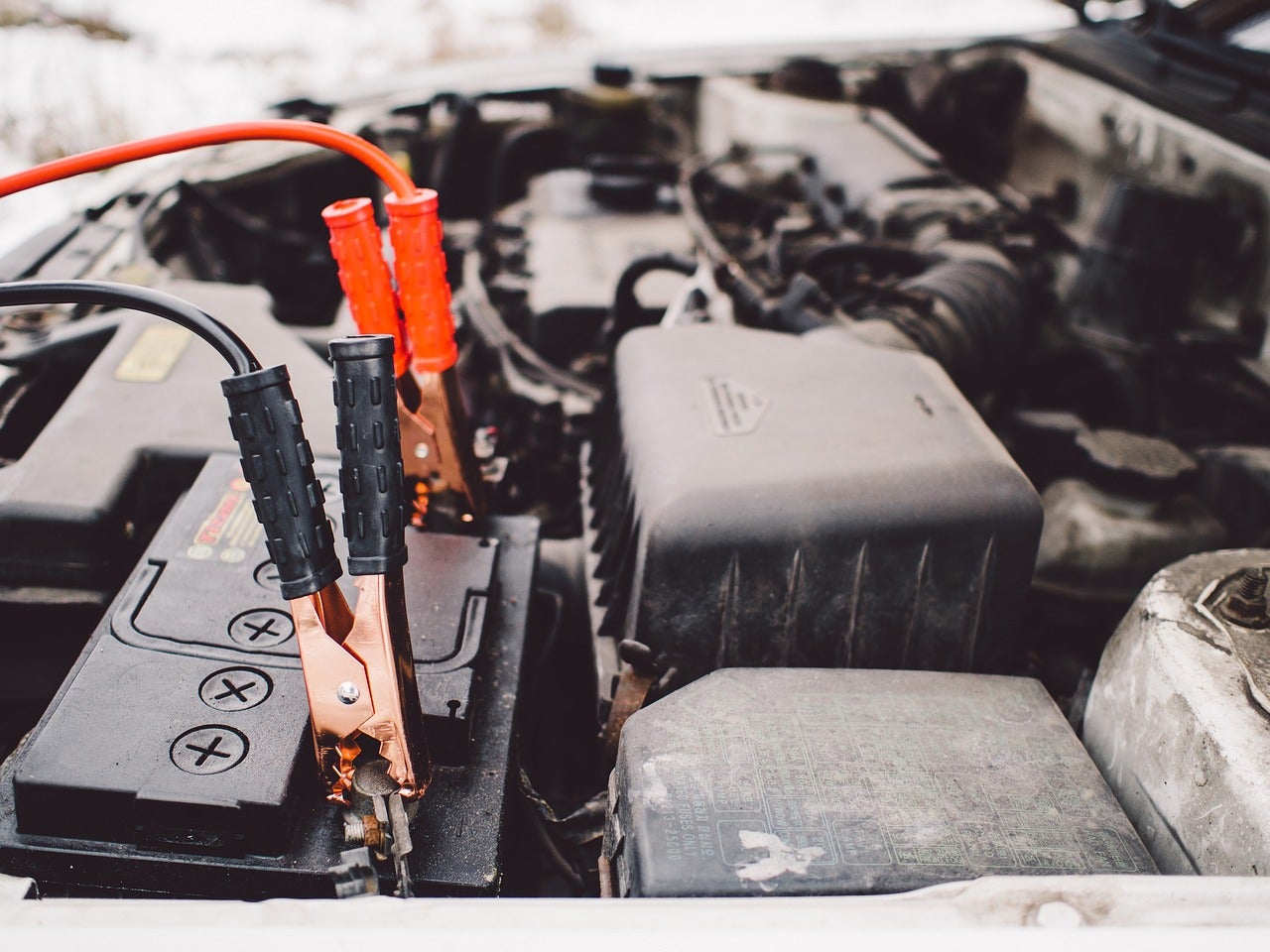
Jump-starting a car is a quick and easy way to give a weak battery enough juice to get back on the road. It's also not as difficult as it might look. Your Mazda has a battery warning light to warn you that your battery is in trouble, so you are unlikely to suffer a dead battery. As your Mazda dealer, we like to advise you on how to jump-start a car for a friend or family member who is in trouble. Advice From Your Mazda Dealer: 3 Steps To Jump-Start a Car Park Close When you jump start another car, you're transferring power from your battery to their battery. The further electricity has to travel through a cable, the more of it is lost through transmission. In addition, parking closer to the other vehicle prevents the jumper cables from being pulled taut and potentially slipping off the battery terminals. Most car batteries are under the hood, but some vehicles have the battery in the trunk. Before you position your car, check where the battery is in the other car. Once both vehicles are close to each other, open both hoods and switch off both engines. more Secure the Cables Jumper cables have a red cable and a black cable. The red cable is the positive, and the black cable is the negative. The cables must be connected in the correct order, as a mistaken connection can damage your battery or even start a fire. This is the correct order for attaching the cables. ​​​​​​​​​​​​​​​​​​​​ Red First Jumper cables have spring-loaded clamps on both ends of each cable. The first step is to connect one end of the red cable to the positive terminal on the dead battery. Once this clamp is secure, connect the other clamp on the red cable to the positive terminal on your battery. Black Second Now the red cables are in place, connect one of the clamps on the black cable to the negative terminal on your battery. The final connection is very important. The second clamp on the black cable must not be connected to the negative terminal on the dead battery. This could cause the damage or potential fire mentioned above. The second clamp on the black cable must be connected to a piece of metal in the other car's engine; for example, an unpainted bolt. Idle Your Mazda Start your engine and allow it to idle for several minutes. Electricity will flow from your battery to the dead battery. Once this time has passed, try and start the car with the dead battery. If it doesn't start, idle your engine for an additional 10 to 15 minutes. Once the other car is running, it is time to remove the cables. Now you know how to jump-start a dead battery. If you'd like to know more, contact us today at Mazda City of Orange Park.

earth-5240543_1280

How Often Should Your Mazda Get a Car Emissions Check?

Car emissions checks are mandatory in the vast majority of states across the US. These checks are to make sure your vehicle isn't releasing too many harmful gases into the atmosphere, and if your car does have problems with its emissions system, then you'll need to get it fixed. Your local Mazda dealership can fix any issue you might be having with your emissions system with ease. How Often Should You Get a Car Emissions Check in Florida? Emissions checks/smog tests haven't been mandatory in the entire state of Florida for several decades now, so there are no rules regarding how often you need to get an emissions check. You can get a smog test voluntarily if you wish, but if you know for a fact that your emissions system is fine, then you won't need to go and get an emissions check. more Instead of getting voluntary smog tests, it's generally best to just keep up with your preventative maintenance at the Mazda dealer instead. The mechanics at the dealership check every system in your vehicle and perform necessary repairs to keep every system running smoothly. There are also issues that'll start showing up in your car if your emissions system is faulty, and when you notice these issues, you can visit the dealer for a repair. Signs to Head to the Mazda Dealership for Emissions System Repairs Your Check Engine Light Is On The check engine light can turn on for a lot of different reasons, including problems with your emissions system. If this light turns on, then the best course of action is to go right to the dealer, even if your car isn't behaving weirdly in any way. Your Car Is a Little Sluggish If you've had your car for a while, then you're probably used to how it feels to drive. You know how quickly it accelerates, and you know how powerful it feels at any speed. If you notice the car isn't accelerating as quickly as it used to, or if it just feels less powerful while you're driving, then you have a problem. Sometimes issues with the emissions system can cause performance issues with the car, so it's time to visit the dealer. Your Car Is Using Too Much Gas Any time you have to start visiting the gas station more than usual, it points to a problem somewhere in the car. Your emissions system could be having problems, and that can lead to your engine using more fuel to stay running properly. Numerous other problems under the hood can lead to reduced fuel efficiency, too. Want to keep your emissions system in the best shape you can? Come to Mazda City of Orange Park. Let us investigate any problems you're having and fix them to get your car working like new.

Change,Oil,Soon,Warning,Light,On,Dashboard

Does Your Mazda Need an Oil Change?

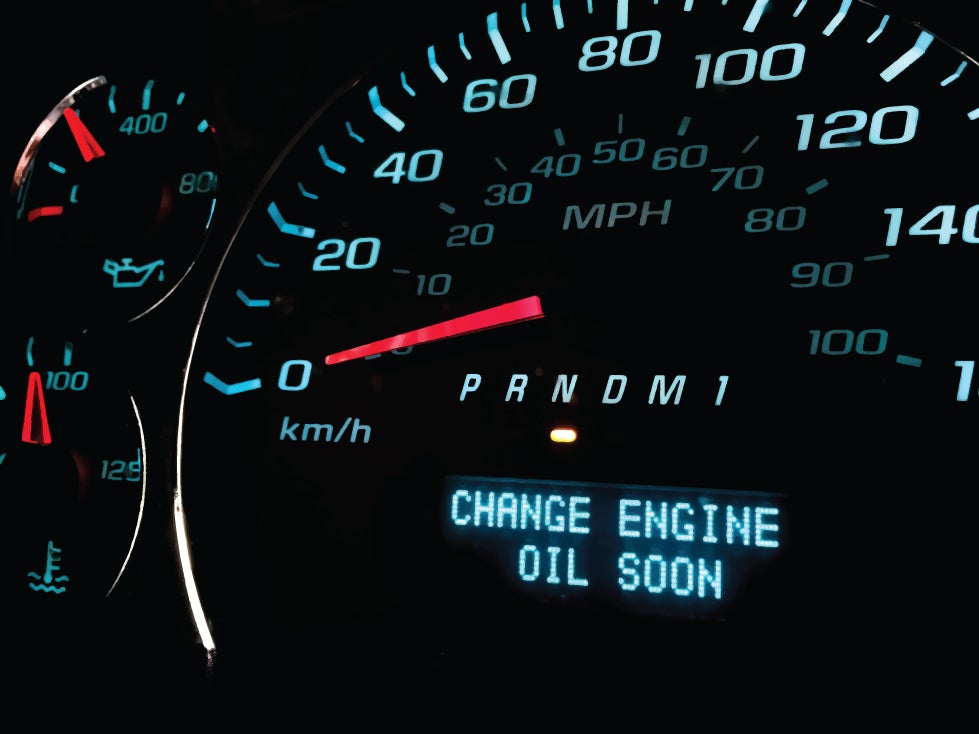
To ensure your Mazda engine stays in good condition, replace the oil at the factory-recommended intervals. Clean oil can boost the performance of your Mazda 3, CX-5, or Miata and extend the engine's life. Below are several warning signs when it's time to take your Mazda to your Mazda dealer for an oil change. Does Your Mazda Need an Oil Change From Your Mazda Dealer? You Haven't Changed the Oil in Six Months If it's been six months or 7,500 miles since your Mazda's last oil replacement, it's time for new engine oil. Routine oil replacements are the most important maintenance task, and ensure your engine is properly lubricated and protected. Always follow the factory-recommended oil replacement intervals in your vehicle's owner's manual, and your Mazda will be fuel-efficient and on the road longer. more The Oil Level Is Low Neglecting regular oil replacements can cause the oil level to drop dangerously low, leading to an increased risk of breakdown and irreversible engine damage due to lack of proper lubrication. The Oil Is Old and Contaminated Checking the oil's quality and consistency is as important as checking the oil level and topping it off when necessary. If the oil appears dark brown and thick and is not the typical amber color, it's likely contaminated with particles collected from the engine. Old and contaminated oil won't provide sufficient lubrication to the engine components and must be replaced as soon as possible. Your Car Is Leaking Oil Your car could have an oil leak when you spot oily brown puddles on the ground under your vehicle or around the engine. The oil could leak from various places, such as the drain plug, filler cap, or gaskets. Get the leak repaired promptly before the lack of oil causes severe engine damage. Your Car Is Overheating Over time, oil loses its ability to provide proper protection and lubrication to the metal engine components, which can lead to friction and overheating. That is why replacing the old oil with fresh and clean oil is so important. If it gets too hot under the hood, immediately bring your vehicle to us for a thorough inspection and an oil replacement. You Hear Noises Under the Hood Insufficient or contaminated oil inside the engine can lead to friction between the metal engine components, resulting in ticking or tapping noises. Do not ignore odd noises, particularly those coming from under the hood. It's a sign that something is wrong that could eventually cause permanent damage to your engine. Follow the recommended oil replacement intervals to prevent damage to your Mazda engine and to ensure fuel efficiency and longer engine life. Call Mazda City of Orange Park today to schedule an oil replacement to keep your engine well-lubricated and protected.

Replacing,The,Belt.,Car,Repair.,Under,The,Hood,Of,The

Does Your Mazda Need a New Engine Belt?

As a Mazda owner, one of the components you should be vigilant about checking is the engine belt. Identifying any wear and tear early on ensures you can keep your vehicle performance optimal, and there are some signs that you need a new belt from your Mazda dealership. Signs You Need a Belt Replacement From Your Mazda Dealership Visible Cracks or Damage A quick visual inspection can reveal a lot. If the belt has visible cracks, chunks missing, or frayed edges, it's a telltale sign that it's nearing the end of its life. more Squeaking or Squealing Noises If you start the engine or are driving and hear a high-pitched squeal, this can often be attributed to the belt either slipping or having come misaligned. Engine Overheating The belt drives the water pump, which circulates the coolant. A malfunctioning belt can lead to insufficient coolant circulation, causing the engine to overheat. Power Steering Issues If steering your Mazda becomes a challenge or feels heavy, especially during slower speeds or while parking, it might indicate that the belt, which is responsible for powering the hydraulic system, is failing. Air Conditioning Malfunctions On a hot day, if the air conditioning isn't cooling as effectively, it could be a sign that the belt, which also drives the AC compressor, is worn out. Battery Warning Light The engine belt also powers the alternator. If it's not functioning properly, the battery won't charge efficiently, and you might see the battery warning light on your dashboard. Ticking Noise from the Engine A rapid ticking noise from the engine, distinct from the squealing sound, may indicate a worn-out belt. This ticking often comes because the belt is not providing an efficient drive to the camshaft. Physical Slippage Over time, belts can stretch and might not fit the pulleys tightly. This can be spotted during a visual inspection; if the belt seems loose or not in its appropriate groove, it may need replacement. Routine Mileage Check Although not a direct sign of wear, belts typically need replacement every 60,000 to 100,000 miles. If you're nearing this range, consider getting a professional inspection just to be on the safe side. Function of the Engine Belt This belt, often referred to as a serpentine belt, is central to the operation of many auxiliary systems in your vehicle. It's a continuous loop that drives several devices, such as the alternator, power steering pump, water pump, air conditioning compressor, and more. Essentially, this belt transfers the rotation from the engine's main crankshaft pulley to these various components, powering them and keeping them moving properly, so the engine functions quietly and efficiently. Recognizing early signs of wear or malfunction in a serpentine belt can prevent more significant (and expensive) issues down the line and ensure that your Mazda runs smoothly for miles to come. If you notice any ​of the symptoms mentioned above, come see us at Mazda City of Orange Park right away.

Contact Us

Fill out this form below and we'll contact you shortly
*Required Fields