Blog / Jacksonville Mazda Service

Blog

All Jacksonville Mazda Service Mazda City of Orange Park Jacksonville Mazda Dealer Mazda City of Orange Park Service Things To Do In Jacksonville Jacksonville Amenities Jacksonville Entertainment Jacksonville Used Cars Jacksonville Eateries Tom Bush Family of Dealerships Jacksonville Restaurants Jacksonville Parks Orange Park Florida Mazda Dealer Jacksonville Landmarks Mazda City of Orange Park Collision Center Mazda SUVs Collision Center in Jacksonville Jacksonville Art Jacksonville Fitness Orange Park Florida Mazda Service Holidays in Jacksonville Orange Park Mazda Service Shopping in Jacksonville Weekend Getaways Auto Insurance Family Fun in Jacksonville Jacksonville Thrifting Road Trips Small Town Fun Things To Do Near Jacksonville
Mazda Connect infotainment system features and smart technology

Mazda Connect Infotainment Guide: Exploring Smart Technology Across the 2026 Mazda Lineup

If you have been looking for your next vehicle in Jacksonville and want to understand how Mazda's technology stacks up, this Mazda Connect Infotainment Guide is a great place to start. Mazda's 2026 lineup spans crossovers, sedans, hatchbacks, and sports cars - and across all of them, connected technology plays a central role in the driving experience. What Is Mazda Connect? Mazda Connect is the brand's integrated infotainment system, specifically engineered to keep drivers engaged with the road rather than distracted by touchscreens. Operating through a high-definition center display - ranging from an 8.8-in screen in core models to a 10.25-in or 12.3-in widescreen display in higher trims - the system is operated primarily via the ergonomic Multi-Function Commander control dial located naturally at your fingertips on the center console. While stationary, select 10.25-in and 12.3-in displays enable touchscreen functionality specifically for Apple CarPlay® and Android Auto™ smartphone integration. The architecture allows you to manage audio streaming, integrated navigation, hands-free phone functions, and vehicle diagnostic settings without reaching across the cabin or taking your eyes off the road. Mazda Connect Across the 2026 Crossover Lineup The 2026 Mazda crossover lineup prominently features Mazda Connect with hardware scaled to each vehicle's footprint. The agile CX-30 and the well-rounded CX-5 feature a standard 8.8-in display, with higher trims offering an upgraded 10.25-in screen, wireless Apple CarPlay® and Android Auto™, and available Alexa Built-in voice commands. The rugged CX-50 and CX-50 Hybrid offer identical high-resolution display options and available wireless charging pads. Moving up to the larger two-row CX-70 and three-row CX-90—including their plug-in hybrid variants like the CX-70 PHEV and the CX-90 PHEV —Mazda Connect centers around a standard or available 12.3-in full-color display paired with an available 12.3-in fully digital instrument cluster, a windshield-projected Active Driving Display, and a available Bose® 12-speaker premium audio system. Infotainment Technology in Mazda Sedans and Sports Cars Mazda infotainment specs extend seamlessly into the sedan, hatchback, and sports car lineups. The 2026 Mazda3 Sedan and Mazda3 Hatchback come equipped with an 8.8-i n or available 10.25-in Mazda Connect display, bringing dual USB-C audio inputs, Bluetooth® hands-free streaming, and available Mazda Online Navigation into a driver-focused cabin. Even the legendary MX-5 Miata roadster incorporates Mazda Connect via a standard 8.8-in center display featuring integrated headrest speakers as part of its available 9-speaker Bose® sound system Safety and Technology Working Together One factor setting Mazda apart is how tightly its safety systems integrate with its connected infotainment interface. Recognized as the Safest New-Car Brand by Consumer Reports, Mazda's 2026 lineup holds more IIHS Top Safety Pick+ awards than any other manufacturer as of July 2026—earning top marks across the CX-5, CX-30, CX-50, CX-50 Hybrid, CX-70, CX-70 PHEV, CX-90, CX-90 PHEV, Mazda3 Hatchback, and Mazda3 Sedan. Mazda Connect supports these safety credentials by displaying real-time i-Activsense ® alerts—such as Blind Spot Monitoring, 360° View Monitor camera feeds, and Lane Departure Warning—directly on the center screen or windshield projected head-up display. Explore Mazda Connect at Mazda City of Orange Park Beyond in-car hardware, Mazda Connect ties into the MyMazda smartphone app, providing complimentary Mazda Connected Services for three years. Through the app, owners can remotely start the engine, lock or unlock doors, check tire pressure and fuel levels, locate their vehicle, and schedule service directly on their phone. Drivers across Jacksonville, FL can experience the speed, clarity, and intuitive layout of the Mazda Connect system firsthand at Mazda City of Orange Park. Stop by the showroom to test drive your favorite 2026 Mazda and discover how seamless connected driving can be.


Mazda check engine light warning signs and possible causes

What Your Mazda Check Engine Light Is Trying to Tell You

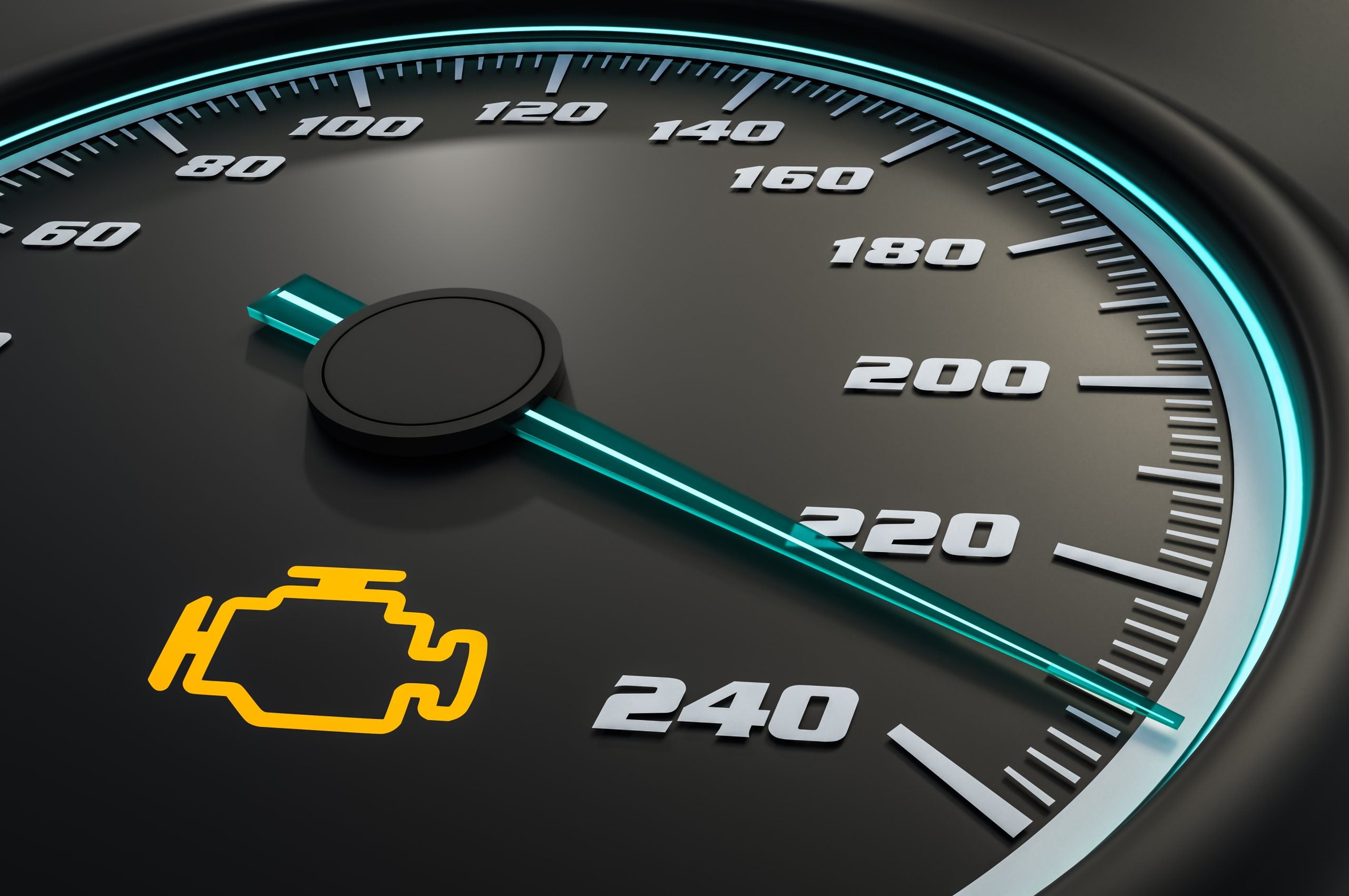
If the check engine light in your Mazda just came on in Jacksonville, FL, it’s not a reason to panic. That small light on your dashboard is part of Mazda's onboard diagnostic system, and it can be trigger ed for a wide range of reasons, from a loose gas cap to something that needs attention soon. Understanding what it means can help you make a smarter, calmer decision. What Triggers the Check Engine Light? The check engine light - technically called the Malfunction Indicator Lamp - activates when your vehicle's onboard computer detects a problem it can 't correct on its own. Common causes include a faulty oxygen sensor, a misfiring engine, a failing catalytic converter, or even an improperly tightened fuel cap. Mazda builds its vehicles with advanced safety and diagnostic technologies that are designed to alert you early, before a small issue becomes a larger one. In fact, Mazda was named the Safest New-Car Brand by Consumer Reports and earned more 2026 IIHS Top Safety Pick+ awards than any other brand. Steady vs. Flashing: Know the Difference When the check engine light comes on, it doesn’t automatically mean the problem is urgent. A steady light typically means there is a detected fault that should be looked at, but you likely have some time to schedule a diagnostic appointment. A flashing check engine light is a different story - it usually signals an active misfire that could damage your catalytic converter if you keep driving. If your light is flashing, the safest move is to reduce your speed, avoid hard acceleration, and head to a service center as soon as possible. Mazda's lineup uses sophisticated engine management systems where catching issues early protects long-term reliability. Should You Keep Driving? A steady light does not automatically mean you need to pull over immediately, but driving for days or weeks without getting a diagnostic scan done is not a good idea either. Ignoring the light can allow a manageable repair to escalate. Drivers in Jacksonville, FL should also think about seasonal factors. Heat and humidity can affect fuel system components and sensor performance, making prompt attention even more worthwhile. Getting a Diagnostic at a Mazda Service Center The most reliable way to understand what triggered your check engine light is a professional diagnostic scan. A trained Mazda technician can read the specific fault code stored in your vehicle's computer, explain what it means in plain terms, and recommend the right course of action. Trying to clear the code without fixing the underlying issue will only turn the light back on. Skipping the scan altogether means driving without knowing whether your vehicle is running as it should. Visit Mazda City of Orange Park When your check engine light comes on, it means your Mazda is asking for a little attention. Making the right decisions early - like scheduling a diagnostic promptly rather than waiting - can save you time, money, and stress down the road. If your light has come on and you are ready for answers, the service team at Mazda City of Orange Park is here to help drivers throughout Jacksonville, FL keep their Mazda running at its best. Visit us online at mazdacity.com to schedule a service appointment today.

2026 Mazda CX-50 trim levels and features

2026 Mazda CX-50 Trim Levels: Which One Is Right for You?

The 2026 Mazda CX-50 trim levels give shoppers a lot to work with - seven configurations ranging from a capable everyday crossover to a turbocharged adventure machine. So, if you're commuting through Jacksonville, FL or planning a weekend trail run, understanding what each trim brings to the table makes choosing a whole lot easier. Here's a clear breakdown of what's available and what sets each level apart. 2.5 S Select - The Starting Point Done Right The entry point to the CX-50 lineup is anything but basic. The 2.5 S Select is powered by the SKYACTIV-G 2.5 L four-cylinder engine producing 187 h p and 185 ft-lb of torque, and it comes with i -ACTIV AWD as standard equipment. It has a max towing capacity of 2,000 lbs. Connectivity is covered from day one, too. Wireless Apple CarPlay ® integration and Mazda Radar Cruise Control with Stop & Go both come standard, giving drivers a genuinely modern experience without having to step up to a higher trim. 2.5 S Preferred and Meridian Edition - Comfort and Character The 2.5 S Preferred adds practical upgrades that make a real difference in daily use. An 8-way power adjustable driver's seat, a rear power liftgate, and front and rear parking sensors are all included, making this trim a smart step up for anyone who values convenience. The 2.5 S Meridian Edition puts a sharper focus on style and comfort. It is equipped with 18-in aluminum alloy wheels, adds aluminum roof rails in a matching black finish, and brings heated front seats with three-level adjustment. It's the trim that blends outdoor character with everyday refinement. 2.5 S Premium - More Capability, More Comfort Stepping into the 2.5 S Premium brings two notable upgrades: 20-in aluminum alloy wheels and machine cut detailing, and ventilated front seats. The addition of a windshield wiper de-icer also makes this trim a practical pick for drivers who face varied weather conditions throughout the year. 2.5 Turbo and Turbo Meridian Edition - Serious Performance This is where the 2026 Mazda CX-50 gets a significant power boost. The SKYACTIV-G 2.5 engine with a twin-scroll turbocharger pushes output to 256 h p and 320 lb -ft of torque when using recommended premium fuel. Towing capacity also jumps to 3,500 lbs when Towing Mode is engaged - a mode exclusive to CX-50 turbo models. The 2.5 Turbo Meridian Edition builds on that performance with added comfort features including a heated steering wheel and the Mazda online navigation system. It also has 18-in aluminum alloy wheels with a Black Metallic finish and black lug nuts for a distinctive look. 2.5 Turbo Premium Plus - The Flagship CX-50 The top-of-the-line trim brings the most comprehensive safety and driver assistance technology in the lineup. Smart Brake Support with Turn-Across Traffic and Front Crossing detection, a 360-degree view monitor with See-through View, and Cruising and Traffic Support are all included. These features build on the i -ACTIVSENSE suite that has helped the CX-50 earn a 2026 IIHS TOP SAFETY PICK+ award and a 5-Star Overall Safety Rating from NHTSA. Don't Overlook the 2026 Mazda CX-50 Hybrid Trim Levels If efficiency is a priority, check out the 2026 Mazda CX-50 Hybrid trim levels. The hybrid powertrain delivers up to 219 h p total and an EPA-estimated 38 combined city/highway MPG, along with a total driving range of up to 551 miles. It features an on-demand e-AWD system and is available in three trims: Hybrid Preferred, Hybrid Premium, and Hybrid Premium Plus. A unique Red leather interior option is also available, setting it apart visually from the standard CX-50. Explore the 2026 Mazda CX-50 at Mazda City of Orange Park T he 2026 Mazda CX-50 trim levels offer something different at every step - from the AWD-standard Select to the turbocharged, tech-packed Turbo Premium Plus. Drivers near Jacksonville, FL looking to find the right fit can explore current inventory and build options at Mazda City of Orange Park, online at mazdacity.com. Stop in, go for a drive, and find the CX-50 that fits your life.

Mazda tire pressure and maintain proper PSI for safe driving

How to Check Your Mazda’s Tire Pressure

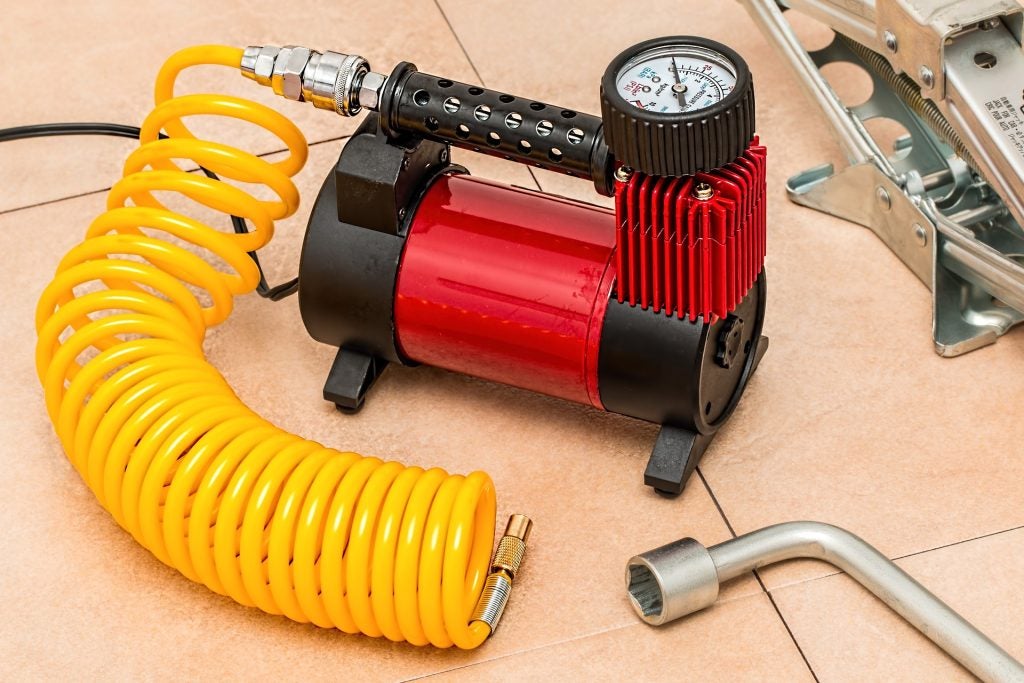
Knowing how to properly check your Mazda’s tire pressure is a simple thing you can do to make sure your vehicle is driving safely around Jacksonville, FL. P roperly inflated tires affect everything from handling and fuel efficiency to long-term tire wear. The good news is that the process takes just a few minutes and requires very little equipment. Mazda has earned recognition as Consumer Reports' Safest New-Car Brand, and that commitment to safety extends to the basics - including making sure your tires are road-ready every time you get behind the wheel. Why Tire Pressure is Important Tire pressure plays a direct role in how your Mazda performs day to day. Underinflated tires create more rolling resistance, which causes your gas milage to go down. Overinflated tires reduce the contact patch between the tread and the road, which can compromise grip and ride comfort. Mazda's entire 2026 lineup - from the CX-30 to the three-row CX-90 - has earned 2026 IIHS Top Safety Pick+ awards, which reflects how seriously the brand takes vehicle safety from top to bottom. What You'll Need Before You Start You don't need any special tools to check your tire pressure accurately. A basic digital or analog tire pressure gauge is sufficient and widely available. Many gas stations also have air pumps with built-in pressure gauges. Before you begin, make sure your tires are "cold," meaning the vehicle has been parked for at least three hours or driven fewer than one mile. Driving heats the air inside your tires and raises the pressure temporarily, which can give you an inaccurate reading. How to Check Your Mazda's Tire Pressure Step by Step Start by locating the recommended tire pressure for your specific model. You'll find this on the sticker inside the driver's door jamb - not on the tire sidewall, which shows the maximum pressure, not the recommended level. The door sticker is specific to your vehicle and trim. Once you have the target PSI, remove the valve cap from the tire stem, press your gauge firmly onto the valve stem, and read the pressure. If it's below the recommended level, add air in small increments and recheck. If it's too high, use the small pin on the back of most gauges to release air. Repeat this process for all four tires, and don't forget the spare if your Mazda has one. Using the Tire Pressure Monitoring System on Your Mazda Most current Mazd a s are equipped with a Tire Pressure Monitoring System, or TPMS, which alerts you when one or more tires drops significantly below the recommended pressure. This warning light - which looks like a cross-section of a tire with an exclamation point - will appear on your instrument cluster. It's important to know that the TPMS is a warning system, not a replacement for regular manual checks. The system only triggers when pressure drops notably low, so your tires could still be slightly underinflated without triggering the light. Checking manually once a month is still the best habit. Mazda Tire Pressure Tips for Jacksonville, FL Drivers When checking your tire pressure, also be aware of the outside temperature. Tire pressure drops roughly one PSI for every 10-degree Fahrenheit decrease in temperature, so a cool winter morning can affect your readings compared to a hot summer afternoon. Following consistent Mazda tire pressure tips - like checking monthly, always using a quality gauge, and referring to the door jamb sticker rather than the tire sidewall - will help your tires last longer and perform the way Mazda intended. Visit Mazda City of Orange Park online at mazdacity.com to schedule a tire inspection or ask our service team any questions about your vehicle's maintenance needs.

Mazda Service Appointments, Diagnostic Fees, and Recalls

Every Mazda is built with care, where engineering and daily driving work together. That same clarity should carry into service. However, most owners hesitate before scheduling an appointment simply because they are unsure what happens next. Questions about diagnostic fees, recall repairs, and warranty coverage create that hesitation more than the vehicle itself. This guide walks through the full Mazda service process, from arrival to final approval, so you know what to expect before you schedule. What Happens During a Mazda Service Appointment A service appointment follows a clear process. It is built to identify concerns and communicate next steps. It begins at check-in, where the service advisor documents your concern, whether it is routine maintenance or a specific issue. This step matters because it shapes how the technician approaches the inspection that follows. From there, the vehicle moves to a technician who performs a multi-point evaluation. That evaluation includes a visual inspection and checks using onboard data. First, the initial review covers visible wear such as tires, brakes, and fluid levels. At the same time, deeper checks examine electronic and mechanical function more closely. Technician notes then flag anything that needs additional review. This process moves from observation to confirmation. As a result, nothing about your vehicle's condition is guessed at. Instead, it is reviewed through a consistent, repeatable process built around accuracy. How Diagnostic Fees Work and What They Cover Diagnostic questions usually begin the moment a warning light appears. Sometimes a strange sound develops instead. Therefore, a diagnostic fee applies when a technician needs to find the source of a problem that is not visible through routine inspection alone. Modern Mazda vehicles rely on connected sensors and control modules that monitor how the vehicle runs. Consequently, when something feels off, the cause is not always obvious without closer testing. Diagnostics combine digital scans with hands-on inspection. Electronic scans identify stored fault codes. From there, a technician connects those codes to the symptoms you described at check-in. Additional testing may follow to confirm the root cause before any repair is recommended. The diagnostic fee reflects the time and skill required for that evaluation. It is tied to finding what needs repair, not to the repair itself. For the owner, this step matters because it keeps every recommendation grounded in verified findings instead of guesswork. If a technician confirms that a covered part failed within the terms of Mazda's warranty, diagnostic labor may then become part of the warranty claim itself. In that case, the manufacturer may reimburse the dealership for diagnostic work tied directly to the covered repair. This distinction sometimes causes confusion. Some owners assume all diagnostic testing becomes warranty covered the moment the vehicle enters the service bay. Coverage instead rests on the verified outcome, the vehicle's warranty status, and whether the concern falls within a covered category. How Mazda Recalls Are Handled Recall repairs come at no cost. That's because the manufacturer issues them to correct a known issue tied to safety or function. A recall begins when a pattern of concern shows up across multiple vehicles. From there, Mazda builds a fix and sends dealerships instructions for the repair. This process differs from a standard repair because responsibility shifts away from the owner. Recall repairs follow a pre-approved procedure, and parts and labor are covered by the manufacturer. No diagnostic fee applies when the concern is tied directly to the recall itself. For drivers, that distinction removes the guesswork. In short, recall repairs are not optional maintenance or a surprise expense. They are manufacturer-backed updates built to keep the vehicle running the way it was designed. How Warranty Coverage Shapes What You Pay Warranty coverage applies to defects in materials or craftsmanship. It protects against issues that trace back to how the vehicle was built, not ordinary wear. Warranty review begins after diagnostics identify the issue. The dealership then reviews whether the concern falls within the manufacturer's guidelines. This review is based on cause, not simply the presence of a problem. If a defect caused the issue, the repair is covered. If wear or an outside factor caused it instead, the repair falls outside coverage. Time and mileage limits also apply throughout. For drivers, this structure means warranty coverage is not blanket protection for every repair. Instead, it applies to a defined set of issue types. How Communication and Approval Shape the Visit Service does not end with inspection or diagnosis. It continues through communication and approval, and that stage shapes how the whole visit feels. Once the technician finishes the evaluation, the service advisor then turns those findings into clear, workable recommendations. You are then given options based on what was found. Approved repairs move forward once the issue is confirmed, and declined work gets documented for later. Clear communication throughout means no surprise steps along the way. This structure builds trust between the vehicle, the technician, and you as the driver. As a result, decisions happen with clarity instead of pressure. Ready to schedule your next visit? With that in mind, our Jacksonville service team can walk you through diagnostic pricing, recall status, and warranty questions before you step into the service lane.

Bad Spark Plug Symptoms and Check Engine Light Signs

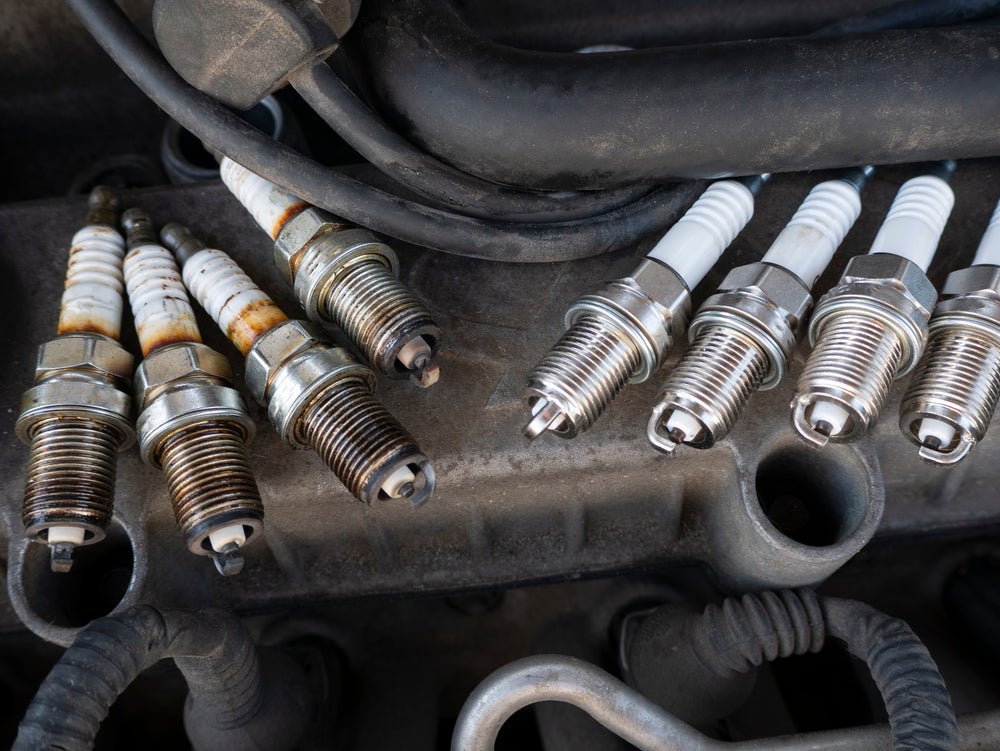
Bad spark plug symptoms may include rough idle, hard starting, weak acceleration, misfires, fuel changes, and a check engine light. However, these signs do not identify one failed part without inspection. Several ignition, fuel, electrical, and mechanical faults may produce similar warning signs. Spark plugs ignite the compressed air and fuel mixture inside each gasoline engine cylinder. Therefore, worn electrodes, deposits, cracks, or an incorrect gap may weaken that spark. Combustion may then become uneven or fail within one cylinder. That failure is called a misfire. A Mazda technician may inspect stored fault codes, plug condition, coil output, wiring, fuel delivery, and cylinder health. This process finds the source before parts are replaced. Bad Spark Plug Symptoms and Their Mechanical Cause What do bad spark plug symptoms feel like? They may feel like shaking, hesitation, delayed starting, uneven idle, or reduced engine response. A rough idle may appear when one cylinder fires less evenly than the others. Consequently, the engine may vibrate while the Mazda sits at a stop. The vibration may lessen after engine speed rises, though the underlying fault may remain. Hard starting may also appear when worn plugs struggle to ignite the mixture. The starter may turn the engine normally, yet ignition takes longer. However, a slow crank points toward a different electrical path and needs separate testing. Acceleration places greater demand on the ignition process. Cylinder pressure rises when the driver presses the accelerator. Therefore, a weak spark may show up as hesitation, stuttering, or reduced power during that moment. Fuel use may rise when combustion does not finish cleanly. The engine may use more fuel while producing less useful energy. Still, tire pressure, injectors, filters, and driving patterns may also change fuel consumption. Common warning signs include: Rough idle may feel like shaking or uneven engine speed while stopped. Misfires may create hesitation, stuttering, popping sounds, or sudden power loss. Hard starting may occur even when the starter turns the engine at a normal speed. These signs support an inspection request, not a parts diagnosis. Furthermore, one damaged plug may create symptoms that resemble a coil or injector fault. Check Engine Light and Misfire Urgency Can bad spark plugs cause a check engine light? Yes, a plug related misfire may trigger the warning. However, the dashboard light does not name the failed component. Mazda monitoring may detect uneven combustion and store a diagnostic code. That code may identify a cylinder misfire or another engine fault. Therefore, a technician still needs testing before selecting a repair. A steady check engine light calls for prompt attention. The Mazda may still run, though continued driving could worsen the fault. Schedule an inspection soon and watch for shaking, stalling, fuel odor, or power loss. A flashing check engine light requires faster action. Mazda owner guidance directs drivers to avoid high speeds and seek dealer inspection promptly. Newer Mazda manuals may instruct the driver to park safely and contact an authorized dealer. Severe shaking, repeated stalling, strong fuel odor, or major power loss also raise urgency. Consequently, pull over safely when the Mazda no longer responds normally. Roadside assistance may be safer than driving farther. Do not disconnect battery cables while the check engine light remains on or flashes. Mazda warns that reconnecting the battery may damage the engine under this circumstance. Spark Plugs Versus Ignition Coils How do spark plug and ignition coil faults differ? The coil supplies high voltage, while the plug creates the spark inside the cylinder. Each part serves a separate job within the same ignition process. Therefore, failure in either part may create rough idle, misfires, hesitation, or a warning light. Symptoms alone may not separate them. A worn spark plug may have eroded electrodes, heavy deposits, damage, or an incorrect gap. By contrast, a weak ignition coil may fail to deliver enough voltage. The connected plug then struggles to create a strong spark. Heat and electrical load may make a coil fault appear during acceleration. A damaged plug may also struggle under higher cylinder pressure. Consequently, both faults may feel stronger when merging, climbing, or passing. A technician may swap coils between cylinders during testing. If the misfire moves with the coil, that result points toward the coil. Plug inspection may reveal deposits, cracks, wear, or gap trouble. Mazda City already has a separate ignition coil resource. Therefore, the refreshed spark plug page should link there without repeating the full coil discussion. Starting Trouble and Related Electrical Faults Does every hard start point toward spark plugs? No. The way the Mazda cranks provides a useful first distinction. When the engine turns at a normal speed but takes longer to fire, ignition or fuel delivery deserves inspection. Spark plugs may sit within that diagnostic path. However, fuel pressure, injectors, sensors, or compression may also require testing. A slow crank usually points toward battery power, cable resistance, starter trouble, or charging concerns. Dim lights or clicking sounds strengthen that electrical direction. Spark plugs do not control starter speed. A no crank event belongs to a different path. The driver may hear one click, repeated clicks, or silence. Therefore, battery, terminal, starter, security, or control faults require review. After a successful jump start, repeated battery trouble may point toward the battery or charging circuit. Mazda City’s jump start and alternator articles should remain separate resources. Starting trouble should be described clearly when service is scheduled. Note whether the engine cranks slowly, cranks normally, clicks, stalls, or starts after several attempts. Those details give the technician a stronger diagnostic starting point. When to Schedule Mazda Service Bad spark plug symptoms deserve inspection when they persist, return, or appear with a warning light. Early testing may prevent a minor ignition fault from placing added strain on other engine parts. Schedule service soon for rough idle, slower starting, hesitation, fuel changes, or a steady check engine light. Describe when each symptom appears and whether engine temperature changes it. Seek faster assistance for: A flashing check engine light, severe shaking, repeated stalling, or sudden power loss. Strong fuel odor, smoke, unusual heat, or trouble keeping the engine running. A Mazda that no longer responds safely during acceleration or normal traffic. When scheduling, share the model, model year, mileage, warning lights, sounds, and recent repairs. In addition, explain whether the concern appears during startup, idle, acceleration, or highway travel. Mazda City technicians may inspect the plugs, coils, stored codes, wiring, fuel delivery, and related engine parts. Therefore, diagnosis stays focused on evidence instead of one symptom. A clear service path gives the owner the right next step without guessing at the repair.

OEM Vs Aftermarket Mazda Brake Components Fitment Warranty And Long Term Value

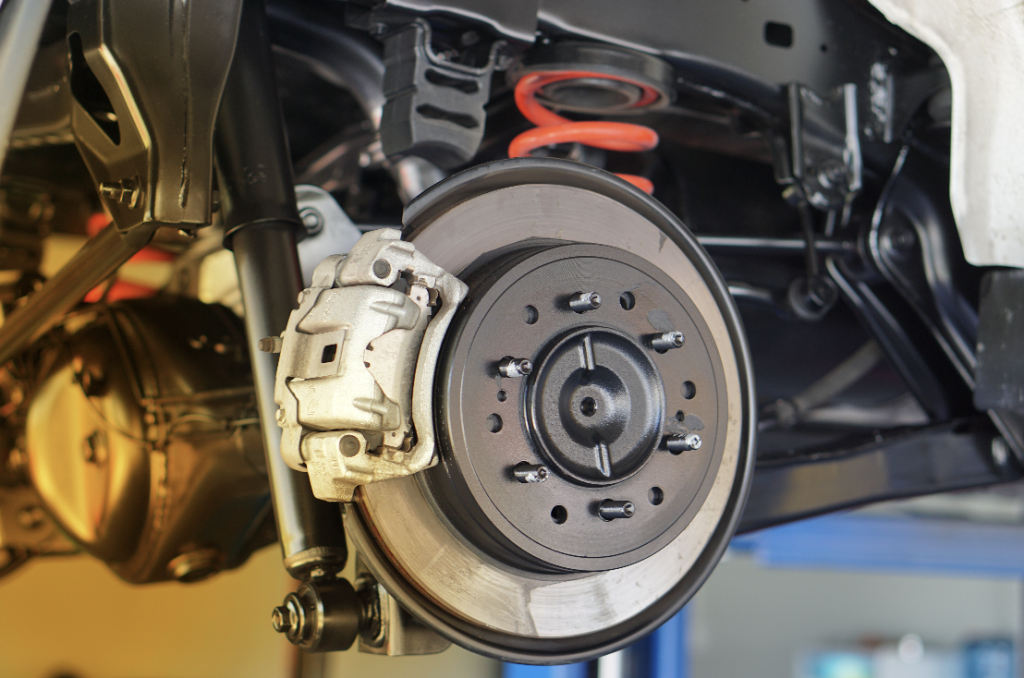
Every Mazda is designed to move with balance, where control, responsiveness, and confidence work together in a way that feels natural behind the wheel. Braking plays a central role in that experience, yet it is often evaluated only when replacement becomes necessary. Many drivers begin comparing OEM and aftermarket brake components based on cost alone, but the real difference comes from how each option interacts with the vehicle as a complete system. Understanding how brake components are engineered, how they wear over time, and how they affect long term ownership helps clarify which choice aligns with how your Mazda is meant to perform. How Brake Systems Work As A Complete System In Mazda Vehicles Many drivers ask what the difference is between OEM and aftermarket brakes, but that question begins with understanding how the brake system works as a whole. A brake system functions by converting motion into heat through friction, using coordinated interaction between brake pads, rotors, and hydraulic pressure. In a vehicle like the Mazda CX 5, pressing the brake pedal activates hydraulic force that pushes brake pads against rotating rotors. This contact slows the vehicle by creating controlled friction, which must remain consistent across different speeds and driving conditions. This system is not made up of independent parts. Each component is calibrated to work with the others. Brake pads are designed with specific friction materials to match rotor composition Rotors are engineered to manage heat and maintain structural stability Hydraulic pressure is balanced to deliver smooth and predictable braking response When these elements are aligned, braking feels consistent and controlled. For drivers, this means the vehicle responds in a way that feels natural and predictable, whether slowing in traffic or stopping at higher speeds. OEM Brake Components And Why Fitment Precision Matters Drivers often wonder if OEM brake pads are better than aftermarket options, especially when comparing cost. OEM brake components are designed specifically for the vehicle, meaning they are engineered to match the exact specifications of the braking system. In models like the Mazda CX 50, OEM brake pads and rotors are developed alongside the vehicle itself. This ensures that material composition, size, and fitment align precisely with how the system was designed to perform. Fitment precision matters because even small variations can affect how the system behaves. Proper fitment ensures even contact between brake pads and rotors Consistent material composition reduces noise and vibration Engineered alignment supports balanced heat distribution These factors contribute to a braking experience that remains smooth and predictable over time. For drivers, OEM components maintain the original feel of the vehicle. They are not just replacements. They are a continuation of how the system was designed to function. How Aftermarket Brake Components Differ In Material And Performance Many drivers consider aftermarket brakes as an alternative, often asking whether they are safe and how they compare in performance. Aftermarket brake components are produced by third party manufacturers and can vary widely in material composition, fitment, and overall quality. In a vehicle like the Mazda CX 30, installing aftermarket brake components introduces variability into a system that was originally engineered for consistency. While some aftermarket options may meet basic safety standards, they are not always calibrated to match the vehicle’s original design. Material differences play a significant role in how these components perform. Variations in friction material can change stopping response Inconsistent fitment can lead to uneven wear patterns Differences in heat management can affect long term durability This does not mean all aftermarket components perform poorly, but it does mean performance can be less predictable. For drivers, this variability can show up as changes in braking feel, increased noise, or faster wear over time. How Warranty And Long Term Cost Are Affected By Brake Choice Drivers often ask whether aftermarket brake components affect warranty coverage and how cost compares over time. Warranty coverage applies to defects in materials or workmanship within OEM systems, but it may not extend to issues caused by non OEM parts. In a vehicle like the Mazda CX 90, this distinction becomes important when repairs are needed. If an issue is linked to aftermarket components, it may fall outside standard warranty coverage. Cost is also more complex than the initial price of the parts. OEM components often have a higher upfront cost but are designed for consistent wear Aftermarket components may cost less initially but can wear unevenly Increased wear can lead to more frequent replacement or additional service This creates a long term difference in ownership cost that is not always visible at the time of purchase. For drivers, understanding this relationship helps prevent decisions based solely on short term savings. How To Choose Between OEM And Aftermarket Based On Driving Needs Choosing between OEM and aftermarket brake components comes down to how you expect your vehicle to perform over time. There is no single answer that applies to every driver, but there is a clear difference in how each option aligns with Mazda’s original design. If your priority is maintaining the original driving feel, consistency, and system balance, OEM components provide a direct continuation of the vehicle’s engineering. If your priority is reducing upfront cost and you are comfortable with potential variation in performance, aftermarket options may be considered, but require careful evaluation of quality and compatibility. Consider how important braking consistency is in your daily driving Evaluate how long you plan to keep the vehicle Think about how changes in noise, feel, or wear may affect your experience For a Mazda driver, braking is not just about stopping. It is part of the connection between driver and vehicle. Choosing the right components ensures that connection remains intact over time.

Mazda Service in Jacksonville, FL

Mazda Maintenance Myths: What You Should and Shouldn’t Believe

At Mazda City of Orange Park, we meet drivers every day who love their Mazdas—but sometimes fall for outdated or misleading maintenance advice. Whether you drive a sleek Mazda3, a versatile CX-5, or the turbocharged CX-90, proper care is key to keeping your vehicle performing like new. So let’s bust some common myths and set the record straight. Myth vs. Reality: Mazda Maintenance Edition ❌ Myth #1: “You need an oil change every 3,000 miles.” ✅ Reality: Modern Mazdas with Skyactiv® engines typically require oil changes every 5,000 to 7,500 miles, depending on driving habits and conditions. Over-servicing wastes money and resources—stick to your owner’s manual or ask our certified techs for guidance. ❌ Myth #2: “Brake fluid never needs replacing.” ✅ Reality: Brake fluid absorbs moisture over time, which can reduce braking performance. Mazda recommends a brake fluid refresh every 30,000 to 60,000 miles. At Mazda City of Orange Park, we include this in our milestone service packages. ❌ Myth #3: “If it’s running fine, skip the 30k/60k/100k services.” ✅ Reality: These intervals are crucial for long-term reliability. Services include spark plug replacement, belt inspections, fluid flushes, and air filter changes. Skipping them can lead to costly repairs down the road. ❌ Myth #4: “All service shops are the same.” ✅ Reality: Only Mazda-certified service centers like ours use OEM parts, follow factory procedures, and have access to Mazda’s latest diagnostic tools. That means better performance, warranty protection, and peace of mind. ❌ Myth #5: “Tire rotation isn’t necessary with AWD.” ✅ Reality: Even with Mazda’s i-Activ AWD®, uneven tire wear can affect handling and fuel efficiency. We recommend rotating tires every 7,500 miles to extend their life and maintain optimal traction. Unique Mazda Features That Deserve Expert Care Skyactiv® Technology: Precision-engineered engines and transmissions that require specific fluids and service intervals. Turbocharged Engines: Found in models like the CX-30 and CX-90, these engines need spark plug changes every 40,000–75,000 miles. Connected Services: Mazda’s digital features like remote start and vehicle health reports rely on proper software updates and diagnostics. Why Trust Mazda City of Orange Park? Certified Technicians: Trained specifically on Mazda vehicles. Genuine Mazda Parts: No guesswork—just factory-grade reliability. Transparent Service: We explain every recommendation and show you why it matters. Schedule Your Service Today Don’t let myths drive your maintenance decisions. Visit Mazda City of Orange Park for expert care, honest advice, and a team that treats your Mazda like their own.

Tire pressure gauge

3 Preventative Maintenance Items at Your Mazda Service Center

Preventative maintenance protects your vehicle from damage caused by worn-out components, saving you money on future repair bills. As your Mazda service center, we want to tell you about some of the types of maintenance we offer. Spark Plug Replacement A spark plug screws into the top of each engine cylinder, and its job is to ignite the compressed fuel-air mixture in the engine cylinders at a precise moment, producing efficient combustion. Each spark plug also has an ignition coil that connects to it to boost its voltage. These plugs are replaced anywhere between 30,000 miles and 100,000 miles, depending on the type of plugs in your Mazda. Replacing the plugs when they're due ensures your engine will continue to work efficiently. If the plugs are not replaced, they will wear out, and you'll experience issues like rough idling, misfiring, or stalling. These issues all increase fuel consumption, and they can also cause damage to the cylinders and pistons. Battery Check The battery stores electricity, which is used to provide the initial charge that powers the starter to crank the engine and bring it to life. The average lifespan of a battery is only three to five years, as the chemicals inside it that store electricity as chemical energy gradually break down. This chemical breakdown reduces the battery's storage capacity and makes it more difficult to recharge. As a battery gets weaker, it will take longer to start the engine. Eventually, the battery will be too weak, and the only way to start your Mazda will be by jump-starting it. We can prevent these issues by regularly testing your battery, starting from its third year. Our computerized battery tester will identify any weakness in the battery, and we can quickly replace it while you wait to ensure your vehicle continues to start the first time, every time. Tire Care High-quality tires provide excellent traction, allowing you to travel at speed and also stop quickly when you hit the brakes. It's impossible to prevent a tire's tread from slowly wearing down due to surface friction, but you can prevent unnecessary wear and tear and extend its useful life. Tire rotations, tire balancing, and wheel alignment all correct minor issues that damage specific areas of a tire and cause it to wear out faster than necessary. Our technicians can also adjust tire pressure to fix problems like under- or overinflation, and advise you on your tire condition. Rotations, wheel alignment, and balance checks should be performed every six months to have the greatest impact on tire health. If you'd like to know more about preventative maintenance or to book a service, contact us at Mazda City of Orange Park in Jacksonville, FL.

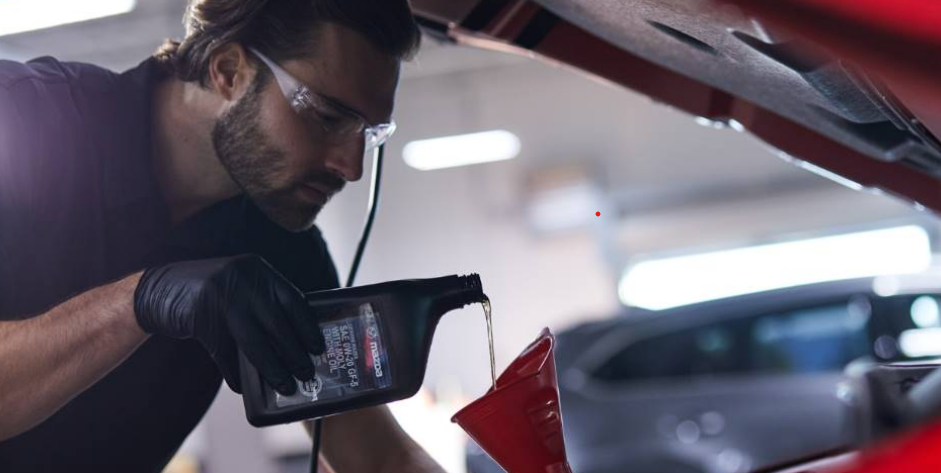
A Certified Mazda Technician performing an oil change

Mazda Maintenance Schedule: Keeping Your Vehicle in Top Shape

Your car manual contains a detailed maintenance schedule for your vehicle. It's been carefully designed to check and replace components before they wear out due to age and usage. This ensures your Mazda always provides peak performance. As your Mazda dealer, we want to tell you more about a few examples of services from your Mazda maintenance schedule we offer. Examples of Scheduled Maintenance From Your Mazda Maintenance Schedule Oil Changes Your Mazda uses synthetic oil, which provides superior lubrication, contains more additives, and is more efficient than regular engine oil. Synthetic oil also lasts longer, but it will eventually need replacement. Regular oil changes are essential for good engine performance, as older oil becomes thick and sluggish due to the accumulation of dirt and minute debris from the engine. Thicker, older oil provides less lubrication, increasing wear and tear on engine components, as many depend on friction to work effectively. Oil additives also lose potency, potentially increasing harmful engine build-ups and producing rust. We prevent these issues by draining and replacing the old oil and installing a new oil filter. Oil changes are usually every 3,000 miles, but replacement time can vary depending on your Mazda model. Engine Air Filter Replacement Combustion requires fuel and air, which mix in a precise ratio, are compressed inside the cylinders, and then ignited by the spark plugs screwed into each cylinder. It may seem strange, but your engine requires more air than fuel in the ratio, as fuel can only burn correctly if it has enough air. The air used by the engine flows in through the radiator grille and then enters the air filter. The air filter traps dirt, dust, and other airborne debris to ensure only clean air enters the engine. As time passes, dirt accumulates in the filter and eventually blocks it. When this happens, lack of air turns the fuel-air mixture fuel-rich. A fuel-rich engine lowers fuel efficiency and increases damage to engine components. The air filter usually requires replacement after 12,000 miles. Transmission Fluid Check Transmission fluid provides the essential hydraulic power that allows the gears to change smoothly and efficiently. It protects numerous transmission components by providing a protective coating that reduces wear and tear as they glide rather than grind against each other. This fluid also helps lower the temperature in the transmission. Older transmission fluid loses many of its specialized properties, increasing component damage. The fluid's reduced ability to provide hydraulic power will cause noises in the transmission, slower gear changes, and issues like gear slipping. Transmission fluid should be checked every two years and replaced according to your model's maintenance schedule. These are only a few of the wide range of maintenance services we provide. Contact our service department today at Mazda City of Orange Park in Jacksonville, FL, to book your next maintenance.

Maximizing Your Mazda's Performance: The Importance of Regular Tune-Ups

A tune-up is used to correct ignition system issues that develop over time. Nowadays, your Mazda's computer controls these systems and adjusts when needed to ensure correct performance. A modern tune-up for your Mazda involves checking and testing a range of systems so your Mazda delivers peak performance. As your Mazda dealer, we want to tell you about some of the systems we check and adjust during a Mazda tune-up. From Your Mazda Dealer: Checklist for a Mazda Tune-Up Spark Plugs Spark plugs ignite the fuel-air mixture in the cylinders, creating combustion. Plugs wear out due to age and won't fire correctly. They can also loosen in their housing. If a plug doesn't ignite perfectly, it causes a misfire, and your Mazda could stall. We examine your plugs and tighten or replace them so the fuel-air mixture will burn correctly. Ignition Coils The coils provide additional power to the plugs. Each plug has a coil connected to it which boosts the plug's output from 12 volts to 30,000 volts so it can successfully ignite the fuel-air mixture. Coils also wear out over time, and a worn coil will cause misfiring, decreased engine power, and low performance. Replacing worn or damaged coils fixes these issues. Serpentine Belt The serpentine belt is made from tough, reinforced rubber to work effectively in the hot engine compartment. It connects to the crankshaft, and the crankshaft's turning causes the belt to run across a series of pulleys. The belt's movement causes the pulleys to spin, and the pulleys power essential systems like the alternator, AC compressor, and power steering pump. A worn belt can slip, preventing it from spinning one or more pulleys. Depending on the pulley, the alternator could shut down, depriving the systems of electricity, or your steering wheel will become heavier and difficult to turn. The belt could also snap, shutting down all the systems. We ensure the belt is correctly seated and tensioned. We'll replace a worn or damaged belt to prevent these issues. Timing Belt This belt is also made from tough rubber and connects the camshaft at the top of your engine to the crankshaft at the bottom of your engine. Its movement synchronizes the opening and closing of the intake and exhaust vents of the cylinders with the movement of the pistons. These movements must be precisely timed for the combustion process to work successfully. If the belt's tension is too tight, it suffers friction damage and could snap. A belt that is too loose could fall off. In either situation, belt failure will shut down your engine, potentially causing major engine damage in the process. We check the belt is correctly tensioned and will replace a worn belt. Regular tune-ups increase your engine life and prevent many future repairs. Contact us today at Mazda City of Orange Park in Jacksonville, FL.

Check Engine Light

Decode Your Mazda's Dashboard: Understanding What Your Car is Trying to Tell You

Your Mazda dashboard lights are vital to safe driving and your car's health. They illuminate in response to issues that affect your vehicle, providing time to visit your Mazda dealer and get the issue repaired. There are many different lights, and we want to tell you about some of them and the potential problems they identify. From Your Mazda Dealer: Warnings From Your Mazda Dashboard Lights Brake Warning Light This light looks like an exclamation point in a circle surrounded by brackets. It represents your electronic parking brake, also known as the emergency brake. It's pulled up when you park as additional security to prevent your car from moving and must be disengaged before you can drive. This warning means the brake may have failed, and we need to check it ASAP and repair it if necessary. ABS Warning Light This warning icon appears as either ABS or ABS inside a circle surrounded by brackets. The ABS, Anti-Lock Braking System, is a safety feature that prevents your wheel from locking if your car spins on a wet surface. Locked wheels prevent you from controlling your vehicle and getting out of a spin. You can drive with an illuminated ABS light, but it's dangerous in wet conditions. We'll identify the issue and fix it. Charging System Warning Light Also known as the battery light, it appears as a line drawing of a battery with a + and - sign. This warning light illuminates if a problem is detected in your electrical system. It can represent various issues, from damaged wiring to a damaged alternator or failing battery. Our technicians will investigate and repair the problem. Engine Oil Warning Light This warning looks like a line drawing of an oil can, meaning the oil pressure in your engine is low. It could be due to a leak, a blocked oil filter, a blockage elsewhere in the system, or old oil. We advise against driving if this light illuminates, as an oil circulation problem can cause major damage to your engine very quickly. We can repair any of these issues, and the warning light will go out. Engine Coolant Temperature Warning. Coolant is a mixture of antifreeze and water, and it absorbs and removes engine heat to prevent damage to your engine. This light appears as a thermometer inside waves and means the coolant is too hot. Heat is removed from the coolant by heat exchange when it enters the radiator. We advise against driving if this light is active, as your engine could overheat and suffer major damage. We'll check the cooling system and cooling and fix the problem. If you have an illuminated warning light, contact us ASAP at Mazda City of Orange Park in Jacksonville, FL.

Contact Us

Fill out this form below and we'll contact you shortly
*Required Fields