Blog / Jacksonville Mazda Service

Blog

All Jacksonville Mazda Service Mazda City of Orange Park Jacksonville Mazda Dealer Mazda City of Orange Park Service Things To Do In Jacksonville Jacksonville Amenities Jacksonville Entertainment Jacksonville Used Cars Jacksonville Eateries Tom Bush Family of Dealerships Jacksonville Restaurants Jacksonville Parks Orange Park Florida Mazda Dealer Jacksonville Landmarks Mazda City of Orange Park Collision Center Mazda SUVs Collision Center in Jacksonville Jacksonville Art Jacksonville Fitness Orange Park Florida Mazda Service Holidays in Jacksonville Orange Park Mazda Service Shopping in Jacksonville Weekend Getaways Auto Insurance Family Fun in Jacksonville Jacksonville Thrifting Road Trips Small Town Fun Things To Do Near Jacksonville
Jumper Cables

How to Jump Start Your Mazda in 3 Simple Steps

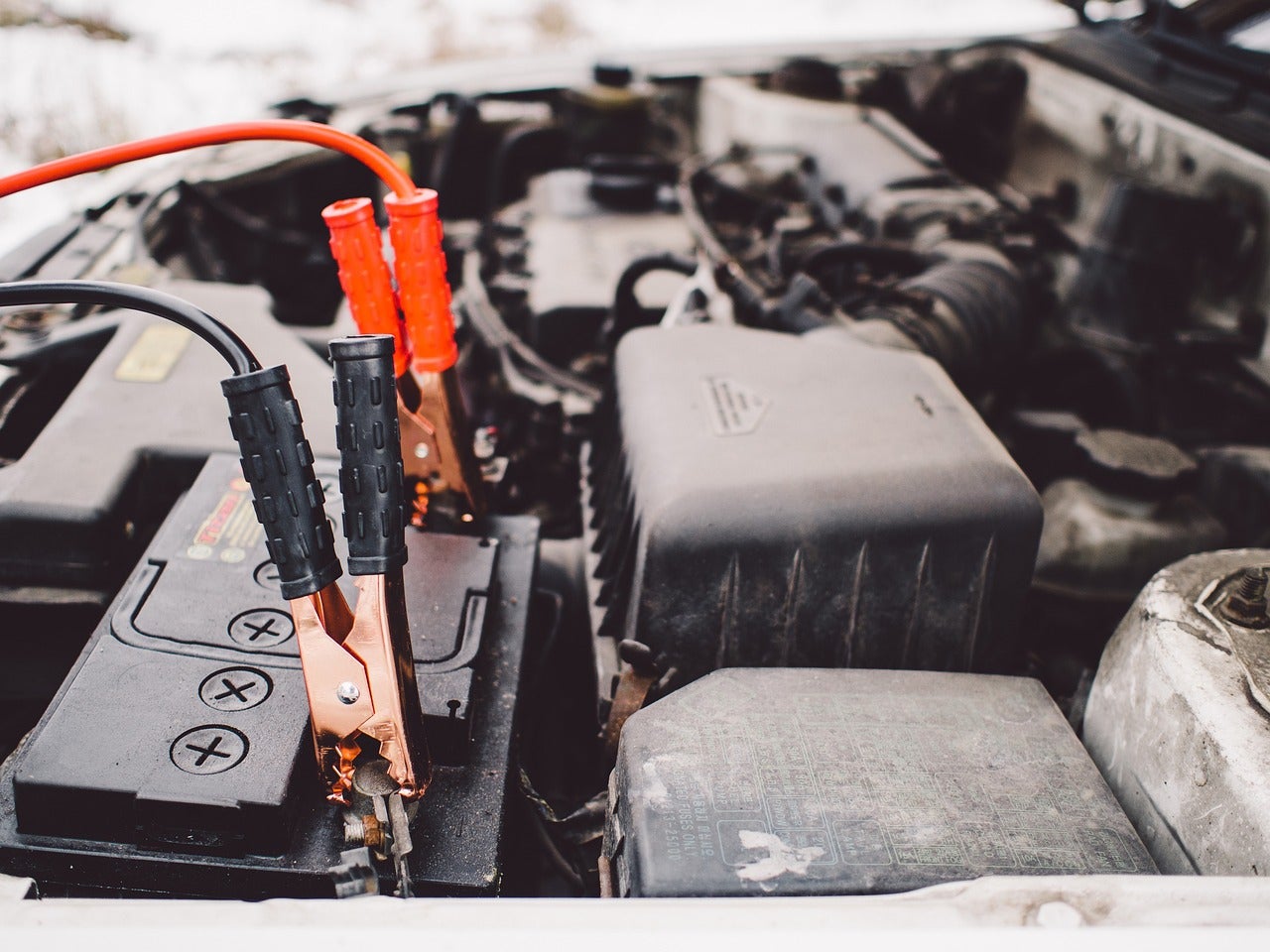
Jump-starting a car is a quick and easy way to give a weak battery enough juice to get back on the road. It's also not as difficult as it might look. Your Mazda has a battery warning light to warn you that your battery is in trouble, so you are unlikely to suffer a dead battery. As your Mazda dealer, we like to advise you on how to jump-start a car for a friend or family member who is in trouble. Advice From Your Mazda Dealer: 3 Steps To Jump-Start a Car Park Close When you jump start another car, you're transferring power from your battery to their battery. The further electricity has to travel through a cable, the more of it is lost through transmission. In addition, parking closer to the other vehicle prevents the jumper cables from being pulled taut and potentially slipping off the battery terminals. Most car batteries are under the hood, but some vehicles have the battery in the trunk. Before you position your car, check where the battery is in the other car. Once both vehicles are close to each other, open both hoods and switch off both engines. Secure the Cables Jumper cables have a red cable and a black cable. The red cable is the positive, and the black cable is the negative. The cables must be connected in the correct order, as a mistaken connection can damage your battery or even start a fire. This is the correct order for attaching the cables. ​​​​​​​​​​​​​​​​​​​​ Red First Jumper cables have spring-loaded clamps on both ends of each cable. The first step is to connect one end of the red cable to the positive terminal on the dead battery. Once this clamp is secure, connect the other clamp on the red cable to the positive terminal on your battery. Black Second Now the red cables are in place, connect one of the clamps on the black cable to the negative terminal on your battery. The final connection is very important. The second clamp on the black cable must not be connected to the negative terminal on the dead battery. This could cause the damage or potential fire mentioned above. The second clamp on the black cable must be connected to a piece of metal in the other car's engine; for example, an unpainted bolt. Idle Your Mazda Start your engine and allow it to idle for several minutes. Electricity will flow from your battery to the dead battery. Once this time has passed, try and start the car with the dead battery. If it doesn't start, idle your engine for an additional 10 to 15 minutes. Once the other car is running, it is time to remove the cables. Now you know how to jump-start a dead battery. If you'd like to know more, contact us today at Mazda City of Orange Park.

earth-5240543_1280

How Often Should Your Mazda Get a Car Emissions Check?

Car emissions checks are mandatory in the vast majority of states across the US. These checks are to make sure your vehicle isn't releasing too many harmful gases into the atmosphere, and if your car does have problems with its emissions system, then you'll need to get it fixed. Your local Mazda dealership can fix any issue you might be having with your emissions system with ease. How Often Should You Get a Car Emissions Check in Florida? Emissions checks/smog tests haven't been mandatory in the entire state of Florida for several decades now, so there are no rules regarding how often you need to get an emissions check. You can get a smog test voluntarily if you wish, but if you know for a fact that your emissions system is fine, then you won't need to go and get an emissions check. Instead of getting voluntary smog tests, it's generally best to just keep up with your preventative maintenance at the Mazda dealer instead. The mechanics at the dealership check every system in your vehicle and perform necessary repairs to keep every system running smoothly. There are also issues that'll start showing up in your car if your emissions system is faulty, and when you notice these issues, you can visit the dealer for a repair. Signs to Head to the Mazda Dealership for Emissions System Repairs Your Check Engine Light Is On The check engine light can turn on for a lot of different reasons, including problems with your emissions system. If this light turns on, then the best course of action is to go right to the dealer, even if your car isn't behaving weirdly in any way. Your Car Is a Little Sluggish If you've had your car for a while, then you're probably used to how it feels to drive. You know how quickly it accelerates, and you know how powerful it feels at any speed. If you notice the car isn't accelerating as quickly as it used to, or if it just feels less powerful while you're driving, then you have a problem. Sometimes issues with the emissions system can cause performance issues with the car, so it's time to visit the dealer. Your Car Is Using Too Much Gas Any time you have to start visiting the gas station more than usual, it points to a problem somewhere in the car. Your emissions system could be having problems, and that can lead to your engine using more fuel to stay running properly. Numerous other problems under the hood can lead to reduced fuel efficiency, too. Want to keep your emissions system in the best shape you can? Come to Mazda City of Orange Park. Let us investigate any problems you're having and fix them to get your car working like new.

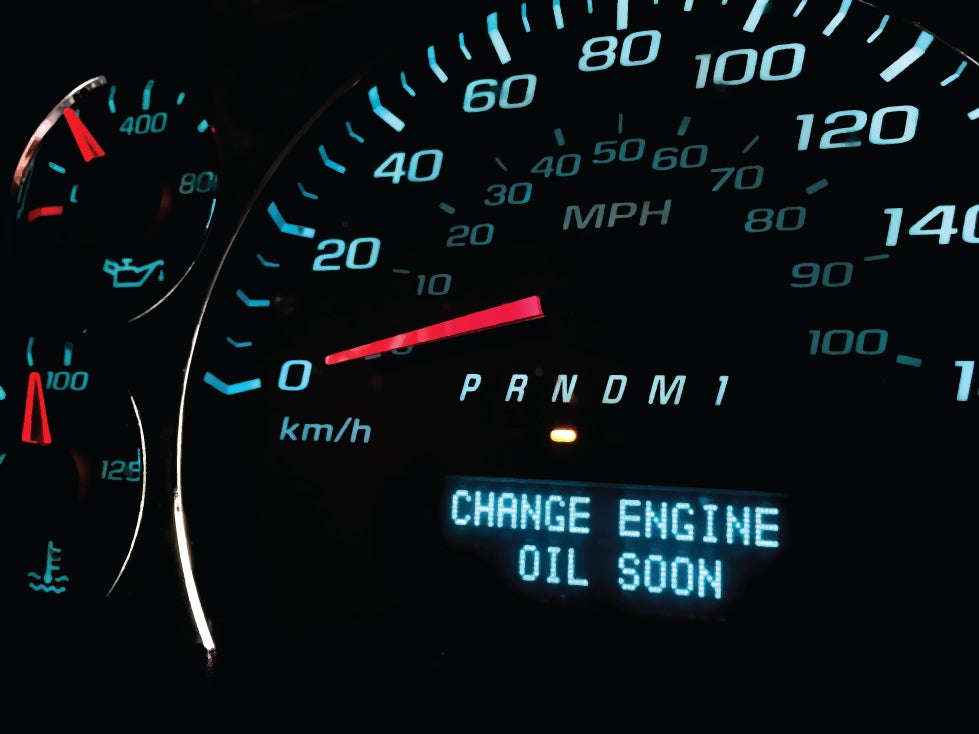
Change,Oil,Soon,Warning,Light,On,Dashboard

Does Your Mazda Need an Oil Change?

To ensure your Mazda engine stays in good condition, replace the oil at the factory-recommended intervals. Clean oil can boost the performance of your Mazda 3, CX-5, or Miata and extend the engine's life. Below are several warning signs when it's time to take your Mazda to your Mazda dealer for an oil change. Does Your Mazda Need an Oil Change From Your Mazda Dealer? You Haven't Changed the Oil in Six Months If it's been six months or 7,500 miles since your Mazda's last oil replacement, it's time for new engine oil. Routine oil replacements are the most important maintenance task, and ensure your engine is properly lubricated and protected. Always follow the factory-recommended oil replacement intervals in your vehicle's owner's manual, and your Mazda will be fuel-efficient and on the road longer. The Oil Level Is Low Neglecting regular oil replacements can cause the oil level to drop dangerously low, leading to an increased risk of breakdown and irreversible engine damage due to lack of proper lubrication. The Oil Is Old and Contaminated Checking the oil's quality and consistency is as important as checking the oil level and topping it off when necessary. If the oil appears dark brown and thick and is not the typical amber color, it's likely contaminated with particles collected from the engine. Old and contaminated oil won't provide sufficient lubrication to the engine components and must be replaced as soon as possible. Your Car Is Leaking Oil Your car could have an oil leak when you spot oily brown puddles on the ground under your vehicle or around the engine. The oil could leak from various places, such as the drain plug, filler cap, or gaskets. Get the leak repaired promptly before the lack of oil causes severe engine damage. Your Car Is Overheating Over time, oil loses its ability to provide proper protection and lubrication to the metal engine components, which can lead to friction and overheating. That is why replacing the old oil with fresh and clean oil is so important. If it gets too hot under the hood, immediately bring your vehicle to us for a thorough inspection and an oil replacement. You Hear Noises Under the Hood Insufficient or contaminated oil inside the engine can lead to friction between the metal engine components, resulting in ticking or tapping noises. Do not ignore odd noises, particularly those coming from under the hood. It's a sign that something is wrong that could eventually cause permanent damage to your engine. Follow the recommended oil replacement intervals to prevent damage to your Mazda engine and to ensure fuel efficiency and longer engine life. Call Mazda City of Orange Park today to schedule an oil replacement to keep your engine well-lubricated and protected.

Replacing,The,Belt.,Car,Repair.,Under,The,Hood,Of,The

Does Your Mazda Need a New Engine Belt?

As a Mazda owner, one of the components you should be vigilant about checking is the engine belt. Identifying any wear and tear early on ensures you can keep your vehicle performance optimal, and there are some signs that you need a new belt from your Mazda dealership. Signs You Need a Belt Replacement From Your Mazda Dealership Visible Cracks or Damage A quick visual inspection can reveal a lot. If the belt has visible cracks, chunks missing, or frayed edges, it's a telltale sign that it's nearing the end of its life. Squeaking or Squealing Noises If you start the engine or are driving and hear a high-pitched squeal, this can often be attributed to the belt either slipping or having come misaligned. Engine Overheating The belt drives the water pump, which circulates the coolant. A malfunctioning belt can lead to insufficient coolant circulation, causing the engine to overheat. Power Steering Issues If steering your Mazda becomes a challenge or feels heavy, especially during slower speeds or while parking, it might indicate that the belt, which is responsible for powering the hydraulic system, is failing. Air Conditioning Malfunctions On a hot day, if the air conditioning isn't cooling as effectively, it could be a sign that the belt, which also drives the AC compressor, is worn out. Battery Warning Light The engine belt also powers the alternator. If it's not functioning properly, the battery won't charge efficiently, and you might see the battery warning light on your dashboard. Ticking Noise from the Engine A rapid ticking noise from the engine, distinct from the squealing sound, may indicate a worn-out belt. This ticking often comes because the belt is not providing an efficient drive to the camshaft. Physical Slippage Over time, belts can stretch and might not fit the pulleys tightly. This can be spotted during a visual inspection; if the belt seems loose or not in its appropriate groove, it may need replacement. Routine Mileage Check Although not a direct sign of wear, belts typically need replacement every 60,000 to 100,000 miles. If you're nearing this range, consider getting a professional inspection just to be on the safe side. Function of the Engine Belt This belt, often referred to as a serpentine belt, is central to the operation of many auxiliary systems in your vehicle. It's a continuous loop that drives several devices, such as the alternator, power steering pump, water pump, air conditioning compressor, and more. Essentially, this belt transfers the rotation from the engine's main crankshaft pulley to these various components, powering them and keeping them moving properly, so the engine functions quietly and efficiently. Recognizing early signs of wear or malfunction in a serpentine belt can prevent more significant (and expensive) issues down the line and ensure that your Mazda runs smoothly for miles to come. If you notice any ​of the symptoms mentioned above, come see us at Mazda City of Orange Park right away.

mazda-service on a carr

5 Benefits of Getting OEM Parts for Your Mazda

The best way to keep your Mazda running smoothly for longer is by using original equipment manufacturer (OEM) components. OEM parts are designed by Mazda specifically for your model, and they offer numerous benefits over generic parts. Here are tips from your local Mazda dealer on why you should rely on original parts for all car repairs and maintenance. Advice From Your Mazda Dealer: 5 Benefits of Getting OEM Parts For Your Mazda 1. Perfect Fit and Alignment OEM components are made by Mazda for your specific car make and model. They are engineered and designed following the same quality standards as the original parts that came with the vehicle. This guarantees a perfect fit and excellent alignment. There is no worry about diminished aesthetics or unusual rattling noises caused by parts that don't fit correctly. 2. Consistent Quality and Performance When you go for original parts, you are guaranteed quality and performance. The parts meet the same standards as the original parts used during assembly. They are durable and will continue functioning smoothly for years, unlike the inferior aftermarket parts. Original parts like brakes, engine parts, sensors, and suspension parts guarantee safety on the road, as they undergo rigorous testing before being sold. 3. Easy to Shop for Parts Shopping for generic parts can be hectic. You have to look for parts with the best quality and find suppliers locally or online. With OEM components, shopping is simple and easy because the parts are available on Mazda's website and at your local dealership. Since there are no multiple parts of varying quality to compare, you just need to identify the part you need and order it online or through your dealer. 4. No Worries About Loss of Value The replacement parts you use in your Mazda can impact its value. Generic parts lower the value of a car as they don't meet the same standards of quality as the original ones. If you decide to sell or trade in the car later, it will have lost value due to the use of poor-quality parts. OEM components are similar to the original parts in quality and function, so they preserve your car's value. The Mazda will command a higher resale or trade-in price just because it has original parts. 5. Mazda's Parts Warranty Original Mazda parts and accessories come with a 12,000-mile/12-month parts warranty from the manufacturer. This warranty covers the cost of replacing parts that develop defects during the warranty period. With this warranty, you are assured that even if the component fails, Mazda will replace it at no cost. Most aftermarket parts have no warranty, so the cost of replacing defective ones can add up over time. OEM Mazda parts provide peace of mind and long-term savings. You don't have to worry about premature failure, poor fit, or quality issues. Contact Mazda City of Orange Park to order original parts for your Mazda.

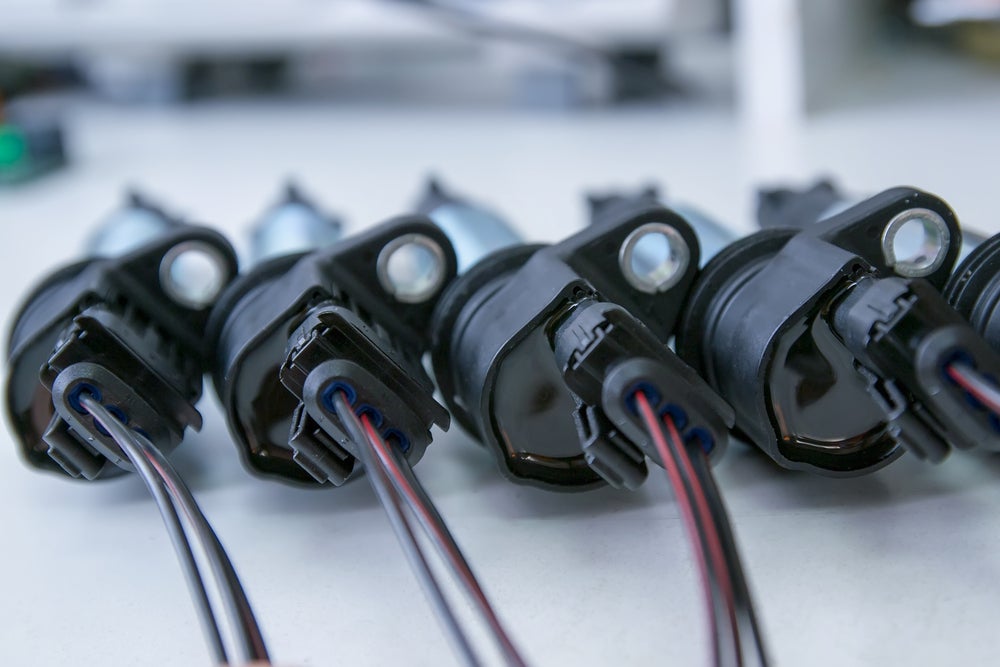
Row,Of,Ignition,Coils,On,A,White,Background

Does Your Mazda Have a Faulty Ignition Coil?

When you see the dreaded check engine light blinking on your car's dashboard, there are many potential causes. If you notice any of the following issues occurring at the same time, you might have a faulty ignition coil on your hands. Although ignition coils can last a good 100,000 miles in a well-kept car, they eventually need replacing. If one of your coils is on its last legs, visit your nearest Mazda dealer right away for a new one. Does Your Mazda Have a Faulty Ignition Coil? Your Engine Sounds Like It's Struggling When an ignition coil bites the dust, the connected spark plug can no longer generate sparks. As a result, the cylinder begins to misfire, which creates sputtering and coughing sounds instead of the engine's usual smooth rumble. You're first likely to notice that your engine's misfiring when you slow down to pause in idle. Idling puts more strain on even a healthy engine so a misfiring engine will really struggle in idle and might even stall. You Notice a Drop in Accelerative Power With at least one of your ignition coils failing to deliver proper voltage to the spark plug, you'll soon feel the difference when you press the gas pedal. With one cylinder down, the car won't accelerate as powerfully as usual. You might even struggle to gain sufficient bursts of speed to overtake other vehicles. Your Fuel Economy Is Plummeting While a failing ignition coil is causing a spark plug to stop sparking properly, fuel is still being injected into the combustion chamber at the normal rate. This means a portion of the fuel is going unburned, which reduces how much power your engine is generating for each gallon it uses. As a result, you'll be stopping at gas stations more often. Your Exhaust Is Having Problems The unburned fuel that results from a faulty coil can start to cause havoc in the exhaust system. Firstly, it's likely to cause backfiring as buildups of fuel ignite out of rhythm as the cylinder is opening. Unburned fuel can also begin to leak back into the exhaust system. If fuel reaches the catalytic converter, it may ignite in the cat's extreme heat, destroying the cat and causing an even louder bang. If this happens, you'll see black smoke pouring from the tailpipe behind you. Your Mazda Dealer Recommends New Coils Periodical vehicle servicing is the key to maintaining a healthy Mazda. Whenever you take your car in for a servicing visit, the technician will keep an expert eye out for emerging problems. An experienced technician is likely to identify potential problems before most drivers do, including ignition coil issues. So if a trusted technician at your local dealership recommends a new coil, it's best to follow their advice. Have your ignition coils checked, cleaned, or replaced today at Mazda City of Orange Park. We've been providing the region's drivers with great cars and customer service for over three decades.
How Long Has It Been Since Your Mazda's Last Car Safety Inspection?

A car safety inspection involves a check on various essential components, including the tires, brakes, and headlights. As your Mazda dealer, we'd like to tell you more about how an inspection works in Florida. Advice From Your Mazda Dealer: How a Car Safety Inspection Works Mandatory Safety Inspection Florida doesn't have a legal requirement for regular vehicle safety inspections. The laws requiring mandatory testing were removed in 1981. New cars in Florida are considered to automatically meet all legal safety requirements. When you buy a new car from us, we submit proof of your car's status to the Florida Highway Safety and Motor Vehicles department (FLHSMV). There are now only two occasions when a safety inspection is required, namely if you buy a car from another state and want to drive it in Florida, or if you buy a used car in Florida. The procedure is the same for both circumstances. Who Performs the Inspection? Florida law allows mechanics, police officers, and other FLHSMV-authorized parties to inspect in the above situations. The fee for the inspection is determined by the provider and can be up to $100.00. What Happens During the Inspection? The official conducting the test will take a copy of your car's VIN and also perform a walk-around inspection of your vehicle. This check identifies that your car possesses the requirements for driving safety, including a working horn, good brakes, and healthy tires. The inspection will also highlight any damage to the car. The VIN and other information are then submitted to the FLHSMV, and you'll be issued with confirmation from the test provider that your car meets the requirements. Failure to get an inspection when required will prevent you from obtaining insurance and from registering your vehicle. Voluntary Inspections Although it's not a legal requirement, for the safety of you, your car, and other drivers and pedestrians, it's important to ensure your car is in good condition. Worn brakes, for example, reduce your ability to control your car's speed and can lead to an accident. Damaged tires can also result in a flat or a blowout. To keep your car in great shape and maintain its value, we advise visiting us for all your regular services. Your car manual lists the mileage requirements for each level of service. Our technicians are Mazda experts and will also check and identify any potential issues so they can be repaired ASAP. Call our service department today at Mazda City of Orange Park and book your next scheduled service.

2023 Mazda CX-9

A Driver's Guide to the 2023 Mazda CX-9

The 2023 Mazda CX-9 is a large family SUV with a spacious interior and plenty of power under the hood. This SUV features three rows of premium seating and an upscale driver-centric interior design. If you are looking for a large family vehicle this year, make sure that the CX-9 is on your list of cars to test drive. Check Out the 2023 Mazda CX-9 The '23 CX-9 boosts its fuel economy with its 2.5L turbocharged four-cylinder powertrain. This four-cylinder engine sounds fantastic and competes well in its class, shooting from zero to 60mph in just 7.1 seconds. The suspension on this SUV is firm but soft enough to ride over rough terrain smoothly. This powerful SUV also boasts an automatic all-wheel-drive system. i-Activ AWD Mazda's i-Activ AWD on the '23 CX-9 is an automated system that constantly monitors changing road conditions. When the system detects a change in those road conditions, it adjusts the power sent to each wheel to enhance traction and keep you safe. Additionally, the off-road traction assist system in the CX-9 optimizes your torque distribution and traction control so you can drive in confidence. Changes This Year The Sport trim level has been eliminated from the '23 CX-9 lineup. However, the Touring model has seen some significant upgrades. This trim includes standard captain's chairs in the second row, a powered sunroof, fog lamps, a wireless charging pad, and more. Fuel Economy The '23 CX-9 boasts great acceleration, solid performance, and impressive EPA ratings. This SUV is one of the most fuel-efficient vehicles in its class. Front-wheel drive models of the CX-9 boast an EPA-estimated 22 mpg in the city and 28 mpg on the highway. All-wheel drive models of the CX-9 get an impressive EPA-estimated 20 mpg city and 26 mpg highway. Interior The '23 CX-9 from Mazda features a detailed interior with high-quality, upscale materials. The soft-touch plastics are arranged tastefully with brushed aluminum, genuine rosewood, and handsome graining. The seats are comfortable, with plenty of head, shoulder, and leg room for passengers in all three rows. Additionally, the CX-9 has excellent cargo space available behind the third row. Connectivity Every model of the '23 CX-9 features a user-friendly infotainment system paired with a sizeable 10.3-inch touchscreen display. The software is intuitive, with excellent graphics. The Bluetooth-compatible system features a wireless charging pad for compatible smartphone devices. Additionally, the CX-9 features Apple CarPlay and Android Auto as standard features. If you are ready for a new family SUV that offers next-level comfort and fuel economy, check out the '23 CX-9 from Mazda. Come visit us at Mazda City of Orange Park for a trade appraisal and to test drive your new family vehicle today.

2023 Mazda CX-5

A First Look at the 2023 Mazda CX-5

Mazda is a giant in the auto manufacturing world, and for a good reason. They have delivered multiple award-winning vehicles throughout their existence. The 2023 Mazda CX-5 is another shining example of why Mazda is a household name. Check out the 2023 CX-5 below. Basics About the 2023 Mazda CX-5 The CX-5 is a four-door small SUV. There are eight trims to choose from: 2.5 S, 2.5 S Select, 2.5 S Preferred, 2.5 S Carbon Edition, 2.5 S Premium, 2.5 S Premium Plus, 2.5 Turbo, and 2.5 Signature. The standard engine is the 187-horsepower 2.5L four-cylinder engine. The other option is the powerful 256-horsepower SKYACTIV-G dynamic pressure turbo engine. Both engines provide the CX-5 with smooth acceleration that will get you from point A to B in a breeze. Being a compact SUV, the 2023 CX-5 offers exceptional turning radius and handling - something you won't often see in larger SUVs. With so many great trims to pick from, you'll have a blast picking out your dream CX-5. What's New for 2023 The second generation of the CX-5 was unveiled to the world in 2017. The 2023 model has received a few performance tweaks and upgrades. No major changes were made to the CX-5 this year due to its already phenomenal performance and classy style. Rhodium White was added as a new exterior color option this year. Interior When shopping for a Mazda, you know all the broad strokes are covered, but Mazda also has a keen eye for detail. The base trim, the 2.5 S, is equipped with an automatic day/night rearview mirror. Say goodbye to those bright, blinding lights while driving around at night. The 2.5 S Select is also equipped with dual-zone climate control with a pollen filter. Each trim brings unique features to the table. Depending on your trim level, you'll either have cloth seating or leather seating - both are remarkably breathable and comfortable. The higher trim levels will be fitted with an 8-way power-adjustable driver's seat and a 6-way power-adjustable passenger's seat. And last but certainly not least, you'll be able to enjoy the convenience of a 10.25-inch full-color display. Safety Since 2014, the CX-5 has been an Insurance Institute for Highway Safety (IIHS) top safety pick plus. The 2023 has only improved, and you can rest assured that the 2023 CX-5 will be a safe choice for you and your family. It is equipped with the latest safety technology, such as smart brake support with collision warning, rearview monitoring, hill launch assist, anti-lock braking systems, and more. You can't go wrong with Mazda. They excel in performance, style, safety, and comfort. If you're looking for the perfect compact SUV that can handle almost anything you throw at it, then the CX-5 is the vehicle you're looking for. Call Mazda City of Orange Park now to speak to a Mazda dealer that knows Mazda inside and out and has a passion and dedication to customer service.

How to check tire

How to Check the Tire Pressure on Your Mazda

It is extremely important that your tires maintain proper pressure for a number of reasons. For this reason, you should check tire pressure at least once every 30 days. Depending on the reading you get, it may be advisable to bring your vehicle in to your local Mazda dealer to ensure that there is no leak to worry about. How to Check the Tire Pressure on Your Mazda The most important step takes place before you even test your vehicle's tire pressure. You need to wait until your tires are cold. If you want to check your tire pressure at work, give your tires at least three hours to cool off. If you haven't driven your car in at least three hours, you can proceed to the next step. The second step to checking your tire's pressure is to remove the air valve cap from your tire. When you take it off, put it in a place where you will be able to easily find it again. The third step is to press the tire pressure gauge against the open valve stem for a little while. This shouldn't take more than a few seconds. Finally, you need to read the air pressure gauge and compare the reading to the tire's recommended pressure. What Pressure Should My Tires Be at? Your tire's recommended pressure is located on a sticker on your driver's side door, and in your manual. Will a Technician at My Local Mazda Dealer Check Tire Pressure for Me? Yes, you can take your Mazda in to your local dealer to have your tire pressure checked by a certified Mazda technician. If you have a tire pressure gauge at home and want to take the pressure of your tires yourself, you may need to bring your vehicle in for maintenance depending on the results you get. It is vital that you have your tires checked out if at least one of your tires is leaking air consistently. It may need to be patched or replaced. To check the tire pressure on your Mazda, you first need to ask yourself if your tires are cold. If they are, remove the air valve cap from the tire, hold the tire pressure gauge up to the valve stem and wait a couple of seconds. Then, read the gauge and compare the reading to the tire's recommended pressure. If you notice that your tire is leaking air, schedule an appointment as soon as possible at Mazda City of Orange Park.

mazda-service

Is Your Mazda Having Electrical Problems?

A modern Mazda is packed with electrical components that vastly improve your driving experience. You might run into occasional electrical problems. Fortunately, these issues are almost always easy to diagnose and fix. Let's take a look at the five most common causes of electrical issues in a car, which you can promptly have repaired at your local Mazda dealer. Is Your Mazda Having Electrical Problems? Your Battery Is Dead The most common cause of electrical issues is a dead battery. This simply means that your battery has run out of power. You might have inadvertently drained it by leaving your headlamps on overnight or by listening to your radio for too long while the engine was off. If your battery's dead, you'll need to jump-start your car. Once the engine's running again, the alternator will kick in and supply all the electrical components with power, while recharging your battery. Your Battery's Too Old A good battery will last three or four years, but all batteries eventually give up the ghost. If your battery simply isn't powering up anymore, or it no longer lasts as long, you'll need to replace it. You can pop the hood to examine your battery for signs of damage. If the casing is warped out of shape or cracked, it has to go. Also, any signs of corrosion around the metallic parts of the battery mean you can no longer depend on that battery. Your Alternator Is Malfunctioning When a battery refuses to charge up, it's possible that the alternator is at fault. The alternator uses the engine's mechanical power to charge the battery with electrical power. To see if the problem lies with your alternator, jump-start your car. If the alternator is working well it will keep the spark plugs in your engine going, along with all the other electrical components. But if the engine dies shortly after, then the alternator is no longer properly functioning. A Wire or Connection Is Loose Another common cause of electrical issues is a loose wire or connection somewhere in your vehicle. This is good news because it's easy to fix. But it's also a tricky problem to identify without a qualified mechanic. A Fuse Is Blown You have all kinds of fuses throughout your vehicle, designed to protect the components from electrical surges. If a fuse blows once, then you can simply have it changed. Your Mazda Dealer Can Find the Underlying Issue If this problem of blowing fuses repeats itself, you might have a more serious underlying problem with your electronics which is causing unexpected power surges. In this case, you'll need a mechanic to figure it out. Visit Mazda City of Orange Park today to have friendly, qualified technicians identify and fix your electrical issues. Since 1974, we've been helping the region's local drivers with exceptional vehicles, financing, and customer service.

Sad,Woman,Standing,On,The,Road,By,The,Broken,Car

Is Your Car Overheating? 3 Possible Reasons

Overheating is one of the most serious problems an engine can face. Your engine is hot, but the cooling system in your Mazda is designed to keep its temperature under control. If your engine temperature rises and continues to rise, you're in danger of a car overheating. As your Mazda dealer, we'd like to give you advice on some of the reasons your engine is too hot. Advice From Your Mazda Dealer: 3 Possible Reasons for a Car Overheating Coolant Level Is Low Coolant is a mixture of antifreeze and water and can absorb heat. Your engine generates large volumes of heat due to combustion, and this heat must be removed to prevent damage to your engine. Coolant circulates through your engine and absorbs heat radiating from the various components it passes. This heat is conveyed to the radiator where its exchanged for cool outside air. Unlike engine oil, coolant isn't consumed by your engine. A low level of coolant is a sign that there's a leak somewhere in the closed cooling system. As your engine loses coolant, the temperature will steadily rise. If you see your engine temperature going up, call our service department right away. Our technicians will trace the leak and repair it. Cracks in the Radiator The radiator exchanges heat in the coolant for air blowing through the radiator grille. Once the coolant arrives in the radiator, it's directed into rows of thin metal tubes. The airflow over these tubes dissipates the heat, and the now cool coolant is recycled through the system again. The cooling system is highly pressurized, and over time the heat and pressure can lead to radiator damage. A radiator is constructed from plastic and aluminum. This reduces weight and allows for very efficient cooling. As time passes, cracks can develop in the plastic sections of the radiator, and coolant will leak out. As we saw above, leaking coolant will cause a rapid rise in engine temperature. We'll examine your radiator for signs of damage, and we can replace it if it's cracked. Worn Radiator Cap The radiator cap is securely attached to the top of your radiator. The cap is responsible for controlling the pressure in the cooling system and preventing coolant from escaping. As additional security, the cap has two seals to provide an airtight fit. The cap and seals are regularly checked during your routine car service to ensure they're in good condition. A worn or cracked seal can allow coolant to escape. This will also decrease the pressure in the system and slow the coolant flow. We'll examine the cap and seals for signs of wear or damage and replace them if necessary. If your engine temperature is too high, call us immediately at Mazda City of Orange Park.
Contact Us

Fill out this form below and we'll contact you shortly
*Required Fields