Blog / Collision Center in Jacksonville

Blog

All Collision Center in Jacksonville Mazda City of Orange Park Jacksonville Mazda Dealer Jacksonville Mazda Service Mazda City of Orange Park Service Things To Do In Jacksonville Jacksonville Amenities Jacksonville Entertainment Jacksonville Used Cars Jacksonville Eateries Tom Bush Family of Dealerships Jacksonville Restaurants Jacksonville Parks Jacksonville Landmarks Mazda City of Orange Park Collision Center Mazda SUVs Jacksonville Art Jacksonville Fitness Orange Park Florida Mazda Dealer Orange Park Florida Mazda Service Holidays in Jacksonville Shopping in Jacksonville Weekend Getaways Auto Insurance Family Fun in Jacksonville Jacksonville Thrifting Orange Park Mazda Service Road Trips Small Town Fun Things To Do Near Jacksonville
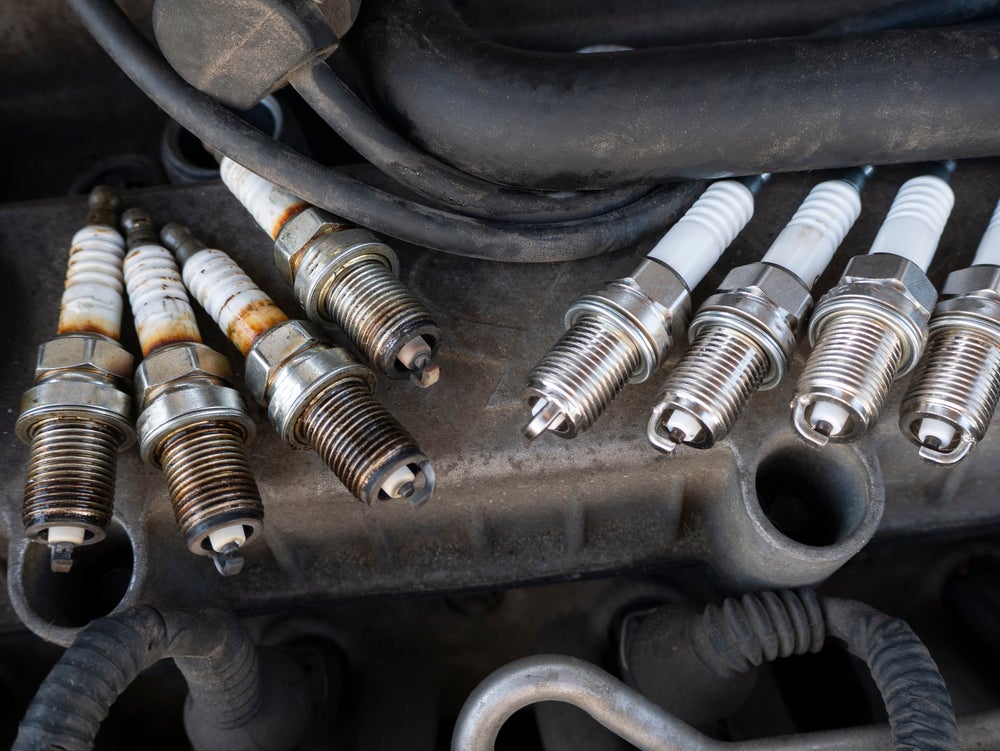
mazda maintenance with spark plugs

6 Benefits of Routine Mazda Maintenance for Long-Term Performance

If you want to sustain the responsive, agile performance of your Mazda for as long as possible, the key to this is routine maintenance at your Jacksonville Mazda dealership, Mazda City of Orange Park. Read on to learn more. 6 Key Benefits of Routine Mazda Service for Enduring Performance Quicker Takeoff The ingenious SKYACTIV TECHNOLOGY of a Mazda's engine and drivetrain delivers a terrific burst of speed with maximum efficiency. You'll keep this powerful acceleration with regular engine servicing, which should include oil changes, air filter replacements, tune-ups, and cooling system checks, along with maintenance for the transmission, differentials, and exhaust. Sharper Steering As a Mazda driver, you enjoy outstanding handling with nimble dynamics that come from Mazda's driver-centric focus in design. This premium steering and sense of control will only be maintained long-term with regular care of the tires, suspension, and steering system. This should include routine tire rotations, tire alignments, tire balancing, and tire replacements along with suspension tune-ups and power steering fluid checks. more Smoother Ride Looking after your car's suspension not only tightens up steering but also ensures a smoother, quieter ride. With regular inspections, we can make sure that each shock, strut, spring, bearing, bushing, sway bar, control arm, and tie rod is properly stabilizing your ride. If your Mazda ever starts to sway, dip, or bounce, have your suspension checked right away. Stronger Braking Your brakes will stay firm for the full lifespan of your car with routine brake servicing. Biannual inspections allow our technician to examine each brake pad, rotor, caliper, and fluid line. The brake fluid also needs to be flushed periodically. Watch out for symptoms of worn brake pads, which are the brake components that usually wear out most quickly. Better Gas Mileage All the aforementioned services allow your Mazda to remain remarkably fuel efficient. Regular fluid checks and flushes keep everything working efficiently with minimal friction. Prompt replacements of parts, including the many sensors, keep your car's SKYACTIV system producing optimal energy for each drop of fuel burned. Fewer Faults With a sensible maintenance schedule, your car's performance will rarely be interrupted by an unexpected fault. You'll have less wear and tear overall, which means components last longer, as does your entire car. In this way, regular maintenance makes a car's performance easier and less expensive to maintain in the long run. Book Routine Services Today at Our Mazda Dealership It's a good idea to set up a solid maintenance schedule with experienced Mazda specialists. Our technicians are experts with SKYACTIV TECHNOLOGY and every component of your Mazda that keeps it running so smoothly and responsively. Visit Mazda City of Orange Park in Jacksonville, FL, to get your Mazda in amazing shape. Since 1989, we've been keeping our customers among the happiest drivers on the road.
hail-damage-g9aa0c2654_1280

What Should You Do If Your Mazda Gets Dented?

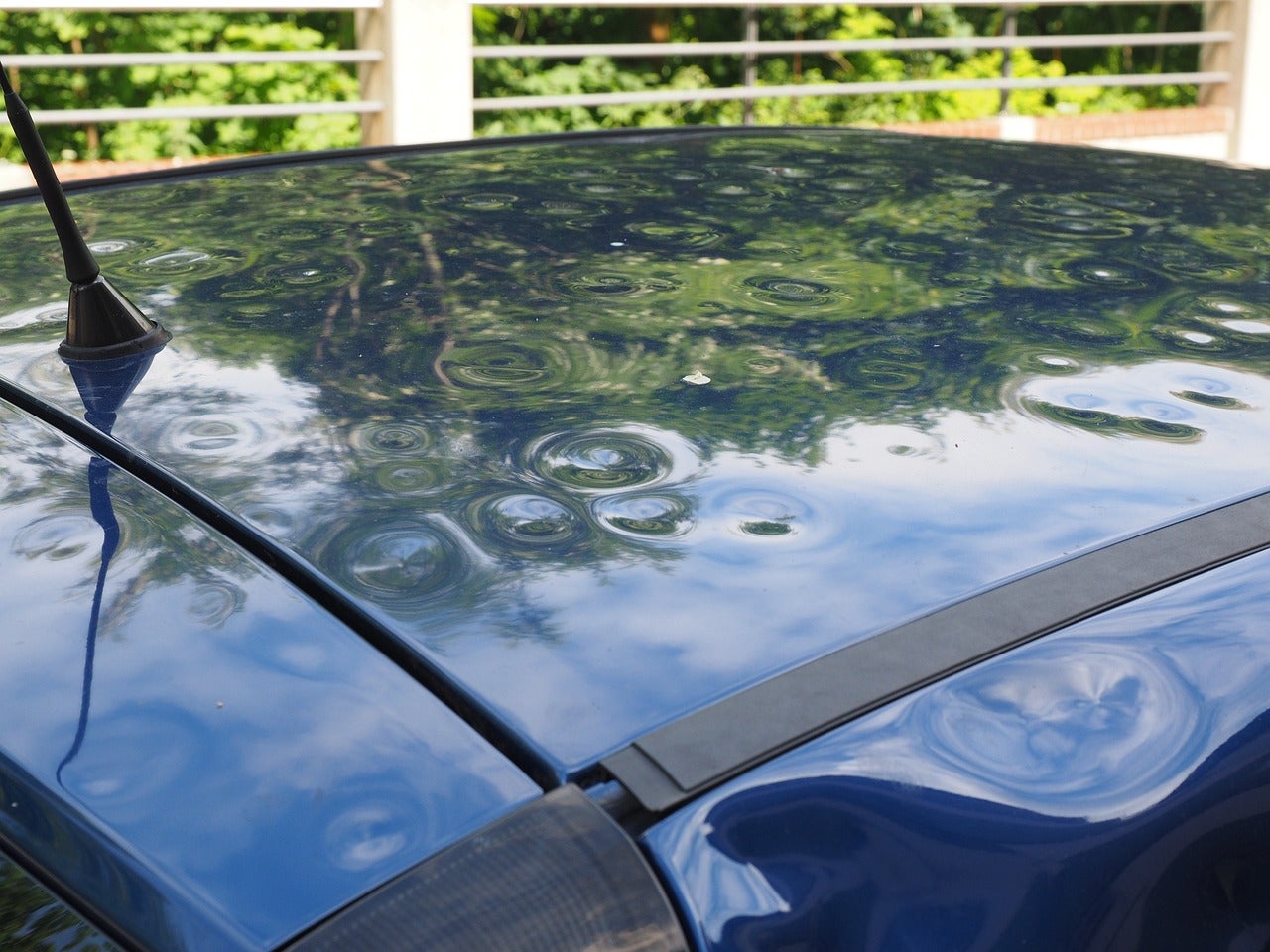
It's always frustrating to find a dent in the bodywork of your car. Car dents can be caused by the doors of other cars, grocery carts, falling branches, objects tossed by the wind, or even your own misjudgment of how tight a parking space is. To ensure a professional repair job, dents should always be fixed at your nearest Mazda dealership. Here are some methods a technician may use to disappear dents in your car. What Should You Do If Your Mazda Gets Dented? Fixing Car Dents in Plastic Areas These days, car bumpers and many outer bodywork panels are made from plastics and other composite materials. The smallest of dents in plastic areas can sometimes be fixed with a heat gun to initially loosen the plastic and then an immediate icy blast of compressed air spray. This contrast in temperature may force the plastic to firm up into its remembered form, popping out the dent. With deeper or larger dents in plastic, you can first heat the plastic with a heat gun and then apply a special dent suction tool to tug out the dents. You can also try pushing the warm plastic out from the other side. Fixing a dent this way usually requires patience and several attempts. more Repairing Dents in Metal Areas Dents in metal areas of bodywork require stronger tools. One of the most reliable dent-correction tools is called a bridge puller, which applies pressure on either side of the dented area and allows you to slowly, surely pull out the dent. When using a bridge puller, the dented area should first be thoroughly cleaned. Then, hot glue is used to fix the puller's head to the metal at the center of the dent. Once the glue dries, you can slowly turn the puller's dial to tug out the dent. Afterward, a heat gun can melt the glue to remove the tool. For deeper dents in metal, or dents covering a broader area, you're likely to need to carefully repeat this bridge-puller method several times before your bodywork has returned to its proper contours. Handling Sharp or Corner Dents Some dents are very challenging to fix, such as sharp dents and dents in the corners of a car's bodywork. These kinds of dents require a great deal of skill to pull out. It's sometimes best to repair them by filling in the dent and then painting it over. How Long It Takes a Mazda Dealer To Fix a Dent Simple single dents can often be repaired in an hour or two by an experienced mechanic. But extensive denting over multiple areas of a car may take a week or two to resolve. It all depends on the degree of damage and the type of dent you're facing. Visit Mazda City of Orange Park today to have any dents in your car fixed by qualified professionals. We've been servicing and repairing the vehicles of local Mazda drivers for over three decades, since 1989.

mazda-service

Is Your Mazda Having Electrical Problems?

A modern Mazda is packed with electrical components that vastly improve your driving experience. You might run into occasional electrical problems. Fortunately, these issues are almost always easy to diagnose and fix. Let's take a look at the five most common causes of electrical issues in a car, which you can promptly have repaired at your local Mazda dealer. Is Your Mazda Having Electrical Problems? Your Battery Is Dead The most common cause of electrical issues is a dead battery. This simply means that your battery has run out of power. You might have inadvertently drained it by leaving your headlamps on overnight or by listening to your radio for too long while the engine was off. If your battery's dead, you'll need to jump-start your car. Once the engine's running again, the alternator will kick in and supply all the electrical components with power, while recharging your battery. more Your Battery's Too Old A good battery will last three or four years, but all batteries eventually give up the ghost. If your battery simply isn't powering up anymore, or it no longer lasts as long, you'll need to replace it. You can pop the hood to examine your battery for signs of damage. If the casing is warped out of shape or cracked, it has to go. Also, any signs of corrosion around the metallic parts of the battery mean you can no longer depend on that battery. Your Alternator Is Malfunctioning When a battery refuses to charge up, it's possible that the alternator is at fault. The alternator uses the engine's mechanical power to charge the battery with electrical power. To see if the problem lies with your alternator, jump-start your car. If the alternator is working well it will keep the spark plugs in your engine going, along with all the other electrical components. But if the engine dies shortly after, then the alternator is no longer properly functioning. A Wire or Connection Is Loose Another common cause of electrical issues is a loose wire or connection somewhere in your vehicle. This is good news because it's easy to fix. But it's also a tricky problem to identify without a qualified mechanic. A Fuse Is Blown You have all kinds of fuses throughout your vehicle, designed to protect the components from electrical surges. If a fuse blows once, then you can simply have it changed. Your Mazda Dealer Can Find the Underlying Issue If this problem of blowing fuses repeats itself, you might have a more serious underlying problem with your electronics which is causing unexpected power surges. In this case, you'll need a mechanic to figure it out. Visit Mazda City of Orange Park today to have friendly, qualified technicians identify and fix your electrical issues. Since 1974, we've been helping the region's local drivers with exceptional vehicles, financing, and customer service.

Sad,Woman,Standing,On,The,Road,By,The,Broken,Car

Is Your Car Overheating? 3 Possible Reasons

Overheating is one of the most serious problems an engine can face. Your engine is hot, but the cooling system in your Mazda is designed to keep its temperature under control. If your engine temperature rises and continues to rise, you're in danger of a car overheating. As your Mazda dealer, we'd like to give you advice on some of the reasons your engine is too hot. Advice From Your Mazda Dealer: 3 Possible Reasons for a Car Overheating Coolant Level Is Low Coolant is a mixture of antifreeze and water and can absorb heat. Your engine generates large volumes of heat due to combustion, and this heat must be removed to prevent damage to your engine. Coolant circulates through your engine and absorbs heat radiating from the various components it passes. This heat is conveyed to the radiator where its exchanged for cool outside air. Unlike engine oil, coolant isn't consumed by your engine. A low level of coolant is a sign that there's a leak somewhere in the closed cooling system. As your engine loses coolant, the temperature will steadily rise. If you see your engine temperature going up, call our service department right away. Our technicians will trace the leak and repair it. more Cracks in the Radiator The radiator exchanges heat in the coolant for air blowing through the radiator grille. Once the coolant arrives in the radiator, it's directed into rows of thin metal tubes. The airflow over these tubes dissipates the heat, and the now cool coolant is recycled through the system again. The cooling system is highly pressurized, and over time the heat and pressure can lead to radiator damage. A radiator is constructed from plastic and aluminum. This reduces weight and allows for very efficient cooling. As time passes, cracks can develop in the plastic sections of the radiator, and coolant will leak out. As we saw above, leaking coolant will cause a rapid rise in engine temperature. We'll examine your radiator for signs of damage, and we can replace it if it's cracked. Worn Radiator Cap The radiator cap is securely attached to the top of your radiator. The cap is responsible for controlling the pressure in the cooling system and preventing coolant from escaping. As additional security, the cap has two seals to provide an airtight fit. The cap and seals are regularly checked during your routine car service to ensure they're in good condition. A worn or cracked seal can allow coolant to escape. This will also decrease the pressure in the system and slow the coolant flow. We'll examine the cap and seals for signs of wear or damage and replace them if necessary. If your engine temperature is too high, call us immediately at Mazda City of Orange Park.

Is Your Mazda's Car AC

Is Your Mazda's Car AC Not Working? Stop By Your Mazda Dealer Today

Here at Mazda City of Orange Park, we know that warm weather means camping, road trips, and other fun outdoor activities. However, a faulty air conditioner can ruin all of the fun. Is your car AC not working? Check out our guide to several common car AC problems and how your local Mazda dealer can help. Refrigerant Leaks Refrigerant leaks are a common cause of a failing car AC system. Your Mazda's AC system relies on refrigerant, a fluid designed to evaporate at a low temperature, to cool the air before it blows through the system's vents and into the cabin. If your car's refrigerant is leaking from somewhere in the AC system, there will be less refrigerant in the AC system, causing the system to become less effective at cooling the air before it leaves the vents. Diagnosing a refrigerant leak can be challenging because leaks can occur throughout the AC system in areas such as hoses, pipe fittings, or your car's condenser. You'll need to visually inspect each of these areas for oil residue or use a special tool that can detect AC refrigerant gas. If you notice these signs during your inspection, then chances are your car's AC system is suffering from a refrigerant leak, and you'll need to repair or replace the offending part. more Electrical Issues Electrical issues are another common cause of a failing car AC system. The buttons, knobs, and control screens that you use to adjust the temperature in your vehicle tell the AC's control module — basically a computer — to pass instructions to the heating and cooling system. As with any electrical tool or appliance, the AC module or the parts that support it, such as electrical wiring, can break down or fail for a variety of reasons. As a result, your car's AC may begin to perform inconsistently or even stop working altogether. To diagnose AC electrical issues, you'll need to examine wiring for signs of damage and look for burnt fuses or electrical shorts. How Your Favorite Mazda Dealer Can Help With Your Car AC Not Working Due to the complex nature of the electronics and other components in a car's AC system, you'll likely need an experienced and trained technician to evaluate the components, diagnose the root cause, and repair or replace the faulty parts. Fortunately, your local Mazda service center is staffed by specialists with plenty of experience dealing with car AC issues. If you need help with your car's AC problems, reaching out to these professionals is always a great choice. You deserve a functioning car air conditioning system so that you can beat the heat and enjoy outdoor fun in your Mazda. To learn more about how you can solve your car's AC problems, visit us in person at Mazda City of Orange Park today!

mazda-city2

5 Things You Can Learn From an Engine Diagnostic

We've all experienced starting a car only to see an illuminated check engine light. As your Mazda dealer, we will conduct an engine diagnostic when this happens to determine the cause so we can get you back on the road in no time. Read more below about this important car maintenance test and what you can learn from it. 5 Things You Can Learn From an Engine Diagnostic at Your Mazda Dealer Overall Engine Health A healthy engine is essential for a car to function optimally. Running a diagnostic test for your engine is a computerized process that shows how all of your engine's parts are working, and it can be performed at any time to determine the overall engine health and as a preventative measure to detect minor problems before they become bigger issues. more Oil Quality and Level Your car's engine needs a steady supply of clean oil to keep its parts lubricated. Completely running out of oil will result in a seizing engine, and dirty oil can build up on parts of the engine and affect how well they function. The diagnostic test for your engine will sense both the quality and the amount of oil in your engine and determine if the oil needs to be changed or replenished. Compression Engines work due to an internal combustion process that converts gas into motion. Part of how that combustion occurs is through the compression of fuel and air. A diagnostic test will show how well the fuel or air gets compressed. If there is inadequate compression, the combustion cycle will not work, and the car won't run or start properly. Your Fuel Economy and Emissions Certain parts of the car's engine, collectively called the emission control system, are vital for efficient fuel economy and safe emissions standards. For example, damaged oxygen sensors or catalytic converters will affect the safety and efficiency of your car in the long run if not addressed. A diagnostic will locate any issues with these parts so we can ensure you pass future emissions tests and so your car will run as efficiently as possible. If Parts Are Aging or Broken Although many engine issues can be fixed simply without any exchange of parts, sometimes pieces age or break down. A diagnostic tells us precisely where a problem is and what specific piece of the engine is affected. That way, we can determine whether the part needs fixing or replacement. The older your car is, the more likely some pieces are wearing down over time. Now that you have our list of what you can learn from a car diagnostic, we hope you know how important it is to stay knowledgeable about your car's engine health. Call Mazda City of Orange Park today to schedule a diagnostic test!

6 Keys to Getting a Quality Collision Repair for Your Mazda

No matter how careful any driver is, there's always the possibility of being involved in an accident. If an accident happens, the most important thing is that you're safe and unharmed. You care about your Mazda, and it's very upsetting if it sustains damage. Fortunately, as your Mazda dealer, we can repair any damage to your car. This is an overview of the steps we take in a collision repair. more 6 Steps to a Collision Repair at Your Mazda Dealer Check-In Our repair procedure starts when your car arrives at our service department. We'll confirm all of your details are correct, and we'll also ask for your insurance details if your insurance company is arranging the repair. While our people are helping you with this procedure, our highly-trained technicians will be examining your vehicle. Our technicians will visually examine the damage to buildup and a complete picture of what needs to be repaired. Technicians will photograph the damaged parts and prepare a full report. This report provides the plan our repair experts will use to restore your car. Disassembly Our technicians will remove all of the damaged parts. Once these parts are removed, we can confirm the full extent of the damage. Our paint technicians will confirm your car's color, and we can color-match it exactly. Once we've seen the full extent of the damage, we will compile a quote detailing the work that needs to be done and the cost. We'll send the quote directly to you if you're arranging the repair. If your insurance company is organizing the repair, we'll send the quote through to them. Repairs and Painting Once we received the confirmation, our technicians will be ready to restore your car. We'll draw any needed parts from our spare part stocks, and if they need to be painted they'll be given to our paint technicians. Our technicians will document every step of the process for later review as part of our quality control procedures. While any internal damage is being repaired, our paint technicians will apply a basecoat and clearcoat to any replacement parts that need painting. If any minor touch painting is required, our technicians will work on that too. Reassembly Once any other repairs have been completed, and the replacement body parts have been painted, your vehicle will be carefully reassembled. Our technicians will also be testing any internal components that were replaced to make sure they're working correctly. Quality Control Once the repairs have been completed, our quality control department will review the work. This checks that all the repairs have been completed to Mazda's standards. Return Your car is thoroughly cleaned, and we'll call you to let you know it's ready for collection. Once you've checked your car and you're happy with the repairs, you'll be able to drive off in a perfectly repaired car. If you need any repairs to your car, call our service department at Mazda City of Orange Park. Your car will look as good as new again.

Contact Us

Fill out this form below and we'll contact you shortly
*Required Fields