Blog / Jacksonville Mazda Dealer

Blog

All Jacksonville Mazda Dealer Mazda City of Orange Park Jacksonville Mazda Service Mazda City of Orange Park Service Things To Do In Jacksonville Jacksonville Amenities Jacksonville Entertainment Jacksonville Used Cars Jacksonville Eateries Tom Bush Family of Dealerships Jacksonville Restaurants Jacksonville Parks Orange Park Florida Mazda Dealer Jacksonville Landmarks Mazda City of Orange Park Collision Center Mazda SUVs Collision Center in Jacksonville Jacksonville Art Jacksonville Fitness Orange Park Florida Mazda Service Holidays in Jacksonville Orange Park Mazda Service Shopping in Jacksonville Weekend Getaways Auto Insurance Family Fun in Jacksonville Jacksonville Thrifting Road Trips Small Town Fun Things To Do Near Jacksonville

How Mazda Engineering Creates a Responsive, Balanced Drive for Orange Park Roads

Every Mazda begins with a single intention: to make driving feel natural again. For many drivers in Orange Park, that feeling shows up in subtle ways. The steering feels precise without effort. The vehicle responds predictably through corners. The ride remains composed over uneven pavement without disconnecting you from the road. Many shoppers ask what makes Mazda driving feel different from other brands. The answer is not one feature, but how multiple systems are engineered to work together. Mazda builds its vehicles around the idea that control, comfort, and responsiveness should feel unified rather than competing priorities. This approach is rooted in a philosophy called Jinba Ittai, but its real impact comes from how it is applied through steering, chassis design, suspension tuning, and weight balance. Jinba Ittai as a Measurable Engineering Approach Many drivers researching Mazda want to understand what Jinba Ittai actually means in real driving. Jinba Ittai refers to the feeling of unity between driver and vehicle, where inputs from the driver translate into immediate and predictable vehicle response. In the Mazda CX-5 and Mazda3, this concept is not abstract. It directly influences how engineers position the driver, tune the controls, and calibrate vehicle systems. The seating position aligns the driver’s hips, hands, and feet to reduce unnecessary movement. Pedal placement ensures consistent input. Steering response is calibrated to feel linear rather than artificial. This means that when a driver turns the wheel or adjusts throttle input, the vehicle reacts in a way that feels intuitive. Instead of correcting or compensating, the driver remains in control with less effort. For everyday driving in Orange Park, where roads shift between city traffic and open stretches, this consistency builds confidence over time. Steering Calibration and Real Driver Feedback Shoppers often ask why Mazda steering feels more connected compared to other vehicles. Steering feel is determined by how the electric power steering system is calibrated, not just the hardware itself. The Mazda CX-30 steering system uses carefully tuned assist levels that adjust based on speed and driving conditions. At lower speeds, the system provides lighter input for easier maneuvering. At higher speeds, the assist reduces, allowing for more direct feedback from the road. This calibration affects several key elements of the driving experience: Steering ratio determines how much the vehicle turns relative to wheel input Assist levels influence how much effort is required at different speeds Feedback tuning controls how much road information reaches the driver In real world driving, this results in smoother lane changes, more precise cornering, and less need for constant corrections. For drivers navigating Orange Park roads with varying traffic patterns, this level of control reduces fatigue while improving confidence. Chassis Structure and Handling Stability Many drivers assume handling comes primarily from suspension tuning, but the structure of the vehicle plays an equally important role. The Mazda3 chassis is designed with high rigidity to minimize flex during cornering and braking. A rigid chassis allows the suspension to operate more effectively because the vehicle body itself is not absorbing or distorting energy. When the structure remains stable, the tires maintain better contact with the road surface, improving grip and predictability. This structural stability becomes especially noticeable during: Cornering at moderate speeds Sudden directional changes Braking on uneven surfaces For Orange Park drivers, this means the vehicle remains composed whether navigating intersections, merging onto highways, or driving through variable road conditions. The result is not just better performance, but a more consistent and reassuring driving experience. Suspension Tuning That Balances Comfort and Control One of the most common questions shoppers ask is whether Mazda prioritizes performance over comfort. Suspension tuning answers that question directly. The Mazda CX-5 suspension system is designed to manage both ride quality and handling precision without forcing a tradeoff between the two. Suspension systems rely on springs and dampers working together. Springs absorb energy from road impacts, while dampers control how quickly that energy is released. Mazda tunes these components to maintain stability while still allowing enough flexibility to absorb imperfections in the road. Key elements of this balance include: Spring rates that prevent excessive body movement without creating stiffness Damper tuning that smooths out road irregularities without losing control Suspension geometry that maintains tire contact during turns In daily driving, this means the vehicle feels stable through curves while remaining comfortable over rough pavement. For drivers in Orange Park, where road surfaces and traffic conditions can change quickly, this balance allows for both relaxed commuting and confident handling when needed. Weight Distribution and Everyday Driving Confidence Drivers comparing vehicles often overlook how weight distribution affects the driving experience. Mazda engineers focus on balancing weight across the vehicle to improve stability and responsiveness. In the Mazda CX-5, weight is distributed to maintain control during acceleration, braking, and cornering. When weight shifts too aggressively to one end of the vehicle, it can reduce traction and make the vehicle feel less predictable. Balanced distribution helps maintain consistent tire contact across all four wheels. This impacts several real world driving scenarios: More stable braking with reduced forward weight transfer Improved cornering with balanced grip across front and rear wheels Smoother acceleration without excessive front end lift For Orange Park drivers, this translates to a vehicle that feels planted and controlled, whether navigating stop and go traffic or maintaining speed on open roads. What Drivers Should Evaluate When Comparing Driving Experience Understanding how Mazda engineers driving dynamics helps clarify what to look for during a test drive. Instead of focusing only on horsepower or specifications, drivers should evaluate how the vehicle responds to input and how it behaves across different conditions. Shoppers comparing vehicles should pay attention to: How quickly and smoothly the steering responds to input Whether the vehicle remains stable through turns without excessive body movement How the suspension absorbs bumps while maintaining control Whether braking feels balanced and predictable How natural the overall driving experience feels over time These factors reflect the systems working together rather than individual features in isolation. Mazda’s approach is built around this integration, creating a driving experience that feels consistent, controlled, and engaging. Mazda engineering is not about making one system stand out. It is about ensuring that every system contributes to a unified driving experience. For drivers in Orange Park, that means a vehicle that responds naturally, remains composed in changing conditions, and delivers a level of connection that becomes more noticeable the longer you spend behind the wheel.
2026 Mazda3: A Standout Choice for Jacksonville’s Daily Drivers

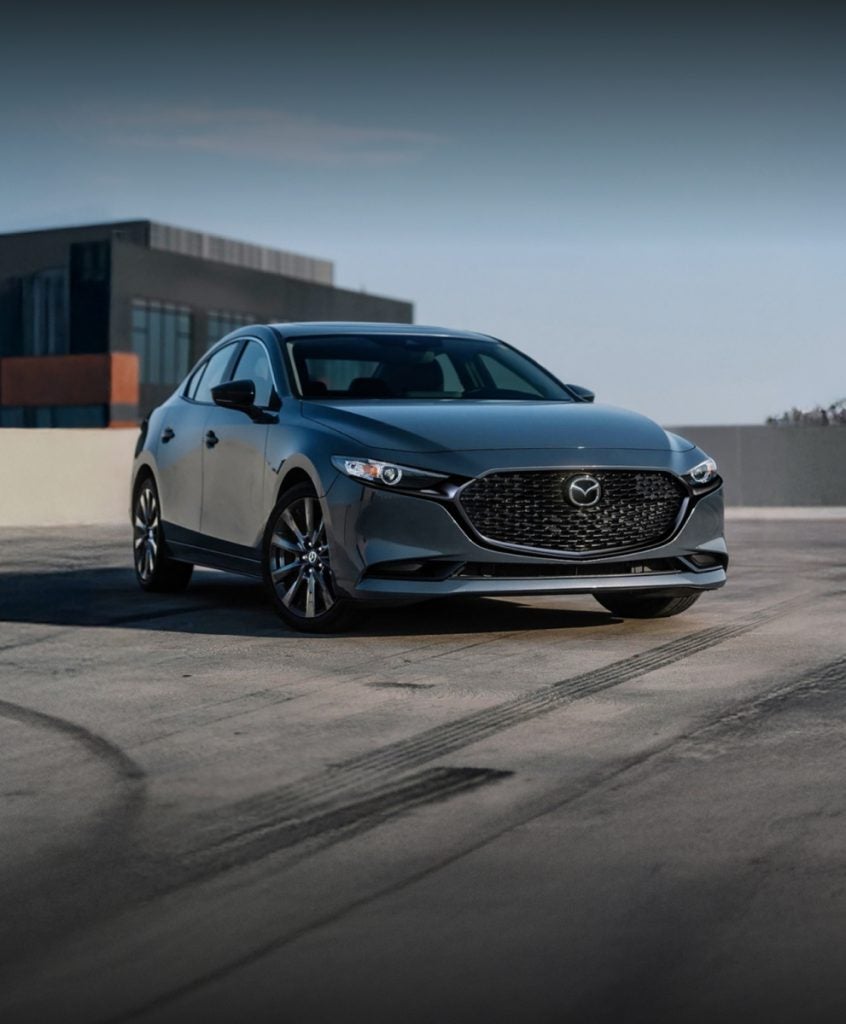
For daily drivers in Jacksonville and Orange Park, the ideal compact car needs to do more than deliver good fuel economy. It has to feel comfortable in traffic, stable at highway speeds, easy to live with in tight parking situations, and rewarding enough that driving does not feel like a chore. The 2026 Mazda3 stands out in this space because it is engineered around balance and driver engagement rather than chasing numbers or visual flash. Mazda approaches the compact segment differently than many competitors. Instead of prioritizing maximum cabin volume or headline features, the Mazda3 is designed to feel composed, quiet, and connected in real-world driving conditions. That difference shows up every day, not just on a spec sheet. Platform and Powertrain Intent The 2026 Mazda3 continues to use Mazda’s well-established compact vehicle platform, tuned for rigidity and predictable response. A stiff structure allows the suspension to do its job accurately, which directly affects ride comfort and steering feel. Power comes from Mazda’s naturally aspirated Skyactiv gasoline engines, engineered for smooth torque delivery and efficiency without relying on aggressive turbocharging. Throttle response is linear, which matters more in daily driving than peak output numbers. Acceleration feels predictable when merging onto highways or navigating stop-and-go traffic. Key powertrain characteristics that matter daily: Smooth, consistent torque delivery at low and mid-range speeds Reduced drivetrain lag in urban driving Engine tuning designed for longevity and efficiency Calm highway behavior without constant gear hunting Steering, Handling, and Traffic Confidence One of the Mazda3’s defining traits is steering feel. Mazda calibrates the steering system to provide weight and feedback that mirror vehicle movement. This makes lane changes, curves, and quick maneuvers feel controlled rather than vague. In city traffic, the Mazda3 feels compact and easy to place. On highways, it remains stable and composed, avoiding the light or floaty sensation that some compact cars develop at speed. Handling benefits daily drivers notice: Predictable steering response in traffic Confident lane changes at highway speeds Controlled body motion over uneven pavement A sense of connection without harshness Ride Comfort on Real Roads Jacksonville-area roads include a mix of smooth highways, concrete expansion joints, and worn surface streets. Mazda tunes the Mazda3’s suspension to absorb imperfections without feeling soft or disconnected. Rather than isolating the driver completely, the suspension balances comfort with feedback. This reduces fatigue over long commutes and prevents the car from feeling unsettled on rougher pavement. Interior Ergonomics and Cabin Quality The Mazda3 interior is intentionally minimalist, but that simplicity serves a purpose. The driving position is engineered around natural posture, with pedals, steering wheel, and seat alignment designed to reduce strain over time. Interior design priorities include: Clear sightlines with a low dash and well-positioned instruments Physical controls for frequently used functions Screen placement that minimizes eye movement Materials chosen for consistency rather than flash The result is a cabin that feels calm and refined, especially during long stretches of traffic or highway driving. Noise insulation is also a strong point, with road and wind noise kept lower than many competitors in the compact segment. All-Wheel Drive Availability One feature that differentiates the Mazda3 is available all-wheel drive, which remains uncommon among compact cars. While not necessary for every driver, AWD adds confidence in heavy rain and improves traction during sudden weather changes common in Florida. Mazda’s AWD system operates automatically, distributing power where needed without requiring driver input. It enhances stability without changing the driving character of the vehicle. Fuel Efficiency and Real-World Use Fuel efficiency remains competitive in the compact segment, but Mazda prioritizes real-world drivability over chasing extreme MPG figures. The Mazda3 delivers consistent efficiency in mixed driving, especially for commuters who combine highway and city travel. Because the engine is not overly stressed, efficiency remains predictable even with passengers, cargo, or sustained highway speeds. Safety Systems for Urban Driving The 2026 Mazda3 includes Mazda’s i-Activsense driver assistance technologies, designed to support awareness rather than overwhelm the driver. Features such as Smart Brake Support, Blind Spot Monitoring, and Lane Departure Warning are calibrated to provide timely alerts without aggressive intervention. In dense traffic and busy intersections, these systems add confidence while keeping the driver fully engaged. Long-Term Ownership Considerations Daily drivers often keep their vehicles for several years, making durability and satisfaction important. Mazda’s focus on proven powertrains, restrained technology integration, and structural integrity contributes to strong long-term ownership confidence. Drivers who value: A quiet, comfortable commute Predictable handling and control Interior quality that holds up over time A car that remains enjoyable beyond the first year often find the Mazda3 particularly satisfying to live with. Why the Mazda3 Stands Out for Daily Driving Many compact cars excel in one area while compromising another. The 2026 Mazda3 stands out because it balances the elements that matter most to everyday drivers. It is easy to maneuver in the city, stable on the highway, comfortable over long distances, and engaging enough to make daily driving feel intentional rather than routine. For Jacksonville-area drivers looking for a compact car that prioritizes comfort, control, and long-term satisfaction, the Mazda3 delivers a well-rounded ownership experience that goes beyond basic transportation. It is not designed to impress on paper. It is designed to feel right every time you drive it.

Understanding Mazda’s i-Activsense Features – Safety Designed for Orange Park Roads

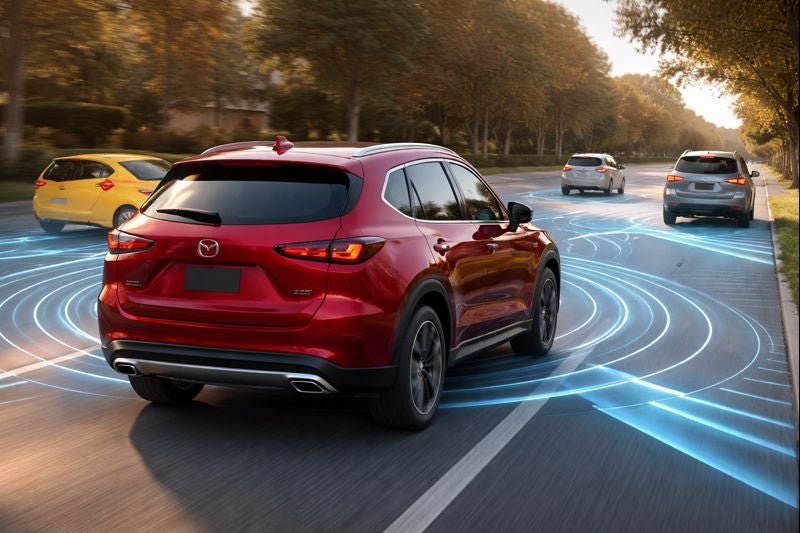
Mazda approaches safety with the same philosophy it applies to design and driving feel: support the driver, do not replace them. i-Activsense is Mazda’s suite of active safety and driver assistance technologies built to enhance awareness, reduce fatigue, and intervene only when a situation becomes critical. Rather than relying on aggressive automation, Mazda calibrates these systems to feel natural and predictable in real-world driving. For drivers navigating Orange Park roads, suburban traffic patterns, and regional highways, i-Activsense is designed to work quietly in the background, providing information first and assistance second. Understanding how these systems function helps drivers use them correctly and confidently. Active Safety Versus Passive Safety Mazda separates safety into two complementary layers. Passive safety focuses on protection during a collision. This includes body structure design, airbags, seatbelts, and energy management systems. Active safety focuses on preventing collisions before they happen. i-Activsense belongs in this category. These technologies monitor surroundings, track vehicle behavior, and support driver decision-making in real time. Mazda places strong emphasis on active safety because preventing an incident is always preferable to managing the aftermath. How i-Activsense Works as a System i-Activsense is not a single feature. It is a network of cameras, radar sensors, and vehicle control modules working together. Forward-facing cameras monitor lane markings, vehicles, and pedestrians. Radar sensors track distance and relative speed. The system continuously evaluates driver input, road conditions, and surrounding traffic. What distinguishes Mazda’s approach is how the system responds. Alerts are designed to inform first. Assistance follows only if needed. Full intervention is reserved for moments when the risk becomes immediate and the driver does not respond. This layered escalation helps preserve driver trust and engagement. Mazda Smart Brake Support Mazda Smart Brake Support is the foundation of i-Activsense. It monitors the road ahead to detect vehicles, pedestrians, and potential obstacles. The system operates in stages: Visual and audible warnings alert the driver to a potential collision Brake assist increases braking force if the driver reacts but does not brake firmly enough Automatic braking engages only when the system determines a collision is likely and no driver response is detected This design allows the driver to remain in control while providing a safety net in critical moments. Blind Spot Monitoring and Rear Cross Traffic Alert Blind Spot Monitoring uses rear-mounted radar sensors to detect vehicles approaching from adjacent lanes. When a vehicle enters the monitored zone, the system provides a visual alert in the side mirror. Rear Cross Traffic Alert extends this awareness when reversing out of parking spaces. It scans left and right for approaching vehicles and issues warnings to help prevent low-speed collisions in crowded areas such as shopping centers and school parking lots. These systems focus on awareness rather than intervention, supporting driver judgment where visibility is naturally limited. Lane Departure Warning and Lane Keep Assist Mazda clearly differentiates between warning and assistance. Lane Departure Warning alerts the driver when the vehicle begins to drift out of its lane without a turn signal. Lane Keep Assist adds gentle steering input to guide the vehicle back toward the center of the lane. Mazda intentionally avoids aggressive steering corrections. The assistance is subtle, designed to support attentive driving rather than override it. Drivers remain actively engaged with the steering wheel at all times. Mazda Radar Cruise Control Mazda Radar Cruise Control uses radar and camera data to maintain a set speed while adjusting following distance based on traffic conditions. When traffic slows, the system reduces speed smoothly. When conditions clear, it resumes the preset speed. Mazda calibrates adaptive cruise control to prioritize smoothness and predictability. Acceleration and braking inputs are gradual, which reduces fatigue during long drives while keeping the driver mentally involved. Driver Awareness and Responsibility A defining characteristic of i-Activsense is Mazda’s emphasis on driver responsibility. These systems are designed to assist attentive drivers, not enable hands-off driving. Mazda avoids framing i-Activsense as autonomous technology. Instead, it is positioned as a tool that enhances situational awareness and provides support when attention momentarily lapses. This philosophy reinforces safe driving habits rather than encouraging reliance on automation. Understanding System Limitations i-Activsense systems rely on clear lane markings, visible road conditions, and properly functioning sensors. Weather, road debris, glare, and unusual traffic situations can affect performance. Drivers must remain aware of their surroundings and be prepared to take control at all times. Understanding these limitations is essential for using driver assistance features safely and effectively. Why Mazda’s Safety Approach Feels Different Many driver assistance systems on the market prioritize assertive intervention. Mazda takes a different approach by prioritizing predictability and subtlety. Alerts arrive when they matter. Assistance feels supportive rather than corrective. Intervention occurs only when necessary. This calibration builds confidence over time. Drivers learn what to expect from the system and trust it without feeling overridden. Safety Designed for Real Roads For drivers in and around Orange Park, daily driving includes suburban traffic, school zones, highway merges, and unpredictable conditions. i-Activsense is designed to support these environments by enhancing awareness rather than demanding attention. Mazda’s approach to safety reflects a belief that the safest driver is an informed and engaged one. By supporting the driver instead of replacing them, i-Activsense delivers a safety experience that feels natural, respectful, and aligned with how people actually drive.

How Mazda CX-90 Lease Options Appeal to Jacksonville Families Comparing Three-Row SUVs

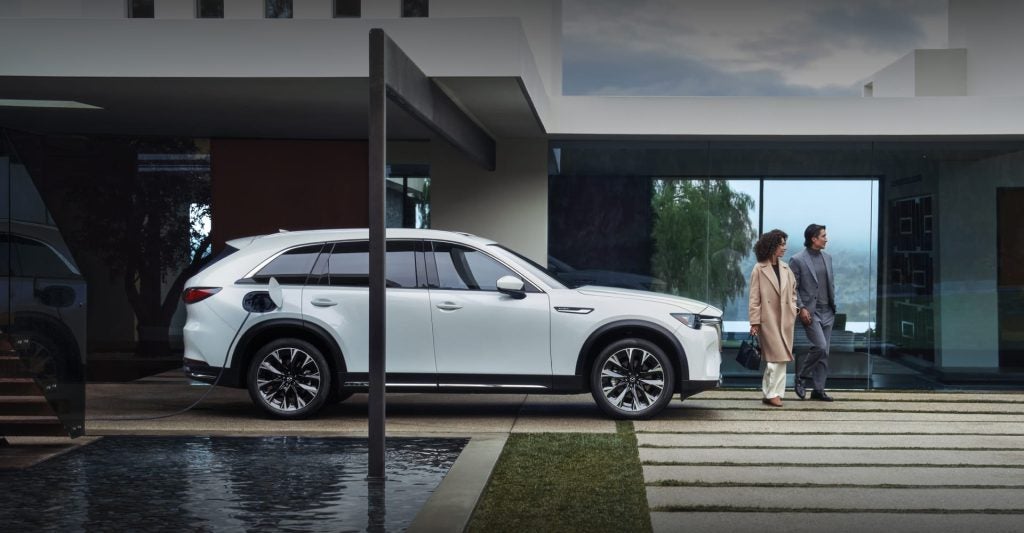
For many Jacksonville families shopping three-row SUVs, the decision is not just about size or seating count. It is about flexibility. Family needs change quickly, and committing to a vehicle for the long term does not always align with how households actually use their SUV over time. This is where leasing enters the conversation, particularly with a vehicle like the Mazda CX-90 that is engineered to balance space, refinement, and driving confidence. Rather than framing leasing as a financial shortcut, Mazda positions CX-90 lease options as a practical way to align vehicle ownership with real family life cycles. Understanding why leasing appeals to three-row SUV shoppers starts with understanding how families actually use these vehicles. Why Leasing Fits the Three-Row SUV Decision Three-row SUVs often serve families during specific stages. Young children grow quickly, schedules change, and priorities shift. Leasing allows families to choose a vehicle that fits their current needs without locking themselves into a long ownership horizon that may no longer make sense a few years down the road. Leasing a three-row SUV often appeals to families who: Expect their vehicle needs to change within a few years Prefer predictable ownership periods Want access to newer safety and driver assistance technology Do not want long-term responsibility for depreciation Drive within consistent mileage ranges In this context, leasing becomes a planning tool rather than a pricing tactic. How the CX-90 Aligns With Family Leasing Needs The Mazda CX-90 is engineered with family use in mind, but it does so without feeling oversized or disconnected from the driver. Its platform and powertrain design play a role in why it fits well into a lease-based ownership approach. Key characteristics that matter for leasing families include: A refined ride that supports daily commuting and long trips A balanced chassis that remains composed even when fully loaded Interior layouts that support child seats, carpools, and adult passengers Driver assistance systems designed to reduce fatigue rather than replace the driver Because leasing aligns closely with warranty coverage, families leasing a CX-90 typically spend the majority of their time in the vehicle during its newest, most technologically current phase. Technology Turnover and Lease Cycles One of the strongest drivers behind three-row SUV leasing is technology evolution. Safety systems, connectivity features, and powertrain enhancements advance rapidly. Leasing allows families to keep pace with those updates without committing to outdated systems long term. The CX-90’s available powertrain options, including turbocharged and hybrid-assisted configurations, further reinforce this point. Families interested in newer efficiency and performance technologies often prefer the option to reassess their vehicle choice after a standard lease term rather than commit for a decade or more. Technology-focused lease benefits include: Access to the latest i-Activsense driver assistance features Updated infotainment and connectivity systems New powertrain advancements without long-term lock-in Reduced concern about aging technology Warranty Alignment and Predictability Leasing aligns naturally with manufacturer warranty periods, which is especially relevant for larger family vehicles that accumulate daily use. Many families value knowing that major systems are covered during the entire time they own the vehicle. This predictability is appealing when comparing three-row SUVs, as maintenance planning becomes simpler and less uncertain during the lease period. Mileage and Usage Patterns for Jacksonville Families Mileage is an important factor when evaluating leasing. Jacksonville-area families often fall into predictable driving patterns that fit lease structures well, such as: School drop-offs and pickups Commuting within the metro area Weekend travel and regional road trips Seasonal increases without extreme daily mileage For households that do not rack up excessive miles year after year, leasing a CX-90 can align well with actual usage rather than assumed worst-case scenarios. Lease Versus Buy for a Three-Row SUV Leasing and buying serve different goals. Buying often appeals to families planning to keep a vehicle for many years or pass it down. Leasing appeals to families who prioritize flexibility, newer technology, and defined ownership windows. When comparing lease versus purchase for a CX-90, families often weigh: How long they realistically plan to keep the vehicle Whether future seating or space needs may change Interest in newer safety and efficiency technology Desire for predictable ownership without long-term depreciation concerns Neither option is universally better. The CX-90 simply happens to fit leasing particularly well because of how it balances refinement, usability, and evolving technology. How Leasing Shapes the Three-Row SUV Comparison When families compare the CX-90 to other three-row SUVs, leasing reframes the evaluation. Instead of asking which SUV they want to live with forever, families ask which one best supports their current phase of life. In that comparison, the CX-90 stands out for: A driving experience that feels controlled and composed An interior that supports both family needs and driver comfort Engineering choices that favor long-term confidence during the lease period A design philosophy that values balance over excess A Practical Perspective for Jacksonville Shoppers For Jacksonville families navigating school schedules, commutes, and weekend travel, leasing a Mazda CX-90 can provide the flexibility to adapt as life changes. It allows families to enjoy a capable three-row SUV during the years they need it most, without committing beyond that window. The CX-90’s blend of space, refinement, and thoughtful engineering makes it a strong fit for lease-minded families who want a three-row SUV that feels intentional, not oversized or disconnected. Leasing does not replace careful decision-making. It simply gives families another way to align their vehicle choice with how they actually live.

How Mazda’s Design Principles Create a More Connected Drive in Orange Park

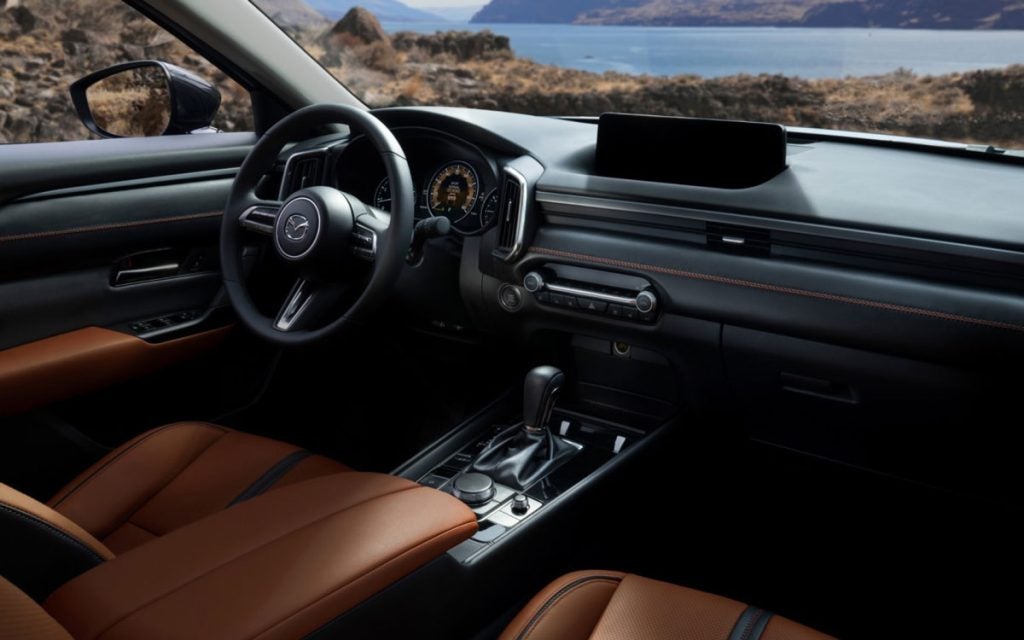
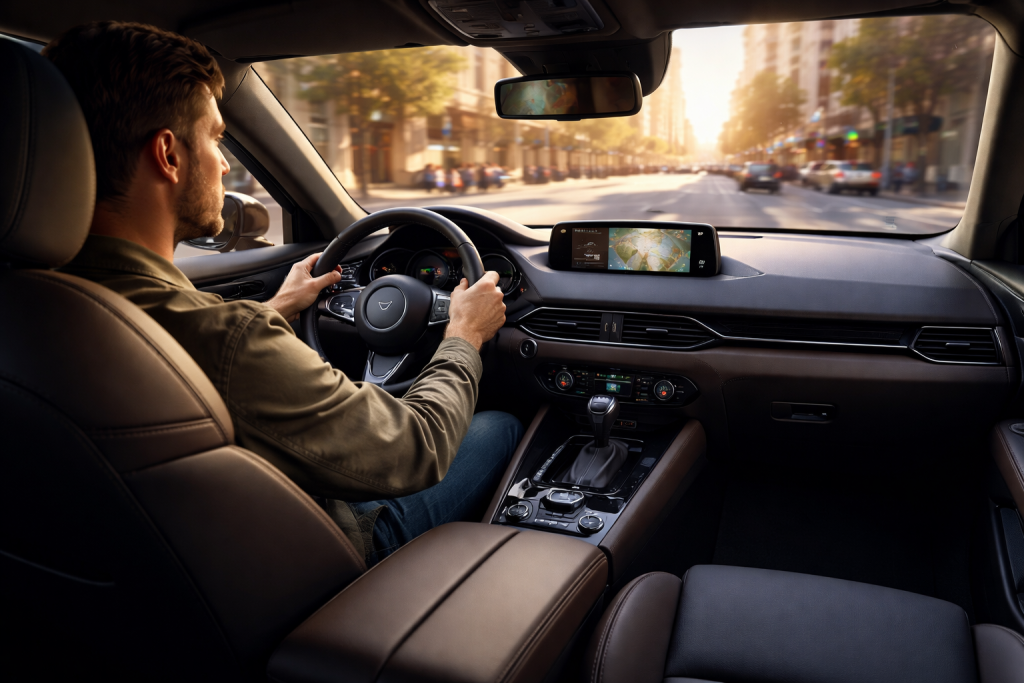
Mazda’s design philosophy is not rooted in decoration or trend-following. It begins with a simple question: how should a car feel to drive? Every design decision, from exterior proportions to interior control placement, is made to support a natural connection between driver and vehicle. This approach is shaped by the Japanese concept of Jinba Ittai, the idea of harmony between horse and rider. In modern Mazda vehicles, that harmony translates into confidence, focus, and a sense of control that drivers notice immediately on real roads. Rather than separating styling from engineering, Mazda treats design as a functional system. The result is a driving experience that feels intentional and composed, especially during everyday use on local roads, commutes, and longer highway drives. Design Begins With the Driver, Not the Dashboard Mazda interiors are engineered around the human body, not around screens or visual impact. Seating position, pedal alignment, steering wheel placement, and sightlines are all tuned to support natural posture and quick response. Key interior design principles include: A driving position that aligns hips, shoulders, and feet to reduce strain Pedals centered with the driver’s body rather than offset A steering wheel angle that supports relaxed but precise input Instrument placement that falls within the driver’s natural eye movement This layout reduces the need for constant micro-adjustments while driving. Over time, fewer adjustments mean less fatigue and greater confidence, particularly during longer drives or in stop-and-go traffic. Minimalism That Improves Focus Mazda’s interiors are intentionally restrained. This is not about removing features, but about reducing unnecessary visual noise that competes for attention. Mazda emphasizes: Clean horizontal dash layouts that stabilize the visual field Limited material transitions to reduce distraction Physical controls where tactile feedback is faster than touch inputs Screen placement designed to minimize eye refocus time By simplifying the environment, Mazda reduces cognitive load. Drivers spend less time searching for information and more time focused on the road ahead. This is especially noticeable during complex driving situations such as merging, navigating unfamiliar areas, or driving in heavy traffic. Exterior Design That Supports Driving Confidence Mazda’s exterior design philosophy, often referred to as Kodo or “Soul of Motion,” is not purely visual. Body proportions are shaped to communicate balance and movement in a way that helps drivers intuitively understand the vehicle’s size and placement. Functional exterior outcomes include: Proportions that emphasize stability rather than bulk Long hood and balanced overhangs that aid spatial awareness Smooth surfaces that guide airflow and reduce visual clutter Clear edges that make vehicle boundaries easier to judge These elements help drivers feel more confident when parking, navigating tight streets, or driving through crowded areas. A vehicle that visually communicates its dimensions reduces hesitation and mental effort. Jinba Ittai in Everyday Driving Jinba Ittai is not an abstract philosophy reserved for performance driving. It shows up in everyday moments behind the wheel. Mazda designs systems so that: Steering responds predictably to small inputs Suspension tuning supports body stability without feeling stiff Vehicle reactions mirror driver intent rather than lag behind it Feedback through the wheel and pedals feels consistent This consistency builds trust. Drivers quickly learn how the vehicle will respond, which reduces stress and increases enjoyment even at normal speeds. Interior Craftsmanship Without Excess Mazda interiors are often described as refined, but that refinement comes from discipline rather than decoration. Materials are chosen for how they feel and age, not just how they photograph. Interior craftsmanship focuses on: Cohesive material selection instead of mixed textures Tight panel alignment and clean transitions Balanced use of contrast rather than visual overload Design continuity across trims and models This approach creates a calm cabin environment that feels intentional and well considered, without relying on luxury terminology or excessive features. How Design Affects Long-Term Comfort Design decisions that prioritize posture and simplicity have long-term benefits. Drivers often report less fatigue during extended driving, better control during sudden maneuvers, and a greater sense of ease during daily use. Over time, Mazda’s design philosophy contributes to: Reduced physical strain on long drives Faster adaptation to vehicle size and controls Greater confidence in varied driving conditions A calmer overall driving experience These outcomes are not tied to a single feature. They result from a system-level approach where design, ergonomics, and driving dynamics work together. Why Mazda’s Approach Feels Different Many brands prioritize technology visibility or aggressive styling to signal advancement. Mazda takes a quieter route by asking how each design choice affects the driver’s physical and mental state. Mazda prioritizes: Human-centered design over feature stacking Simplicity that supports awareness Feedback that builds confidence Balance between form and function This difference is why Mazda vehicles often feel more connected and intuitive, even without calling attention to themselves. Design That Matches Real Roads For drivers navigating Orange Park roads, suburban traffic, and regional highways, Mazda’s design principles translate into tangible benefits. Clear sightlines, predictable handling, and a calm interior environment support everyday driving, not just ideal conditions. Mazda’s design philosophy is not about standing out visually. It is about creating vehicles that feel natural to drive, day after day. By aligning design with human movement and perception, Mazda delivers a driving experience that feels connected, confident, and thoughtfully engineered.

2026 Mazda CX-90: A Premium Three-Row Option for Orange Park Families

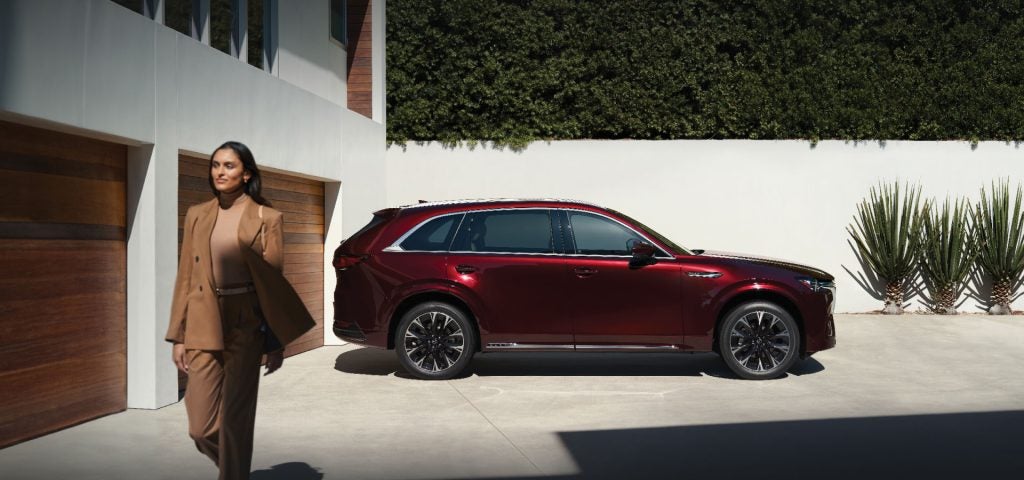
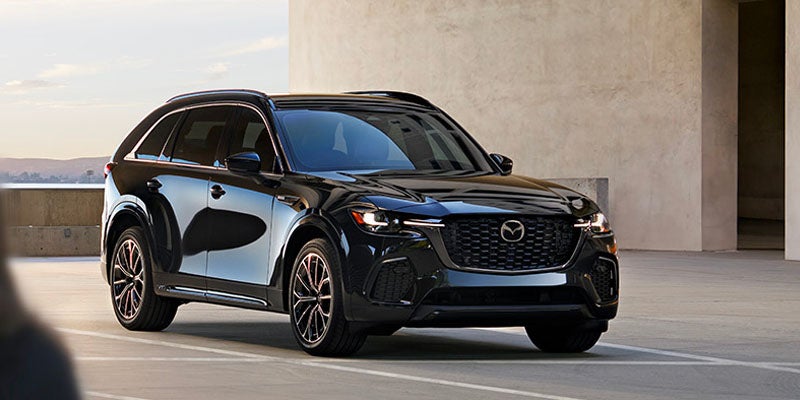
For families in Orange Park and the surrounding Clay County area, choosing a three-row SUV is rarely about size alone. Daily driving often includes school drop-offs, highway commuting into Jacksonville, weekend travel, and longer family trips that demand comfort, stability, and flexibility over time. The 2026 Mazda CX-90 is designed for families who want those practical advantages without giving up refinement or driver confidence. Rather than approaching the segment as a purely utilitarian people mover, Mazda engineered the CX-90 to support long-term family ownership while preserving composure, balance, and craftsmanship. Platform Architecture and Why It Matters for Local Driving The CX-90 is built on Mazda’s large-vehicle platform with a rear-biased longitudinal layout. This design choice has a meaningful impact on how the vehicle behaves in everyday use, particularly for Orange Park drivers who regularly transition between suburban roads, bridge crossings, and interstate travel. This architecture contributes to: Greater highway stability during longer drives into Jacksonville Reduced body sway when carrying multiple passengers More predictable handling during merging and lane changes A smoother, more controlled ride on uneven road surfaces For families who spend significant time commuting or traveling with a full cabin, these characteristics translate directly into reduced driver fatigue and improved passenger comfort. Interior Space Designed for Real Family Use The CX-90’s three-row layout prioritizes functional space rather than exaggerated proportions. The cabin is designed to accommodate daily family routines while remaining manageable in parking lots, school zones, and residential areas around Orange Park. Interior flexibility supports: Comfortable second-row seating with easy third-row access A third row suitable for children and shorter adults Cargo adaptability for groceries, sports gear, and luggage Seating configurations that adjust as family needs evolve Unlike larger three-row SUVs that can feel cumbersome, the CX-90 balances interior usability with exterior dimensions that remain approachable for daily driving. Seating Configuration and Passenger Comfort Families often evaluate three-row SUVs based on how well the seating works in practice, not just on paper. The CX-90 offers thoughtful seating ergonomics designed to reduce fatigue during longer drives and improve comfort during everyday use. Key comfort considerations include: Supportive seat design for extended trips Thoughtful spacing between rows to reduce crowding Interior materials selected for durability and long-term wear Quiet cabin tuning that minimizes road and wind noise These elements matter for Orange Park families who regularly travel between neighborhoods, schools, and regional destinations. Safety Systems That Support, Not Overwhelm Safety is a primary concern for family buyers, especially those navigating mixed suburban and highway environments. The CX-90 includes a comprehensive set of driver assistance systems designed to enhance awareness and reduce stress without feeling intrusive. These systems support: Lane positioning during highway travel Adaptive speed control in traffic Improved situational awareness in busy corridors Predictable intervention that maintains driver confidence Mazda calibrates these systems to work smoothly in the background, which is particularly valuable for families who spend significant time on the road. Powertrain Design and Ownership Confidence The CX-90’s powertrain lineup reflects Mazda’s focus on smooth performance and long-term durability rather than aggressive tuning. Power delivery is designed to feel consistent and controlled, which is especially important for family driving scenarios involving passengers and cargo. From an ownership standpoint, this approach supports: Predictable acceleration during daily driving Reduced mechanical stress over time Confident highway merging and passing Stable performance under load For families planning to keep their vehicle for several years, these characteristics contribute to long-term confidence rather than short-term excitement. Long-Term Value for Growing Families Families in Orange Park often plan vehicle ownership around changing needs. Children grow, schedules change, and priorities shift. The CX-90 is designed to support those transitions rather than force early replacement. Long-term value considerations include: Interior materials that hold up to regular use Engineering focused on durability and consistency Balanced feature sets that remain relevant over time Strong resale positioning when family needs evolve Rather than chasing trends, the CX-90 emphasizes thoughtful design that ages well. How the CX-90 Fits Orange Park Family Life For families balancing local driving with frequent trips into Jacksonville, the CX-90 offers a composed, flexible solution. It supports daily routines without feeling oversized and handles longer drives with confidence and comfort. It is well-suited for families who: Need three rows without excessive bulk Value safety and ride stability Prefer refined design over flashy excess Want a vehicle that supports long-term ownership Final Perspective The 2026 Mazda CX-90 stands out as a premium three-row option for Orange Park families who want more than basic transportation. Its platform design, interior flexibility, and safety systems work together to support daily life while maintaining Mazda’s focus on balance and driver engagement. For families evaluating three-row SUVs with an eye toward long-term value, comfort, and confidence, the CX-90 offers a thoughtfully engineered alternative that fits both suburban life and regional travel.

Why the 2026 Mazda3 Stands Out Among Jacksonville’s Compact Cars

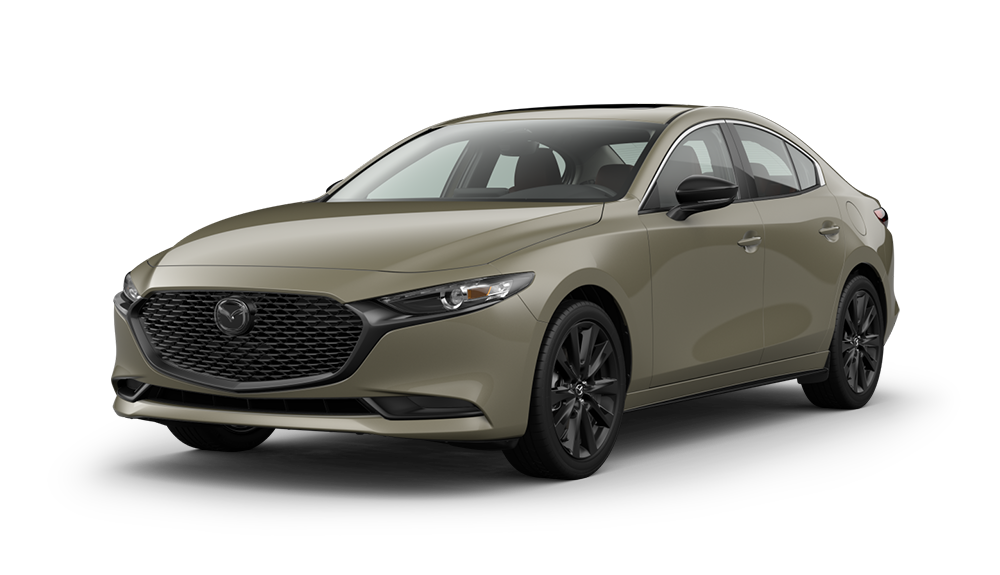
Compact cars are often treated as basic transportation tools, optimized for efficiency and cost but rarely designed to engage the driver. The 2026 Mazda3 takes a different approach. For Jacksonville drivers who want a compact vehicle that feels composed, refined, and intentionally engineered, the Mazda3 stands apart from many competitors in the segment. Understanding why requires looking beyond size and fuel economy to examine how the Mazda3 is built, how it behaves on the road, and how its systems support daily driving in real-world conditions. Platform Design and Driving Character The Mazda3 is engineered around a philosophy that prioritizes balance and driver connection. Steering calibration, suspension tuning, and chassis rigidity are designed to create predictable responses rather than isolated softness. This results in a compact car that feels stable at highway speeds and controlled during lane changes and urban maneuvering. For Jacksonville commuters, this matters because: Highway stability reduces fatigue during longer drives Composed suspension behavior improves confidence on uneven pavement Steering feedback supports precise control in dense traffic Rather than relying on aggressive suspension stiffness, Mazda uses structural rigidity and damping calibration to deliver a smooth but controlled ride that feels more substantial than many small cars. Powertrain Behavior and Efficiency Balance The 2026 Mazda3 uses a naturally aspirated engine design focused on smooth power delivery rather than peak output figures. Throttle response is linear, and the transmission is tuned to avoid abrupt gear changes. This creates a driving experience that feels calm and responsive in stop-and-go traffic. Key powertrain characteristics include: Predictable acceleration for merging and passing Smooth low-speed operation in city environments Balanced efficiency without sacrificing responsiveness This approach supports long-term durability by reducing mechanical stress, an important factor for drivers planning extended ownership. All-Wheel Drive Availability in the Compact Segment One of the Mazda3’s most distinctive features is the availability of all-wheel drive, which remains uncommon in the compact car category. Rather than being performance-oriented, Mazda’s AWD system is designed to enhance stability by monitoring traction and proactively adjusting torque distribution. In Florida driving conditions, AWD can: Improve control during heavy rain Enhance stability on slick road surfaces Increase driver confidence without changing daily drivability The system operates seamlessly, supporting traction without altering the vehicle’s balanced handling characteristics. Interior Design and Material Quality Interior execution is a defining strength of the Mazda3. Rather than prioritizing screen size or visual complexity, the cabin is designed around simplicity, material quality, and driver focus. Controls are placed intentionally to reduce distraction, and materials are chosen for durability and tactile quality. Interior advantages often noted by compact car shoppers include: Reduced road and wind noise compared to class norms Soft-touch surfaces in high-contact areas Clean design that avoids visual clutter This focus on interior refinement makes the Mazda3 feel more upscale than many vehicles in the compact category, especially during daily commuting. Safety Systems and Driver Assistance The Mazda3 includes a suite of driver assistance systems designed to support awareness rather than override driver input. These systems are calibrated to intervene smoothly, which helps maintain confidence without creating unnecessary alerts. Key safety considerations include: Active monitoring of surrounding traffic Support during highway driving Enhanced visibility and situational awareness For Jacksonville drivers navigating mixed urban and highway conditions, these systems contribute to a calmer, more predictable driving experience. Sedan vs Hatchback Practicality The Mazda3 is available in both sedan and hatchback body styles, allowing drivers to choose based on lifestyle needs rather than compromise. The sedan prioritizes a traditional driving profile and trunk separation, while the hatchback offers expanded cargo flexibility without significantly increasing exterior size. This flexibility supports: Commuters with varying cargo needs Drivers who value compact exterior dimensions Urban parking and maneuverability Both configurations maintain the same underlying driving dynamics, allowing practicality decisions without sacrificing performance feel. Long-Term Ownership Expectations Mazda’s approach to simplified engineering and conservative powertrain design supports predictable long-term ownership. Rather than relying on complex systems, the Mazda3 emphasizes mechanical reliability and consistent performance. Ownership considerations important to compact car buyers include: Reasonable maintenance expectations Durable interior materials Stable resale value over time These factors contribute to confidence for drivers who rely on their vehicle daily rather than viewing it as a short-term solution. Final Perspective The 2026 Mazda3 stands out in Jacksonville’s compact car market because it offers more than efficiency and affordability. Its platform design, interior refinement, and driving balance create a compact vehicle that feels intentionally engineered for daily life. For drivers comparing compact cars beyond surface-level specifications, the Mazda3 delivers a composed, confident experience that rewards attention to detail and thoughtful design.

2025 Mazda CX-90: A Premium Three-Row Option for Jacksonville Families

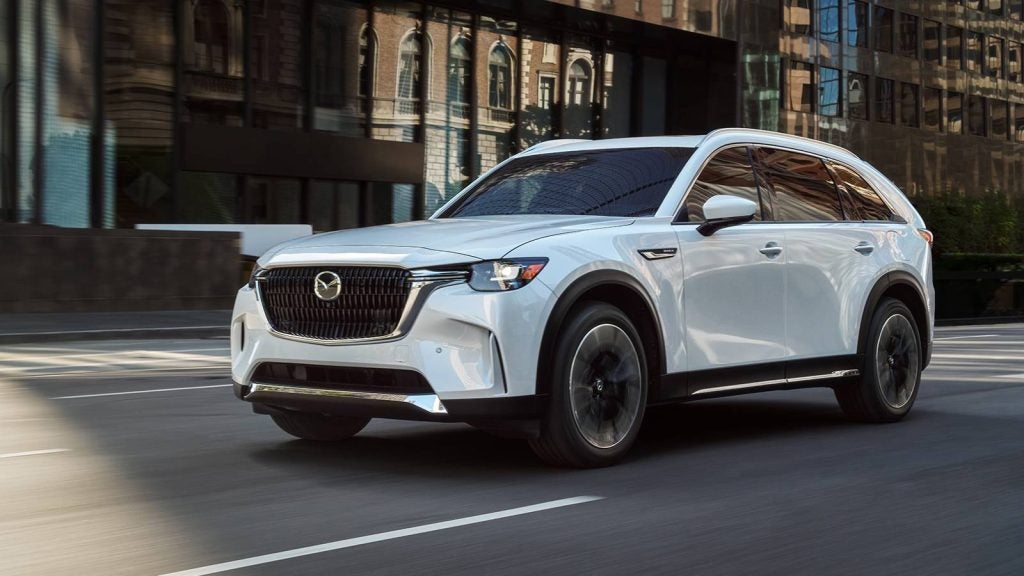
Three-row SUVs are often defined by size alone, but the 2025 Mazda CX-90 is engineered around a different priority: delivering genuine family capability with the refinement, balance, and responsiveness that Mazda is known for. Rather than building the largest possible cabin and compensating later with technology, Mazda starts with a purpose-built platform that integrates powertrain, chassis, and interior design from the outset. For Jacksonville families balancing daily school runs, highway travel, and longer weekend trips, the CX-90 offers a three-row experience that feels intentional, controlled, and premium without excess bulk. Platform Architecture Built for Balance The CX-90 sits on Mazda’s large-vehicle architecture designed to support longitudinal powertrains and rear-biased dynamics. This layout influences everything from ride quality to interior proportions. Key architectural advantages include: A longer wheelbase that improves third-row legroom and ride stability Longitudinal engine placement that supports balanced weight distribution A rigid structure that allows precise suspension tuning Reduced front overhang that improves steering response This foundation helps the CX-90 feel composed on the highway while remaining manageable in everyday driving. True Three-Row Seating Designed for Families The CX-90 is engineered as a true three-row vehicle, not a two-row SUV with an occasional third row. Seating geometry and access are designed to support real passengers across all rows. Three-row design considerations include: Proper seat height in the third row to avoid a knees-up posture Legroom supported by the extended wheelbase Wide rear door openings that improve access Dedicated rear climate vents for passenger comfort For families who regularly use all three rows, these details make a noticeable difference on longer drives. Interior Craftsmanship and Cabin Atmosphere Mazda’s approach to interior design emphasizes calm, clarity, and craftsmanship. The CX-90 cabin reflects this with materials and layouts chosen to reduce fatigue and visual noise. Interior highlights include: Clean horizontal dashboard design that enhances the sense of space Materials selected for texture and durability Seating designed to support posture over long distances Thoughtful storage solutions for family use The result is a cabin that feels refined and welcoming rather than busy. Cargo Flexibility for Real Life Cargo space in the CX-90 is designed around flexibility rather than headline numbers. Mazda focuses on making the space usable with passengers still onboard. Cargo functionality includes: Practical storage behind the third row for daily needs Flat load floor when rear seats are folded Wide rear opening for easier loading Configurations that adapt quickly between people and cargo This allows families to transition easily from daily errands to longer trips without constant rearranging. Powertrain Engineering and Everyday Performance The CX-90 introduces powertrain options designed to deliver smooth, confident performance while maintaining efficiency. Rather than tuning for aggressive acceleration, Mazda prioritizes usable torque and refinement. Powertrain characteristics include: Strong low-end response for easy merging and passing Smooth power delivery that enhances passenger comfort Calibration designed for relaxed highway cruising Efficient operation suited to family driving patterns This makes the CX-90 feel capable without feeling heavy or strained. Driving Dynamics That Reduce Fatigue Large SUVs often feel disconnected, especially during longer drives. Mazda engineers the CX-90 to maintain a sense of control and responsiveness even at its size. Driving dynamics benefits include: Steering tuned for clarity rather than over-assistance Suspension calibration that balances comfort with body control Predictable handling during lane changes and curves Stable braking behavior under load For Jacksonville drivers spending time on highways, this translates to reduced fatigue and greater confidence. Safety Systems Designed Around Awareness The CX-90 incorporates Mazda’s driver assistance systems with a focus on awareness and natural response. Systems are calibrated to support the driver rather than overwhelm them. Safety-focused design priorities include: Clear alerts that prompt driver attention Smooth intervention rather than abrupt correction Integration with chassis behavior for stability Consistent behavior in varied traffic conditions This aligns with Mazda’s human-centric approach to safety engineering. Fuel Efficiency and Practical Ownership Despite its size, the CX-90 is engineered with efficiency in mind. Powertrain choices and vehicle weight management support reasonable fuel use for a three-row SUV. Efficiency considerations include: Power delivery tuned for everyday driving rather than peak output Reduced mechanical strain during cruising Design choices that balance performance and consumption For families, this helps keep long-term ownership practical. Who the CX-90 Is Built For The CX-90 is well suited for families who want: A true three-row SUV with real passenger comfort Premium interior feel without excessive size Confident highway performance Thoughtful design focused on daily use A refined alternative to traditional large SUVs It works especially well for families upgrading from two-row crossovers. What Jacksonville Families Should Evaluate When choosing a three-row SUV, families should evaluate: Third-row comfort for real passengers Ride quality on long trips Ease of access for children and adults Cargo flexibility with seats in use Driving confidence at highway speeds The CX-90 performs strongly in these real-world categories. Final Perspective on the 2025 Mazda CX-90 The 2025 Mazda CX-90 demonstrates that a family-focused three-row SUV does not need to sacrifice refinement or driving confidence. Through balanced architecture, thoughtful interior design, and composed performance, Mazda delivers a vehicle that feels premium in daily use rather than simply large. For Jacksonville families seeking a three-row SUV that blends comfort, control, and craftsmanship, the CX-90 offers a compelling option rooted in Mazda’s philosophy of human-centric engineering.

Mazda Lease Options Explained for Orange Park Drivers Considering CX-5 and CX-30 Models

Leasing a Mazda is often less about chasing a lower monthly payment and more about aligning ownership with how a vehicle is actually used. For Orange Park drivers comparing the Mazda CX-5 and Mazda CX-30, leasing provides a structured way to balance vehicle size, technology access, and long-term value without committing to extended ownership. Understanding how Mazda leases are structured and how each model behaves over time helps clarify which option fits daily life more naturally. This guide explains how Mazda leasing works, how the CX-5 and CX-30 differ from a lease perspective, and what drivers should evaluate before choosing a path. How Mazda Leasing Works A lease is a usage-based ownership agreement. Rather than paying for the full value of the vehicle, the lessee pays for the portion of value expected to be used during the lease term. Key components of a Mazda lease include: Capitalized cost, which reflects the agreed vehicle price Residual value, the projected value at lease end Lease term length, commonly 24 to 36 months Mileage allowance based on expected annual driving Financing factor that accounts for the cost of borrowing Monthly payments are driven primarily by depreciation rather than the full vehicle cost. Why Residual Value Matters Residual value plays a central role in determining lease efficiency. Vehicles that retain value well over time typically lease more favorably. From a residual perspective: CX-30 benefits from strong demand in the compact crossover segment Smaller size and efficiency support broad resale appeal CX-5 retains value through its reputation for versatility and reliability Slightly higher depreciation reflects its larger size and expanded capability Both models hold value well, but their different roles influence lease structure. Size and Engineering Differences That Affect Leasing Engineering choices influence wear, efficiency, and long-term value, all of which factor into leasing assumptions. Key differences include: CX-30 lighter weight supports efficiency and reduced component strain CX-5 larger chassis supports increased passenger and cargo capacity CX-5 suspension and braking systems are sized for added mass CX-30 favors agility and urban maneuverability For drivers primarily commuting or navigating tighter spaces, the CX-30 often feels well matched to leasing. Drivers with family or cargo needs may find the CX-5’s added size worth the tradeoff. Mileage Planning for Orange Park Driving Mileage allowances are a critical lease decision. Choosing the correct allowance upfront helps avoid end-of-lease charges. Typical mileage options include: 10,000 miles per year 12,000 miles per year 15,000 miles per year CX-30 lessees often select moderate mileage allowances due to commuter-focused use. CX-5 lessees may require higher mileage if the vehicle supports family travel or longer trips. Leasing as a Way to Stay Current With Technology Mazda vehicles integrate evolving technology across safety, infotainment, and driver assistance systems. Leasing allows drivers to experience these updates without long-term commitment. Technology-related leasing benefits include: Access to newer safety and connectivity features Ownership aligned with warranty coverage Flexibility to upgrade as systems evolve Reduced concern over long-term technology aging This approach suits drivers who value current features and predictable ownership cycles. Lease Versus Finance for CX-5 and CX-30 Drivers Leasing and financing serve different priorities. Leasing may be well suited for drivers who: Prefer predictable monthly expenses Drive within defined mileage limits Enjoy changing vehicles every few years Want consistent warranty coverage Financing may appeal to drivers who: Plan to keep the vehicle long term Drive higher annual mileage Want to eliminate payments eventually Value long-term ownership flexibility The CX-30 often aligns naturally with leasing due to its efficient footprint. The CX-5 may appeal to drivers who intend to keep the vehicle longer to fully utilize its versatility. Driving Experience and Lease Considerations Mazda’s emphasis on balance and smoothness supports leasing assumptions by promoting consistent vehicle condition over time. Engineering traits that support lease performance include: Predictable handling that reduces uneven tire wear Smooth power delivery that limits drivetrain stress Suspension tuning designed for stability and comfort Braking systems calibrated for controlled deceleration These qualities help preserve vehicle condition throughout the lease term. Choosing Between CX-5 and CX-30 for Leasing When deciding which model to lease, drivers should evaluate: Daily commute length and traffic patterns Passenger and cargo requirements Parking and maneuverability preferences Expected annual mileage Desire for compact efficiency versus added versatility Matching the vehicle to real-world use is more important than choosing the larger option by default. Why Mazda Leasing Appeals to Value-Focused Drivers Mazda leasing reflects the brand’s value-driven approach to ownership. Lease structures emphasize reliability, balanced depreciation, and usability rather than short-term incentives. This appeals to drivers who want: Clear cost expectations Thoughtful ownership planning Vehicles designed for long-term confidence Leasing becomes a practical ownership strategy rather than a temporary solution. Final Perspective on Mazda Lease Options Leasing a Mazda CX-5 or CX-30 allows Orange Park drivers to align vehicle size, technology, and usage with predictable ownership. The CX-30 offers an efficient, agile leasing option ideal for daily commuting and urban driving. The CX-5 provides added space and flexibility that may justify its larger footprint for drivers with broader needs. By understanding how leasing works and how each model fits different lifestyles, drivers can choose a Mazda lease path that supports both confidence and practicality throughout the ownership cycle.

Why the 2025 Mazda CX-30 Stands Out Among Jacksonville’s Compact SUVs

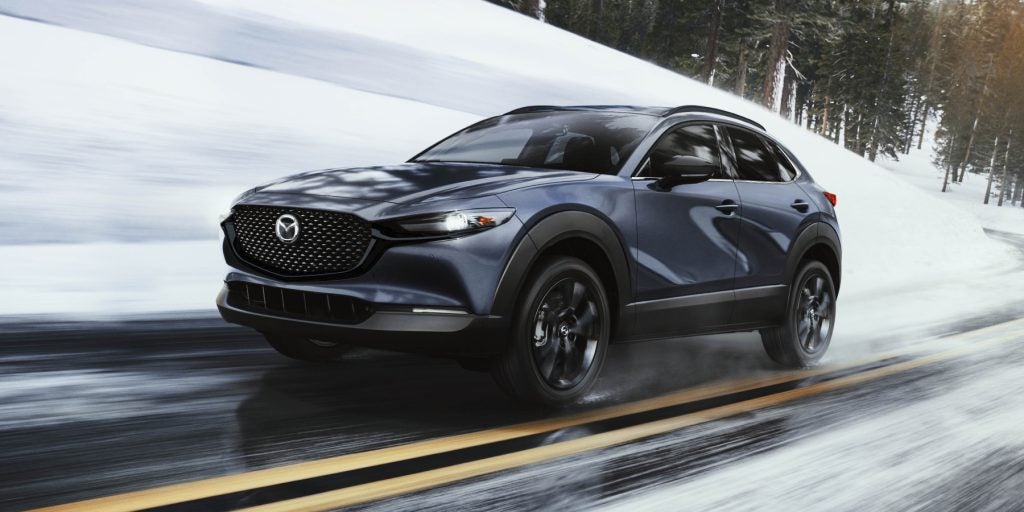
The compact SUV segment is crowded with vehicles that promise versatility but often feel oversized, numb, or disconnected in everyday driving. The 2025 Mazda CX-30 stands apart by occupying a deliberate middle ground. It is engineered to combine the efficiency and control of a compact car with the elevated confidence and flexibility drivers expect from an SUV. For Jacksonville drivers navigating tight parking areas, highway traffic, and changing weather conditions, this balance matters more than raw size. Mazda approaches the CX-30 as a thoughtfully designed crossover rather than a scaled-down SUV, and that distinction defines how it performs and feels in daily use. Where the CX-30 Fits in the Compact SUV Landscape The CX-30 sits between a traditional compact sedan and a full compact SUV. This positioning allows Mazda to deliver a vehicle that feels substantial without becoming bulky. Key positioning characteristics include: A slightly elevated ride height for improved road visibility Compact exterior dimensions that support easy maneuvering A footprint that feels approachable for urban and suburban driving Proportions designed to prioritize balance rather than maximum volume For drivers who find larger compact SUVs cumbersome but want more presence than a sedan, the CX-30 fills a unique role. Design Philosophy and Exterior Proportions Mazda’s design language emphasizes motion and balance even when the vehicle is stationary. The CX-30 reflects this philosophy through smooth body surfaces and restrained detailing. Design benefits include: Clean exterior lines that reduce visual bulk A sculpted profile that improves aerodynamic efficiency Short overhangs that enhance maneuverability A stance that feels planted rather than tall This approach contributes to both aesthetics and real-world drivability. Interior Craftsmanship and Cabin Experience Inside the CX-30, Mazda focuses on craftsmanship rather than screen dominance. Materials and layout are chosen to create a calm, driver-focused environment. Interior highlights include: A cockpit-style layout that keeps controls within easy reach High-quality materials chosen for tactile feel and durability Minimalist design that reduces visual clutter Supportive seating designed for longer drives The result is a cabin that feels considered and premium without being distracting. Driving Dynamics and Everyday Control Mazda engineers vehicles to respond naturally to driver input. The CX-30 benefits from this philosophy through careful chassis tuning and steering calibration. Driving dynamics advantages include: Predictable handling that inspires confidence Steering tuned for clarity rather than exaggerated response Suspension designed to absorb road imperfections without feeling soft Stable behavior during highway cruising and lane changes For Jacksonville drivers dealing with mixed road conditions, this balance enhances comfort and control. Size and Maneuverability in Urban Driving One of the CX-30’s greatest strengths is its manageability. Compact dimensions reduce stress in everyday situations. Urban driving benefits include: Easier parking in tight spaces Confident navigation through congested areas Reduced turning radius compared to larger SUVs Better visibility when entering traffic or merging This makes the CX-30 particularly well suited for drivers who split time between city streets and highways. Cargo Space and Practical Use While the CX-30 does not chase maximum cargo numbers, its space is designed for real-world use rather than marketing claims. Cargo considerations include: A rear cargo area that accommodates daily errands and travel needs A wide hatch opening for easier loading Rear seats that fold to support longer items A layout that prioritizes usability over raw volume For most drivers, this balance provides sufficient flexibility without excess size. Efficiency and Powertrain Balance The CX-30 is engineered to deliver responsive performance while maintaining efficiency. Powertrain tuning focuses on smooth, usable output rather than aggressive acceleration. Powertrain benefits include: Responsive throttle behavior in city driving Confident acceleration for highway merging Engine tuning that prioritizes refinement Efficiency that supports daily commuting This makes the CX-30 easy to live with while still feeling capable. Comfort for Longer Drives Despite its compact size, the CX-30 is designed for comfort beyond short trips. Long-drive comfort features include: Seats that support posture during extended travel A quiet cabin that minimizes road and wind noise Suspension tuning that reduces fatigue Intuitive control placement that reduces distraction These qualities are especially valuable for drivers who frequently travel beyond city limits. Who the CX-30 Is Best Suited For The CX-30 appeals to drivers who want: A crossover that feels nimble and controlled Premium design without excessive size A calm, driver-focused interior Confidence in varied driving conditions A step up from a sedan without committing to a larger SUV It is particularly well suited for drivers downsizing from larger vehicles or upgrading from a sedan. What Jacksonville Shoppers Should Evaluate When comparing compact SUVs, shoppers should consider: How the vehicle feels in daily driving Ease of parking and maneuverability Interior comfort and design quality Balance between size and usability Long-term comfort rather than maximum capacity The CX-30 excels when evaluated through these real-world lenses. Final Perspective on the 2025 Mazda CX-30 The 2025 Mazda CX-30 stands out by refusing to chase extremes. Instead of prioritizing size or flashy features, Mazda delivers a crossover that feels intentional, balanced, and refined. Its blend of compact dimensions, thoughtful design, and confident driving dynamics makes it a compelling choice in a segment often defined by compromise. For Jacksonville drivers seeking a compact SUV that feels composed, premium, and genuinely enjoyable to drive every day, the Mazda CX-30 offers a standout alternative rooted in Mazda’s human-centric design philosophy.

How Mazda’s i-Activsense Brings Confidence to Every Drive in Orange Park

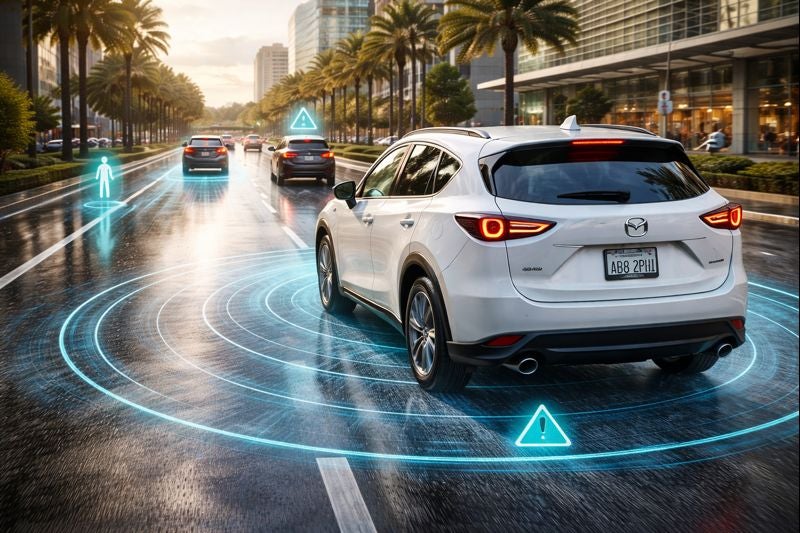
Mazda approaches safety as an extension of how a vehicle should feel to drive. Rather than layering automation on top of the driving experience, Mazda designs safety systems to work quietly in support of driver awareness, balance, and control. i-Activsense represents this philosophy in practice. It is not a single feature, but a coordinated suite of technologies engineered to help drivers recognize potential hazards earlier and respond more naturally. For Orange Park drivers navigating suburban traffic, highway corridors, sudden rainstorms, and everyday commuting, understanding how i-Activsense works explains why Mazda vehicles feel reassuring without feeling overbearing. What Mazda i-Activsense Really Is i-Activsense is Mazda’s umbrella term for its active safety and driver assistance technologies. These systems are designed to complement human perception rather than replace it. Core elements of i-Activsense include: Forward facing cameras that monitor vehicles pedestrians and lane markings Radar sensors that track distance and relative speed Vehicle control modules that analyze movement and driver input Brake steering and powertrain interfaces that allow measured intervention Instead of reacting only when a situation becomes critical, i-Activsense systems operate continuously to support situational awareness. A Human-Centric Safety Philosophy Mazda designs safety systems around the idea that drivers should remain engaged and informed. Alerts and interventions are calibrated to feel intuitive rather than abrupt. This philosophy prioritizes: Early awareness over last second intervention Smooth responses instead of aggressive corrections Clear communication rather than constant warnings Driver confidence rather than dependence on automation As a result, i-Activsense systems feel like a natural extension of the vehicle rather than a separate layer of technology. Smart Brake Support and Collision Mitigation Mazda Smart Brake Support is designed to help reduce the severity of frontal collisions or avoid them altogether when possible. The system monitors the road ahead and provides escalating alerts as risk increases. Key characteristics include: Visual and audible warnings that prompt driver action Brake assistance when the driver begins braking Automatic braking if the driver does not respond in time Smooth braking application designed to maintain vehicle stability This graduated approach allows drivers to remain in control while receiving timely support. Blind Spot Monitoring and Rear Cross Traffic Awareness Blind spot monitoring addresses one of the most common real world driving challenges: detecting vehicles approaching from adjacent lanes. Mazda’s approach includes: Radar sensors that track vehicles alongside and behind Visual alerts positioned where drivers naturally look Rear cross traffic monitoring when reversing Alerts calibrated to reduce unnecessary warnings in dense traffic For Orange Park drivers dealing with busy parking lots and multi lane roads, these systems enhance awareness without distraction. Lane Departure and Lane Keeping Support Mazda lane related safety systems are designed to guide rather than force. Cameras monitor lane markings and evaluate steering input to determine when assistance is appropriate. Lane support features include: Lane departure warnings when unintentional drifting is detected Gentle steering assistance to guide the vehicle back into the lane System behavior that respects intentional lane changes Calibration that prioritizes subtle corrections This approach supports alert driving rather than replacing it. Adaptive Cruise Control and Traffic Flow Support Adaptive cruise control helps maintain a set distance from vehicles ahead while adjusting speed smoothly. Mazda tunes this system to reflect natural driving behavior rather than abrupt acceleration or braking. System benefits include: Gradual speed adjustments that reduce driver fatigue Consistent following distance in varying traffic Smooth operation in stop and go conditions Integration with other safety systems for stability This is particularly useful for drivers spending extended time on highways or in congested areas. How Chassis Engineering Enhances Safety Behavior Mazda’s safety systems work in harmony with the vehicle’s chassis and suspension tuning. Predictable vehicle behavior allows electronic systems to operate smoothly and effectively. Chassis related contributions include: Balanced weight distribution that supports stable braking Suspension tuning that maintains tire contact with the road Steering feedback that keeps the driver informed Predictable responses during corrective maneuvers Because the vehicle itself behaves consistently, safety interventions can remain subtle. i-Activsense in Wet and Changing Conditions Florida weather can change quickly. Sudden rain and slick roads place additional demands on both driver and vehicle. i-Activsense supports wet weather driving by: Monitoring traction changes through sensor input Supporting controlled braking and acceleration Enhancing awareness when visibility is reduced Helping maintain stability during unexpected situations This is where predictive safety design becomes most noticeable. Standardization and Accessibility Across Mazda Models Mazda emphasizes making safety technology widely available rather than reserving it for top trims. Many i-Activsense features are standard or broadly accessible across Mazda sedans and SUVs. This approach reflects Mazda’s belief that safety should be inherent, not optional. What Drivers Should Evaluate When Considering Safety Technology When evaluating safety systems, shoppers should look beyond feature lists. Important considerations include: How naturally alerts are delivered Whether interventions feel smooth or abrupt How well systems integrate with vehicle handling Whether the technology supports confidence rather than distraction i-Activsense is designed to score well in real world use rather than on paper alone. Final Perspective on Mazda i-Activsense Mazda’s i-Activsense demonstrates how safety technology can enhance driving without diminishing it. By focusing on awareness, predictability, and subtle support, Mazda creates systems that help drivers feel more confident in everyday situations. For Orange Park drivers who value intuitive control and reassurance rather than heavy handed automation, i-Activsense delivers safety engineering that feels thoughtful, balanced, and aligned with how people actually drive.

2025 Mazda CX-70

How Does the 2025 Mazda CX-70 Serve Buyers Looking for Space Without Going Full-Size?

The CX-70 is a five-passenger model with a second-row bench seat that folds with a 40/60 split. The split-folding capability of the rear seat gives you the option of folding one or both sides down to customize the cabin cargo space. You can keep 40 or 60% of the rear seat upright to seat one or two passengers while still having enough room for large pass-through cargo. The CX-70 has a dedicated cargo volume of 39.6 cubic feet with all seats upright, which means the cargo area can easily accommodate three or more large suitcases without reducing the SUV's seating capacity. If you need extra space for camping gear or moving boxes, folding down both sides of the rear bench seat extends the cargo volume to 75.3 cubic feet. The total passenger volume of this model is 141.6 cubic feet. Key Comfort Features The cabin has a four-way power-adjustable passenger's seat with an eight-way power-adjustable driver's seat on models like the 3.3 Turbo Premium. Leather-trimmed seat upholstery is standard for all seats, along with three-stage heated front seats to maximize comfort in chilly weather. The second-row bench seat can fold with an electronic release by pressing a button in the cargo area. This model has standard carpet floor mats for easy clean-up, a leather-wrapped steering wheel, and a leather-wrapped shift knob. Retractable window shades in the second row give riders added privacy and sun protection. On models like the 3.3 Turbo Premium Plus, three-stage ventilated front seats, heated second-row seats, and a heated steering wheel are standard. Key Cargo Features The cabin has additional cargo spaces to stay organized, like a front center armrest that doubles as a console with storage, an overhead console with a dedicated sunglasses holder, and a cargo area with standard storage boxes to keep items in place. The cargo area also features an underfloor storage area. Key Connectivity Features The CX-70 has a 12.3-inch Mazda Connect infotainment system that interacts with voice commands for hands-free controls over audio settings, playlist selection, and more. Along with a three-year trial for Mazda Connected Services, this infotainment system comes with integrated Pandora internet radio, a mobile 911 emergency notification system, and hands-free SMS text messaging. Wireless integration for smartphones, Alexa Built-in, and HD Radio are also standard. The CX-70 is a mid-size model with full-size cargo flexibility that can adapt to your day-to-day needs, from hauling groceries to toting recreational gear. Learn about finance deals at Mazda City of Orange Park in Jacksonville, FL.

Contact Us

Fill out this form below and we'll contact you shortly
*Required Fields