

Compact cars are often treated as basic transportation tools, optimized for efficiency and cost but rarely designed to engage the driver. The 2026 Mazda3 takes a different approach. For Jacksonville drivers who want a compact vehicle that feels composed, refined, and intentionally engineered, the Mazda3 stands apart from many competitors in the segment.
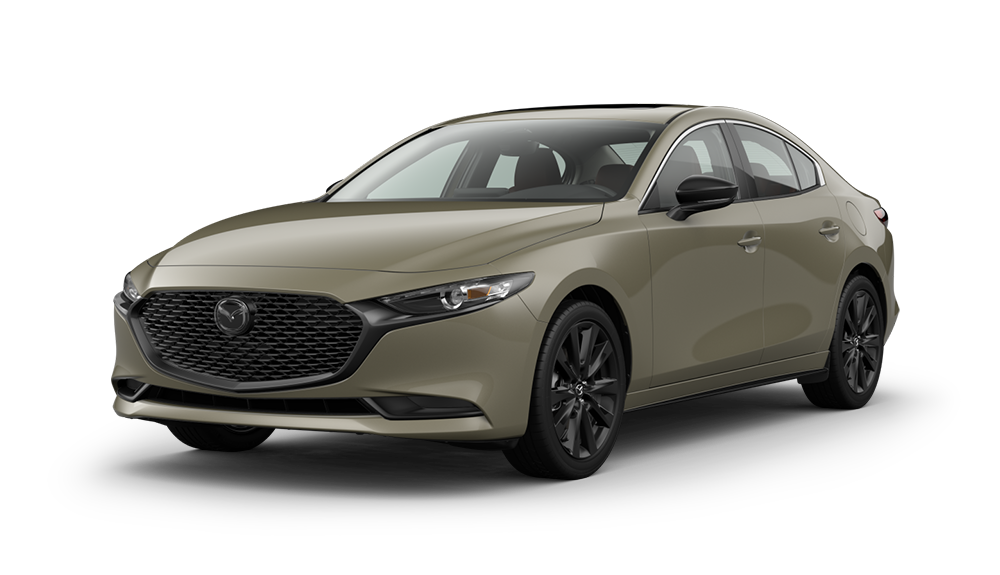
Understanding why requires looking beyond size and fuel economy to examine how the Mazda3 is built, how it behaves on the road, and how its systems support daily driving in real-world conditions.
Platform Design and Driving Character
The Mazda3 is engineered around a philosophy that prioritizes balance and driver connection. Steering calibration, suspension tuning, and chassis rigidity are designed to create predictable responses rather than isolated softness. This results in a compact car that feels stable at highway speeds and controlled during lane changes and urban maneuvering.
For Jacksonville commuters, this matters because:
- Highway stability reduces fatigue during longer drives
- Composed suspension behavior improves confidence on uneven pavement
- Steering feedback supports precise control in dense traffic
Rather than relying on aggressive suspension stiffness, Mazda uses structural rigidity and damping calibration to deliver a smooth but controlled ride that feels more substantial than many small cars.
Powertrain Behavior and Efficiency Balance
The 2026 Mazda3 uses a naturally aspirated engine design focused on smooth power delivery rather than peak output figures. Throttle response is linear, and the transmission is tuned to avoid abrupt gear changes. This creates a driving experience that feels calm and responsive in stop-and-go traffic.
Key powertrain characteristics include:
- Predictable acceleration for merging and passing
- Smooth low-speed operation in city environments
- Balanced efficiency without sacrificing responsiveness
This approach supports long-term durability by reducing mechanical stress, an important factor for drivers planning extended ownership.
All-Wheel Drive Availability in the Compact Segment
One of the Mazda3’s most distinctive features is the availability of all-wheel drive, which remains uncommon in the compact car category. Rather than being performance-oriented, Mazda’s AWD system is designed to enhance stability by monitoring traction and proactively adjusting torque distribution.
In Florida driving conditions, AWD can:
- Improve control during heavy rain
- Enhance stability on slick road surfaces
- Increase driver confidence without changing daily drivability
The system operates seamlessly, supporting traction without altering the vehicle’s balanced handling characteristics.
Interior Design and Material Quality
Interior execution is a defining strength of the Mazda3. Rather than prioritizing screen size or visual complexity, the cabin is designed around simplicity, material quality, and driver focus. Controls are placed intentionally to reduce distraction, and materials are chosen for durability and tactile quality.
Interior advantages often noted by compact car shoppers include:
- Reduced road and wind noise compared to class norms
- Soft-touch surfaces in high-contact areas
- Clean design that avoids visual clutter
This focus on interior refinement makes the Mazda3 feel more upscale than many vehicles in the compact category, especially during daily commuting.
Safety Systems and Driver Assistance
The Mazda3 includes a suite of driver assistance systems designed to support awareness rather than override driver input. These systems are calibrated to intervene smoothly, which helps maintain confidence without creating unnecessary alerts.
Key safety considerations include:
- Active monitoring of surrounding traffic
- Support during highway driving
- Enhanced visibility and situational awareness
For Jacksonville drivers navigating mixed urban and highway conditions, these systems contribute to a calmer, more predictable driving experience.
Sedan vs Hatchback Practicality
The Mazda3 is available in both sedan and hatchback body styles, allowing drivers to choose based on lifestyle needs rather than compromise. The sedan prioritizes a traditional driving profile and trunk separation, while the hatchback offers expanded cargo flexibility without significantly increasing exterior size.
This flexibility supports:
- Commuters with varying cargo needs
- Drivers who value compact exterior dimensions
- Urban parking and maneuverability
Both configurations maintain the same underlying driving dynamics, allowing practicality decisions without sacrificing performance feel.
Long-Term Ownership Expectations
Mazda’s approach to simplified engineering and conservative powertrain design supports predictable long-term ownership. Rather than relying on complex systems, the Mazda3 emphasizes mechanical reliability and consistent performance.
Ownership considerations important to compact car buyers include:
- Reasonable maintenance expectations
- Durable interior materials
- Stable resale value over time
These factors contribute to confidence for drivers who rely on their vehicle daily rather than viewing it as a short-term solution.
Final Perspective
The 2026 Mazda3 stands out in Jacksonville’s compact car market because it offers more than efficiency and affordability. Its platform design, interior refinement, and driving balance create a compact vehicle that feels intentionally engineered for daily life.
For drivers comparing compact cars beyond surface-level specifications, the Mazda3 delivers a composed, confident experience that rewards attention to detail and thoughtful design.
Connect with us


