

Every Mazda is designed to move with balance, where control, responsiveness, and confidence work together in a way that feels natural behind the wheel. Braking plays a central role in that experience, yet it is often evaluated only when replacement becomes necessary. Many drivers begin comparing OEM and aftermarket brake components based on cost alone, but the real difference comes from how each option interacts with the vehicle as a complete system. Understanding how brake components are engineered, how they wear over time, and how they affect long term ownership helps clarify which choice aligns with how your Mazda is meant to perform.
How Brake Systems Work As A Complete System In Mazda Vehicles
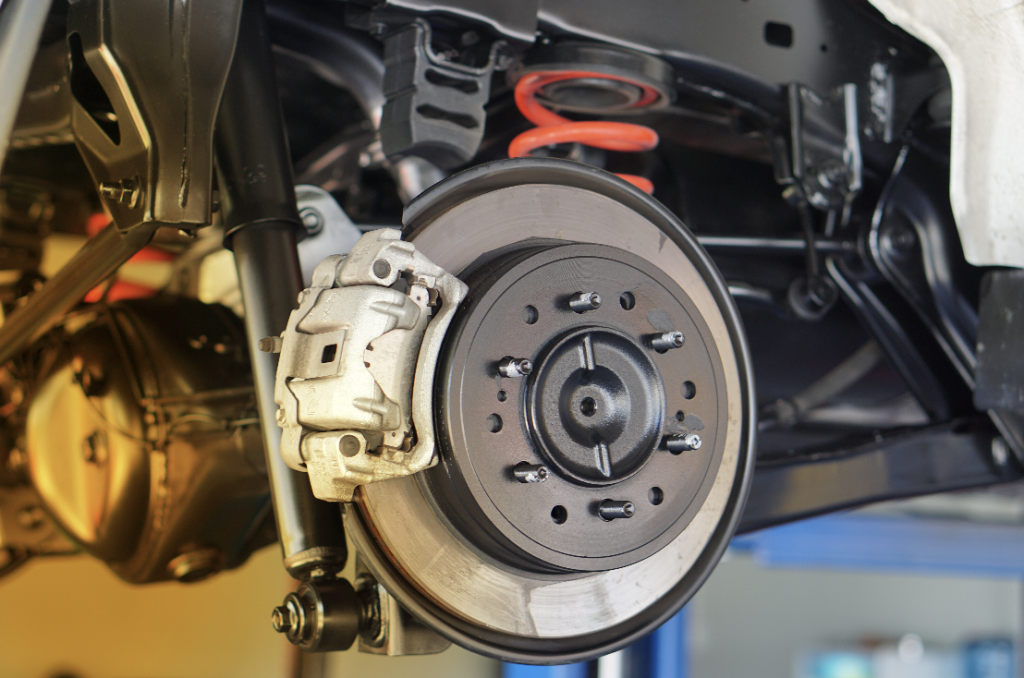
Many drivers ask what the difference is between OEM and aftermarket brakes, but that question begins with understanding how the brake system works as a whole. A brake system functions by converting motion into heat through friction, using coordinated interaction between brake pads, rotors, and hydraulic pressure.
In a vehicle like the Mazda CX 5, pressing the brake pedal activates hydraulic force that pushes brake pads against rotating rotors. This contact slows the vehicle by creating controlled friction, which must remain consistent across different speeds and driving conditions.
This system is not made up of independent parts. Each component is calibrated to work with the others.
- Brake pads are designed with specific friction materials to match rotor composition
- Rotors are engineered to manage heat and maintain structural stability
- Hydraulic pressure is balanced to deliver smooth and predictable braking response
When these elements are aligned, braking feels consistent and controlled. For drivers, this means the vehicle responds in a way that feels natural and predictable, whether slowing in traffic or stopping at higher speeds.
OEM Brake Components And Why Fitment Precision Matters
Drivers often wonder if OEM brake pads are better than aftermarket options, especially when comparing cost. OEM brake components are designed specifically for the vehicle, meaning they are engineered to match the exact specifications of the braking system.
In models like the Mazda CX 50, OEM brake pads and rotors are developed alongside the vehicle itself. This ensures that material composition, size, and fitment align precisely with how the system was designed to perform.
Fitment precision matters because even small variations can affect how the system behaves.
- Proper fitment ensures even contact between brake pads and rotors
- Consistent material composition reduces noise and vibration
- Engineered alignment supports balanced heat distribution
These factors contribute to a braking experience that remains smooth and predictable over time.
For drivers, OEM components maintain the original feel of the vehicle. They are not just replacements. They are a continuation of how the system was designed to function.
How Aftermarket Brake Components Differ In Material And Performance
Many drivers consider aftermarket brakes as an alternative, often asking whether they are safe and how they compare in performance. Aftermarket brake components are produced by third party manufacturers and can vary widely in material composition, fitment, and overall quality.
In a vehicle like the Mazda CX 30, installing aftermarket brake components introduces variability into a system that was originally engineered for consistency. While some aftermarket options may meet basic safety standards, they are not always calibrated to match the vehicle’s original design.
Material differences play a significant role in how these components perform.
- Variations in friction material can change stopping response
- Inconsistent fitment can lead to uneven wear patterns
- Differences in heat management can affect long term durability
This does not mean all aftermarket components perform poorly, but it does mean performance can be less predictable.
For drivers, this variability can show up as changes in braking feel, increased noise, or faster wear over time.
How Warranty And Long Term Cost Are Affected By Brake Choice
Drivers often ask whether aftermarket brake components affect warranty coverage and how cost compares over time. Warranty coverage applies to defects in materials or workmanship within OEM systems, but it may not extend to issues caused by non OEM parts.
In a vehicle like the Mazda CX 90, this distinction becomes important when repairs are needed. If an issue is linked to aftermarket components, it may fall outside standard warranty coverage.
Cost is also more complex than the initial price of the parts.
- OEM components often have a higher upfront cost but are designed for consistent wear
- Aftermarket components may cost less initially but can wear unevenly
- Increased wear can lead to more frequent replacement or additional service
This creates a long term difference in ownership cost that is not always visible at the time of purchase.
For drivers, understanding this relationship helps prevent decisions based solely on short term savings.
How To Choose Between OEM And Aftermarket Based On Driving Needs
Choosing between OEM and aftermarket brake components comes down to how you expect your vehicle to perform over time. There is no single answer that applies to every driver, but there is a clear difference in how each option aligns with Mazda’s original design.
If your priority is maintaining the original driving feel, consistency, and system balance, OEM components provide a direct continuation of the vehicle’s engineering.
If your priority is reducing upfront cost and you are comfortable with potential variation in performance, aftermarket options may be considered, but require careful evaluation of quality and compatibility.
- Consider how important braking consistency is in your daily driving
- Evaluate how long you plan to keep the vehicle
- Think about how changes in noise, feel, or wear may affect your experience
For a Mazda driver, braking is not just about stopping. It is part of the connection between driver and vehicle. Choosing the right components ensures that connection remains intact over time.
Connect with us


