

Every Mazda is designed with intention, where engineering and human experience move together. That same sense of clarity continues into ownership, especially when service becomes part of the experience. For many drivers, the uncertainty is not about the vehicle itself, but about what happens once it enters the service lane. Questions around diagnostic fees, recall repairs, and warranty coverage often create hesitation before scheduling an appointment. Understanding how these systems work together helps turn the process into something predictable, structured, and easier to navigate.
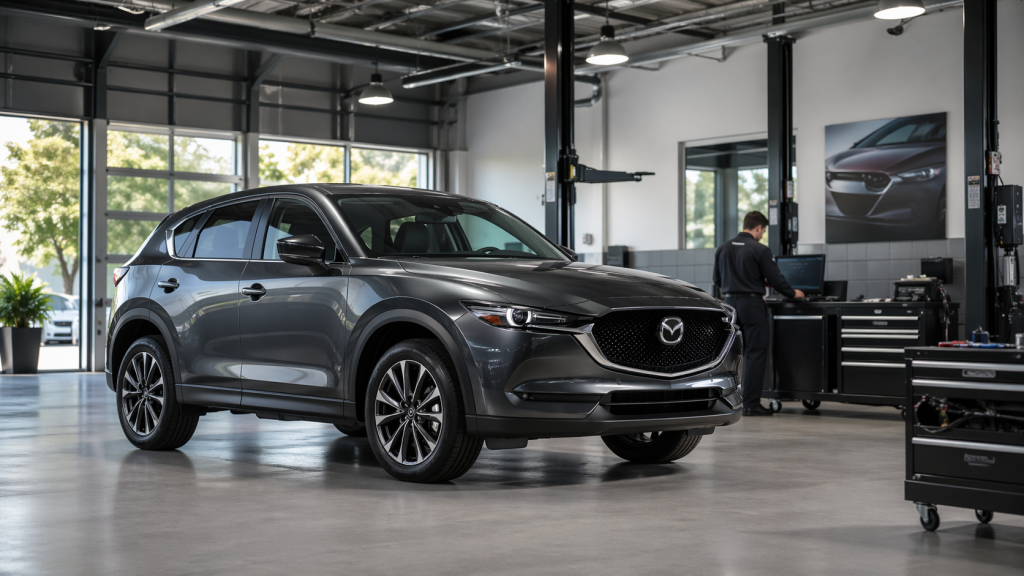
What Happens During A Mazda Service Appointment From Arrival To Inspection
Many drivers want to understand what actually happens during a Mazda service appointment, from the moment they arrive to when the vehicle is inspected. A service appointment follows a structured process designed to identify concerns, evaluate systems, and communicate next steps clearly.
In a vehicle like the Mazda CX 5, the process begins with check in, where the service advisor documents the concern, whether it is routine maintenance or a specific issue. This step matters because it defines how the technician approaches the inspection.
The vehicle is then routed to a technician who performs a multi point evaluation. This includes both visual inspection and system level checks to assess how different components are performing.
- Initial inspection reviews visible wear such as tires, brakes, and fluid levels
- System checks evaluate electronic and mechanical performance through onboard data
- Technician notes identify any irregularities that require deeper analysis
This process is designed to move from observation to confirmation. For a driver, this means the vehicle is not being guessed at. It is being evaluated through a consistent and repeatable system that prioritizes accuracy.
How Vehicle Diagnostics Work And Why Diagnostic Fees Exist
A common point of confusion is whether you pay for diagnostic testing at a dealership and what that fee actually covers. A diagnostic fee applies when a technician needs to identify the source of a problem that is not immediately visible.
In models like the Mazda CX 50, modern vehicles rely on interconnected systems that monitor performance through sensors and control modules. When something feels off, the issue may not be obvious without deeper analysis.
Diagnostics work by combining digital system scans with physical inspection. The vehicle’s onboard systems generate data that points to potential issues, but that data must be interpreted by a technician.
- Electronic scans identify stored fault codes within vehicle systems
- Technicians analyze how those codes relate to real world symptoms
- Additional testing may be required to confirm the root cause of the issue
The diagnostic fee reflects the time and expertise required to perform this evaluation. It is not tied to the repair itself. It is tied to identifying what needs to be repaired.
For drivers, this step is critical because it ensures that any repair recommendation is based on verified information rather than assumption.
How Mazda Recalls Are Handled And Why They Are Different From Repairs
Are Mazda recall repairs free
Mazda recall repairs are completed at no cost because they are issued by the manufacturer to correct a known issue that affects safety or performance.
In vehicles like the Mazda CX 30, a recall is triggered when a pattern of concern is identified across multiple vehicles. The manufacturer develops a solution and provides instructions to dealerships on how to perform the repair.
This process is different from standard repairs because the responsibility does not fall on the owner. It falls on the manufacturer.
- Recall repairs are pre approved and follow a defined repair procedure
- Parts and labor are covered by the manufacturer
- No diagnostic fee is applied when the issue is directly related to the recall
This distinction matters because it removes uncertainty. For drivers, recall repairs are not optional maintenance or unexpected repairs. They are manufacturer supported updates designed to ensure the vehicle continues to perform as intended.
How Warranty Coverage Determines What You Pay For
Drivers often ask what Mazda warranty coverage actually includes when it comes to repairs. Warranty coverage applies to defects in materials or workmanship, meaning it protects against issues that originate from how the vehicle was built.
In a vehicle like the Mazda CX 90, warranty validation begins after diagnostics identify the issue. The dealership then determines whether the concern falls within warranty guidelines.
This process is based on cause, not just the presence of a problem.
- If the issue is caused by a defect, the repair is covered
- If the issue is caused by wear or external factors, the repair is not covered
- Warranty coverage applies only within specific time and mileage limits
This evaluation ensures that responsibility is clearly defined. For drivers, it means understanding that warranty coverage is not a blanket protection for all repairs, but a structured system that applies to specific types of issues.
How Service Communication And Approval Shape The Final Experience
Service does not end with inspection or diagnosis. It continues through communication and approval, which ultimately determine how the experience feels from the driver’s perspective.
Once a technician completes the evaluation, the service advisor translates those findings into clear recommendations. This step is where technical information becomes understandable and actionable.
Drivers are then presented with options based on the findings.
- Approved repairs move forward based on confirmed issues
- Declined services are documented for future consideration
- Transparent communication ensures there are no unexpected steps
This process creates alignment between the vehicle, the technician, and the driver. It allows decisions to be made with clarity rather than pressure.
For a Mazda owner, this structure reinforces a sense of trust. The goal is not just to repair the vehicle, but to maintain the connection between driver and machine through clear, thoughtful service.
Connect with us


