

Bad spark plug symptoms may include rough idle, hard starting, weak acceleration, misfires, fuel changes, and a check engine light. However, these signs do not identify one failed part without inspection. Several ignition, fuel, electrical, and mechanical faults may produce similar warning signs.
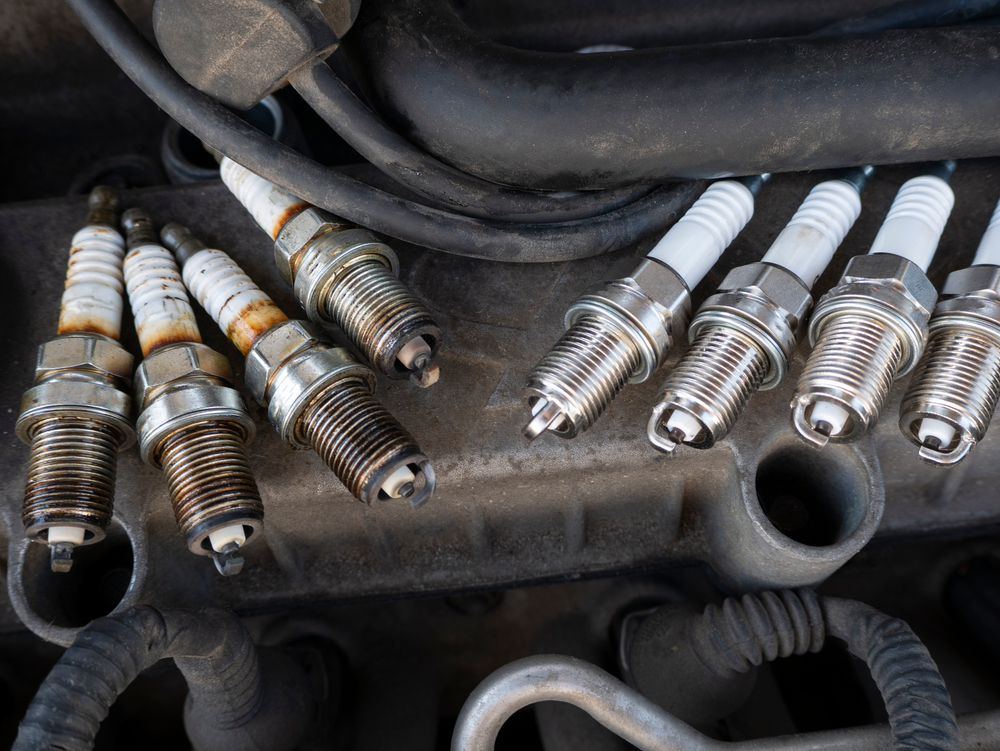
Spark plugs ignite the compressed air and fuel mixture inside each gasoline engine cylinder. Therefore, worn electrodes, deposits, cracks, or an incorrect gap may weaken that spark. Combustion may then become uneven or fail within one cylinder. That failure is called a misfire.
A Mazda technician may inspect stored fault codes, plug condition, coil output, wiring, fuel delivery, and cylinder health. This process finds the source before parts are replaced.
Bad Spark Plug Symptoms and Their Mechanical Cause
What do bad spark plug symptoms feel like? They may feel like shaking, hesitation, delayed starting, uneven idle, or reduced engine response.
A rough idle may appear when one cylinder fires less evenly than the others. Consequently, the engine may vibrate while the Mazda sits at a stop. The vibration may lessen after engine speed rises, though the underlying fault may remain.
Hard starting may also appear when worn plugs struggle to ignite the mixture. The starter may turn the engine normally, yet ignition takes longer. However, a slow crank points toward a different electrical path and needs separate testing.
Acceleration places greater demand on the ignition process. Cylinder pressure rises when the driver presses the accelerator. Therefore, a weak spark may show up as hesitation, stuttering, or reduced power during that moment.
Fuel use may rise when combustion does not finish cleanly. The engine may use more fuel while producing less useful energy. Still, tire pressure, injectors, filters, and driving patterns may also change fuel consumption.
Common warning signs include:
- Rough idle may feel like shaking or uneven engine speed while stopped.
- Misfires may create hesitation, stuttering, popping sounds, or sudden power loss.
- Hard starting may occur even when the starter turns the engine at a normal speed.
These signs support an inspection request, not a parts diagnosis. Furthermore, one damaged plug may create symptoms that resemble a coil or injector fault.
Check Engine Light and Misfire Urgency
Can bad spark plugs cause a check engine light? Yes, a plug related misfire may trigger the warning. However, the dashboard light does not name the failed component.
Mazda monitoring may detect uneven combustion and store a diagnostic code. That code may identify a cylinder misfire or another engine fault. Therefore, a technician still needs testing before selecting a repair.
A steady check engine light calls for prompt attention. The Mazda may still run, though continued driving could worsen the fault. Schedule an inspection soon and watch for shaking, stalling, fuel odor, or power loss.
A flashing check engine light requires faster action. Mazda owner guidance directs drivers to avoid high speeds and seek dealer inspection promptly. Newer Mazda manuals may instruct the driver to park safely and contact an authorized dealer.
Severe shaking, repeated stalling, strong fuel odor, or major power loss also raise urgency. Consequently, pull over safely when the Mazda no longer responds normally. Roadside assistance may be safer than driving farther.
Do not disconnect battery cables while the check engine light remains on or flashes. Mazda warns that reconnecting the battery may damage the engine under this circumstance.
Spark Plugs Versus Ignition Coils
How do spark plug and ignition coil faults differ? The coil supplies high voltage, while the plug creates the spark inside the cylinder.
Each part serves a separate job within the same ignition process. Therefore, failure in either part may create rough idle, misfires, hesitation, or a warning light. Symptoms alone may not separate them.
A worn spark plug may have eroded electrodes, heavy deposits, damage, or an incorrect gap. By contrast, a weak ignition coil may fail to deliver enough voltage. The connected plug then struggles to create a strong spark.
Heat and electrical load may make a coil fault appear during acceleration. A damaged plug may also struggle under higher cylinder pressure. Consequently, both faults may feel stronger when merging, climbing, or passing.
A technician may swap coils between cylinders during testing. If the misfire moves with the coil, that result points toward the coil. Plug inspection may reveal deposits, cracks, wear, or gap trouble.
Mazda City already has a separate ignition coil resource. Therefore, the refreshed spark plug page should link there without repeating the full coil discussion.
Starting Trouble and Related Electrical Faults
Does every hard start point toward spark plugs? No. The way the Mazda cranks provides a useful first distinction.
When the engine turns at a normal speed but takes longer to fire, ignition or fuel delivery deserves inspection. Spark plugs may sit within that diagnostic path. However, fuel pressure, injectors, sensors, or compression may also require testing.
A slow crank usually points toward battery power, cable resistance, starter trouble, or charging concerns. Dim lights or clicking sounds strengthen that electrical direction. Spark plugs do not control starter speed.
A no crank event belongs to a different path. The driver may hear one click, repeated clicks, or silence. Therefore, battery, terminal, starter, security, or control faults require review.
After a successful jump start, repeated battery trouble may point toward the battery or charging circuit. Mazda City’s jump start and alternator articles should remain separate resources.
Starting trouble should be described clearly when service is scheduled. Note whether the engine cranks slowly, cranks normally, clicks, stalls, or starts after several attempts. Those details give the technician a stronger diagnostic starting point.
When to Schedule Mazda Service
Bad spark plug symptoms deserve inspection when they persist, return, or appear with a warning light. Early testing may prevent a minor ignition fault from placing added strain on other engine parts.
Schedule service soon for rough idle, slower starting, hesitation, fuel changes, or a steady check engine light. Describe when each symptom appears and whether engine temperature changes it.
Seek faster assistance for:
- A flashing check engine light, severe shaking, repeated stalling, or sudden power loss.
- Strong fuel odor, smoke, unusual heat, or trouble keeping the engine running.
- A Mazda that no longer responds safely during acceleration or normal traffic.
When scheduling, share the model, model year, mileage, warning lights, sounds, and recent repairs. In addition, explain whether the concern appears during startup, idle, acceleration, or highway travel.
Mazda City technicians may inspect the plugs, coils, stored codes, wiring, fuel delivery, and related engine parts. Therefore, diagnosis stays focused on evidence instead of one symptom. A clear service path gives the owner the right next step without guessing at the repair.
Connect with us


Recent Blog Entries
- Bad Spark Plug Symptoms and Check Engine Light Signs
- Mazda Towing Capacity by Model and Required Equipment
- 2026 Mazda MX-5 Miata vs Mazda3 Hatchback: Driving Engagement Compared
- Mazda Drive Modes Explained: Efficiency, Comfort, and Control
- Mazda OEM Battery Replacement vs Aftermarket: Longevity Explained