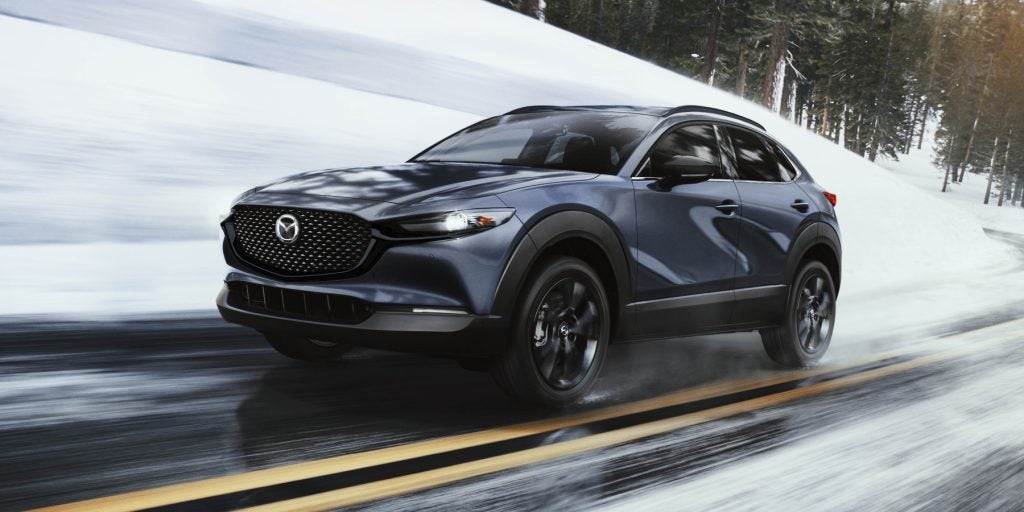
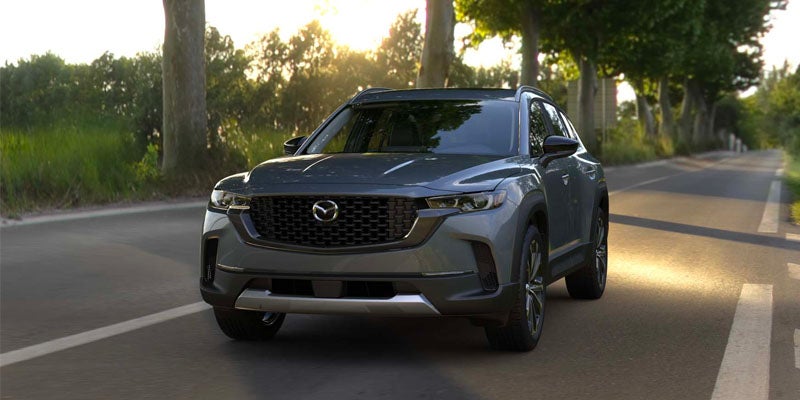
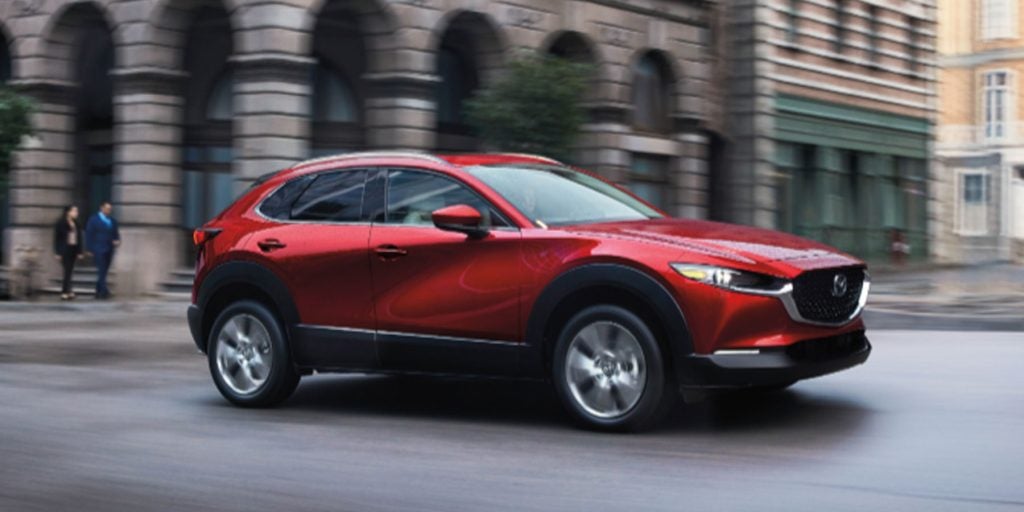
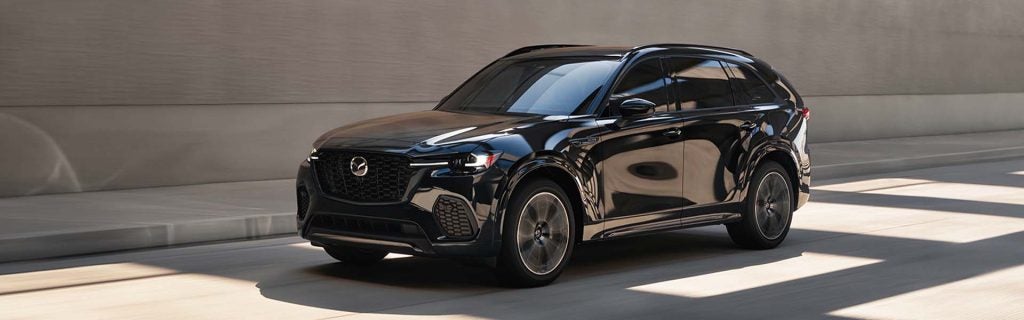
The compact SUV segment is crowded with vehicles that promise versatility but often feel oversized, numb, or disconnected in everyday driving. The 2025 Mazda CX-30 stands apart by occupying a deliberate middle ground. It is engineered to combine the efficiency and control of a compact car with the elevated confidence and flexibility drivers expect from an SUV. For Jacksonville drivers navigating tight parking areas, highway traffic, and changing weather conditions, this balance matters more than raw size. Mazda approaches the CX-30 as a thoughtfully designed crossover rather than a scaled-down SUV, and that distinction defines how it performs and feels in daily use. Where the CX-30 Fits in the Compact SUV Landscape The CX-30 sits between a traditional compact sedan and a full compact SUV. This positioning allows Mazda to deliver a vehicle that feels substantial without becoming bulky. Key positioning characteristics include: A slightly elevated ride height for improved road visibility Compact exterior dimensions that support easy maneuvering A footprint that feels approachable for urban and suburban driving Proportions designed to prioritize balance rather than maximum volume For drivers who find larger compact SUVs cumbersome but want more presence than a sedan, the CX-30 fills a unique role. Design Philosophy and Exterior Proportions Mazda’s design language emphasizes motion and balance even when the vehicle is stationary. The CX-30 reflects this philosophy through smooth body surfaces and restrained detailing. Design benefits include: Clean exterior lines that reduce visual bulk A sculpted profile that improves aerodynamic efficiency Short overhangs that enhance maneuverability A stance that feels planted rather than tall This approach contributes to both aesthetics and real-world drivability. Interior Craftsmanship and Cabin Experience Inside the CX-30, Mazda focuses on craftsmanship rather than screen dominance. Materials and layout are chosen to create a calm, driver-focused environment. Interior highlights include: A cockpit-style layout that keeps controls within easy reach High-quality materials chosen for tactile feel and durability Minimalist design that reduces visual clutter Supportive seating designed for longer drives The result is a cabin that feels considered and premium without being distracting. Driving Dynamics and Everyday Control Mazda engineers vehicles to respond naturally to driver input. The CX-30 benefits from this philosophy through careful chassis tuning and steering calibration. Driving dynamics advantages include: Predictable handling that inspires confidence Steering tuned for clarity rather than exaggerated response Suspension designed to absorb road imperfections without feeling soft Stable behavior during highway cruising and lane changes For Jacksonville drivers dealing with mixed road conditions, this balance enhances comfort and control. Size and Maneuverability in Urban Driving One of the CX-30’s greatest strengths is its manageability. Compact dimensions reduce stress in everyday situations. Urban driving benefits include: Easier parking in tight spaces Confident navigation through congested areas Reduced turning radius compared to larger SUVs Better visibility when entering traffic or merging This makes the CX-30 particularly well suited for drivers who split time between city streets and highways. Cargo Space and Practical Use While the CX-30 does not chase maximum cargo numbers, its space is designed for real-world use rather than marketing claims. Cargo considerations include: A rear cargo area that accommodates daily errands and travel needs A wide hatch opening for easier loading Rear seats that fold to support longer items A layout that prioritizes usability over raw volume For most drivers, this balance provides sufficient flexibility without excess size. Efficiency and Powertrain Balance The CX-30 is engineered to deliver responsive performance while maintaining efficiency. Powertrain tuning focuses on smooth, usable output rather than aggressive acceleration. Powertrain benefits include: Responsive throttle behavior in city driving Confident acceleration for highway merging Engine tuning that prioritizes refinement Efficiency that supports daily commuting This makes the CX-30 easy to live with while still feeling capable. Comfort for Longer Drives Despite its compact size, the CX-30 is designed for comfort beyond short trips. Long-drive comfort features include: Seats that support posture during extended travel A quiet cabin that minimizes road and wind noise Suspension tuning that reduces fatigue Intuitive control placement that reduces distraction These qualities are especially valuable for drivers who frequently travel beyond city limits. Who the CX-30 Is Best Suited For The CX-30 appeals to drivers who want: A crossover that feels nimble and controlled Premium design without excessive size A calm, driver-focused interior Confidence in varied driving conditions A step up from a sedan without committing to a larger SUV It is particularly well suited for drivers downsizing from larger vehicles or upgrading from a sedan. What Jacksonville Shoppers Should Evaluate When comparing compact SUVs, shoppers should consider: How the vehicle feels in daily driving Ease of parking and maneuverability Interior comfort and design quality Balance between size and usability Long-term comfort rather than maximum capacity The CX-30 excels when evaluated through these real-world lenses. Final Perspective on the 2025 Mazda CX-30 The 2025 Mazda CX-30 stands out by refusing to chase extremes. Instead of prioritizing size or flashy features, Mazda delivers a crossover that feels intentional, balanced, and refined. Its blend of compact dimensions, thoughtful design, and confident driving dynamics makes it a compelling choice in a segment often defined by compromise. For Jacksonville drivers seeking a compact SUV that feels composed, premium, and genuinely enjoyable to drive every day, the Mazda CX-30 offers a standout alternative rooted in Mazda’s human-centric design philosophy.