Blog

All Mazda City of Orange Park Jacksonville Mazda Dealer Jacksonville Mazda Service Mazda City of Orange Park Service Things To Do In Jacksonville Jacksonville Amenities Jacksonville Entertainment Jacksonville Used Cars Jacksonville Eateries Tom Bush Family of Dealerships Jacksonville Restaurants Jacksonville Parks Jacksonville Landmarks Mazda City of Orange Park Collision Center Mazda SUVs Collision Center in Jacksonville Jacksonville Art Jacksonville Fitness Orange Park Florida Mazda Dealer Orange Park Florida Mazda Service Holidays in Jacksonville Shopping in Jacksonville Weekend Getaways Auto Insurance Family Fun in Jacksonville Jacksonville Thrifting Orange Park Mazda Service Road Trips Small Town Fun Things To Do Near Jacksonville

Understanding Mazda Connected Services: Smart Technology for Orange Park Drivers

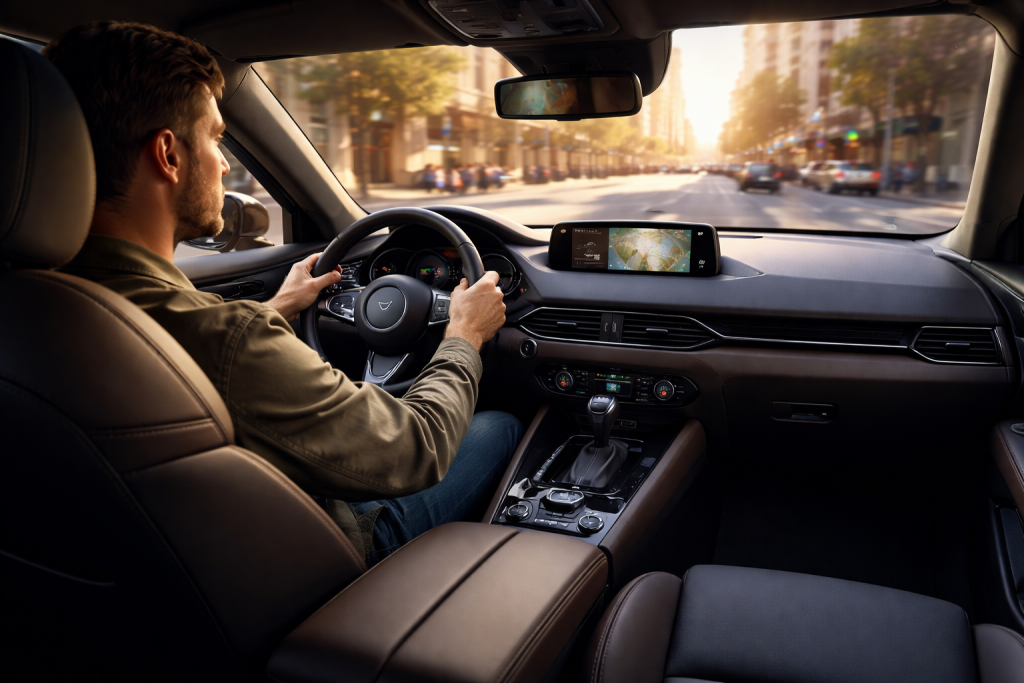
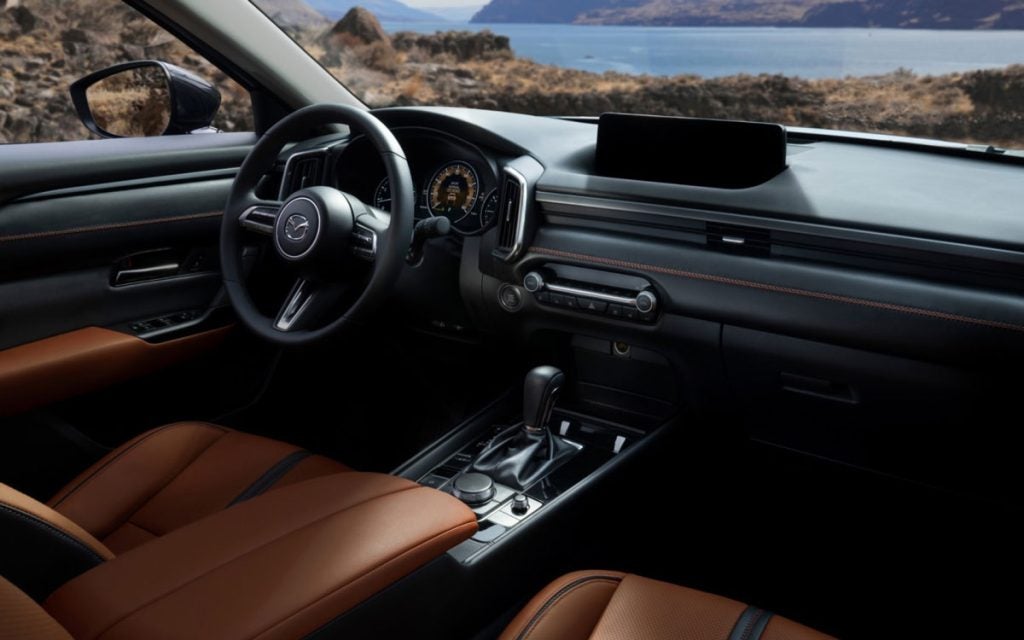
Modern vehicles are no longer defined only by engines and transmissions. For many drivers, the ownership experience now includes how easily a vehicle integrates into daily life through technology. Mazda Connected Services is designed to support that experience by offering practical, intuitive tools that extend vehicle awareness beyond the driver’s seat. Rather than overwhelming drivers with complexity, Mazda focuses on connected features that provide real-world usefulness, security, and peace of mind. What Mazda Connected Services Actually Is Mazda Connected Services is a suite of vehicle connectivity features accessed through a smartphone app. These services allow drivers to interact with their vehicle remotely, monitor its status, and manage certain functions without being physically present. It is important to distinguish between: more Infotainment systems, which operate inside the vehicle Connected services, which extend vehicle access beyond the cabin Connected Services operates through built-in vehicle communication hardware, not through the driver’s phone alone. This allows the vehicle to send and receive information independently. Remote Access and Everyday Convenience One of the most commonly researched aspects of Mazda Connected Services is remote access. These features are designed to reduce friction during daily routines rather than add novelty. Common remote capabilities include: Locking and unlocking doors remotely Starting the engine from a distance Checking fuel level and vehicle range Viewing vehicle status alerts For Orange Park drivers dealing with unpredictable weather or busy schedules, remote access adds flexibility without requiring additional hardware or aftermarket systems. Vehicle Monitoring and Status Awareness Connected Services also focuses on awareness rather than control. Drivers can check their vehicle’s condition without physically inspecting it, which is especially useful for households that share vehicles. Monitoring features typically include: Door and window status Fuel level and estimated range Maintenance or warning notifications Vehicle location tracking This type of visibility supports proactive ownership rather than reactive problem solving, allowing drivers to address issues before they become disruptive. Security and Peace of Mind Security is a major concern for drivers researching connected vehicle technology. Mazda Connected Services incorporates location tracking and alert systems designed to support vehicle security without constant monitoring. Security-focused functions may include: Vehicle location visibility Alerts if doors are left unlocked Notifications for unexpected vehicle movement These features are designed to inform rather than alarm, aligning with Mazda’s philosophy of calm, supportive technology. Data Privacy and System Design A common question surrounding connected services involves data handling and privacy. Mazda designs its connected systems to prioritize secure communication and controlled data use. Key principles include: Encrypted data transmission Limited data sharing tied to service functionality User-controlled access through secure authentication Rather than treating data as a product, Mazda uses connectivity to enhance ownership experience and operational awareness. Subscription Structure and Ownership Planning Mazda Connected Services typically includes an introductory access period, after which continued use may require a subscription. Understanding this structure helps drivers evaluate long-term value. Drivers often assess: Whether features match daily habits How often remote access is actually used The value of monitoring and security tools Because Connected Services is optional after the initial period, owners maintain flexibility rather than being locked into long-term commitments. Connected Services Versus Infotainment While often discussed together, Connected Services and infotainment serve different purposes. Infotainment focuses on in-vehicle interaction, while Connected Services focuses on ownership outside the vehicle. Mazda intentionally separates these roles to: Reduce system complexity Maintain reliability Avoid distraction-heavy interfaces This separation helps keep the driving experience focused while still offering modern convenience. How Connected Services Fits Real Life For Orange Park drivers, Mazda Connected Services works best as a background support system. It does not demand constant attention or interaction. Instead, it provides tools that are available when needed and invisible when not. It fits drivers who: Value preparedness over novelty Prefer intuitive systems Want awareness without micromanagement Appreciate technology that supports rather than dominates Final Perspective Mazda Connected Services reflects Mazda’s broader approach to technology: purposeful, restrained, and driver-centered. By focusing on real ownership needs such as awareness, convenience, and security, it enhances daily life without complicating it. For drivers exploring how modern vehicle technology fits into everyday routines, Mazda Connected Services offers a thoughtful, practical solution.

Why the 2026 Mazda3 Stands Out Among Jacksonville’s Compact Cars

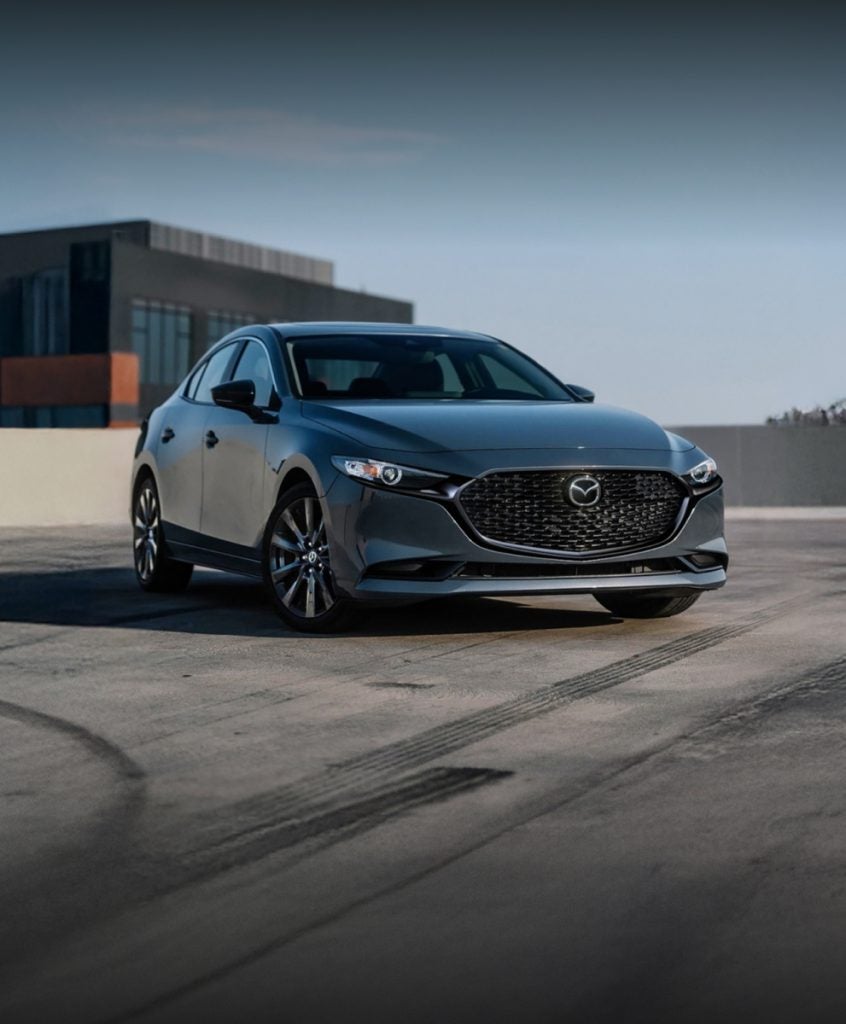
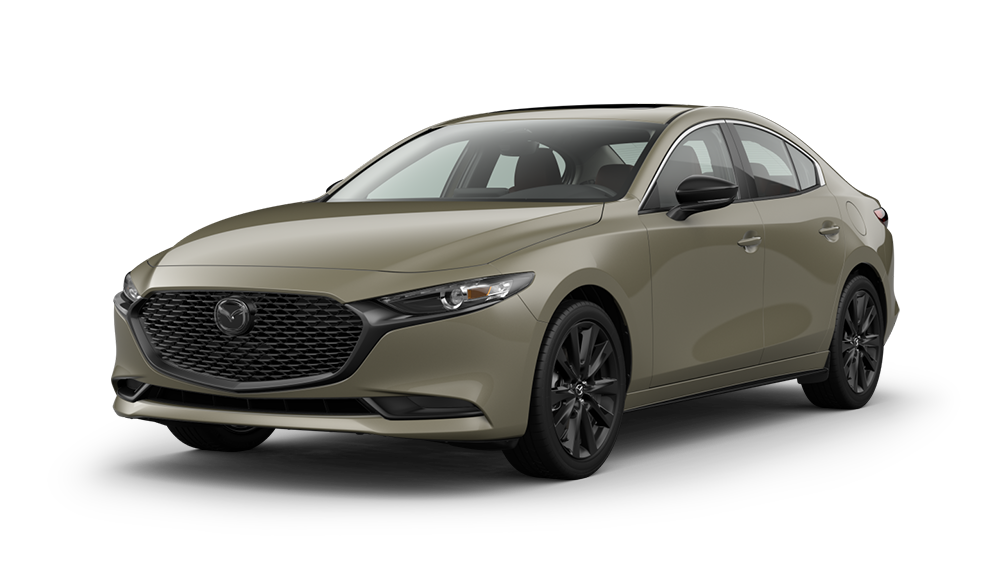
Compact cars are often treated as basic transportation tools, optimized for efficiency and cost but rarely designed to engage the driver. The 2026 Mazda3 takes a different approach. For Jacksonville drivers who want a compact vehicle that feels composed, refined, and intentionally engineered, the Mazda3 stands apart from many competitors in the segment. Understanding why requires looking beyond size and fuel economy to examine how the Mazda3 is built, how it behaves on the road, and how its systems support daily driving in real-world conditions. Platform Design and Driving Character The Mazda3 is engineered around a philosophy that prioritizes balance and driver connection. Steering calibration, suspension tuning, and chassis rigidity are designed to create predictable responses rather than isolated softness. This results in a compact car that feels stable at highway speeds and controlled during lane changes and urban maneuvering. For Jacksonville commuters, this matters because: more Highway stability reduces fatigue during longer drives Composed suspension behavior improves confidence on uneven pavement Steering feedback supports precise control in dense traffic Rather than relying on aggressive suspension stiffness, Mazda uses structural rigidity and damping calibration to deliver a smooth but controlled ride that feels more substantial than many small cars. Powertrain Behavior and Efficiency Balance The 2026 Mazda3 uses a naturally aspirated engine design focused on smooth power delivery rather than peak output figures. Throttle response is linear, and the transmission is tuned to avoid abrupt gear changes. This creates a driving experience that feels calm and responsive in stop-and-go traffic. Key powertrain characteristics include: Predictable acceleration for merging and passing Smooth low-speed operation in city environments Balanced efficiency without sacrificing responsiveness This approach supports long-term durability by reducing mechanical stress, an important factor for drivers planning extended ownership. All-Wheel Drive Availability in the Compact Segment One of the Mazda3’s most distinctive features is the availability of all-wheel drive, which remains uncommon in the compact car category. Rather than being performance-oriented, Mazda’s AWD system is designed to enhance stability by monitoring traction and proactively adjusting torque distribution. In Florida driving conditions, AWD can: Improve control during heavy rain Enhance stability on slick road surfaces Increase driver confidence without changing daily drivability The system operates seamlessly, supporting traction without altering the vehicle’s balanced handling characteristics. Interior Design and Material Quality Interior execution is a defining strength of the Mazda3. Rather than prioritizing screen size or visual complexity, the cabin is designed around simplicity, material quality, and driver focus. Controls are placed intentionally to reduce distraction, and materials are chosen for durability and tactile quality. Interior advantages often noted by compact car shoppers include: Reduced road and wind noise compared to class norms Soft-touch surfaces in high-contact areas Clean design that avoids visual clutter This focus on interior refinement makes the Mazda3 feel more upscale than many vehicles in the compact category, especially during daily commuting. Safety Systems and Driver Assistance The Mazda3 includes a suite of driver assistance systems designed to support awareness rather than override driver input. These systems are calibrated to intervene smoothly, which helps maintain confidence without creating unnecessary alerts. Key safety considerations include: Active monitoring of surrounding traffic Support during highway driving Enhanced visibility and situational awareness For Jacksonville drivers navigating mixed urban and highway conditions, these systems contribute to a calmer, more predictable driving experience. Sedan vs Hatchback Practicality The Mazda3 is available in both sedan and hatchback body styles, allowing drivers to choose based on lifestyle needs rather than compromise. The sedan prioritizes a traditional driving profile and trunk separation, while the hatchback offers expanded cargo flexibility without significantly increasing exterior size. This flexibility supports: Commuters with varying cargo needs Drivers who value compact exterior dimensions Urban parking and maneuverability Both configurations maintain the same underlying driving dynamics, allowing practicality decisions without sacrificing performance feel. Long-Term Ownership Expectations Mazda’s approach to simplified engineering and conservative powertrain design supports predictable long-term ownership. Rather than relying on complex systems, the Mazda3 emphasizes mechanical reliability and consistent performance. Ownership considerations important to compact car buyers include: Reasonable maintenance expectations Durable interior materials Stable resale value over time These factors contribute to confidence for drivers who rely on their vehicle daily rather than viewing it as a short-term solution. Final Perspective The 2026 Mazda3 stands out in Jacksonville’s compact car market because it offers more than efficiency and affordability. Its platform design, interior refinement, and driving balance create a compact vehicle that feels intentionally engineered for daily life. For drivers comparing compact cars beyond surface-level specifications, the Mazda3 delivers a composed, confident experience that rewards attention to detail and thoughtful design.

Why Jacksonville Drivers Compare Mazda CX-5 Lease Options at Mazda City of Orange Park

For many Jacksonville drivers, leasing a Mazda CX-5 is not about chasing the lowest monthly number. It is about understanding how payment structure, mileage expectations, and vehicle configuration come together in a way that fits real driving habits. The CX-5 sits at the center of Mazda’s SUV lineup because it balances size, efficiency, and driving confidence, which makes it a frequent subject of lease research rather than impulse decisions. Comparing lease options starts with understanding how the CX-5 behaves as a vehicle over time, not just how it looks on paper. How Mazda CX-5 Lease Payments Are Structured A CX-5 lease is built around depreciation rather than ownership. The payment reflects how much of the vehicle’s value is used during the lease term rather than the full purchase price. Key components that shape CX-5 lease payments include: more The negotiated starting price of the vehicle The projected residual value at lease end Lease term length Annual mileage selection Interest rate tier based on credit profile The CX-5 benefits from a reputation for durability and consistent demand, which helps support residual value. This matters because higher residual value means less depreciation is paid during the lease, which directly affects the monthly payment. Why Trim Selection Matters in a Lease Trim level is one of the most important factors Jacksonville shoppers evaluate when comparing CX-5 lease options. Each trim adds equipment that increases the starting price, but not all features retain value equally over a short lease term. From a lease efficiency standpoint: Mid-level trims often provide the strongest balance of features and payment Higher trims raise monthly cost faster due to interior and technology upgrades Powertrain and drivetrain choices influence both price and usability For Florida driving, features related to cabin comfort, visibility, and driver assistance often matter more than purely cosmetic upgrades. Choosing a trim based on daily use rather than maximum equipment helps keep lease payments aligned with real value. Mileage Planning for Jacksonville Driving Patterns Mileage selection is one of the most underestimated lease decisions. Jacksonville drivers often split time between highway commuting, suburban travel, and regional trips, which can push annual mileage higher than expected. Common considerations include: Daily commute distance Weekend and coastal travel Seasonal driving increases Household vehicle sharing Selecting too little mileage may result in end-of-lease overage charges, while selecting too much mileage increases the monthly payment unnecessarily. The CX-5 is commonly used as a primary vehicle, making realistic mileage planning essential. CX-5 Drivetrain and Florida Conditions The Mazda CX-5’s available drivetrain configurations are frequently evaluated during lease research because they affect both driving confidence and cost. For Jacksonville and surrounding areas: Front-wheel drive configurations tend to lease efficiently All-wheel drive adds capability in heavy rain and uneven road conditions The added cost of AWD may be offset by daily confidence rather than resale alone Mazda’s AWD system is designed to proactively manage traction, which enhances stability during sudden weather changes common in Florida. This functional benefit often outweighs the modest lease payment increase for drivers who prioritize control and predictability. Lease Versus Finance for the Mazda CX-5 Jacksonville shoppers often compare leasing and financing side by side before deciding. Leasing appeals to drivers who want predictable monthly costs and flexibility, while financing appeals to those planning longer ownership. Leasing the CX-5 tends to make sense for drivers who: Prefer lower monthly payments Plan to change vehicles every few years Drive within defined mileage ranges Value access to newer safety and technology updates Financing may suit drivers who: Drive higher annual mileage Plan long-term ownership Want to build equity over time The CX-5’s balanced design allows it to work well in either scenario, which is why many shoppers start with lease comparisons before narrowing their path. End-of-Lease Considerations and Flexibility Understanding lease end options is part of responsible comparison. At the end of a CX-5 lease, drivers typically have three choices: Return the vehicle Purchase it at the predetermined residual value Apply any positive equity toward another vehicle Well-maintained CX-5 models with reasonable mileage can retain value better than expected, which may create flexibility at lease end. This is one reason Jacksonville drivers often research lease structure carefully rather than focusing only on the monthly payment. Why CX-5 Lease Research Is So Common The Mazda CX-5 occupies a space where leasing feels practical rather than restrictive. Its size, efficiency, and driving refinement suit daily use without the compromises found in larger SUVs. For Jacksonville drivers navigating commuting, family use, and regional travel, understanding lease structure helps align the vehicle with real life rather than assumptions. Final Perspective Comparing Mazda CX-5 lease options is about clarity, not pressure. When trim selection, mileage planning, and drivetrain choices are aligned with how the vehicle will actually be driven, leasing the CX-5 becomes a structured, predictable way to enjoy a well-balanced SUV. That is why many Jacksonville drivers begin their CX-5 journey by comparing lease options carefully before making a decision.

2025 Mazda CX-90: A Premium Three-Row Option for Jacksonville Families

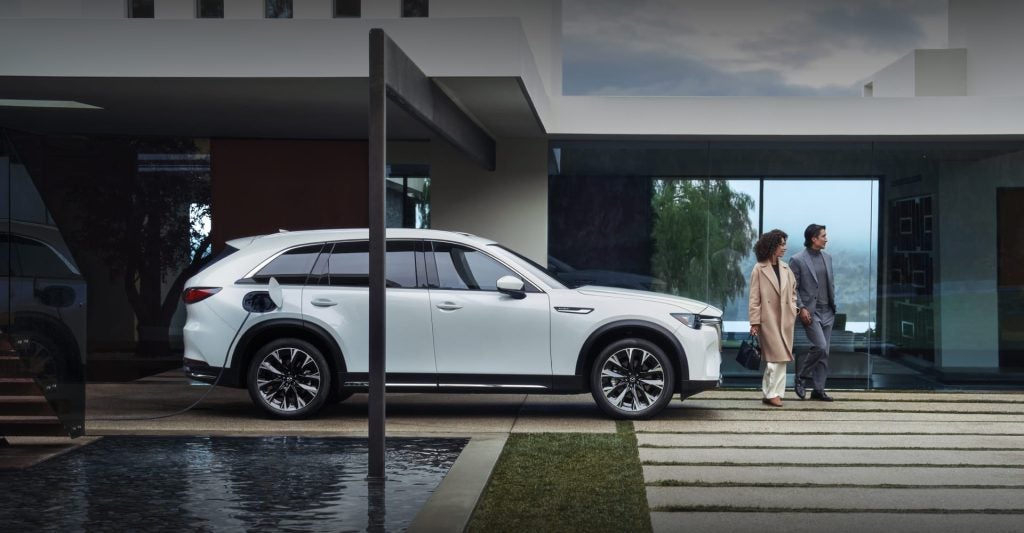
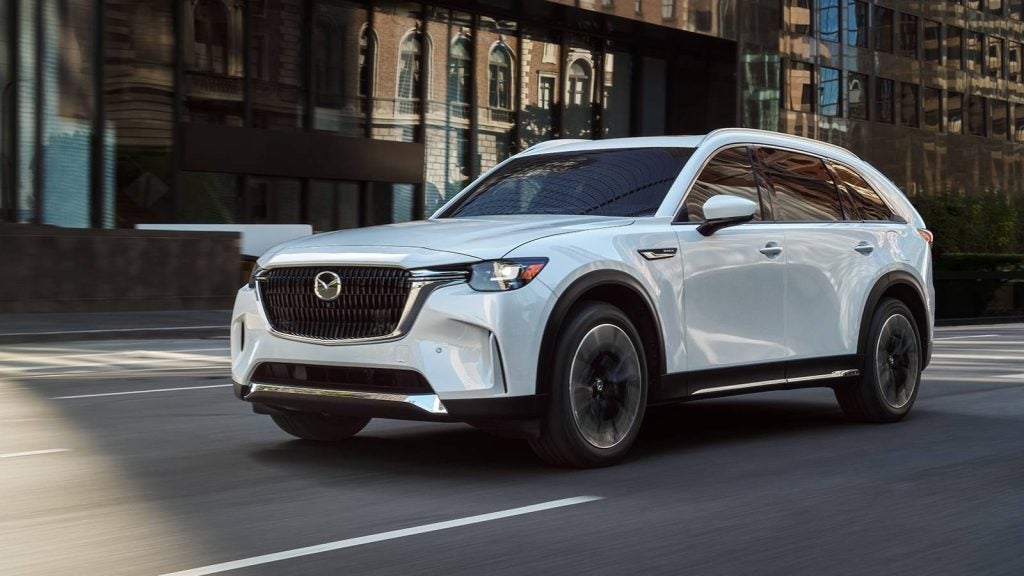
Three-row SUVs are often defined by size alone, but the 2025 Mazda CX-90 is engineered around a different priority: delivering genuine family capability with the refinement, balance, and responsiveness that Mazda is known for. Rather than building the largest possible cabin and compensating later with technology, Mazda starts with a purpose-built platform that integrates powertrain, chassis, and interior design from the outset. For Jacksonville families balancing daily school runs, highway travel, and longer weekend trips, the CX-90 offers a three-row experience that feels intentional, controlled, and premium without excess bulk. Platform Architecture Built for Balance The CX-90 sits on Mazda’s large-vehicle architecture designed to support longitudinal powertrains and rear-biased dynamics. This layout influences everything from ride quality to interior proportions. Key architectural advantages include: A longer wheelbase that improves third-row legroom and ride stability Longitudinal engine placement that supports balanced weight distribution A rigid structure that allows precise suspension tuning Reduced front overhang that improves steering response This foundation helps the CX-90 feel composed on the highway while remaining manageable in everyday driving. True Three-Row Seating Designed for Families The CX-90 is engineered as a true three-row vehicle, not a two-row SUV with an occasional third row. Seating geometry and access are designed to support real passengers across all rows. Three-row design considerations include: Proper seat height in the third row to avoid a knees-up posture Legroom supported by the extended wheelbase Wide rear door openings that improve access Dedicated rear climate vents for passenger comfort For families who regularly use all three rows, these details make a noticeable difference on longer drives. Interior Craftsmanship and Cabin Atmosphere Mazda’s approach to interior design emphasizes calm, clarity, and craftsmanship. The CX-90 cabin reflects this with materials and layouts chosen to reduce fatigue and visual noise. Interior highlights include: Clean horizontal dashboard design that enhances the sense of space Materials selected for texture and durability Seating designed to support posture over long distances Thoughtful storage solutions for family use The result is a cabin that feels refined and welcoming rather than busy. Cargo Flexibility for Real Life Cargo space in the CX-90 is designed around flexibility rather than headline numbers. Mazda focuses on making the space usable with passengers still onboard. Cargo functionality includes: Practical storage behind the third row for daily needs Flat load floor when rear seats are folded Wide rear opening for easier loading Configurations that adapt quickly between people and cargo This allows families to transition easily from daily errands to longer trips without constant rearranging. Powertrain Engineering and Everyday Performance The CX-90 introduces powertrain options designed to deliver smooth, confident performance while maintaining efficiency. Rather than tuning for aggressive acceleration, Mazda prioritizes usable torque and refinement. Powertrain characteristics include: Strong low-end response for easy merging and passing Smooth power delivery that enhances passenger comfort Calibration designed for relaxed highway cruising Efficient operation suited to family driving patterns This makes the CX-90 feel capable without feeling heavy or strained. Driving Dynamics That Reduce Fatigue Large SUVs often feel disconnected, especially during longer drives. Mazda engineers the CX-90 to maintain a sense of control and responsiveness even at its size. Driving dynamics benefits include: Steering tuned for clarity rather than over-assistance Suspension calibration that balances comfort with body control Predictable handling during lane changes and curves Stable braking behavior under load For Jacksonville drivers spending time on highways, this translates to reduced fatigue and greater confidence. Safety Systems Designed Around Awareness The CX-90 incorporates Mazda’s driver assistance systems with a focus on awareness and natural response. Systems are calibrated to support the driver rather than overwhelm them. Safety-focused design priorities include: Clear alerts that prompt driver attention Smooth intervention rather than abrupt correction Integration with chassis behavior for stability Consistent behavior in varied traffic conditions This aligns with Mazda’s human-centric approach to safety engineering. Fuel Efficiency and Practical Ownership Despite its size, the CX-90 is engineered with efficiency in mind. Powertrain choices and vehicle weight management support reasonable fuel use for a three-row SUV. Efficiency considerations include: Power delivery tuned for everyday driving rather than peak output Reduced mechanical strain during cruising Design choices that balance performance and consumption For families, this helps keep long-term ownership practical. Who the CX-90 Is Built For The CX-90 is well suited for families who want: A true three-row SUV with real passenger comfort Premium interior feel without excessive size Confident highway performance Thoughtful design focused on daily use A refined alternative to traditional large SUVs It works especially well for families upgrading from two-row crossovers. What Jacksonville Families Should Evaluate When choosing a three-row SUV, families should evaluate: Third-row comfort for real passengers Ride quality on long trips Ease of access for children and adults Cargo flexibility with seats in use Driving confidence at highway speeds The CX-90 performs strongly in these real-world categories. Final Perspective on the 2025 Mazda CX-90 The 2025 Mazda CX-90 demonstrates that a family-focused three-row SUV does not need to sacrifice refinement or driving confidence. Through balanced architecture, thoughtful interior design, and composed performance, Mazda delivers a vehicle that feels premium in daily use rather than simply large. For Jacksonville families seeking a three-row SUV that blends comfort, control, and craftsmanship, the CX-90 offers a compelling option rooted in Mazda’s philosophy of human-centric engineering.

Mazda Lease Options Explained for Orange Park Drivers Considering CX-5 and CX-30 Models

Leasing a Mazda is often less about chasing a lower monthly payment and more about aligning ownership with how a vehicle is actually used. For Orange Park drivers comparing the Mazda CX-5 and Mazda CX-30, leasing provides a structured way to balance vehicle size, technology access, and long-term value without committing to extended ownership. Understanding how Mazda leases are structured and how each model behaves over time helps clarify which option fits daily life more naturally. This guide explains how Mazda leasing works, how the CX-5 and CX-30 differ from a lease perspective, and what drivers should evaluate before choosing a path. How Mazda Leasing Works A lease is a usage-based ownership agreement. Rather than paying for the full value of the vehicle, the lessee pays for the portion of value expected to be used during the lease term. Key components of a Mazda lease include: Capitalized cost, which reflects the agreed vehicle price Residual value, the projected value at lease end Lease term length, commonly 24 to 36 months Mileage allowance based on expected annual driving Financing factor that accounts for the cost of borrowing Monthly payments are driven primarily by depreciation rather than the full vehicle cost. Why Residual Value Matters Residual value plays a central role in determining lease efficiency. Vehicles that retain value well over time typically lease more favorably. From a residual perspective: CX-30 benefits from strong demand in the compact crossover segment Smaller size and efficiency support broad resale appeal CX-5 retains value through its reputation for versatility and reliability Slightly higher depreciation reflects its larger size and expanded capability Both models hold value well, but their different roles influence lease structure. Size and Engineering Differences That Affect Leasing Engineering choices influence wear, efficiency, and long-term value, all of which factor into leasing assumptions. Key differences include: CX-30 lighter weight supports efficiency and reduced component strain CX-5 larger chassis supports increased passenger and cargo capacity CX-5 suspension and braking systems are sized for added mass CX-30 favors agility and urban maneuverability For drivers primarily commuting or navigating tighter spaces, the CX-30 often feels well matched to leasing. Drivers with family or cargo needs may find the CX-5’s added size worth the tradeoff. Mileage Planning for Orange Park Driving Mileage allowances are a critical lease decision. Choosing the correct allowance upfront helps avoid end-of-lease charges. Typical mileage options include: 10,000 miles per year 12,000 miles per year 15,000 miles per year CX-30 lessees often select moderate mileage allowances due to commuter-focused use. CX-5 lessees may require higher mileage if the vehicle supports family travel or longer trips. Leasing as a Way to Stay Current With Technology Mazda vehicles integrate evolving technology across safety, infotainment, and driver assistance systems. Leasing allows drivers to experience these updates without long-term commitment. Technology-related leasing benefits include: Access to newer safety and connectivity features Ownership aligned with warranty coverage Flexibility to upgrade as systems evolve Reduced concern over long-term technology aging This approach suits drivers who value current features and predictable ownership cycles. Lease Versus Finance for CX-5 and CX-30 Drivers Leasing and financing serve different priorities. Leasing may be well suited for drivers who: Prefer predictable monthly expenses Drive within defined mileage limits Enjoy changing vehicles every few years Want consistent warranty coverage Financing may appeal to drivers who: Plan to keep the vehicle long term Drive higher annual mileage Want to eliminate payments eventually Value long-term ownership flexibility The CX-30 often aligns naturally with leasing due to its efficient footprint. The CX-5 may appeal to drivers who intend to keep the vehicle longer to fully utilize its versatility. Driving Experience and Lease Considerations Mazda’s emphasis on balance and smoothness supports leasing assumptions by promoting consistent vehicle condition over time. Engineering traits that support lease performance include: Predictable handling that reduces uneven tire wear Smooth power delivery that limits drivetrain stress Suspension tuning designed for stability and comfort Braking systems calibrated for controlled deceleration These qualities help preserve vehicle condition throughout the lease term. Choosing Between CX-5 and CX-30 for Leasing When deciding which model to lease, drivers should evaluate: Daily commute length and traffic patterns Passenger and cargo requirements Parking and maneuverability preferences Expected annual mileage Desire for compact efficiency versus added versatility Matching the vehicle to real-world use is more important than choosing the larger option by default. Why Mazda Leasing Appeals to Value-Focused Drivers Mazda leasing reflects the brand’s value-driven approach to ownership. Lease structures emphasize reliability, balanced depreciation, and usability rather than short-term incentives. This appeals to drivers who want: Clear cost expectations Thoughtful ownership planning Vehicles designed for long-term confidence Leasing becomes a practical ownership strategy rather than a temporary solution. Final Perspective on Mazda Lease Options Leasing a Mazda CX-5 or CX-30 allows Orange Park drivers to align vehicle size, technology, and usage with predictable ownership. The CX-30 offers an efficient, agile leasing option ideal for daily commuting and urban driving. The CX-5 provides added space and flexibility that may justify its larger footprint for drivers with broader needs. By understanding how leasing works and how each model fits different lifestyles, drivers can choose a Mazda lease path that supports both confidence and practicality throughout the ownership cycle.

Why the 2025 Mazda CX-30 Stands Out Among Jacksonville’s Compact SUVs

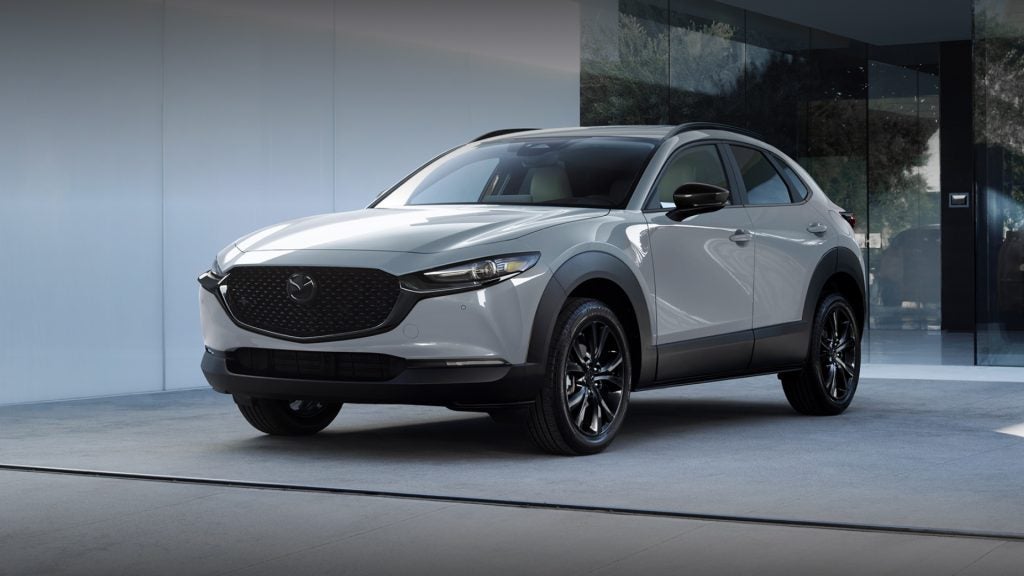
The compact SUV segment is crowded with vehicles that promise versatility but often feel oversized, numb, or disconnected in everyday driving. The 2025 Mazda CX-30 stands apart by occupying a deliberate middle ground. It is engineered to combine the efficiency and control of a compact car with the elevated confidence and flexibility drivers expect from an SUV. For Jacksonville drivers navigating tight parking areas, highway traffic, and changing weather conditions, this balance matters more than raw size. Mazda approaches the CX-30 as a thoughtfully designed crossover rather than a scaled-down SUV, and that distinction defines how it performs and feels in daily use. Where the CX-30 Fits in the Compact SUV Landscape The CX-30 sits between a traditional compact sedan and a full compact SUV. This positioning allows Mazda to deliver a vehicle that feels substantial without becoming bulky. Key positioning characteristics include: A slightly elevated ride height for improved road visibility Compact exterior dimensions that support easy maneuvering A footprint that feels approachable for urban and suburban driving Proportions designed to prioritize balance rather than maximum volume For drivers who find larger compact SUVs cumbersome but want more presence than a sedan, the CX-30 fills a unique role. Design Philosophy and Exterior Proportions Mazda’s design language emphasizes motion and balance even when the vehicle is stationary. The CX-30 reflects this philosophy through smooth body surfaces and restrained detailing. Design benefits include: Clean exterior lines that reduce visual bulk A sculpted profile that improves aerodynamic efficiency Short overhangs that enhance maneuverability A stance that feels planted rather than tall This approach contributes to both aesthetics and real-world drivability. Interior Craftsmanship and Cabin Experience Inside the CX-30, Mazda focuses on craftsmanship rather than screen dominance. Materials and layout are chosen to create a calm, driver-focused environment. Interior highlights include: A cockpit-style layout that keeps controls within easy reach High-quality materials chosen for tactile feel and durability Minimalist design that reduces visual clutter Supportive seating designed for longer drives The result is a cabin that feels considered and premium without being distracting. Driving Dynamics and Everyday Control Mazda engineers vehicles to respond naturally to driver input. The CX-30 benefits from this philosophy through careful chassis tuning and steering calibration. Driving dynamics advantages include: Predictable handling that inspires confidence Steering tuned for clarity rather than exaggerated response Suspension designed to absorb road imperfections without feeling soft Stable behavior during highway cruising and lane changes For Jacksonville drivers dealing with mixed road conditions, this balance enhances comfort and control. Size and Maneuverability in Urban Driving One of the CX-30’s greatest strengths is its manageability. Compact dimensions reduce stress in everyday situations. Urban driving benefits include: Easier parking in tight spaces Confident navigation through congested areas Reduced turning radius compared to larger SUVs Better visibility when entering traffic or merging This makes the CX-30 particularly well suited for drivers who split time between city streets and highways. Cargo Space and Practical Use While the CX-30 does not chase maximum cargo numbers, its space is designed for real-world use rather than marketing claims. Cargo considerations include: A rear cargo area that accommodates daily errands and travel needs A wide hatch opening for easier loading Rear seats that fold to support longer items A layout that prioritizes usability over raw volume For most drivers, this balance provides sufficient flexibility without excess size. Efficiency and Powertrain Balance The CX-30 is engineered to deliver responsive performance while maintaining efficiency. Powertrain tuning focuses on smooth, usable output rather than aggressive acceleration. Powertrain benefits include: Responsive throttle behavior in city driving Confident acceleration for highway merging Engine tuning that prioritizes refinement Efficiency that supports daily commuting This makes the CX-30 easy to live with while still feeling capable. Comfort for Longer Drives Despite its compact size, the CX-30 is designed for comfort beyond short trips. Long-drive comfort features include: Seats that support posture during extended travel A quiet cabin that minimizes road and wind noise Suspension tuning that reduces fatigue Intuitive control placement that reduces distraction These qualities are especially valuable for drivers who frequently travel beyond city limits. Who the CX-30 Is Best Suited For The CX-30 appeals to drivers who want: A crossover that feels nimble and controlled Premium design without excessive size A calm, driver-focused interior Confidence in varied driving conditions A step up from a sedan without committing to a larger SUV It is particularly well suited for drivers downsizing from larger vehicles or upgrading from a sedan. What Jacksonville Shoppers Should Evaluate When comparing compact SUVs, shoppers should consider: How the vehicle feels in daily driving Ease of parking and maneuverability Interior comfort and design quality Balance between size and usability Long-term comfort rather than maximum capacity The CX-30 excels when evaluated through these real-world lenses. Final Perspective on the 2025 Mazda CX-30 The 2025 Mazda CX-30 stands out by refusing to chase extremes. Instead of prioritizing size or flashy features, Mazda delivers a crossover that feels intentional, balanced, and refined. Its blend of compact dimensions, thoughtful design, and confident driving dynamics makes it a compelling choice in a segment often defined by compromise. For Jacksonville drivers seeking a compact SUV that feels composed, premium, and genuinely enjoyable to drive every day, the Mazda CX-30 offers a standout alternative rooted in Mazda’s human-centric design philosophy.

How Mazda’s i-Activsense Brings Confidence to Every Drive in Orange Park

Mazda approaches safety as an extension of how a vehicle should feel to drive. Rather than layering automation on top of the driving experience, Mazda designs safety systems to work quietly in support of driver awareness, balance, and control. i-Activsense represents this philosophy in practice. It is not a single feature, but a coordinated suite of technologies engineered to help drivers recognize potential hazards earlier and respond more naturally. For Orange Park drivers navigating suburban traffic, highway corridors, sudden rainstorms, and everyday commuting, understanding how i-Activsense works explains why Mazda vehicles feel reassuring without feeling overbearing. What Mazda i-Activsense Really Is i-Activsense is Mazda’s umbrella term for its active safety and driver assistance technologies. These systems are designed to complement human perception rather than replace it. Core elements of i-Activsense include: Forward facing cameras that monitor vehicles pedestrians and lane markings Radar sensors that track distance and relative speed Vehicle control modules that analyze movement and driver input Brake steering and powertrain interfaces that allow measured intervention Instead of reacting only when a situation becomes critical, i-Activsense systems operate continuously to support situational awareness. A Human-Centric Safety Philosophy Mazda designs safety systems around the idea that drivers should remain engaged and informed. Alerts and interventions are calibrated to feel intuitive rather than abrupt. This philosophy prioritizes: Early awareness over last second intervention Smooth responses instead of aggressive corrections Clear communication rather than constant warnings Driver confidence rather than dependence on automation As a result, i-Activsense systems feel like a natural extension of the vehicle rather than a separate layer of technology. Smart Brake Support and Collision Mitigation Mazda Smart Brake Support is designed to help reduce the severity of frontal collisions or avoid them altogether when possible. The system monitors the road ahead and provides escalating alerts as risk increases. Key characteristics include: Visual and audible warnings that prompt driver action Brake assistance when the driver begins braking Automatic braking if the driver does not respond in time Smooth braking application designed to maintain vehicle stability This graduated approach allows drivers to remain in control while receiving timely support. Blind Spot Monitoring and Rear Cross Traffic Awareness Blind spot monitoring addresses one of the most common real world driving challenges: detecting vehicles approaching from adjacent lanes. Mazda’s approach includes: Radar sensors that track vehicles alongside and behind Visual alerts positioned where drivers naturally look Rear cross traffic monitoring when reversing Alerts calibrated to reduce unnecessary warnings in dense traffic For Orange Park drivers dealing with busy parking lots and multi lane roads, these systems enhance awareness without distraction. Lane Departure and Lane Keeping Support Mazda lane related safety systems are designed to guide rather than force. Cameras monitor lane markings and evaluate steering input to determine when assistance is appropriate. Lane support features include: Lane departure warnings when unintentional drifting is detected Gentle steering assistance to guide the vehicle back into the lane System behavior that respects intentional lane changes Calibration that prioritizes subtle corrections This approach supports alert driving rather than replacing it. Adaptive Cruise Control and Traffic Flow Support Adaptive cruise control helps maintain a set distance from vehicles ahead while adjusting speed smoothly. Mazda tunes this system to reflect natural driving behavior rather than abrupt acceleration or braking. System benefits include: Gradual speed adjustments that reduce driver fatigue Consistent following distance in varying traffic Smooth operation in stop and go conditions Integration with other safety systems for stability This is particularly useful for drivers spending extended time on highways or in congested areas. How Chassis Engineering Enhances Safety Behavior Mazda’s safety systems work in harmony with the vehicle’s chassis and suspension tuning. Predictable vehicle behavior allows electronic systems to operate smoothly and effectively. Chassis related contributions include: Balanced weight distribution that supports stable braking Suspension tuning that maintains tire contact with the road Steering feedback that keeps the driver informed Predictable responses during corrective maneuvers Because the vehicle itself behaves consistently, safety interventions can remain subtle. i-Activsense in Wet and Changing Conditions Florida weather can change quickly. Sudden rain and slick roads place additional demands on both driver and vehicle. i-Activsense supports wet weather driving by: Monitoring traction changes through sensor input Supporting controlled braking and acceleration Enhancing awareness when visibility is reduced Helping maintain stability during unexpected situations This is where predictive safety design becomes most noticeable. Standardization and Accessibility Across Mazda Models Mazda emphasizes making safety technology widely available rather than reserving it for top trims. Many i-Activsense features are standard or broadly accessible across Mazda sedans and SUVs. This approach reflects Mazda’s belief that safety should be inherent, not optional. What Drivers Should Evaluate When Considering Safety Technology When evaluating safety systems, shoppers should look beyond feature lists. Important considerations include: How naturally alerts are delivered Whether interventions feel smooth or abrupt How well systems integrate with vehicle handling Whether the technology supports confidence rather than distraction i-Activsense is designed to score well in real world use rather than on paper alone. Final Perspective on Mazda i-Activsense Mazda’s i-Activsense demonstrates how safety technology can enhance driving without diminishing it. By focusing on awareness, predictability, and subtle support, Mazda creates systems that help drivers feel more confident in everyday situations. For Orange Park drivers who value intuitive control and reassurance rather than heavy handed automation, i-Activsense delivers safety engineering that feels thoughtful, balanced, and aligned with how people actually drive.

2025 Mazda CX-5

Why the 2025 Mazda CX-5 Is a Smart Pick for Families

When you're juggling school drop-offs, weekend errands, and road trips, your SUV needs to do more than just get you from point A to B. The 2025 Mazda CX-5, available now at Mazda City of Orange Park, checks all the boxes for modern families—blending thoughtful design, advanced safety, and flexible space with a driving experience that parents actually enjoy. Comfort That Keeps Everyone Happy Inside the CX-5, you'll find a cabin designed to keep both driver and passengers comfortable and connected: Seats up to five with generous legroom and reclining rear seats Dual-zone climate control and acoustic glass for a quiet, peaceful ride 10.25" full-color display with Apple CarPlay™ and Android Auto™ for easy navigation and entertainment Available Caturra Brown Nappa leather and Bose® 10-speaker audio system for a premium feel on longer drives Whether you're commuting across Jacksonville or heading out of town, the CX-5 makes every trip feel a little more relaxing. Cargo Space That Adapts to Your Life more From soccer gear to grocery hauls, the CX-5’s cargo area is built for flexibility: 30.9 cu. ft. of cargo space behind the rear seats 59.3 cu. ft. with rear seats folded flat Programmable power liftgate for easy loading and unloading Need to haul a stroller, cooler, or folding chairs? No problem. The CX-5 adapts to your day without missing a beat. Safety That Gives Parents Peace of Mind Mazda’s i-Activsense® safety suite comes standard on every 2025 CX-5, helping you protect what matters most: Radar Cruise Control with Stop & Go Smart Brake Support Lane-Keep Assist Blind Spot Monitoring Rear Cross Traffic Alert Plus, available features like Traffic Jam Assist and a 360° View Monitor make navigating busy school zones and parking lots easier than ever. The CX-5 is also an IIHS Top Safety Pick+, giving families added confidence on the road. All-Wheel Drive and Fuel Efficiency for Everyday Driving Every 2025 CX-5 comes with standard i-Activ AWD®, which monitors road conditions and adjusts torque for better grip—perfect for Florida’s rainy days. You can choose between: A 2.5L 4-cylinder engine with 187 hp and up to 30 mpg highway A turbocharged 2.5L engine with up to 250 hp for extra punch when merging or passing Both options offer smooth handling and fuel efficiency that helps keep your budget in check. Test Drive the CX-5 at Mazda City of Orange Park Families in Jacksonville looking for a compact SUV that’s safe, stylish, and spacious will find everything they need in the 2025 Mazda CX-5. Visit Mazda City of Orange Park at 6916 Blanding Blvd or explore our CX-5 inventory online to get started.

Check Engine light

What Can an Illuminated Check Engine Light in your Mazda mean?

The check engine light can seem very mysterious. Unlike most dash lights, it doesn't appear to represent an easily identifiable warning. The engine light illuminates in response to any issue that affects your engine, and here are a few examples of what an illuminated engine light could represent. Blocked Catalytic Converter Combustion produces a range of dangerous and toxic gases like carbon monoxide and hydrogen sulfide. These gases are dumped into the exhaust system and pass into the catalytic converter. The converter uses a combination of extreme pressure, great heat, and chemical reactions to convert dangerous gases into harmless ones. Carbon is a byproduct of the conversion process, and it can build up in your engine over time. This carbon deposit can block the exit from the converter, which forces the gases back into the engine. The gases increase pressure in the engine and can cause it to shut down. Sensors in the converter will identify the problem with the converter, and the engine light will come on. We can fix this issue by clearing the blockage and the converter will work normally again. Damaged Oxygen Sensor more All essential systems in your Mazda have sensors. These sensors receive instructions from your computer and relay information back to the computer. This information allows the computer to make numerous decisions that enable your Mazda to work effectively. Oxygen sensors monitor the level of air in your engine. Your engine requires vast amounts of air, as it is essential for combustion. If an oxygen sensor is damaged, it won't report the correct percentage of air in your engine. Without this information, your computer has to guess. If the computer guesses wrongly, the lack of air will turn your engine fuel-rich. The lack of air will cause misfiring, stalling, and damage to the spark plugs. The engine light will illuminate to warn this is happening. We can easily replace a damaged sensor and your engine will work efficiently again. Damaged Spark Plugs A spark plug is connected to each engine cylinder. When a cylinder closes, the piston rises at speed, compressing the fuel-air mixture and forcing it to the top of the cylinder. Once the mixture is sufficiently compressed, it is ignited by the spark plug to create combustion in the cylinder. Spark plugs wear out over time, and a damaged plug won't ignite the fuel-air mixture correctly. This causes a misfire, and you'll experience a temporary drop in engine power if it happens. Sensors will identify the misfire, and the engine light will turn on. Our technicians will replace damaged plugs to solve this problem. If you have an illuminated engine light, contact us ASAP at Mazda City of Orange Park in Jacksonville, FL, and our Mazda-trained technicians will repair the problem.

2025 Mazda CX-50 Hybrid

The 2025 Mazda CX-50 Hybrid Combines Ruggedness With Efficiency

Mazda is widely known for producing vehicles with an excellent blend of strong road performance and utility. The 2025 Mazda CX-50 Hybrid takes it to the next level, adding sheer efficiency to the mix. Find out more about this efficient SUV and visit Mazda City of Orange Park for a test drive. Confident Performance Thanks to its 2.5-liter naturally aspirated four-cylinder engine, the CX-50 boasts 219 horsepower and 163 lb-ft of torque between 3,200 and 5,600 RPM. This engine is combined with electric motors and a hybrid EV battery pack to ensure sporty, efficient performance. The engine and motors work together with an electronically controlled continuously variable automatic transmission (e-CVT). This transmission carefully tailors responsiveness for smooth shifts as you accelerate. e-AWD System An electronic all-wheel-drive system (e-AWD) is standard on the Mazda CX-50. The hybrid motors drive the front and back wheels separately. This powertrain redirects power when necessary to provide maximum traction for optimized control. more Drive Modes You can customize and optimize your drive by using Mazda's Intelligent Drive Select (Mi-Drive) mode. With different drive modes available, like Power Mode and Trail Mode, you can alter the performance of the vehicle to match your needs. Get increased acceleration response or better traction on difficult terrain. Impressive Efficiency The Mazda CX-50 Hybrid is efficient as well as powerful. With a 38 MPG combined EPA rating, this SUV allows you to make big savings on running costs. It gets 39 MPG in the city, so your daily commute or trip to pick up the kids from school won't break the bank. Luxury and Technology Life is too short not to enjoy a little luxury every now and then. The Mazda CX-50 allows you to kick back and relax, with its available leather seats with detailed stitching. You can also add the available Bose audio system and panoramic moonroof for extra comfort and convenience. Technology is at your side too, with Alexa built-in as standard. You'll also get a range of helpful safety features like lane departure warning and automated emergency braking. Excellent Utility This SUV offers plenty of cargo volume, so you can pack your bags and head for a long trip with the family. There's 56 cubic feet of space behind the front row and 29 cubic feet behind the second row. Looking for easier access for loading and unloading? The available rear power liftgate can rise with the touch of a button. It's programmable too, so you can adjust how high it rises. For added convenience, you can add available crossbars for the roof attachment, allowing you to carry more. Want to try the CX-50 for yourself? At our dealership, you can find a wide variety of new and pre-owned Mazdas. Come on down to Mazda City of Orange Park in Jacksonville, FL today for a great deal on a reliable vehicle.

Brake pad and rotor inspection by an experience service tech

Signs You Need a Brake Service at Your Mazda Dealer

​​​​​​​​​​​​​​​​​​​​​​​​​​​​​​​​​​​​Healthy brakes are essential for safe driving as they allow you to control your speed. As time passes, components will become worn or damaged, and this causes brake problems. As your Orange Park Mazda dealer, we can fix any possible brake problem. These are a few signs you need to visit us for a brake service. Soft Brakes When you step on the brake pedal, you'll feel resistance. This resistance increases as you apply more pressure to the pedal, and its caused by pressurized brake fluid in the braking system. Brake fluid provides the hydraulic power that enables your brakes to work, and a brake pedal that provides almost no resistance is a sign that something is wrong in the braking system. The two main causes for this problem are a brake fluid leak or a blockage in the brake hose. Brake fluid is pressurized, so a small hole in a hose or brake line can cause a serious loss of fluid very quickly. An air bubble or other blockage in the system prevents the fluid from moving and reduces the pressure. We'll examine your brakes and repair the problem. Vibrations Through the Pedal If you hit the brakes and feel vibrations or a pulsing sensation, one or more of your rotors are likely uneven. The rotors are smooth metal disks positioned behind your tires. When you apply the brakes, the calipers positioned above the rotors clamp against them and generate friction, bringing your Mazda to a stop. more Braking generates heat, and this can loosen some of the friction material covering the brake pads. The material will stick to the rotors, and over time, more of it will build up on the rotor and create an uneven surface. When a caliper grabs the uneven surface, you'll feel vibrations. Our technicians will examine your rotors and resurface them to fix this problem. Leaking Fluid As we saw above, brake fluid is essential for your braking system to work. Time, worn components, and pressure in the system will cause wear and tear, and fluid can leak out. As fluid is lost, your brakes will become less responsive, and your braking distance will increase. It's difficult to spot a fluid leak, as brake fluid isn't brightly colored and looks similar to cooking oil. Fluid can leak from several places, including worn rubber hoses, rusted metal brake likes, and damage to the brake master cylinder. We'll examine the system and identify the source of the leak. Once we find the leak, we'll repair or replace the damaged components and refill the brake fluid. If you're experiencing any issues with your brakes, contact our service department at Mazda City of Orange Park in Jacksonville, FL.

2025 Mazda CX-70

How Does the 2025 Mazda CX-70 Serve Buyers Looking for Space Without Going Full-Size?

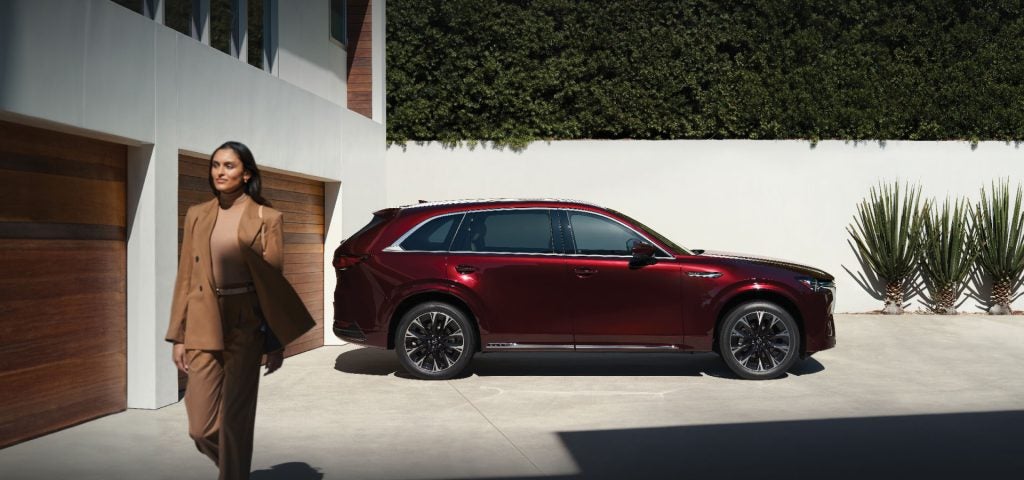
The CX-70 is a five-passenger model with a second-row bench seat that folds with a 40/60 split. The split-folding capability of the rear seat gives you the option of folding one or both sides down to customize the cabin cargo space. You can keep 40 or 60% of the rear seat upright to seat one or two passengers while still having enough room for large pass-through cargo. The CX-70 has a dedicated cargo volume of 39.6 cubic feet with all seats upright, which means the cargo area can easily accommodate three or more large suitcases without reducing the SUV's seating capacity. If you need extra space for camping gear or moving boxes, folding down both sides of the rear bench seat extends the cargo volume to 75.3 cubic feet. The total passenger volume of this model is 141.6 cubic feet. Key Comfort Features The cabin has a four-way power-adjustable passenger's seat with an eight-way power-adjustable driver's seat on models like the 3.3 Turbo Premium. Leather-trimmed seat upholstery is standard for all seats, along with three-stage heated front seats to maximize comfort in chilly weather. The second-row bench seat can fold with an electronic release by pressing a button in the cargo area. This model has standard carpet floor mats for easy clean-up, a leather-wrapped steering wheel, and a leather-wrapped shift knob. Retractable window shades in the second row give riders added privacy and sun protection. On models like the 3.3 Turbo Premium Plus, three-stage ventilated front seats, heated second-row seats, and a heated steering wheel are standard. more Key Cargo Features The cabin has additional cargo spaces to stay organized, like a front center armrest that doubles as a console with storage, an overhead console with a dedicated sunglasses holder, and a cargo area with standard storage boxes to keep items in place. The cargo area also features an underfloor storage area. Key Connectivity Features The CX-70 has a 12.3-inch Mazda Connect infotainment system that interacts with voice commands for hands-free controls over audio settings, playlist selection, and more. Along with a three-year trial for Mazda Connected Services, this infotainment system comes with integrated Pandora internet radio, a mobile 911 emergency notification system, and hands-free SMS text messaging. Wireless integration for smartphones, Alexa Built-in, and HD Radio are also standard. The CX-70 is a mid-size model with full-size cargo flexibility that can adapt to your day-to-day needs, from hauling groceries to toting recreational gear. Learn about finance deals at Mazda City of Orange Park in Jacksonville, FL.

Contact Us

Fill out this form below and we'll contact you shortly
*Required Fields