Blog

All Mazda City of Orange Park Jacksonville Mazda Dealer Jacksonville Mazda Service Mazda City of Orange Park Service Things To Do In Jacksonville Jacksonville Amenities Jacksonville Entertainment Jacksonville Used Cars Jacksonville Eateries Tom Bush Family of Dealerships Jacksonville Restaurants Jacksonville Parks Jacksonville Landmarks Mazda City of Orange Park Collision Center Mazda SUVs Collision Center in Jacksonville Jacksonville Art Jacksonville Fitness Orange Park Florida Mazda Dealer Orange Park Florida Mazda Service Holidays in Jacksonville Shopping in Jacksonville Weekend Getaways Auto Insurance Family Fun in Jacksonville Jacksonville Thrifting Orange Park Mazda Service Road Trips Small Town Fun Things To Do Near Jacksonville

2026 Mazda CX 50 Hybrid Vs CX 30 Which SUV Fits Your Driving Needs

Every Mazda is designed to feel connected, where motion, balance, and intention come together in a way that feels natural behind the wheel. When comparing the Mazda CX 50 Hybrid and the Mazda CX 30, the decision is not just about size or fuel economy. It is about how different systems shape the way the vehicle responds to your daily routine. Many drivers are trying to understand whether a hybrid system changes the experience in a meaningful way and how that compares to a traditional gas powered SUV. The answer comes from how each vehicle is engineered to support different types of driving and different expectations over time. How Hybrid And Gas Powertrains Actually Work In Mazda SUVs Many drivers ask what the real difference is between the Mazda CX 50 Hybrid and the Mazda CX 30, especially when it comes to how each vehicle produces power. A hybrid powertrain combines a gasoline engine with an electric motor, allowing the system to distribute energy based on driving conditions. In the Mazda CX 50 Hybrid, the system shifts between electric power and gasoline power depending on speed, load, and driving behavior. At lower speeds or during light acceleration, the electric motor can assist or operate independently, reducing fuel consumption. As demand increases, the gasoline engine engages to provide sustained power. In the Mazda CX 30, the system relies entirely on a gasoline engine. Power is generated through combustion, which delivers a consistent and direct response across a wide range of driving conditions. Hybrid systems use electric assistance to reduce fuel use during low demand driving Gas systems rely on continuous engine output for predictable performance Energy distribution in a hybrid changes dynamically based on real time conditions This difference matters because it changes how the vehicle behaves throughout a drive. The CX 50 Hybrid adapts its power delivery moment by moment, while the CX 30 maintains a more consistent and linear response. Mazda CX 50 Hybrid Vs CX 30 Size And Space Differences Another common question is whether the Mazda CX 50 Hybrid is larger than the Mazda CX 30 and how that affects daily use. The CX 50 Hybrid is built on a larger platform, which provides more interior space and cargo capacity compared to the more compact CX 30. In the Mazda CX 30, the design focuses on agility and efficiency. The smaller footprint makes it easier to navigate tight spaces, park in urban environments, and maintain a sense of control in everyday driving. The Mazda CX 50 Hybrid introduces a wider stance and longer body, which changes how space is used inside the vehicle. Larger dimensions allow for more rear passenger space and cargo flexibility A wider body creates a more stable feel on the road Smaller dimensions support easier maneuverability in confined spaces The difference is not just about size. It is about how that size translates into daily movement, whether that involves navigating city streets or carrying larger items. How Fuel Efficiency Changes Between Hybrid And Gas Models Drivers often want to know which Mazda SUV is better for fuel economy and whether the difference is noticeable in everyday driving. Fuel efficiency in a hybrid system is influenced by how often the vehicle can rely on electric power rather than gasoline. In the Mazda CX 50 Hybrid, efficiency improves in conditions where the electric motor can assist frequently, such as stop and go traffic or lower speed driving. The system reduces fuel consumption by limiting how often the gasoline engine is used. In the Mazda CX 30, fuel efficiency depends entirely on how efficiently the gasoline engine operates. While it is engineered for balance and reliability, it does not have the ability to offset fuel use with electric power. Hybrid systems are more efficient in city driving and frequent stops Gas systems provide consistent efficiency across different driving conditions Real world efficiency depends on driving habits and environment This means the difference in fuel economy becomes more noticeable in certain situations rather than all driving conditions. How Driving Experience Differs Between CX 50 Hybrid And CX 30 Beyond specifications, many drivers are trying to understand how each vehicle actually feels to drive. The driving experience is shaped by how the powertrain, size, and weight interact with the road. In the Mazda CX 30, the lighter and more compact design creates a responsive and direct feel. Steering input translates quickly into movement, and the vehicle maintains a sense of agility that suits urban and everyday driving. The Mazda CX 50 Hybrid introduces a different dynamic. The added weight of the hybrid system and the larger platform create a more grounded and stable feel, especially at higher speeds or on longer drives. Compact size supports quick response and maneuverability Larger platform provides stability and a more planted driving feel Hybrid systems can create smoother transitions during low speed driving These differences shape how each vehicle fits into different types of driving environments. How To Choose Based On Your Driving Needs And Routine Choosing between the Mazda CX 50 Hybrid and the Mazda CX 30 comes down to how you move through your daily life. The decision is not about which vehicle is better overall, but which one aligns with your driving patterns and priorities. If your routine involves frequent city driving, stop and go traffic, and a focus on fuel efficiency, the Mazda CX 50 Hybrid offers advantages through its ability to reduce fuel use in those conditions. If your driving is more focused on simplicity, maneuverability, and a consistent driving feel, the Mazda CX 30 provides a straightforward and responsive experience. Consider how often you drive in city conditions versus open roads Think about how much space you need for passengers and cargo Evaluate whether fuel efficiency or simplicity matters more in your routine When these factors are clear, the choice becomes less about comparing features and more about selecting the vehicle that feels aligned with how you drive every day.

How To Set Up Mazda Connect And The MyMazda App After Delivery

Every Mazda is designed to feel natural from the moment you begin driving. That same sense of connection extends beyond the road through Mazda Connect and the MyMazda app. For many drivers, the uncertainty comes after delivery, when the vehicle introduces new layers of connectivity that are not immediately familiar. Setting up these systems is not just about activating features. It is about creating a seamless relationship between your vehicle, your phone, and your daily routine. When these systems are properly connected, they begin to support how you move, communicate, and interact with your vehicle over time. How Mazda Connect And MyMazda Work Together As One System Many drivers ask what the MyMazda app is actually used for and how it connects to the vehicle. The MyMazda app is a mobile extension of the Mazda Connect system, allowing communication between your vehicle and your phone through a connected platform. In vehicles like the Mazda CX 5, Mazda Connect operates as the central interface inside the vehicle. It manages navigation, communication, media, and system settings. The MyMazda app extends that functionality beyond the vehicle, allowing certain features to be accessed remotely. This connection works through a data link between the vehicle and Mazda’s connected services platform. The vehicle sends and receives information, which is then accessible through the app. more Mazda Connect manages in vehicle interaction through the center display and control system The MyMazda app connects to the vehicle remotely through secure data communication Both systems rely on synchronization between vehicle software and mobile access When these systems are connected, the vehicle becomes part of a larger ecosystem. For a driver, this means access to information and control is no longer limited to when you are sitting inside the vehicle. How To Set Up Mazda Connect After Delivery A common question after taking delivery is how to set up Mazda Connect and ensure everything is working correctly. Setting up Mazda Connect involves configuring the system so it recognizes your preferences, your phone, and your driving habits. In a vehicle like the Mazda CX 50, the setup process begins the first time the system is powered on. The interface guides you through initial configuration, including language, display preferences, and connectivity options. The most important part of setup is linking your phone and enabling connected services. Create or log into your MyMazda account Pair your phone with the vehicle system Enable connected services within the system settings Confirm that the app and vehicle are communicating properly Each of these steps establishes a layer of connection. Skipping any part of this process can limit how the system functions. For drivers, completing setup ensures that features are not just available, but fully usable in everyday situations. How Bluetooth Pairing Connects Your Phone To The Vehicle Drivers often want to know how Bluetooth pairing actually works when connecting a phone to a Mazda. Bluetooth pairing creates a wireless connection between your phone and the vehicle’s infotainment system, allowing data to be shared without physical cables. In vehicles like the Mazda CX 30, Bluetooth functions as a communication bridge. Once paired, the system can access contacts, call functions, and media stored on the phone. The pairing process establishes a secure link that allows both devices to recognize each other automatically after the initial connection. The vehicle searches for nearby devices and initiates a connection request The phone confirms the connection through a matching code Once paired, the system stores the device for automatic reconnection This connection allows hands free calling, audio streaming, and integration with other connected features. For drivers, Bluetooth pairing is one of the most immediate ways the vehicle begins to feel personalized, as it brings familiar communication and media into the driving experience. What The MyMazda App Actually Does In Daily Use After setup, many drivers still question what the MyMazda app actually does in everyday situations. The app provides remote access to certain vehicle functions and information, extending control beyond the physical vehicle. In a vehicle like the Mazda CX 90, the app allows drivers to interact with the vehicle even when they are not nearby. Remote start allows the vehicle to be started from a distance Vehicle status updates provide information such as fuel level and maintenance needs Service scheduling connects drivers with dealership support Notifications alert drivers to important updates or system conditions These features are designed to simplify ownership rather than add complexity. For drivers, the app becomes a tool that supports convenience, awareness, and planning. It reduces the need to rely solely on memory or physical interaction with the vehicle. How Connected Features Improve Ownership Over Time Over time, the value of Mazda Connect and the MyMazda app becomes more apparent through consistent use. Many drivers initially see these systems as optional, but they gradually become part of how the vehicle is experienced. In the broader Mazda ecosystem, connectivity is designed to support the relationship between driver and vehicle. It allows information to flow more easily and reduces friction in everyday interactions. Remote access reduces the need for physical interaction with the vehicle Integrated communication keeps drivers connected while maintaining focus on the road System awareness helps drivers stay informed about vehicle condition These benefits are not always immediate, but they build over time. For drivers, this means the vehicle becomes more responsive to their needs. It is not just reacting to inputs. It is supporting routines, simplifying tasks, and maintaining a consistent connection that extends beyond the drive itself.

How Mazda Service Appointments Work; Recalls, Diagnostic Fees and Warranty Coverage Explained

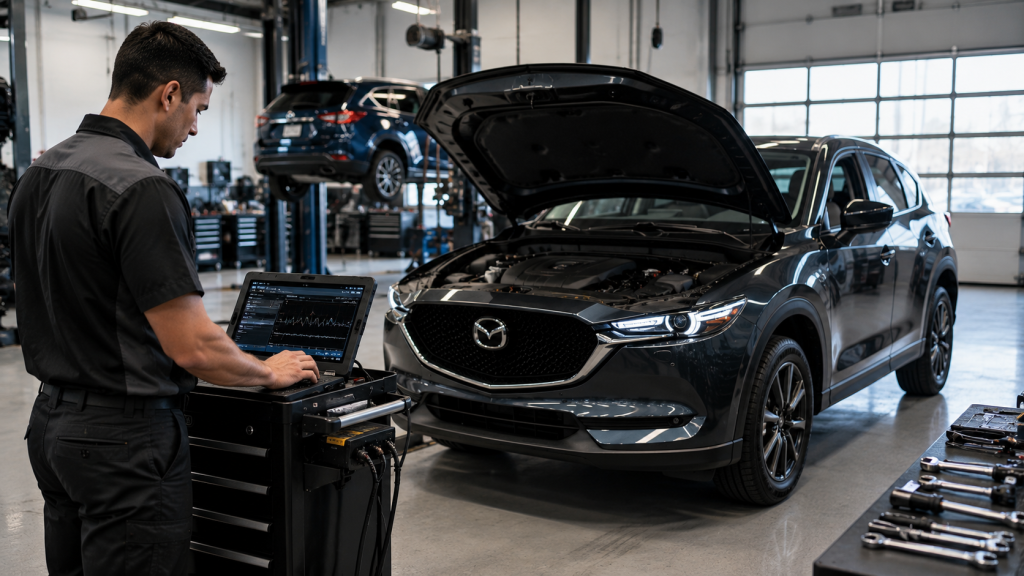
Every Mazda is designed with intention, where engineering and human experience move together. That same sense of clarity continues into ownership, especially when service becomes part of the experience. For many drivers, the uncertainty is not about the vehicle itself, but about what happens once it enters the service lane. Questions around diagnostic fees, recall repairs, and warranty coverage often create hesitation before scheduling an appointment. Understanding how these systems work together helps turn the process into something predictable, structured, and easier to navigate. What Happens During A Mazda Service Appointment From Arrival To Inspection Many drivers want to understand what actually happens during a Mazda service appointment, from the moment they arrive to when the vehicle is inspected. A service appointment follows a structured process designed to identify concerns, evaluate systems, and communicate next steps clearly. In a vehicle like the Mazda CX 5, the process begins with check in, where the service advisor documents the concern, whether it is routine maintenance or a specific issue. This step matters because it defines how the technician approaches the inspection. The vehicle is then routed to a technician who performs a multi point evaluation. This includes both visual inspection and system level checks to assess how different components are performing. more Initial inspection reviews visible wear such as tires, brakes, and fluid levels System checks evaluate electronic and mechanical performance through onboard data Technician notes identify any irregularities that require deeper analysis This process is designed to move from observation to confirmation. For a driver, this means the vehicle is not being guessed at. It is being evaluated through a consistent and repeatable system that prioritizes accuracy. How Vehicle Diagnostics Work And Why Diagnostic Fees Exist A common point of confusion is whether you pay for diagnostic testing at a dealership and what that fee actually covers. A diagnostic fee applies when a technician needs to identify the source of a problem that is not immediately visible. In models like the Mazda CX 50, modern vehicles rely on interconnected systems that monitor performance through sensors and control modules. When something feels off, the issue may not be obvious without deeper analysis. Diagnostics work by combining digital system scans with physical inspection. The vehicle’s onboard systems generate data that points to potential issues, but that data must be interpreted by a technician. Electronic scans identify stored fault codes within vehicle systems Technicians analyze how those codes relate to real world symptoms Additional testing may be required to confirm the root cause of the issue The diagnostic fee reflects the time and expertise required to perform this evaluation. It is not tied to the repair itself. It is tied to identifying what needs to be repaired. For drivers, this step is critical because it ensures that any repair recommendation is based on verified information rather than assumption. How Mazda Recalls Are Handled And Why They Are Different From Repairs Are Mazda recall repairs free Mazda recall repairs are completed at no cost because they are issued by the manufacturer to correct a known issue that affects safety or performance. In vehicles like the Mazda CX 30, a recall is triggered when a pattern of concern is identified across multiple vehicles. The manufacturer develops a solution and provides instructions to dealerships on how to perform the repair. This process is different from standard repairs because the responsibility does not fall on the owner. It falls on the manufacturer. Recall repairs are pre approved and follow a defined repair procedure Parts and labor are covered by the manufacturer No diagnostic fee is applied when the issue is directly related to the recall This distinction matters because it removes uncertainty. For drivers, recall repairs are not optional maintenance or unexpected repairs. They are manufacturer supported updates designed to ensure the vehicle continues to perform as intended. How Warranty Coverage Determines What You Pay For Drivers often ask what Mazda warranty coverage actually includes when it comes to repairs. Warranty coverage applies to defects in materials or workmanship, meaning it protects against issues that originate from how the vehicle was built. In a vehicle like the Mazda CX 90, warranty validation begins after diagnostics identify the issue. The dealership then determines whether the concern falls within warranty guidelines. This process is based on cause, not just the presence of a problem. If the issue is caused by a defect, the repair is covered If the issue is caused by wear or external factors, the repair is not covered Warranty coverage applies only within specific time and mileage limits This evaluation ensures that responsibility is clearly defined. For drivers, it means understanding that warranty coverage is not a blanket protection for all repairs, but a structured system that applies to specific types of issues. How Service Communication And Approval Shape The Final Experience Service does not end with inspection or diagnosis. It continues through communication and approval, which ultimately determine how the experience feels from the driver’s perspective. Once a technician completes the evaluation, the service advisor translates those findings into clear recommendations. This step is where technical information becomes understandable and actionable. Drivers are then presented with options based on the findings. Approved repairs move forward based on confirmed issues Declined services are documented for future consideration Transparent communication ensures there are no unexpected steps This process creates alignment between the vehicle, the technician, and the driver. It allows decisions to be made with clarity rather than pressure. For a Mazda owner, this structure reinforces a sense of trust. The goal is not just to repair the vehicle, but to maintain the connection between driver and machine through clear, thoughtful service.

Mazda Lease Insights for Jacksonville Drivers Comparing CX-30 CX-5 and CX-90 Models

Leasing a vehicle often looks straightforward on the surface. A monthly payment, a set term, and a mileage limit. But for many Jacksonville drivers comparing the Mazda CX-30, Mazda CX-5, and Mazda CX-90, the real question is how those payments are calculated and which model actually fits their driving habits and financial goals. Many shoppers ask how Mazda lease payments work and why costs vary between models. A lease is built around depreciation, which is the difference between a vehicle’s starting value and its estimated value at the end of the lease term. Understanding how that depreciation interacts with vehicle size, usage, and time helps explain why different Mazda models produce different lease outcomes. How Mazda Lease Payments Are Calculated Drivers often want to understand what goes into a lease payment beyond the monthly number. A lease payment is primarily based on how much value the vehicle is expected to lose over the lease term, along with financing costs and any applicable fees. The Mazda CX-5 lease structure, for example, calculates payment using three key components: more Depreciation, which is the difference between the vehicle’s price and its projected value at the end of the lease Residual value, which represents that projected end-of-term value Money factor, which is the financing component applied to the lease Depreciation makes up the largest portion of the monthly payment. A vehicle that holds its value more effectively will typically have a lower depreciation cost, which can reduce the monthly payment even if the starting price is higher. For Jacksonville drivers, this means lease pricing is not just about MSRP. It is about how the vehicle is expected to perform over time. Residual Value and How It Differs Between CX-30 CX-5 and CX-90 Shoppers frequently ask what residual value means and how it affects lease pricing. Residual value is the estimated worth of the vehicle at the end of the lease term, expressed as a percentage of its original price. The Mazda CX-30 lease often benefits from a lower starting price and competitive residual value, making it an accessible option for drivers focused on lower monthly payments. The Mazda CX-5 lease balances price and demand. As a popular compact SUV, it often maintains strong residual value, which can help offset its higher starting cost compared to the CX-30. The Mazda CX-90 lease reflects its position as a larger, three-row SUV. While it offers more space and capability, the higher initial price means depreciation typically results in a higher monthly payment compared to smaller models. For drivers comparing these vehicles, the key takeaway is that lease cost differences are driven by both starting price and how well each model is expected to retain value over time. Mileage Limits and Real World Driving Considerations One of the most common lease questions involves mileage limits and how to choose the right option. Lease agreements typically include annual mileage allowances such as 10,000, 12,000, or 15,000 miles per year. Mileage limits directly affect lease cost because higher mileage reduces the vehicle’s projected value at the end of the lease. Selecting a higher mileage allowance increases the monthly payment, while selecting a lower allowance can reduce it. For Jacksonville drivers, choosing the right mileage depends on daily driving patterns: Short commutes and local driving may fit within lower mileage limits Frequent highway travel or longer commutes may require higher allowances Weekend trips and regional travel should be factored into annual estimates Exceeding the mileage limit can result in additional costs at the end of the lease, so it is important to align the allowance with actual driving habits. Lease Term Structure and Warranty Alignment Drivers often ask how lease length affects overall cost and ownership experience. Most Mazda leases are structured around terms such as 24, 36, or 48 months. The Mazda CX-5 lease and other Mazda models are typically aligned with factory warranty coverage. This means that during most lease terms, major repairs are covered, reducing unexpected ownership costs. Shorter lease terms generally result in higher monthly payments because depreciation is spread over fewer months. Longer terms may reduce monthly cost but extend the time the driver is committed to the vehicle. For Jacksonville drivers, this alignment between lease term and warranty coverage provides a more predictable ownership experience, where maintenance and repair concerns are minimized during the lease period. Choosing the Right Mazda Model for Your Lease Strategy Many buyers comparing the Mazda CX-30, CX-5, and CX-90 want to know which model makes the most sense to lease. The answer depends on how each vehicle fits both driving needs and financial priorities. The Mazda CX-30 lease is often well suited for drivers prioritizing efficiency, lower monthly payments, and ease of use in urban environments. Its smaller size and lower cost make it a practical option for commuting and daily driving. The Mazda CX-5 lease offers a balance between cost and versatility. It provides additional space and capability while maintaining manageable lease payments, making it a strong option for drivers who need flexibility without moving into a larger vehicle segment. The Mazda CX-90 lease is designed for drivers who require more passenger space and cargo capacity. While the monthly cost is typically higher, it aligns with the needs of families or drivers who prioritize interior space and capability. When comparing these models, drivers should evaluate: Monthly payment in relation to budget Space requirements for passengers and cargo Driving patterns and mileage needs Length of time they plan to keep the vehicle Leasing is not just about selecting a vehicle. It is about selecting the right structure for how that vehicle will be used. Mazda leasing provides flexibility by allowing drivers to match a vehicle to their current needs without long term ownership commitment. By understanding how lease payments are calculated, how residual value affects cost, and how different models align with specific driving patterns, Jacksonville drivers can make more informed decisions when comparing the CX-30, CX-5, and CX-90.

Mazda Technology Features That Simplify Everyday Driving in Orange Park

Modern vehicles are filled with technology, but more features do not always lead to a better driving experience. For many drivers in Orange Park, the goal is not to have the largest screen or the most menus. It is to have systems that are easy to use, reduce distraction, and support the driver without adding complexity. Many shoppers ask whether Mazda technology is easy to use compared to other brands. Mazda approaches technology differently by focusing on how drivers interact with systems while the vehicle is in motion. Instead of designing around visual impact, Mazda engineers its technology to work with natural driver behavior, allowing for safer and more intuitive control during everyday driving. Infotainment Design That Reduces Driver Distraction Many drivers researching Mazda want to understand how the infotainment system works and why it avoids full touchscreen use while driving. The Mazda CX-30 infotainment system is controlled primarily through a rotary controller located near the center console. This system is designed to minimize the need for drivers to reach forward or take their eyes off the road. The screen is positioned higher on the dashboard, closer to the driver’s line of sight, allowing information to be viewed quickly without shifting focus away from driving conditions. more The rotary controller operates through directional input and tactile feedback. Drivers can navigate menus, adjust settings, and select options using small, controlled movements rather than tapping a screen. This approach reduces the likelihood of missed inputs and keeps hand movement consistent. In real world driving, this results in fewer distractions during tasks such as adjusting audio, navigation, or vehicle settings. For Orange Park drivers managing traffic, intersections, and changing road conditions, this design helps maintain awareness while interacting with technology. Smartphone Integration That Works in Real Driving Conditions Shoppers often ask whether Mazda supports Apple CarPlay and Android Auto and how these systems function during daily use. Smartphone integration in the Mazda CX-5 and Mazda3 allows drivers to access navigation, messaging, and media through a familiar interface. Apple CarPlay and Android Auto mirror key smartphone functions onto the vehicle display, but Mazda integrates these systems in a way that maintains its driver-focused control philosophy. Instead of relying on touch input, drivers can navigate apps using the rotary controller or voice commands. Voice control plays an important role in reducing interaction time. Drivers can request directions, send messages, or change audio without navigating multiple menus. This allows key functions to be completed while keeping attention on the road. For everyday commuting in Orange Park, where quick adjustments are often needed, this integration provides access to familiar tools without introducing additional complexity. How Mazda i-Activsense Safety Systems Work Together Many shoppers want to understand what Mazda i-Activsense safety features actually do during real driving situations. Mazda i-Activsense is a suite of driver assistance systems that use cameras, radar, and sensors to monitor the environment around the vehicle. Adaptive cruise control in the Mazda CX-30 maintains a set distance from vehicles ahead by adjusting speed automatically. This is especially useful in stop and go traffic, where constant speed adjustments would otherwise be required from the driver. Lane keeping assist monitors road markings and provides gentle steering input to help maintain lane position. Rather than taking control away from the driver, the system works as a support tool that reinforces driver input. Blind spot monitoring uses radar sensors to detect vehicles in adjacent lanes and alerts the driver when changing lanes may be unsafe. Automatic emergency braking detects potential collisions and applies braking if necessary. These systems function together rather than independently. The sensors continuously gather information, allowing the vehicle to respond to multiple conditions at once. For Orange Park drivers navigating busy roads, this coordination improves awareness and adds a layer of support without replacing driver control. Interface Design That Reduces Cognitive Load Drivers often ask why some vehicles feel overwhelming to use despite having advanced technology. The difference comes down to cognitive load, which refers to how much mental effort is required to operate a system. Mazda designs its interfaces to reduce unnecessary complexity. The Mazda CX-5 interior technology layout uses clear menu structures, consistent controls, and limited on-screen clutter. Each function is organized in a way that allows drivers to predict where information is located. Physical controls are retained for commonly used functions such as climate and volume. This allows drivers to make adjustments without navigating digital menus. The combination of physical and digital controls creates a more intuitive experience. For drivers in Orange Park, this means less time spent searching for controls and more time focused on driving. Over longer periods, reduced cognitive load contributes to lower fatigue and a more relaxed driving experience. How Mazda Technology Compares in Everyday Use Many buyers comparing vehicles want to know whether Mazda technology is as advanced as competitors that emphasize larger screens and more visual features. The difference lies in how technology is used rather than how it looks. Mazda prioritizes usability and driver focus, while many competitors prioritize visual impact and feature quantity. Larger touchscreens may offer more immediate visual interaction, but they often require greater attention and more precise input. In contrast, Mazda systems are designed around consistent interaction and minimal distraction. This results in technology that feels more predictable and easier to use over time. When comparing vehicles, drivers should evaluate: How easily systems can be used without looking away from the road Whether controls feel consistent and intuitive How quickly common tasks can be completed Whether the system supports or distracts from driving Mazda technology stands out by simplifying these interactions. Instead of requiring drivers to adapt to the vehicle, the systems are designed to align with natural driving behavior. Mazda’s approach to technology is centered on clarity and control. By focusing on how systems function during real driving conditions, Mazda creates an experience that supports the driver rather than competing for attention. For Orange Park drivers, that means technology that feels purposeful, intuitive, and easier to live with every day.

2026 Mazda CX-30: A Standout Choice for Jacksonville’s Everyday Drivers

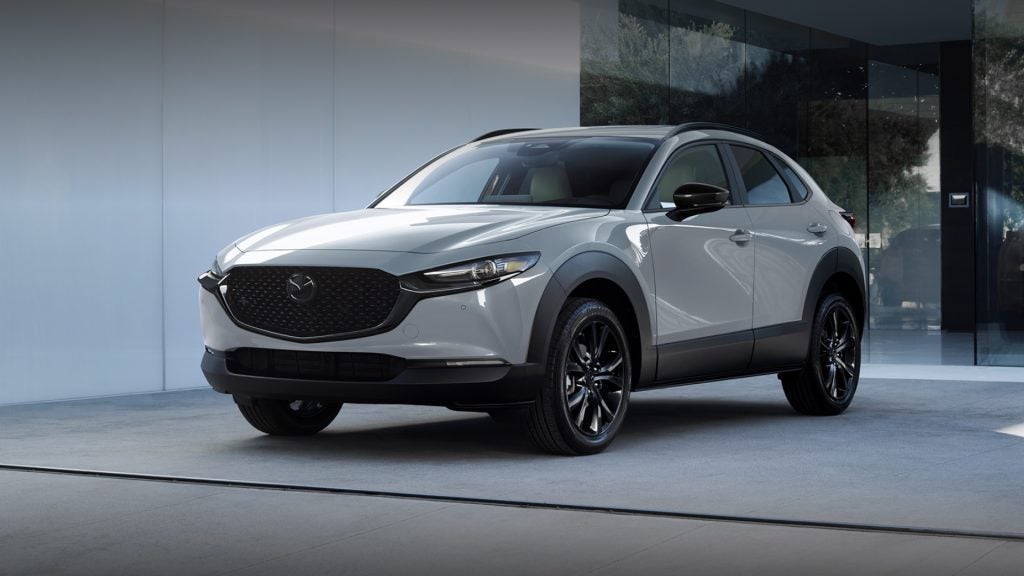
For many drivers in Jacksonville and Orange Park, the daily drive includes a mix of stop and go traffic, highway merging, tight parking areas, and longer stretches of open road. Choosing a compact crossover is often about finding something that fits all of those conditions without feeling compromised in any one area. Many shoppers ask if the Mazda CX-30 is a good vehicle for daily driving. The answer comes down to how well its design supports real world use. The 2026 Mazda CX-30 is engineered to balance maneuverability, comfort, efficiency, and control in a way that feels natural over time. Rather than focusing on one standout feature, it delivers a consistent experience across the systems drivers rely on every day. Compact Size That Improves Maneuverability and Visibility Drivers researching compact crossovers often want to understand how vehicle size affects everyday usability. The 2026 Mazda CX-30 size is designed to provide the benefits of an SUV without the challenges of a larger footprint. The CX-30’s dimensions influence how it behaves in city environments. A smaller turning radius allows for easier navigation in tight streets and parking areas. The overall width and length make it easier to position within lanes and parking spaces. more Visibility is also a direct result of design choices. The driving position in the Mazda CX-30 is elevated compared to a sedan, giving drivers a clearer view of traffic conditions ahead. At the same time, the vehicle maintains proportions that make it easier to judge distances when parking or maneuvering in crowded areas. For Jacksonville drivers navigating urban areas and shopping centers, this balance of size and visibility reduces stress during everyday driving tasks. Seating Design and Comfort Over Longer Drives Many shoppers ask how comfortable the Mazda CX-30 is for commuting and longer trips. Comfort is not just about soft materials. It is determined by how the seat supports the body and maintains posture over time. The 2026 Mazda CX-30 seating design focuses on spinal alignment and natural body positioning. The seat structure supports the pelvis and lower back in a way that reduces strain during extended driving. This helps maintain a consistent driving posture without requiring constant adjustment. The relationship between the seat, steering wheel, and pedals also plays a role. In the Mazda CX-30, these elements are positioned to allow smooth, natural movement. Drivers can apply throttle and braking inputs without overextending or shifting their posture. For daily commuters in the Jacksonville area, this translates into reduced fatigue during longer drives and a more relaxed experience in traffic. Driver Assistance Systems in Real Commuting Conditions Shoppers often see lists of safety features but want to understand how they function during everyday driving. The 2026 Mazda CX-30 safety systems are designed to assist drivers in common commuting scenarios rather than operate independently. Adaptive cruise control in the Mazda CX-30 automatically adjusts speed to maintain distance from the vehicle ahead. In stop and go traffic, the system can slow the vehicle and return to speed when traffic begins moving again. Lane keeping assist monitors road markings and provides subtle steering input to help the driver stay centered within the lane. This becomes especially useful during longer highway drives where small corrections can add up over time. Automatic emergency braking uses sensors to detect potential collisions and applies braking if the driver does not respond in time. This adds an additional layer of protection in unpredictable traffic situations. Together, these systems support the driver without removing control. For Jacksonville drivers dealing with varying traffic conditions, they reduce workload while maintaining awareness. Fuel Efficiency in Real World Driving Conditions Drivers frequently ask whether the Mazda CX-30 is fuel efficient for daily use. Fuel efficiency is influenced not only by engine design but also by driving conditions and habits. The 2026 Mazda CX-30 engine is designed to deliver consistent efficiency across a range of driving scenarios. In steady highway driving, the engine operates at lower loads, which improves fuel economy. In city driving, where frequent acceleration and braking occur, efficiency depends more on how smoothly the vehicle is driven. Several factors influence real world fuel usage: Stop and go traffic increases fuel consumption due to repeated acceleration Gradual throttle input helps maintain more efficient engine operation Consistent speeds reduce unnecessary fuel demand Vehicle weight and cargo load can affect efficiency during acceleration For drivers in Jacksonville, where traffic patterns can shift throughout the day, understanding these factors helps set realistic expectations for fuel usage. Driving Dynamics Compared to Other Compact Crossovers Many buyers comparing compact crossovers want to understand how the Mazda CX-30 feels on the road compared to competitors. While many vehicles in this segment focus on practicality, the Mazda CX-30 driving dynamics emphasize responsiveness and control. The Mazda CX-30 steering system is calibrated to provide consistent feedback, allowing drivers to make precise adjustments without overcorrecting. The suspension system is tuned to maintain stability through turns while still absorbing road imperfections. Compared to other compact crossovers, this results in a driving experience that feels more connected. Instead of isolating the driver from the road, the CX-30 maintains a level of feedback that helps drivers stay engaged and aware of vehicle behavior. For everyday driving, this translates into smoother transitions, more predictable handling, and a greater sense of control during lane changes and cornering. What to Evaluate When Choosing a Daily Driver Understanding how the Mazda CX-30 performs in daily conditions helps clarify what drivers should look for when comparing vehicles. Rather than focusing only on specifications, it is important to evaluate how the vehicle responds to real world use. Drivers should pay attention to: How easily the vehicle maneuvers in tight spaces Whether the seating position remains comfortable over time How driver assistance systems behave in traffic How fuel efficiency changes based on driving habits Whether the vehicle feels stable and predictable in motion The 2026 Mazda CX-30 stands out by delivering consistency across these areas. It is not designed around a single strength, but around how each system contributes to a smoother, more confident daily drive. For Jacksonville and Orange Park drivers, that consistency is what turns a routine commute into a more controlled and comfortable experience.

How Mazda Engineering Creates a Responsive, Balanced Drive for Orange Park Roads

Every Mazda begins with a single intention: to make driving feel natural again. For many drivers in Orange Park, that feeling shows up in subtle ways. The steering feels precise without effort. The vehicle responds predictably through corners. The ride remains composed over uneven pavement without disconnecting you from the road. Many shoppers ask what makes Mazda driving feel different from other brands. The answer is not one feature, but how multiple systems are engineered to work together. Mazda builds its vehicles around the idea that control, comfort, and responsiveness should feel unified rather than competing priorities. This approach is rooted in a philosophy called Jinba Ittai, but its real impact comes from how it is applied through steering, chassis design, suspension tuning, and weight balance. Jinba Ittai as a Measurable Engineering Approach Many drivers researching Mazda want to understand what Jinba Ittai actually means in real driving. Jinba Ittai refers to the feeling of unity between driver and vehicle, where inputs from the driver translate into immediate and predictable vehicle response. In the Mazda CX-5 and Mazda3, this concept is not abstract. It directly influences how engineers position the driver, tune the controls, and calibrate vehicle systems. The seating position aligns the driver’s hips, hands, and feet to reduce unnecessary movement. Pedal placement ensures consistent input. Steering response is calibrated to feel linear rather than artificial. more This means that when a driver turns the wheel or adjusts throttle input, the vehicle reacts in a way that feels intuitive. Instead of correcting or compensating, the driver remains in control with less effort. For everyday driving in Orange Park, where roads shift between city traffic and open stretches, this consistency builds confidence over time. Steering Calibration and Real Driver Feedback Shoppers often ask why Mazda steering feels more connected compared to other vehicles. Steering feel is determined by how the electric power steering system is calibrated, not just the hardware itself. The Mazda CX-30 steering system uses carefully tuned assist levels that adjust based on speed and driving conditions. At lower speeds, the system provides lighter input for easier maneuvering. At higher speeds, the assist reduces, allowing for more direct feedback from the road. This calibration affects several key elements of the driving experience: Steering ratio determines how much the vehicle turns relative to wheel input Assist levels influence how much effort is required at different speeds Feedback tuning controls how much road information reaches the driver In real world driving, this results in smoother lane changes, more precise cornering, and less need for constant corrections. For drivers navigating Orange Park roads with varying traffic patterns, this level of control reduces fatigue while improving confidence. Chassis Structure and Handling Stability Many drivers assume handling comes primarily from suspension tuning, but the structure of the vehicle plays an equally important role. The Mazda3 chassis is designed with high rigidity to minimize flex during cornering and braking. A rigid chassis allows the suspension to operate more effectively because the vehicle body itself is not absorbing or distorting energy. When the structure remains stable, the tires maintain better contact with the road surface, improving grip and predictability. This structural stability becomes especially noticeable during: Cornering at moderate speeds Sudden directional changes Braking on uneven surfaces For Orange Park drivers, this means the vehicle remains composed whether navigating intersections, merging onto highways, or driving through variable road conditions. The result is not just better performance, but a more consistent and reassuring driving experience. Suspension Tuning That Balances Comfort and Control One of the most common questions shoppers ask is whether Mazda prioritizes performance over comfort. Suspension tuning answers that question directly. The Mazda CX-5 suspension system is designed to manage both ride quality and handling precision without forcing a tradeoff between the two. Suspension systems rely on springs and dampers working together. Springs absorb energy from road impacts, while dampers control how quickly that energy is released. Mazda tunes these components to maintain stability while still allowing enough flexibility to absorb imperfections in the road. Key elements of this balance include: Spring rates that prevent excessive body movement without creating stiffness Damper tuning that smooths out road irregularities without losing control Suspension geometry that maintains tire contact during turns In daily driving, this means the vehicle feels stable through curves while remaining comfortable over rough pavement. For drivers in Orange Park, where road surfaces and traffic conditions can change quickly, this balance allows for both relaxed commuting and confident handling when needed. Weight Distribution and Everyday Driving Confidence Drivers comparing vehicles often overlook how weight distribution affects the driving experience. Mazda engineers focus on balancing weight across the vehicle to improve stability and responsiveness. In the Mazda CX-5, weight is distributed to maintain control during acceleration, braking, and cornering. When weight shifts too aggressively to one end of the vehicle, it can reduce traction and make the vehicle feel less predictable. Balanced distribution helps maintain consistent tire contact across all four wheels. This impacts several real world driving scenarios: More stable braking with reduced forward weight transfer Improved cornering with balanced grip across front and rear wheels Smoother acceleration without excessive front end lift For Orange Park drivers, this translates to a vehicle that feels planted and controlled, whether navigating stop and go traffic or maintaining speed on open roads. What Drivers Should Evaluate When Comparing Driving Experience Understanding how Mazda engineers driving dynamics helps clarify what to look for during a test drive. Instead of focusing only on horsepower or specifications, drivers should evaluate how the vehicle responds to input and how it behaves across different conditions. Shoppers comparing vehicles should pay attention to: How quickly and smoothly the steering responds to input Whether the vehicle remains stable through turns without excessive body movement How the suspension absorbs bumps while maintaining control Whether braking feels balanced and predictable How natural the overall driving experience feels over time These factors reflect the systems working together rather than individual features in isolation. Mazda’s approach is built around this integration, creating a driving experience that feels consistent, controlled, and engaging. Mazda engineering is not about making one system stand out. It is about ensuring that every system contributes to a unified driving experience. For drivers in Orange Park, that means a vehicle that responds naturally, remains composed in changing conditions, and delivers a level of connection that becomes more noticeable the longer you spend behind the wheel.

2026 Mazda3: A Standout Choice for Jacksonville’s Daily Drivers

For daily drivers in Jacksonville and Orange Park, the ideal compact car needs to do more than deliver good fuel economy. It has to feel comfortable in traffic, stable at highway speeds, easy to live with in tight parking situations, and rewarding enough that driving does not feel like a chore. The 2026 Mazda3 stands out in this space because it is engineered around balance and driver engagement rather than chasing numbers or visual flash. Mazda approaches the compact segment differently than many competitors. Instead of prioritizing maximum cabin volume or headline features, the Mazda3 is designed to feel composed, quiet, and connected in real-world driving conditions. That difference shows up every day, not just on a spec sheet. Platform and Powertrain Intent The 2026 Mazda3 continues to use Mazda’s well-established compact vehicle platform, tuned for rigidity and predictable response. A stiff structure allows the suspension to do its job accurately, which directly affects ride comfort and steering feel. Power comes from Mazda’s naturally aspirated Skyactiv gasoline engines, engineered for smooth torque delivery and efficiency without relying on aggressive turbocharging. Throttle response is linear, which matters more in daily driving than peak output numbers. Acceleration feels predictable when merging onto highways or navigating stop-and-go traffic. Key powertrain characteristics that matter daily: Smooth, consistent torque delivery at low and mid-range speeds Reduced drivetrain lag in urban driving Engine tuning designed for longevity and efficiency Calm highway behavior without constant gear hunting Steering, Handling, and Traffic Confidence One of the Mazda3’s defining traits is steering feel. Mazda calibrates the steering system to provide weight and feedback that mirror vehicle movement. This makes lane changes, curves, and quick maneuvers feel controlled rather than vague. In city traffic, the Mazda3 feels compact and easy to place. On highways, it remains stable and composed, avoiding the light or floaty sensation that some compact cars develop at speed. Handling benefits daily drivers notice: Predictable steering response in traffic Confident lane changes at highway speeds Controlled body motion over uneven pavement A sense of connection without harshness Ride Comfort on Real Roads Jacksonville-area roads include a mix of smooth highways, concrete expansion joints, and worn surface streets. Mazda tunes the Mazda3’s suspension to absorb imperfections without feeling soft or disconnected. Rather than isolating the driver completely, the suspension balances comfort with feedback. This reduces fatigue over long commutes and prevents the car from feeling unsettled on rougher pavement. Interior Ergonomics and Cabin Quality The Mazda3 interior is intentionally minimalist, but that simplicity serves a purpose. The driving position is engineered around natural posture, with pedals, steering wheel, and seat alignment designed to reduce strain over time. Interior design priorities include: Clear sightlines with a low dash and well-positioned instruments Physical controls for frequently used functions Screen placement that minimizes eye movement Materials chosen for consistency rather than flash The result is a cabin that feels calm and refined, especially during long stretches of traffic or highway driving. Noise insulation is also a strong point, with road and wind noise kept lower than many competitors in the compact segment. All-Wheel Drive Availability One feature that differentiates the Mazda3 is available all-wheel drive, which remains uncommon among compact cars. While not necessary for every driver, AWD adds confidence in heavy rain and improves traction during sudden weather changes common in Florida. Mazda’s AWD system operates automatically, distributing power where needed without requiring driver input. It enhances stability without changing the driving character of the vehicle. Fuel Efficiency and Real-World Use Fuel efficiency remains competitive in the compact segment, but Mazda prioritizes real-world drivability over chasing extreme MPG figures. The Mazda3 delivers consistent efficiency in mixed driving, especially for commuters who combine highway and city travel. Because the engine is not overly stressed, efficiency remains predictable even with passengers, cargo, or sustained highway speeds. Safety Systems for Urban Driving The 2026 Mazda3 includes Mazda’s i-Activsense driver assistance technologies, designed to support awareness rather than overwhelm the driver. Features such as Smart Brake Support, Blind Spot Monitoring, and Lane Departure Warning are calibrated to provide timely alerts without aggressive intervention. In dense traffic and busy intersections, these systems add confidence while keeping the driver fully engaged. Long-Term Ownership Considerations Daily drivers often keep their vehicles for several years, making durability and satisfaction important. Mazda’s focus on proven powertrains, restrained technology integration, and structural integrity contributes to strong long-term ownership confidence. Drivers who value: A quiet, comfortable commute Predictable handling and control Interior quality that holds up over time A car that remains enjoyable beyond the first year often find the Mazda3 particularly satisfying to live with. Why the Mazda3 Stands Out for Daily Driving Many compact cars excel in one area while compromising another. The 2026 Mazda3 stands out because it balances the elements that matter most to everyday drivers. It is easy to maneuver in the city, stable on the highway, comfortable over long distances, and engaging enough to make daily driving feel intentional rather than routine. For Jacksonville-area drivers looking for a compact car that prioritizes comfort, control, and long-term satisfaction, the Mazda3 delivers a well-rounded ownership experience that goes beyond basic transportation. It is not designed to impress on paper. It is designed to feel right every time you drive it.

Understanding Mazda’s i-Activsense Features – Safety Designed for Orange Park Roads

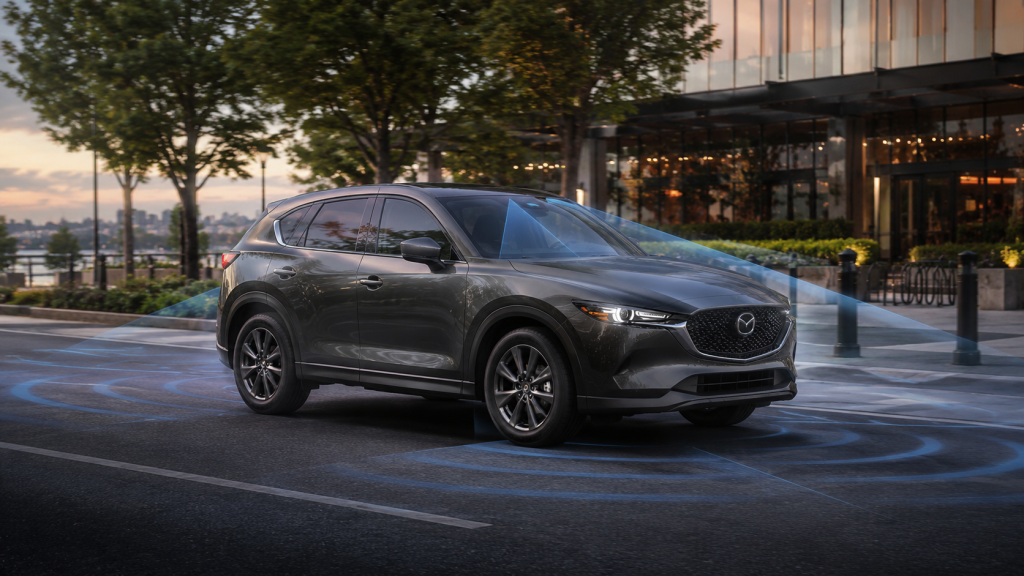
Mazda approaches safety with the same philosophy it applies to design and driving feel: support the driver, do not replace them. i-Activsense is Mazda’s suite of active safety and driver assistance technologies built to enhance awareness, reduce fatigue, and intervene only when a situation becomes critical. Rather than relying on aggressive automation, Mazda calibrates these systems to feel natural and predictable in real-world driving. For drivers navigating Orange Park roads, suburban traffic patterns, and regional highways, i-Activsense is designed to work quietly in the background, providing information first and assistance second. Understanding how these systems function helps drivers use them correctly and confidently. Active Safety Versus Passive Safety Mazda separates safety into two complementary layers. Passive safety focuses on protection during a collision. This includes body structure design, airbags, seatbelts, and energy management systems. Active safety focuses on preventing collisions before they happen. i-Activsense belongs in this category. These technologies monitor surroundings, track vehicle behavior, and support driver decision-making in real time. Mazda places strong emphasis on active safety because preventing an incident is always preferable to managing the aftermath. more How i-Activsense Works as a System i-Activsense is not a single feature. It is a network of cameras, radar sensors, and vehicle control modules working together. Forward-facing cameras monitor lane markings, vehicles, and pedestrians. Radar sensors track distance and relative speed. The system continuously evaluates driver input, road conditions, and surrounding traffic. What distinguishes Mazda’s approach is how the system responds. Alerts are designed to inform first. Assistance follows only if needed. Full intervention is reserved for moments when the risk becomes immediate and the driver does not respond. This layered escalation helps preserve driver trust and engagement. Mazda Smart Brake Support Mazda Smart Brake Support is the foundation of i-Activsense. It monitors the road ahead to detect vehicles, pedestrians, and potential obstacles. The system operates in stages: Visual and audible warnings alert the driver to a potential collision Brake assist increases braking force if the driver reacts but does not brake firmly enough Automatic braking engages only when the system determines a collision is likely and no driver response is detected This design allows the driver to remain in control while providing a safety net in critical moments. Blind Spot Monitoring and Rear Cross Traffic Alert Blind Spot Monitoring uses rear-mounted radar sensors to detect vehicles approaching from adjacent lanes. When a vehicle enters the monitored zone, the system provides a visual alert in the side mirror. Rear Cross Traffic Alert extends this awareness when reversing out of parking spaces. It scans left and right for approaching vehicles and issues warnings to help prevent low-speed collisions in crowded areas such as shopping centers and school parking lots. These systems focus on awareness rather than intervention, supporting driver judgment where visibility is naturally limited. Lane Departure Warning and Lane Keep Assist Mazda clearly differentiates between warning and assistance. Lane Departure Warning alerts the driver when the vehicle begins to drift out of its lane without a turn signal. Lane Keep Assist adds gentle steering input to guide the vehicle back toward the center of the lane. Mazda intentionally avoids aggressive steering corrections. The assistance is subtle, designed to support attentive driving rather than override it. Drivers remain actively engaged with the steering wheel at all times. Mazda Radar Cruise Control Mazda Radar Cruise Control uses radar and camera data to maintain a set speed while adjusting following distance based on traffic conditions. When traffic slows, the system reduces speed smoothly. When conditions clear, it resumes the preset speed. Mazda calibrates adaptive cruise control to prioritize smoothness and predictability. Acceleration and braking inputs are gradual, which reduces fatigue during long drives while keeping the driver mentally involved. Driver Awareness and Responsibility A defining characteristic of i-Activsense is Mazda’s emphasis on driver responsibility. These systems are designed to assist attentive drivers, not enable hands-off driving. Mazda avoids framing i-Activsense as autonomous technology. Instead, it is positioned as a tool that enhances situational awareness and provides support when attention momentarily lapses. This philosophy reinforces safe driving habits rather than encouraging reliance on automation. Understanding System Limitations i-Activsense systems rely on clear lane markings, visible road conditions, and properly functioning sensors. Weather, road debris, glare, and unusual traffic situations can affect performance. Drivers must remain aware of their surroundings and be prepared to take control at all times. Understanding these limitations is essential for using driver assistance features safely and effectively. Why Mazda’s Safety Approach Feels Different Many driver assistance systems on the market prioritize assertive intervention. Mazda takes a different approach by prioritizing predictability and subtlety. Alerts arrive when they matter. Assistance feels supportive rather than corrective. Intervention occurs only when necessary. This calibration builds confidence over time. Drivers learn what to expect from the system and trust it without feeling overridden. Safety Designed for Real Roads For drivers in and around Orange Park, daily driving includes suburban traffic, school zones, highway merges, and unpredictable conditions. i-Activsense is designed to support these environments by enhancing awareness rather than demanding attention. Mazda’s approach to safety reflects a belief that the safest driver is an informed and engaged one. By supporting the driver instead of replacing them, i-Activsense delivers a safety experience that feels natural, respectful, and aligned with how people actually drive.

How Mazda CX-90 Lease Options Appeal to Jacksonville Families Comparing Three-Row SUVs

For many Jacksonville families shopping three-row SUVs, the decision is not just about size or seating count. It is about flexibility. Family needs change quickly, and committing to a vehicle for the long term does not always align with how households actually use their SUV over time. This is where leasing enters the conversation, particularly with a vehicle like the Mazda CX-90 that is engineered to balance space, refinement, and driving confidence. Rather than framing leasing as a financial shortcut, Mazda positions CX-90 lease options as a practical way to align vehicle ownership with real family life cycles. Understanding why leasing appeals to three-row SUV shoppers starts with understanding how families actually use these vehicles. Why Leasing Fits the Three-Row SUV Decision Three-row SUVs often serve families during specific stages. Young children grow quickly, schedules change, and priorities shift. Leasing allows families to choose a vehicle that fits their current needs without locking themselves into a long ownership horizon that may no longer make sense a few years down the road. Leasing a three-row SUV often appeals to families who: Expect their vehicle needs to change within a few years Prefer predictable ownership periods Want access to newer safety and driver assistance technology Do not want long-term responsibility for depreciation Drive within consistent mileage ranges In this context, leasing becomes a planning tool rather than a pricing tactic. more How the CX-90 Aligns With Family Leasing Needs The Mazda CX-90 is engineered with family use in mind, but it does so without feeling oversized or disconnected from the driver. Its platform and powertrain design play a role in why it fits well into a lease-based ownership approach. Key characteristics that matter for leasing families include: A refined ride that supports daily commuting and long trips A balanced chassis that remains composed even when fully loaded Interior layouts that support child seats, carpools, and adult passengers Driver assistance systems designed to reduce fatigue rather than replace the driver Because leasing aligns closely with warranty coverage, families leasing a CX-90 typically spend the majority of their time in the vehicle during its newest, most technologically current phase. Technology Turnover and Lease Cycles One of the strongest drivers behind three-row SUV leasing is technology evolution. Safety systems, connectivity features, and powertrain enhancements advance rapidly. Leasing allows families to keep pace with those updates without committing to outdated systems long term. The CX-90’s available powertrain options, including turbocharged and hybrid-assisted configurations, further reinforce this point. Families interested in newer efficiency and performance technologies often prefer the option to reassess their vehicle choice after a standard lease term rather than commit for a decade or more. Technology-focused lease benefits include: Access to the latest i-Activsense driver assistance features Updated infotainment and connectivity systems New powertrain advancements without long-term lock-in Reduced concern about aging technology Warranty Alignment and Predictability Leasing aligns naturally with manufacturer warranty periods, which is especially relevant for larger family vehicles that accumulate daily use. Many families value knowing that major systems are covered during the entire time they own the vehicle. This predictability is appealing when comparing three-row SUVs, as maintenance planning becomes simpler and less uncertain during the lease period. Mileage and Usage Patterns for Jacksonville Families Mileage is an important factor when evaluating leasing. Jacksonville-area families often fall into predictable driving patterns that fit lease structures well, such as: School drop-offs and pickups Commuting within the metro area Weekend travel and regional road trips Seasonal increases without extreme daily mileage For households that do not rack up excessive miles year after year, leasing a CX-90 can align well with actual usage rather than assumed worst-case scenarios. Lease Versus Buy for a Three-Row SUV Leasing and buying serve different goals. Buying often appeals to families planning to keep a vehicle for many years or pass it down. Leasing appeals to families who prioritize flexibility, newer technology, and defined ownership windows. When comparing lease versus purchase for a CX-90, families often weigh: How long they realistically plan to keep the vehicle Whether future seating or space needs may change Interest in newer safety and efficiency technology Desire for predictable ownership without long-term depreciation concerns Neither option is universally better. The CX-90 simply happens to fit leasing particularly well because of how it balances refinement, usability, and evolving technology. How Leasing Shapes the Three-Row SUV Comparison When families compare the CX-90 to other three-row SUVs, leasing reframes the evaluation. Instead of asking which SUV they want to live with forever, families ask which one best supports their current phase of life. In that comparison, the CX-90 stands out for: A driving experience that feels controlled and composed An interior that supports both family needs and driver comfort Engineering choices that favor long-term confidence during the lease period A design philosophy that values balance over excess A Practical Perspective for Jacksonville Shoppers For Jacksonville families navigating school schedules, commutes, and weekend travel, leasing a Mazda CX-90 can provide the flexibility to adapt as life changes. It allows families to enjoy a capable three-row SUV during the years they need it most, without committing beyond that window. The CX-90’s blend of space, refinement, and thoughtful engineering makes it a strong fit for lease-minded families who want a three-row SUV that feels intentional, not oversized or disconnected. Leasing does not replace careful decision-making. It simply gives families another way to align their vehicle choice with how they actually live.

How Mazda’s Design Principles Create a More Connected Drive in Orange Park

Mazda’s design philosophy is not rooted in decoration or trend-following. It begins with a simple question: how should a car feel to drive? Every design decision, from exterior proportions to interior control placement, is made to support a natural connection between driver and vehicle. This approach is shaped by the Japanese concept of Jinba Ittai, the idea of harmony between horse and rider. In modern Mazda vehicles, that harmony translates into confidence, focus, and a sense of control that drivers notice immediately on real roads. Rather than separating styling from engineering, Mazda treats design as a functional system. The result is a driving experience that feels intentional and composed, especially during everyday use on local roads, commutes, and longer highway drives. Design Begins With the Driver, Not the Dashboard Mazda interiors are engineered around the human body, not around screens or visual impact. Seating position, pedal alignment, steering wheel placement, and sightlines are all tuned to support natural posture and quick response. Key interior design principles include: A driving position that aligns hips, shoulders, and feet to reduce strain Pedals centered with the driver’s body rather than offset A steering wheel angle that supports relaxed but precise input Instrument placement that falls within the driver’s natural eye movement This layout reduces the need for constant micro-adjustments while driving. Over time, fewer adjustments mean less fatigue and greater confidence, particularly during longer drives or in stop-and-go traffic. more Minimalism That Improves Focus Mazda’s interiors are intentionally restrained. This is not about removing features, but about reducing unnecessary visual noise that competes for attention. Mazda emphasizes: Clean horizontal dash layouts that stabilize the visual field Limited material transitions to reduce distraction Physical controls where tactile feedback is faster than touch inputs Screen placement designed to minimize eye refocus time By simplifying the environment, Mazda reduces cognitive load. Drivers spend less time searching for information and more time focused on the road ahead. This is especially noticeable during complex driving situations such as merging, navigating unfamiliar areas, or driving in heavy traffic. Exterior Design That Supports Driving Confidence Mazda’s exterior design philosophy, often referred to as Kodo or “Soul of Motion,” is not purely visual. Body proportions are shaped to communicate balance and movement in a way that helps drivers intuitively understand the vehicle’s size and placement. Functional exterior outcomes include: Proportions that emphasize stability rather than bulk Long hood and balanced overhangs that aid spatial awareness Smooth surfaces that guide airflow and reduce visual clutter Clear edges that make vehicle boundaries easier to judge These elements help drivers feel more confident when parking, navigating tight streets, or driving through crowded areas. A vehicle that visually communicates its dimensions reduces hesitation and mental effort. Jinba Ittai in Everyday Driving Jinba Ittai is not an abstract philosophy reserved for performance driving. It shows up in everyday moments behind the wheel. Mazda designs systems so that: Steering responds predictably to small inputs Suspension tuning supports body stability without feeling stiff Vehicle reactions mirror driver intent rather than lag behind it Feedback through the wheel and pedals feels consistent This consistency builds trust. Drivers quickly learn how the vehicle will respond, which reduces stress and increases enjoyment even at normal speeds. Interior Craftsmanship Without Excess Mazda interiors are often described as refined, but that refinement comes from discipline rather than decoration. Materials are chosen for how they feel and age, not just how they photograph. Interior craftsmanship focuses on: Cohesive material selection instead of mixed textures Tight panel alignment and clean transitions Balanced use of contrast rather than visual overload Design continuity across trims and models This approach creates a calm cabin environment that feels intentional and well considered, without relying on luxury terminology or excessive features. How Design Affects Long-Term Comfort Design decisions that prioritize posture and simplicity have long-term benefits. Drivers often report less fatigue during extended driving, better control during sudden maneuvers, and a greater sense of ease during daily use. Over time, Mazda’s design philosophy contributes to: Reduced physical strain on long drives Faster adaptation to vehicle size and controls Greater confidence in varied driving conditions A calmer overall driving experience These outcomes are not tied to a single feature. They result from a system-level approach where design, ergonomics, and driving dynamics work together. Why Mazda’s Approach Feels Different Many brands prioritize technology visibility or aggressive styling to signal advancement. Mazda takes a quieter route by asking how each design choice affects the driver’s physical and mental state. Mazda prioritizes: Human-centered design over feature stacking Simplicity that supports awareness Feedback that builds confidence Balance between form and function This difference is why Mazda vehicles often feel more connected and intuitive, even without calling attention to themselves. Design That Matches Real Roads For drivers navigating Orange Park roads, suburban traffic, and regional highways, Mazda’s design principles translate into tangible benefits. Clear sightlines, predictable handling, and a calm interior environment support everyday driving, not just ideal conditions. Mazda’s design philosophy is not about standing out visually. It is about creating vehicles that feel natural to drive, day after day. By aligning design with human movement and perception, Mazda delivers a driving experience that feels connected, confident, and thoughtfully engineered.

2026 Mazda CX-90: A Premium Three-Row Option for Orange Park Families

For families in Orange Park and the surrounding Clay County area, choosing a three-row SUV is rarely about size alone. Daily driving often includes school drop-offs, highway commuting into Jacksonville, weekend travel, and longer family trips that demand comfort, stability, and flexibility over time. The 2026 Mazda CX-90 is designed for families who want those practical advantages without giving up refinement or driver confidence. Rather than approaching the segment as a purely utilitarian people mover, Mazda engineered the CX-90 to support long-term family ownership while preserving composure, balance, and craftsmanship. Platform Architecture and Why It Matters for Local Driving The CX-90 is built on Mazda’s large-vehicle platform with a rear-biased longitudinal layout. This design choice has a meaningful impact on how the vehicle behaves in everyday use, particularly for Orange Park drivers who regularly transition between suburban roads, bridge crossings, and interstate travel. This architecture contributes to: more Greater highway stability during longer drives into Jacksonville Reduced body sway when carrying multiple passengers More predictable handling during merging and lane changes A smoother, more controlled ride on uneven road surfaces For families who spend significant time commuting or traveling with a full cabin, these characteristics translate directly into reduced driver fatigue and improved passenger comfort. Interior Space Designed for Real Family Use The CX-90’s three-row layout prioritizes functional space rather than exaggerated proportions. The cabin is designed to accommodate daily family routines while remaining manageable in parking lots, school zones, and residential areas around Orange Park. Interior flexibility supports: Comfortable second-row seating with easy third-row access A third row suitable for children and shorter adults Cargo adaptability for groceries, sports gear, and luggage Seating configurations that adjust as family needs evolve Unlike larger three-row SUVs that can feel cumbersome, the CX-90 balances interior usability with exterior dimensions that remain approachable for daily driving. Seating Configuration and Passenger Comfort Families often evaluate three-row SUVs based on how well the seating works in practice, not just on paper. The CX-90 offers thoughtful seating ergonomics designed to reduce fatigue during longer drives and improve comfort during everyday use. Key comfort considerations include: Supportive seat design for extended trips Thoughtful spacing between rows to reduce crowding Interior materials selected for durability and long-term wear Quiet cabin tuning that minimizes road and wind noise These elements matter for Orange Park families who regularly travel between neighborhoods, schools, and regional destinations. Safety Systems That Support, Not Overwhelm Safety is a primary concern for family buyers, especially those navigating mixed suburban and highway environments. The CX-90 includes a comprehensive set of driver assistance systems designed to enhance awareness and reduce stress without feeling intrusive. These systems support: Lane positioning during highway travel Adaptive speed control in traffic Improved situational awareness in busy corridors Predictable intervention that maintains driver confidence Mazda calibrates these systems to work smoothly in the background, which is particularly valuable for families who spend significant time on the road. Powertrain Design and Ownership Confidence The CX-90’s powertrain lineup reflects Mazda’s focus on smooth performance and long-term durability rather than aggressive tuning. Power delivery is designed to feel consistent and controlled, which is especially important for family driving scenarios involving passengers and cargo. From an ownership standpoint, this approach supports: Predictable acceleration during daily driving Reduced mechanical stress over time Confident highway merging and passing Stable performance under load For families planning to keep their vehicle for several years, these characteristics contribute to long-term confidence rather than short-term excitement. Long-Term Value for Growing Families Families in Orange Park often plan vehicle ownership around changing needs. Children grow, schedules change, and priorities shift. The CX-90 is designed to support those transitions rather than force early replacement. Long-term value considerations include: Interior materials that hold up to regular use Engineering focused on durability and consistency Balanced feature sets that remain relevant over time Strong resale positioning when family needs evolve Rather than chasing trends, the CX-90 emphasizes thoughtful design that ages well. How the CX-90 Fits Orange Park Family Life For families balancing local driving with frequent trips into Jacksonville, the CX-90 offers a composed, flexible solution. It supports daily routines without feeling oversized and handles longer drives with confidence and comfort. It is well-suited for families who: Need three rows without excessive bulk Value safety and ride stability Prefer refined design over flashy excess Want a vehicle that supports long-term ownership Final Perspective The 2026 Mazda CX-90 stands out as a premium three-row option for Orange Park families who want more than basic transportation. Its platform design, interior flexibility, and safety systems work together to support daily life while maintaining Mazda’s focus on balance and driver engagement. For families evaluating three-row SUVs with an eye toward long-term value, comfort, and confidence, the CX-90 offers a thoughtfully engineered alternative that fits both suburban life and regional travel.

Contact Us

Fill out this form below and we'll contact you shortly
*Required Fields