

For many drivers in Jacksonville and Orange Park, the daily drive includes a mix of stop and go traffic, highway merging, tight parking areas, and longer stretches of open road. Choosing a compact crossover is often about finding something that fits all of those conditions without feeling compromised in any one area.
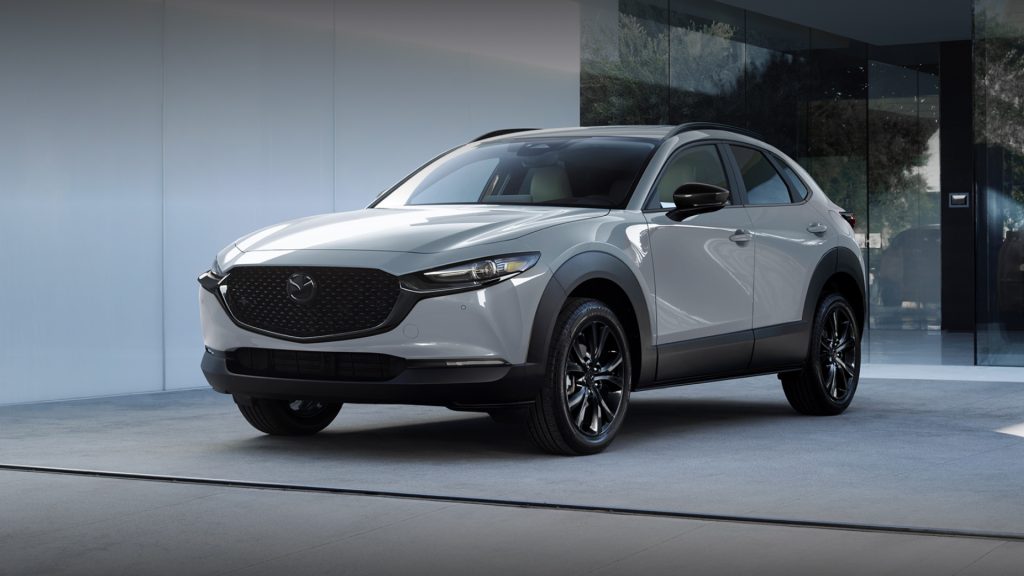
Many shoppers ask if the Mazda CX-30 is a good vehicle for daily driving. The answer comes down to how well its design supports real world use. The 2026 Mazda CX-30 is engineered to balance maneuverability, comfort, efficiency, and control in a way that feels natural over time. Rather than focusing on one standout feature, it delivers a consistent experience across the systems drivers rely on every day.
Compact Size That Improves Maneuverability and Visibility
Drivers researching compact crossovers often want to understand how vehicle size affects everyday usability. The 2026 Mazda CX-30 size is designed to provide the benefits of an SUV without the challenges of a larger footprint.
The CX-30’s dimensions influence how it behaves in city environments. A smaller turning radius allows for easier navigation in tight streets and parking areas. The overall width and length make it easier to position within lanes and parking spaces.
Visibility is also a direct result of design choices. The driving position in the Mazda CX-30 is elevated compared to a sedan, giving drivers a clearer view of traffic conditions ahead. At the same time, the vehicle maintains proportions that make it easier to judge distances when parking or maneuvering in crowded areas.
For Jacksonville drivers navigating urban areas and shopping centers, this balance of size and visibility reduces stress during everyday driving tasks.
Seating Design and Comfort Over Longer Drives
Many shoppers ask how comfortable the Mazda CX-30 is for commuting and longer trips. Comfort is not just about soft materials. It is determined by how the seat supports the body and maintains posture over time.
The 2026 Mazda CX-30 seating design focuses on spinal alignment and natural body positioning. The seat structure supports the pelvis and lower back in a way that reduces strain during extended driving. This helps maintain a consistent driving posture without requiring constant adjustment.
The relationship between the seat, steering wheel, and pedals also plays a role. In the Mazda CX-30, these elements are positioned to allow smooth, natural movement. Drivers can apply throttle and braking inputs without overextending or shifting their posture.
For daily commuters in the Jacksonville area, this translates into reduced fatigue during longer drives and a more relaxed experience in traffic.
Driver Assistance Systems in Real Commuting Conditions
Shoppers often see lists of safety features but want to understand how they function during everyday driving. The 2026 Mazda CX-30 safety systems are designed to assist drivers in common commuting scenarios rather than operate independently.
Adaptive cruise control in the Mazda CX-30 automatically adjusts speed to maintain distance from the vehicle ahead. In stop and go traffic, the system can slow the vehicle and return to speed when traffic begins moving again.
Lane keeping assist monitors road markings and provides subtle steering input to help the driver stay centered within the lane. This becomes especially useful during longer highway drives where small corrections can add up over time.
Automatic emergency braking uses sensors to detect potential collisions and applies braking if the driver does not respond in time. This adds an additional layer of protection in unpredictable traffic situations.
Together, these systems support the driver without removing control. For Jacksonville drivers dealing with varying traffic conditions, they reduce workload while maintaining awareness.
Fuel Efficiency in Real World Driving Conditions
Drivers frequently ask whether the Mazda CX-30 is fuel efficient for daily use. Fuel efficiency is influenced not only by engine design but also by driving conditions and habits.
The 2026 Mazda CX-30 engine is designed to deliver consistent efficiency across a range of driving scenarios. In steady highway driving, the engine operates at lower loads, which improves fuel economy. In city driving, where frequent acceleration and braking occur, efficiency depends more on how smoothly the vehicle is driven.
Several factors influence real world fuel usage:
- Stop and go traffic increases fuel consumption due to repeated acceleration
- Gradual throttle input helps maintain more efficient engine operation
- Consistent speeds reduce unnecessary fuel demand
- Vehicle weight and cargo load can affect efficiency during acceleration
For drivers in Jacksonville, where traffic patterns can shift throughout the day, understanding these factors helps set realistic expectations for fuel usage.
Driving Dynamics Compared to Other Compact Crossovers
Many buyers comparing compact crossovers want to understand how the Mazda CX-30 feels on the road compared to competitors. While many vehicles in this segment focus on practicality, the Mazda CX-30 driving dynamics emphasize responsiveness and control.
The Mazda CX-30 steering system is calibrated to provide consistent feedback, allowing drivers to make precise adjustments without overcorrecting. The suspension system is tuned to maintain stability through turns while still absorbing road imperfections.
Compared to other compact crossovers, this results in a driving experience that feels more connected. Instead of isolating the driver from the road, the CX-30 maintains a level of feedback that helps drivers stay engaged and aware of vehicle behavior.
For everyday driving, this translates into smoother transitions, more predictable handling, and a greater sense of control during lane changes and cornering.
What to Evaluate When Choosing a Daily Driver
Understanding how the Mazda CX-30 performs in daily conditions helps clarify what drivers should look for when comparing vehicles. Rather than focusing only on specifications, it is important to evaluate how the vehicle responds to real world use.
Drivers should pay attention to:
- How easily the vehicle maneuvers in tight spaces
- Whether the seating position remains comfortable over time
- How driver assistance systems behave in traffic
- How fuel efficiency changes based on driving habits
- Whether the vehicle feels stable and predictable in motion
The 2026 Mazda CX-30 stands out by delivering consistency across these areas. It is not designed around a single strength, but around how each system contributes to a smoother, more confident daily drive.
For Jacksonville and Orange Park drivers, that consistency is what turns a routine commute into a more controlled and comfortable experience.
Connect with us


