

Every Mazda is designed to feel connected, where motion, balance, and intention come together in a way that feels natural behind the wheel. When comparing the Mazda CX 50 Hybrid and the Mazda CX 30, the decision is not just about size or fuel economy. It is about how different systems shape the way the vehicle responds to your daily routine. Many drivers are trying to understand whether a hybrid system changes the experience in a meaningful way and how that compares to a traditional gas powered SUV. The answer comes from how each vehicle is engineered to support different types of driving and different expectations over time.
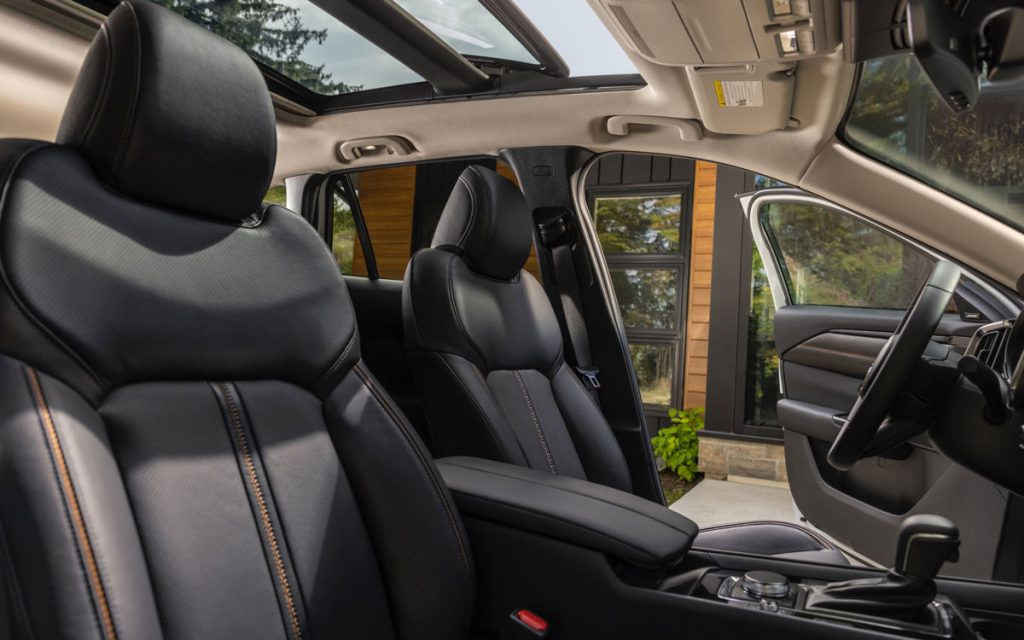
How Hybrid And Gas Powertrains Actually Work In Mazda SUVs
Many drivers ask what the real difference is between the Mazda CX 50 Hybrid and the Mazda CX 30, especially when it comes to how each vehicle produces power. A hybrid powertrain combines a gasoline engine with an electric motor, allowing the system to distribute energy based on driving conditions.
In the Mazda CX 50 Hybrid, the system shifts between electric power and gasoline power depending on speed, load, and driving behavior. At lower speeds or during light acceleration, the electric motor can assist or operate independently, reducing fuel consumption. As demand increases, the gasoline engine engages to provide sustained power.
In the Mazda CX 30, the system relies entirely on a gasoline engine. Power is generated through combustion, which delivers a consistent and direct response across a wide range of driving conditions.
- Hybrid systems use electric assistance to reduce fuel use during low demand driving
- Gas systems rely on continuous engine output for predictable performance
- Energy distribution in a hybrid changes dynamically based on real time conditions
This difference matters because it changes how the vehicle behaves throughout a drive. The CX 50 Hybrid adapts its power delivery moment by moment, while the CX 30 maintains a more consistent and linear response.
Mazda CX 50 Hybrid Vs CX 30 Size And Space Differences
Another common question is whether the Mazda CX 50 Hybrid is larger than the Mazda CX 30 and how that affects daily use. The CX 50 Hybrid is built on a larger platform, which provides more interior space and cargo capacity compared to the more compact CX 30.
In the Mazda CX 30, the design focuses on agility and efficiency. The smaller footprint makes it easier to navigate tight spaces, park in urban environments, and maintain a sense of control in everyday driving.
The Mazda CX 50 Hybrid introduces a wider stance and longer body, which changes how space is used inside the vehicle.
- Larger dimensions allow for more rear passenger space and cargo flexibility
- A wider body creates a more stable feel on the road
- Smaller dimensions support easier maneuverability in confined spaces
The difference is not just about size. It is about how that size translates into daily movement, whether that involves navigating city streets or carrying larger items.
How Fuel Efficiency Changes Between Hybrid And Gas Models
Drivers often want to know which Mazda SUV is better for fuel economy and whether the difference is noticeable in everyday driving. Fuel efficiency in a hybrid system is influenced by how often the vehicle can rely on electric power rather than gasoline.
In the Mazda CX 50 Hybrid, efficiency improves in conditions where the electric motor can assist frequently, such as stop and go traffic or lower speed driving. The system reduces fuel consumption by limiting how often the gasoline engine is used.
In the Mazda CX 30, fuel efficiency depends entirely on how efficiently the gasoline engine operates. While it is engineered for balance and reliability, it does not have the ability to offset fuel use with electric power.
- Hybrid systems are more efficient in city driving and frequent stops
- Gas systems provide consistent efficiency across different driving conditions
- Real world efficiency depends on driving habits and environment
This means the difference in fuel economy becomes more noticeable in certain situations rather than all driving conditions.
How Driving Experience Differs Between CX 50 Hybrid And CX 30
Beyond specifications, many drivers are trying to understand how each vehicle actually feels to drive. The driving experience is shaped by how the powertrain, size, and weight interact with the road.
In the Mazda CX 30, the lighter and more compact design creates a responsive and direct feel. Steering input translates quickly into movement, and the vehicle maintains a sense of agility that suits urban and everyday driving.
The Mazda CX 50 Hybrid introduces a different dynamic. The added weight of the hybrid system and the larger platform create a more grounded and stable feel, especially at higher speeds or on longer drives.
- Compact size supports quick response and maneuverability
- Larger platform provides stability and a more planted driving feel
- Hybrid systems can create smoother transitions during low speed driving
These differences shape how each vehicle fits into different types of driving environments.
How To Choose Based On Your Driving Needs And Routine
Choosing between the Mazda CX 50 Hybrid and the Mazda CX 30 comes down to how you move through your daily life. The decision is not about which vehicle is better overall, but which one aligns with your driving patterns and priorities.
If your routine involves frequent city driving, stop and go traffic, and a focus on fuel efficiency, the Mazda CX 50 Hybrid offers advantages through its ability to reduce fuel use in those conditions.
If your driving is more focused on simplicity, maneuverability, and a consistent driving feel, the Mazda CX 30 provides a straightforward and responsive experience.
- Consider how often you drive in city conditions versus open roads
- Think about how much space you need for passengers and cargo
- Evaluate whether fuel efficiency or simplicity matters more in your routine
When these factors are clear, the choice becomes less about comparing features and more about selecting the vehicle that feels aligned with how you drive every day.
Connect with us


Recent Blog Entries
- 2026 Mazda MX-5 Miata vs Mazda3 Hatchback: Driving Engagement Compared
- Mazda Drive Modes Explained: Efficiency, Comfort, and Control
- Mazda OEM Battery Replacement vs Aftermarket: Longevity Explained
- Mazda Multi-Point Inspection: What Gets Checked and Why It Matters
- CX 5 vs CX 50 Hybrid: Efficiency, Space, Driving Feel